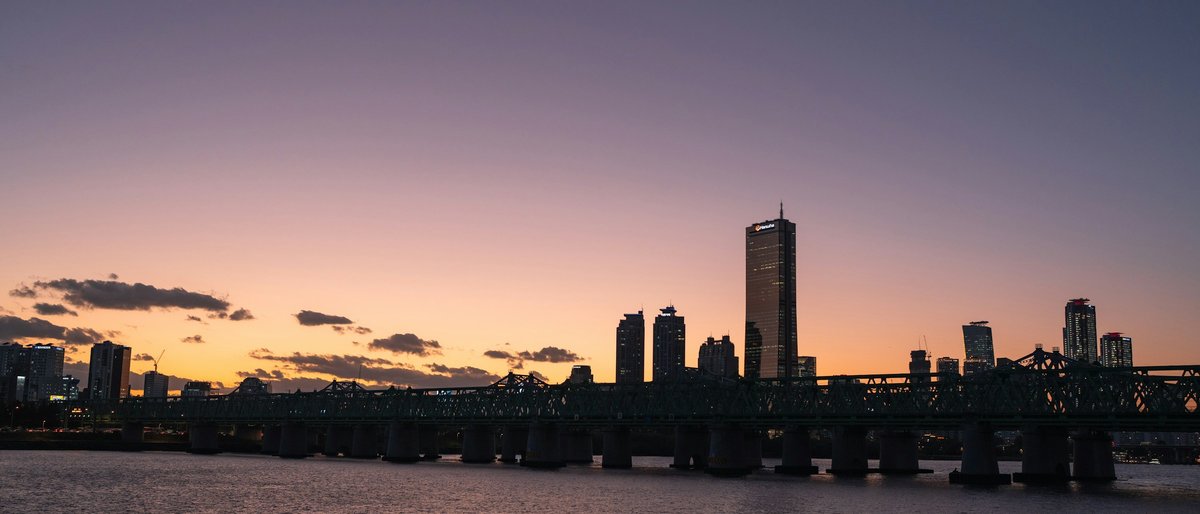
Stay in Seoul in August
104 hotels in the Trip.com pool for Seoul, from US$17 a night.
Opens Trip.com on Fri 6 Aug to Sun 8 Aug 2027; change the dates there.
August in Seoul is wet. That's the headline. You're landing in the tail end of jangma (the East Asian monsoon) and the city is still catching 289mm of rain across roughly 18 days of the month. The heat alone would be manageable at 29°C (85°F), but pair it with 82% humidity and you get that sticky, clothes-clinging discomfort that follows you from the subway platform to the restaurant to the hotel lobby. The air itself feels heavy. Locals have a word for this particular misery (mujiwi) and they mean it.
That said, Seoul doesn't shut down. Koreans have been dealing with August for a few thousand years, and the city runs on schedule. The monsoon rain tends to come in intense bursts rather than all-day drizzle, so you'll get windows of overcast-but-dry weather between downpours. Air conditioning is aggressive almost everywhere indoors. And there's something to be said for visiting when the tourist crowds thin out: the palace grounds feel more contemplative with fewer selfie sticks, and you won't queue for popular restaurants in Jongno the way you would in October.
But let's be honest: if you have flexibility on timing, October and May are dramatically better months to visit Seoul. If August is what your schedule allows, you can absolutely have a good trip: you'll just need to plan around the rain, carry an umbrella like it's a body part, and lean into indoor attractions, summer food culture, and the genuine warmth of a city that keeps moving regardless of what the sky is doing.
Why visit in August
- Summer food culture peaks: naengmyeon (cold buckwheat noodles), samgyetang (ginseng chicken soup), and bingsu (shaved ice desserts) are everywhere and at their seasonal best
- Fewer international tourists than the October-November peak, meaning shorter waits at palaces, museums, and popular restaurants
- Korean Independence Day (August 15) brings free admission to national museums and palace sites, plus a patriotic atmosphere worth experiencing
- Lush green landscapes: the monsoon rains turn the mountains ringing Seoul into deep green, and places like Bukhansan and the palace gardens look their most verdant
- Summer night markets and extended evening hours at several attractions take advantage of the late sunset and warm nights
Worth knowing
- Oppressive humidity at 82% makes outdoor sightseeing physically draining: the heat index regularly pushes perceived temperature above 35°C (95°F)
- Heavy monsoon rainfall averaging 289mm can flood underpasses, disrupt subway lines, and turn outdoor plans into indoor scrambles with little warning
- Typhoon risk is real: late August occasionally sees typhoons track through or near the Korean Peninsula, potentially grounding flights and shutting down outdoor sites for days
- Many Koreans take summer vacation in early-to-mid August, so domestic tourist sites like Gyeongju and Busan day trips are packed, and KTX trains sell out fast
Best for
Think twice if
August sits in the grip of the East Asian monsoon's final push. Daytime highs average 29.4°C (85°F) and overnight lows hover around 22.7°C (73°F), which sounds moderate on paper until you factor in the 82% humidity that makes everything feel roughly 5-7 degrees hotter. Rain arrives in sudden, heavy bursts (sometimes 50mm in a single afternoon) rather than the gentle drizzle you might expect. You'll get around 18 rainy days, though 'rainy day' might mean a two-hour monsoon downpour followed by steamy sunshine. The air between storms feels thick and warm, like breathing through a damp towel. Mornings tend to be slightly less oppressive, which is why locals shift outdoor activity to early hours.
Seasonal caution
- Monsoon rainfall of 289mm across the month can cause flash flooding in low-lying areas and underground underpasses: avoid walking through flooded streets, as water depth is deceptive and drainage can create dangerous currents
- Typhoon season runs through August and September: check the Korea Meteorological Administration forecasts regularly, as typhoons can develop and approach within 48-72 hours, potentially disrupting flights and closing outdoor attractions
- Heat index frequently exceeds 35°C (95°F) due to extreme humidity: heat exhaustion is a genuine risk during midday outdoor activity, for those not acclimated to subtropical humidity
Year-round climate
Averages from the last 5 years.
| Month | Avg high (°C) | Avg low (°C) | Rainfall (mm) |
|---|---|---|---|
| Jan | 2 | -7 | 19 |
| Feb | 5 | -5 | 17 |
| Mar | 12 | 1 | 58 |
| Apr | 18 | 7 | 74 |
| May | 22 | 12 | 126 |
| Jun | 27 | 18 | 169 |
| Jul | 30 | 23 | 305 |
| Aug | 29 | 23 | 289 |
| Sep | 26 | 18 | 215 |
| Oct | 19 | 10 | 104 |
| Nov | 12 | 2 | 56 |
| Dec | 3 | -5 | 30 |
Holidays and festivals in August
Public holidays
- Liberation Day(광복절)16 August 2027
Headline events
Gwangbokjeol (Korean Liberation Day)
August 15 (fixed date)
Korea's Independence Day on August 15 marks liberation from Japanese colonial rule in 1945. Major national ceremony at the Independence Hall of Korea, free admission to all four grand palaces and the National Museum of Korea, and Korean flags appear on nearly every building and apartment balcony in the city. The atmosphere is moving: it's patriotic without being aggressive, and you'll see families in hanbok visiting palace grounds together.
Best things to do in August
Night markets and evening food tours
food and nightlifeSeoul's summer night markets come alive in August when the daytime heat drives everyone into the cooler evening hours. The Bamdokkaebi Night Markets along the Hangang parks (Yeouido, Banpo, DDP) run through the summer with food trucks, crafts, and live performances along the riverfront. The atmosphere after dark: string lights reflected on the river, the smell of grilled skewers and tteokbokki, a slight breeze off the water: is Seoul at its most relaxed.
Summer night markets specifically operate June through August, with August being the final month before they wind down. Evening temperatures around 23-25°C make outdoor dining comfortable after punishing daytime humidity.Booking tipArrive by 6:30 PM to beat the crowds that build after 8 PM. Yeouido tends to be the most packed; Banpo is slightly less hectic and has the rainbow fountain bridge as a backdrop.
Palace visits on Liberation Day
culture and historyAll four of Seoul's grand palaces (Gyeongbokgung, Changdeokgung, Deoksugung, and Changgyeonggung) offer free admission on August 15 for Gwangbokjeol. Even better, many Koreans dress in hanbok for the occasion, creating a photogenic scene against the traditional architecture. The combination of free entry, festive atmosphere, and hanbok-clad families makes this arguably the single best day of the year to visit the palaces.
Liberation Day (August 15) is the only summer date with free palace admission and peak hanbok-wearing. The patriotic atmosphere adds a cultural layer you won't get on a regular visit.Booking tipArrive at Gyeongbokgung before the 9 AM opening: by 10 AM the courtyards are packed. Changdeokgung's Secret Garden requires a separate timed ticket even on free days.
Underground shopping and department store culture
shoppingThis sounds mundane until you've experienced Seoul's underground shopping networks. COEX Mall, the Gangnam Underground Shopping Center, Myeongdong's subterranean arcades, and the Express Bus Terminal Underground Shopping Mall are temperature-controlled parallel cities. You could spend an entire rainy afternoon navigating the passages connecting Jongno 3-ga station, browsing vintage shops, eating in food courts, and never stepping outside.
August's monsoon rains and heat make underground Seoul the most comfortable place to spend daytime hours. These aren't fallback plans: they're where Seoulites go in August.Jjimjilbang (Korean spa) marathon sessions
wellnessKorean bathhouse culture is a year-round staple, but something about August makes the full jjimjilbang experience: hot pools, cold plunge, steam rooms, then large on a heated floor in the communal area watching Korean dramas: feel right. After a sticky day of sightseeing, the ritual of scrubbing clean and slowly cooling down is restorative in a way a hotel shower just isn't. Dragon Hill Spa in Yongsan and Siloam Sauna near Seoul Station are two of the larger options.
The cold plunge pools and ice rooms in jjimjilbangs provide genuine physical relief from August's humidity that air conditioning alone doesn't match. Also a perfect rainy-day activity when outdoor plans fall through.Booking tipNo booking needed, just show up. Late morning on weekdays is the least crowded. Weekend evenings get packed, at Dragon Hill Spa.
Hangang River evening activities
outdoor and leisureAs the sun drops and temperatures become bearable, the parks lining the Han River fill up with Seoulites doing chimaek: fried chicken and beer on a picnic mat by the water. You can order delivery chicken directly to your spot on the grass via Korean delivery apps. Rent bikes along the river paths, watch the Banpo Bridge Rainbow Fountain show (runs nightly at set times in summer), or just sit with cold beer and watch the city lights reflect on the water.
August evenings along the Hangang are a specifically Korean summer tradition: the combination of warm nights, chimaek culture, and the rainbow fountain's summer schedule creates an experience that doesn't exist in cooler months.Booking tipBike rental kiosks along the river accept T-money cards. Order chicken through Baemin or Yogiyo apps: look up your location pin at the Hangang park and drivers will find you.
Museum and gallery hopping in Samcheong-dong and Tongui-dong
culture and artThe tight cluster of galleries and small museums in the neighborhoods north of Gyeongbokgung (Samcheong-dong, Tongui-dong, Sogyeok-dong) is Seoul's answer to the question 'what do I do when it's too hot and wet to be outside?' You can gallery-hop for hours, ducking between spaces showing contemporary Korean art, photography, and ceramics. The National Museum of Modern and Contemporary Art's Seoul branch (MMCA Seoul) anchors the area.
August's weather pushes visitors toward indoor activities, and this neighborhood rewards that impulse better than almost anywhere else in the city. Many galleries rotate exhibitions in late summer, so the offerings feel fresh.Booking tipMMCA Seoul has timed entry during busy periods: book online a day ahead. Most smaller galleries are free and require no reservation.
Day trip to Incheon's Wolmido or the coast
day tripWhen Seoul's humidity becomes too much, the coast is about an hour away. Incheon's Wolmido area has a boardwalk, seafood restaurants, and actual sea breeze. It's not a beach vacation, but the salt air and slightly cooler temperatures off the Yellow Sea provide noticeable relief. The raw fish (hoe) restaurants along the waterfront serve incredibly fresh seafood.
August heat drives Seoulites toward any body of water, and the sea breeze at the coast drops the perceived temperature noticeably. Seafood is plentiful in summer, and the coastal atmosphere is a genuine break from the inland humidity.Booking tipTake subway Line 1 to Incheon, then transfer to the Wolmido monorail. Go on a weekday: weekends are very crowded with domestic tourists.
Korean cooking classes focused on summer dishes
food and cultureSeveral cooking schools in Jongno and Insadong offer seasonal menus that rotate with the calendar. In August, you'll likely make naengmyeon, kimchi-mari (cold kimchi noodle soup), or seasonal banchan using summer vegetables. Making cold noodles from scratch (pulling the dough, cutting it, and plunging it into ice water) is hands-on in a way that watching a YouTube video never captures.
August classes teach summer-specific dishes you can't learn in other months: the curriculum follows the Korean culinary calendar, and cold noodle and summer kimchi techniques are August staples.Booking tipBook at least a week in advance, for weekend classes. Morning sessions tend to be smaller and more hands-on than afternoon ones.
What to eat in August
In season: fruit
Korean peaches (boksunga)
August is the heart of Korean peach season, and the fruit here is something else: white-fleshed, intensely fragrant, juice-running-down-your-arm ripe. You'll find them piled high at every traditional market and fruit stand. Garak Market in Songpa-gu has wholesale prices. The yellow peaches are good, but the white peaches from regions like Chungju are the ones locals seek out.
Watermelon (subak)
Korean watermelons are at their sweetest in August: smaller and rounder than what you might be used to, with a denser flesh. Convenience stores sell pre-cut wedges, and watermelon juice shows up on every cafe menu. Street vendors near Gwangjang Market sell whole melons you can take back to your accommodation.
On menus now
Naengmyeon (cold buckwheat noodles)
Seoul's signature summer dish: thin, chewy buckwheat noodles served in an ice-cold beef broth (mul-naengmyeon) or with a fiery red pepper paste (bibim-naengmyeon). The broth is sometimes served with actual ice crystals floating in it. Pyongyang-style naengmyeon restaurants in Jangchung-dong and around Euljiro draw long lines all August, and for good reason: there's nothing quite like that first cold, tangy bite when you've been sweating through the streets.
Samgyetang (ginseng chicken soup)
Koreans eat this boiling-hot whole chicken soup stuffed with ginseng, jujubes, and glutinous rice specifically on the three hottest days of summer (sambok). The logic is fight-fire-with-fire: sweating through a bowl of samgyetang is believed to restore stamina. Lines at famous spots like Tosokchon near Gyeongbokgung wrap around the block on sambok days. It sounds counterintuitive, but honestly, you feel weirdly refreshed afterward.
Bingsu (shaved ice dessert)
Finely shaved milk ice topped with red bean paste, condensed milk, rice cakes, and fruit: Korea's answer to oppressive summer heat. August is peak bingsu season and every cafe, from hole-in-the-wall spots to chains like Sulbing, rolls out elaborate seasonal versions with mango, melon, or injeolmi (roasted soybean powder). The texture of well-made bingsu is closer to fresh snow than the crunchy ice you might expect.
Street food peaks
Patbingsu-flavored everything
The red bean and shaved ice flavor profile takes over bakeries, convenience stores, and cafes in August. You'll find patbingsu-flavored bread, ice cream bars, drinks, and even patbingsu-topped toast. It's seasonal and ephemeral: most of these items disappear by late September.
Regular events in August
Seoul Fringe Festival
Independent performing arts festival featuring theater, dance, music, and street performance from emerging Korean and international artists. Stages pop up around Daehangno, Seoul's theater district, with some free outdoor performances alongside ticketed indoor shows.
Mid-to-late August (varies yearly, typically 10-14 days)Seoul Summer Sale (Korea Grand Sale)Free
Nationwide shopping event with discounts at department stores, duty-free shops, and participating retailers across Seoul. Not as dramatic as Black Friday but genuine 20-40% reductions at places like Lotte, Shinsegae, and Hyundai department stores.
Early August through mid-August (dates vary)Hangang Summer FestivalFree
The umbrella event covering outdoor movie screenings, water sports, concerts, and night markets along the Han River parks. Activities are spread across multiple Hangang parks with different programming at each location.
July through August (ongoing)Jisan Valley Rock Festival / Summer Music Festivals
Korea's summer festival season brings multiple outdoor music festivals to venues within day-trip distance of Seoul. Lineups mix Korean indie, K-pop acts, and international headliners. Mud, rain, and heat are part of the experience.
Late July through mid-August (varies by festival)Best places this August
Bukchon Hanok Village
historic neighborhoodThe traditional hanok neighborhood between Gyeongbokgung and Changdeokgung takes on a different quality in August: the wooden houses and narrow alleyways stay surprisingly cool compared to the concrete streets below, and the green foliage framing the traditional rooflines is at its densest. Visit early morning before tour groups arrive and the heat builds.
Jongno-guGwangjang Market
marketSeoul's oldest market is mostly covered, making it a reliable rainy-day destination. The famous bindaetteok (mung bean pancake) vendors and the mayak gimbap stalls are here year-round, but in August the market adds seasonal fruit vendors and cold noodle stalls that don't appear in winter months.
Jongno-guBanpo Hangang Park and Rainbow Fountain Bridge
park and waterfrontThe Banpo Bridge Moonlight Rainbow Fountain runs its summer schedule in August with evening shows that shoot 380 tons of water in arcs lit by LED lights. The park below fills up with picnickers and chimaek crowds after sundown: it's the most quintessentially Korean summer evening experience in the city.
Seocho-guCOEX Mall and Starfield Library
indoor attractionSoutheast Asia has mega-malls, but COEX is Seoul's answer: a large underground complex with the towering Starfield Library at its center, an aquarium, a cinema, and hundreds of shops. In August, it's less a shopping destination and more a climate-controlled refuge that happens to have excellent food courts and a photogenic library.
Gangnam-guIhwa Mural Village
art neighborhoodThis hillside neighborhood near Daehangno is covered in street art and murals. The steep walk up is brutal in August heat, but going early in the morning (before 9 AM) when temperatures are still bearable rewards you with quiet streets and artwork photographed without crowds. The monsoon greens climbing the walls add to the visuals.
Jongno-guNoryangjin Fish Market
marketSeoul's largest fish market where you pick your seafood live from tanks on the ground floor and carry it upstairs to restaurants that prepare it on the spot. The market itself is indoors and air-conditioned in the newer building. Summer brings different species to the tanks: try gwangeo (halibut) sashimi, which peaks in warmer months.
Dongjak-guSeoul Forest
parkSeongdong-gu's answer to Central Park. The tree canopy is fully leafed out in August, providing more shade than you'd expect. The deer enclosure, wetland areas, and riverside paths are at their greenest. Bring mosquito repellent: the combination of standing water and warmth means they're active.
Seongdong-gu
Your packing checklist
Tick items off as you pack. Your progress saves in this browser.
All packed — have a great trip.
Insider tips
Korean delivery apps like Baemin (배달의민족) work even in parks: you can order fried chicken, pizza, or bingsu to your exact GPS pin along the Han River. Set your location, order, and the driver calls when they arrive. This is peak Korean summer culture and tourists rarely know about it.
The underground passages connecting major subway stations ( the network around City Hall, Euljiro, and Jongno 3-ga) are not just transit corridors: they're air-conditioned shopping arcades with surprisingly good food stalls. On the worst humidity days, locals plan their routes to maximize underground walking time between destinations.
If you're visiting palaces, rent hanbok from one of the shops near Gyeongbokgung: you get free palace admission when wearing traditional Korean dress, and it's cooler than you'd expect because hanbok is designed for airflow. Mind you, the full outfit with layers still gets warm, so go with a lighter summer hanbok rental.
Convenience stores (CU, GS25, 7-Eleven) are legitimate dining options in Korea, not just snack stops. In August, they stock seasonal cold noodles, samgak-gimbap (triangle kimbap), and frozen fruit bars that are good for on-the-go meals when it's too hot to sit in a restaurant. The triangle kimbap technique takes one try to learn, just pull the numbered tabs.
The best time for outdoor sightseeing in August is roughly 6-9 AM, before humidity peaks. Gyeongbokgung opens at 9 AM, but the surrounding area: the palace wall walk along Samcheong-dong, the view from the Cheongwadae (former presidential residence) area: is open and nearly empty in the early morning light.
Avoid these mistakes
- Planning a full day of outdoor palace and temple visits during midday hours: the combination of 29°C heat and 82% humidity creates dangerous conditions for heat exhaustion, if you're walking uphill to spots like Inwangsan or the Bugaksan trail. Schedule outdoor activities for early morning or late afternoon, and retreat indoors during the 11 AM to 3 PM window.
- Bringing only one umbrella and no rain jacket: August monsoon rain regularly shifts from vertical to sideways, and a single umbrella won't keep your lower half dry. Experienced Seoul visitors layer protection: umbrella for light rain, rain jacket added for heavy storms, and waterproof shoes as the baseline.
- Booking rigid, non-refundable day trips on specific dates: typhoon warnings or heavy rain advisories can cancel trains, close hiking trails, and ground domestic flights with 24-48 hours notice. Keep at least 2-3 days flexible enough to rearrange if weather forces a change of plans.
- Underestimating Seoul subway distances and skipping T-money card purchase: some visitors try to walk between sights that are several kilometers apart, which is fine in October but dangerous in August heat. Get a T-money card at the airport, load it up, and use the subway and bus system aggressively. Walking in August should be measured in blocks, not kilometers.
Practical tips for August
Book accommodations with strong air conditioning and verified recent reviews mentioning it, not all older guesthouses and hanok stays have adequate cooling for August conditions, and a hot room after a humid day is miserable. Carry your passport or a copy daily, as tax-free shopping requires it and some attractions offer foreigner discounts with ID. The Korean Won is still primarily a cash-and-card economy, but card acceptance is nearly universal: however, traditional market vendors and small street food stalls often prefer cash, so keep 50,000-100,000 won on hand. Download Naver Map before arriving (Google Maps is unreliable for Korean transit routing and walking directions). For restaurants, download the Catchtable or MangoPlate apps for reservations: popular spots in Jongno and Gangnam fill up on weekends even in August. Be aware that many small shops and some restaurants close for 2-3 days around August 15 (Liberation Day), similar to how businesses close for Chuseok. KTX train tickets for domestic travel around mid-August sell out weeks in advance due to summer vacation: book as early as possible if planning day trips to Busan, Gyeongju, or Jeonju.
FAQ
Is August a good time to visit Seoul?
Honestly, it's one of the less comfortable months. The monsoon brings roughly 289mm of rain across 18 days, humidity sits at a sticky 82%, and temperatures hover around 29°C (85°F), which feels considerably hotter with that moisture in the air. If you have flexibility, October or May would give you a dramatically better experience. That said, August is far from impossible. The rain comes in bursts rather than continuous drizzle, Seoul's indoor attractions are excellent, and summer food culture (cold noodles, bingsu, grilled chicken by the river) is special. You'll have a good trip if you plan around the weather rather than fighting it.
What is the weather like in Seoul in August?
Hot and humid with heavy periodic rain. Average highs reach 29.4°C (85°F) and lows sit around 22.7°C (73°F), but the 82% humidity makes it feel significantly warmer. Expect about 289mm of rainfall spread across 18 days: this comes as intense downpours that might last an hour or two, not all-day drizzle. Between storms you'll get overcast skies with occasional sun breaks. Late August carries some typhoon risk, which can mean 1-2 days of sustained heavy rain and wind if a storm tracks nearby. Mornings tend to be slightly less oppressive; the worst humidity builds through the afternoon.
Is Seoul crowded in August?
It's mixed. International tourist numbers are lower than the peak autumn months (September-November), so you won't face the massive crowds at Gyeongbokgung or Myeongdong that you'd see in October. However, Koreans take summer vacation in early-to-mid August, so domestic tourism picks up: KTX trains to popular destinations sell out, and beaches within day-trip distance get packed. Seoul itself stays busy but manageable, at indoor attractions. The week of Liberation Day (August 15) sees increased domestic visitors at palaces and museums, though free admission makes the trade-off worthwhile.
What should I eat in Seoul in August?
August is arguably Seoul's best food month if you love cold dishes and summer flavors. Naengmyeon (cold buckwheat noodles in icy broth) is the essential Seoul summer dish, and the famous restaurants in Jangchung-dong and around Euljiro draw lines for it. Samgyetang (ginseng chicken soup) is traditionally eaten on the hottest days, which typically fall in late July and early August. Bingsu (shaved ice with red bean, fruit, or injeolmi toppings) is everywhere and at its creative peak. Korean peaches and watermelon are at their best. And the evening chimaek tradition (fried chicken with beer along the Han River) is peak Korean summer culture.
Do I need to worry about typhoons in Seoul in August?
It's worth being aware of, though direct hits on Seoul are relatively uncommon. The typhoon season for the Korean Peninsula runs from roughly late July through September, with August being an active month. When typhoons do approach, you typically get 48-72 hours of warning through the Korea Meteorological Administration. The practical impact is usually 1-2 days of heavy rain and strong winds, potential flight delays, and closure of mountain trails and some outdoor attractions. Keep your itinerary somewhat flexible in late August, and check weather forecasts regularly. Most buildings and the subway system handle storms well: it's outdoor plans that get disrupted.
Things to Do in Seoul in August
 Free cancellation
 Best DMZ Tour Korea from Seoul (Suspension Bridge & JSA Museum)
Day trip: free cancellation.
via Viator Free cancellation
 Best DMZ Tour Seoul: Defector Q&A, 3rd Tunnel & Suspension Bridge
Day trip: free cancellation.
via Viator Free cancellation
 DMZ Tour: Defector Q&A, Tunnel & Suspension Bridge /Hotel pick up
Day trip: 7 hours, free cancellation.
via Viator Free cancellation
 DMZ: NK Defector, 3rd Tunnel, Suspension Bridge, Hotel Pick-up
Day trip: 7 hours, free cancellation.
via Viator Free cancellation
 DMZ tour from Seoul; North Korean Defector Meet up & 3rd Tunnel
Day trip: 6.5 hours, free cancellation.
via Viator Free cancellation
 DMZ Tour from Seoul: 3rd Tunnel, Dora Observatory & Defector Talk
Day trip: free cancellation.
via ViatorFind a flight to Seoul
Live fares to Seoul appear here once cookies are accepted.
Last verified by automated review (v1.7.2) on . What is automated review?