Stay in Seoul in May
104 hotels in the Trip.com pool for Seoul, from US$17 a night.
Opens Trip.com on Fri 7 May to Sun 9 May 2027; change the dates there.
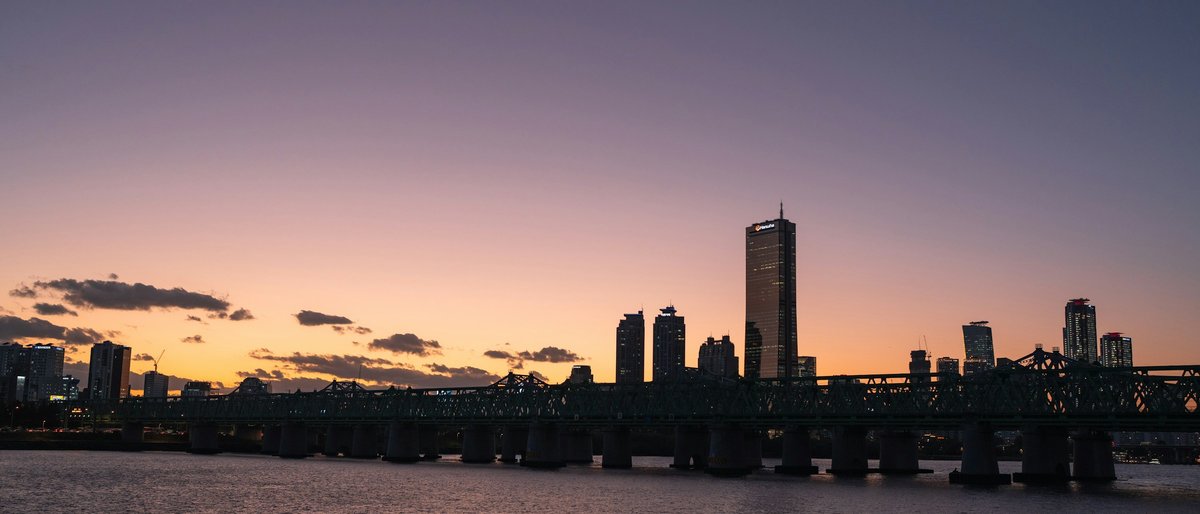
May in Seoul is when the city finally exhales after a long, dry winter and a tentative spring. The temperatures settle into a comfortable range (highs around 22°C (72°F), lows near 12°C (53°F)) and the city's parks and riverside paths fill with Seoulites who've been cooped up since November. It's arguably the sweet spot of the year, right before the summer monsoon sets in. The air still has that clean, slightly cool edge to it, in the mornings, and the late afternoon light over the Han River is the kind of thing that makes you stop walking for a minute.
That said, May isn't quite the dry, cloudless great destination some guides make it out to be. Rainfall picks up noticeably (about 126mm across roughly nine rainy days) which is more than double April's total. These tend to be afternoon showers rather than all-day washouts, but you'll want a rain layer with you at all times. The other thing to know: Buddha's Birthday (Bucheonnal) typically falls in May, and the lantern festivals that precede it are spectacular. Jogyesa Temple and the streets of Jongno become rivers of colored paper lanterns, and the evening parade through central Seoul draws enormous crowds. If you time it right, this alone is worth the trip.
Prices sit in that shoulder-to-moderate zone, not the rock-bottom rates of February, but nowhere near the chaos of cherry blossom season in early April or the autumn foliage rush in October and November. Hotel availability is generally fine if you book a couple weeks out, though Buddha's Birthday weekend can tighten things up in the Jongno and Insadong areas.
Why visit in May
- Temperatures hover in the low 20s°C: warm enough for outdoor exploration all day without the crushing humidity that arrives in June and July
- Buddha's Birthday Lotus Lantern Festival transforms central Seoul with massive lantern displays and a parade through Jongno that draws tens of thousands: a unique cultural experience
- Parks and palace grounds are at peak green: Changdeokgung's Secret Garden, Bukhansan trails, and the Cheonggyecheon stream walk are all lush without summer's oppressive heat
- Late spring produce hits markets hard: fresh strawberries from Nonsan, early-season cherries, and spring greens like ssuk (mugwort) appear in dishes everywhere
- Outdoor cafe and rooftop culture kicks into gear across Yeonnam-dong, Hannam-dong, and Seongsu-dong without the summer monsoon shutting patios down
Worth knowing
- Rainfall jumps to 126mm across about nine days (nearly double April) so you'll encounter at least two or three wet afternoons per week, which can disrupt outdoor plans
- Fine dust (misemeonji) from China still lingers into early May, and some days the skyline disappears behind a gray-yellow haze that irritates eyes and throats: check the AirKorea app daily
- Buddha's Birthday weekend and Children's Day (May 5) create domestic travel surges, so expect packed KTX trains and sold-out hotels in popular districts if you don't plan ahead
- Pollen counts from pine and oak trees peak in early May, which can make outdoor time miserable for allergy sufferers
Best for
Think twice if
May in Seoul feels like proper spring turning the corner toward early summer. Mornings start cool (around 12°C (53°F)) with a freshness that makes an early walk along the Cheonggyecheon pleasant. By afternoon, temperatures climb to around 22°C (72°F), warm enough for a single layer but rarely hot enough to break a sweat just standing around. Humidity sits at roughly 70%, which is noticeable but nothing like the wall of moisture that hits in July. Rain comes in bursts: expect about 126mm spread across nine or so days, usually as afternoon or evening showers that clear relatively quickly. The occasional front will bring a full day of gray drizzle, but these are the exception. Evenings cool down nicely, and you might want a light jacket if you're out past 9 PM.
Seasonal caution
- Fine dust (PM2.5) episodes can push air quality into the 'unhealthy' range during the first two weeks of May: monitor AirKorea or the Misemeonji app and consider carrying a KF94 mask for bad days
- Sudden afternoon thunderstorms can develop quickly as warm air masses collide: lightning risk is real on exposed ridgelines like Bukhansan's Baegundae peak, so check forecasts before high-altitude hikes
Year-round climate
Averages from the last 5 years.
| Month | Avg high (°C) | Avg low (°C) | Rainfall (mm) |
|---|---|---|---|
| Jan | 2 | -7 | 19 |
| Feb | 5 | -5 | 17 |
| Mar | 12 | 1 | 58 |
| Apr | 18 | 7 | 74 |
| May | 22 | 12 | 126 |
| Jun | 27 | 18 | 169 |
| Jul | 30 | 23 | 305 |
| Aug | 29 | 23 | 289 |
| Sep | 26 | 18 | 215 |
| Oct | 19 | 10 | 104 |
| Nov | 12 | 2 | 56 |
| Dec | 3 | -5 | 30 |
Holidays and festivals in May
Public holidays
- Labour Day(노동절)3 May 2027
- Children's Day(어린이날)5 May 2027
- Buddha's Birthday(부처님 오신 날)13 May 2027
Headline events
Yeon Deung Hoe (Lotus Lantern Festival)
Week leading up to Buddha's Birthday (shifts annually: usually mid-to-late May, check the lunar calendar)
Korea's signature Buddhist celebration leading up to Buddha's Birthday. For about a week, Jogyesa Temple and surrounding streets in Jongno are draped in thousands of colorful lotus lanterns. The centerpiece is the evening lantern parade: a procession of elaborate illuminated floats and tens of thousands of participants carrying individual lanterns from Dongdaemun to Jogyesa. The atmosphere is electric. Crowds line the route three or four deep, temple courtyards glow with candlelight, and the smell of incense mixes with street food smoke. It's one of those events that photographs well but feels even better in person: the scale and the warmth of the crowd are hard to capture on a screen.
Best things to do in May
Hike Bukhansan National Park
outdoorSeoul's signature granite peaks are at their most accessible in May. The trails through Bukhansan (the route up to Baegundae Peak at 836 meters) are lined with blooming azaleas and royal azaleas (cheoljjuk) that turn entire ridgelines pink and magenta. The air is clear on good days, and from the summit you can see across the entire city and beyond to the mountains of Gyeonggi Province. The descent through the forested valleys smells of pine resin and damp earth.
May offers the best hiking weather of the year: warm enough for comfort, cool enough to avoid heat exhaustion. Royal azaleas bloom along high ridgelines only in May, and the trails are less crowded than autumn's foliage season.Booking tipStart before 7 AM on weekends to avoid the worst congestion at trailheads. The Bukhansanseong trail entrance near Gupabal Station gets packed by 9 AM.
Attend the Lotus Lantern Festival evening parade
culturalThe parade route runs from Dongdaemun through Jongno to Jogyesa Temple. Elaborately lit floats depicting Buddhist imagery, dragons, and Korean cultural scenes move slowly through streets lined with spectators. Participants carry individual lotus lanterns. The whole thing takes about two hours to pass, and the atmosphere blends reverence with genuine joy. Street food vendors line the route, and after the parade, Jogyesa Temple stays open late for visitors to walk among thousands of hanging lanterns.
This is a once-a-year event tied to Buddha's Birthday, which falls in May on the lunar calendar. You cannot see this any other month.Booking tipNo tickets needed: it's free. Arrive at least 90 minutes early to secure a viewing spot along Jongno. The section near Jogyesa Temple offers the best views of the floats against the temple backdrop.
Walk the Seoul Forest and Seongsu-dong neighborhood
urban explorationSeoul Forest in May is an enormous green canopy: the deer enclosure, the wetland area, and the tree-lined paths all peak in late spring. After the park, Seongsu-dong's converted warehouse district is a ten-minute walk south. This neighborhood has become Seoul's answer to Brooklyn: independent coffee roasters, craft breweries, design studios, and popup shops fill repurposed industrial spaces. The outdoor seating along the main streets fills up on warm May afternoons.
The forest canopy is fully leafed out but the summer heat hasn't arrived, making long walks comfortable. Seongsu-dong's outdoor cafe culture is at its best in May's mild temperatures before monsoon season forces everyone indoors.Explore Changdeokgung Secret Garden (Huwon)
culturalThe rear garden of Changdeokgung Palace is a meticulously preserved woodland with pavilions, lotus ponds, and 300-year-old trees. In May, the garden is overwhelmingly green: layers of maple, oak, and zelkova leaves create a dense canopy that filters sunlight into shifting patterns on the stone paths. The lotus ponds have early growth, and the sound of birdsong is constant. It feels remarkably removed from the city despite being minutes from Insadong.
May's full canopy and comfortable temperatures make the 90-minute guided walk pleasant rather than endurance test (summer) or bare-branched (winter). The garden's spring color palette (dozens of shades of green) is at its richest.Booking tipGuided tours are mandatory and slots fill up fast, on weekends. Book online through the Cultural Heritage Administration website at least a week ahead. The 10:30 AM English tour is the most popular.
Cycle the Han River path
outdoorSeoul's riverside cycling network stretches over 40 kilometers along both banks of the Han. In May, the dedicated bike lanes are flanked by blooming trees and the water reflects the spring sky. Rental bikes are available through Seoul's Ttareungyi (Seoul Bike) public bike-share system, with stations every few hundred meters. The stretch between Yeouido and Banpo Bridge is scenic, and you can stop at any of the riverside parks for convenience store ramyeon or chicken from the fried chicken delivery riders who camp the parks.
May's dry-ish days and 20-22°C highs are the cycling sweet spot: June brings monsoon rains that flood sections of the path, and summer humidity makes the ride grueling. This is the last comfortable month before that shift.Booking tipTtareungyi bikes cost about 1,000 won per hour. Download the app and register in advance: the English interface works fine. Weekend afternoons get busy on the Yeouido stretch.
Night market crawl through Gwangjang Market
foodGwangjang is Seoul's oldest market and its nighttime food stalls are legendary. The bindaetteok (mung bean pancake) vendors have been flipping the same crispy, savory pancakes for decades. In May, the market's atmosphere shifts: vendors prop open shutters, the air circulation improves, and eating at the tightly packed counters is comfortable rather than stifling. Mayak gimbap (addictive mini rice rolls), yukhoe (raw beef tartare), and knife-cut noodles are all essential stops.
The market is notoriously hot and airless in summer. May lets you enjoy the full crawl without the sweat-drenched July experience. Spring ingredients also appear in seasonal banchan at the sit-down stalls.Booking tipGo after 6 PM on a weekday for the best experience. Weekend evenings draw enormous crowds and wait times at popular stalls can exceed 30 minutes.
Visit Jogyesa Temple during lantern season
culturalEven outside the parade, Jogyesa Temple in the weeks before Buddha's Birthday is transformed. Thousands of lotus-shaped paper lanterns hang in dense rows across the courtyard, each carrying a written wish. At night, the lit lanterns create a canopy of soft colored light overhead. The massive Bodhi tree in the courtyard (one of the oldest in Seoul) is wrapped in lights. The contrast between this serene space and the commercial bustle of Jongno just outside the gates is striking.
The lantern installations are only up for two to three weeks around Buddha's Birthday. Outside this window, the temple is a calm but relatively plain urban Buddhist temple.Booking tipFree entry. Visit after dark for the full lantern effect. There's a lantern-making workshop some weekends: check Jogyesa's schedule.
Day trip to the DMZ and JSA
culturalThe Demilitarized Zone between North and South Korea is a roughly 90-minute drive north of Seoul. In May, the landscape around the DMZ is intensely green: the buffer zone has become an accidental nature preserve, and the Imjin River valley is scenic. The Joint Security Area at Panmunjom, where you can step into North Korean territory inside the blue conference buildings, requires advance booking through authorized tour operators.
May's clear skies and green landscape make the DMZ observation points more visually dramatic than winter's brown-gray palette. The JSA sometimes closes during periods of diplomatic tension: May has historically been a stable period for access.Booking tipBook JSA tours at least two to three weeks ahead through an authorized operator. Passport required. Dress code enforced, no flip-flops, ripped jeans, or sleeveless tops. Tours sell out fast on weekends.
What to eat in May
In season: fruit
Korean strawberries (Seolhyang variety)
Late May is the tail end of Korean strawberry season, and the Seolhyang variety (plump, absurdly sweet, with a perfumed quality) shows up at every market and convenience store. Gwangjang Market vendors stack them in clear containers, and they're noticeably cheaper than the gift-boxed versions from earlier in the season. Eat them before they're gone.
On menus now
Naengmyeon (cold buckwheat noodles)
As temperatures warm up, Seoulites start craving naengmyeon: icy buckwheat noodles served in a chilled beef broth (mul-naengmyeon) or with spicy sauce (bibim-naengmyeon). May is when the city's famous naengmyeon restaurants like Woo Lae Oak and Pyeongyang Myeonok see lines start to build. The cold broth hits differently on a warm May afternoon compared to the slightly masochistic experience of eating it in January.
Jjukkumi (baby octopus)
Spring is peak season for jjukkumi: small, tender webfoot octopus typically stir-fried in gochujang sauce until the tentacles curl and char at the edges. The dish is aggressively spicy and the texture is chewy-tender in a way that rewards the adventurous. Restaurants in Mapo-gu specialize in this, and the roe-filled specimens available in late April through May are considered the prize catch.
What to drink
Bori-cha and Oksusu-cha (barley and corn tea)
As it warms up, every restaurant's complimentary tea shifts from hot barley tea to chilled versions. Convenience stores and cafes stock cold barley tea and corn tea by the liter. It's the ambient drink of Korean spring: nutty, slightly toasted, zero calories, and somehow more refreshing than water on a warm afternoon.
In markets
Ssuk (Mugwort) dishes
Spring mugwort appears in everything from rice cakes (ssuk-tteok) to soup. The herb has a slightly bitter, earthy flavor that Koreans associate with the transition from spring to summer. Street vendors in Insadong and traditional markets sell deep-green mugwort rice cakes that are chewy, fragrant, and unlike anything you'll find the rest of the year.
Chwinamul (wild greens)
Foraged mountain greens peak in spring and appear as banchan (side dishes) across Seoul. Chwinamul (aster scaber leaves) are blanched and dressed with sesame oil, soy, and garlic. They taste green and slightly mineral, with a texture somewhere between spinach and kale. Traditional Korean restaurants in Bukchon and Samcheong-dong serve them as part of their spring banchan spreads.
Regular events in May
Children's Day (Eorininal)Free
May 5 is a national holiday dedicated to children. Major parks, amusement parks, and cultural venues run free programs and events. Lotte World, Everland, and the Children's Grand Park in Gwangjin-gu are packed with families. The streets around Gwanghwamun see performances and activities. It's a sweet holiday but be aware that it creates huge domestic travel demand.
May 5 (national holiday)Parents' Day (Eobeoinal)Free
May 8 is Parents' Day in Korea. Not a public holiday, but restaurants fill up with family gatherings and flower shops (carnation sellers) set up everywhere. You'll notice a distinct shift in the crowd: more multigenerational family groups at restaurants and cafes.
May 8Seoul Drum FestivalFree
A multi-day celebration of Korean and international percussion arts, typically held at Seoul Plaza near City Hall or along Cheonggyecheon. Traditional Korean samulnori drumming groups, contemporary percussion ensembles, and interactive drum workshops for the public. The sound carries through the surrounding streets and the energy is infectious.
Mid-May (dates vary annually)Jongmyo Daeje (Royal Ancestral Rite)Free
A Confucian ceremony honoring the kings and queens of the Joseon Dynasty, performed at Jongmyo Shrine. This UNESCO-listed ritual involves traditional court music (jeryeak), slow formal processions, and offerings. It's one of the oldest continuously performed royal ceremonies in the world. The atmosphere is solemn and strangely moving, even if you don't understand the specifics.
First Sunday in MaySeoul Bamdokkaebi Night MarketFree
Seasonal night markets along the Han River open for the year in spring, typically running Friday and Saturday evenings. The Yeouido and Banpo locations feature food trucks, handcraft vendors, and live performances along the waterfront. The Banpo location has the added bonus of the Banpo Bridge Rainbow Fountain, which runs its water-and-light show on spring and summer evenings.
Fridays and Saturdays, starting in late April or early May through OctoberBest places this May
Jogyesa Temple
templeThe headquarters of Korean Zen Buddhism, transformed in May by thousands of hanging lotus lanterns for Buddha's Birthday. The courtyard canopy of colored lanterns is one of the most photographed scenes in Seoul during this period. The 500-year-old white pine and Chinese scholar tree in the courtyard are worth seeing on their own.
JongnoBukhansan National Park: Baegundae Peak trail
natureThe highest peak in Seoul's backyard mountain, ringed by granite cliffs and in May lined with royal azalea blooms at higher elevations. The trail through Bukhansanseong fortress offers both natural scenery and Joseon-era stone walls. On clear days the summit views extend to North Korea.
GangbukChangdeokgung Secret Garden (Huwon)
palaceA 78-acre rear garden behind the palace, at its greenest in May. The guided walk passes pavilions, ponds with early lotus growth, and ancient trees. The Ongnyucheon valley section, with its carved-rock water channel where Joseon scholars floated poetry cups, is atmospheric in spring light.
JongnoYeonnam-dong neighborhood
neighborhoodThe winding residential streets west of Hongdae have filled with independent cafes, natural wine bars, and small galleries. In May, the Gyeongui Line Forest Park (a converted railway running through the neighborhood) is fully leafed out, and the outdoor seating along the linear park is at its most appealing. The area has a quieter, more design-conscious energy than Hongdae proper.
Mapo-guSeonyudo Park
parkA former water filtration plant on an island in the Han River, converted into an ecological park. In May, the water gardens are full, the wetland plants are lush, and the contrast between industrial architecture and nature is striking. Much less crowded than Yeouido Park across the river, and the walk across the pedestrian bridge from Hapjeong offers good skyline views.
YeongdeungpoNaksan Park and Seoul City Wall
parkA section of the old Seoul fortress wall with panoramic views over Daehangno and the eastern city. In May, the hillside is dotted with blooming wildflowers, and the walk along the wall from Hyehwa toward Dongdaemun takes about an hour at a relaxed pace. The sunset views over Jongno from the higher sections rival Namsan without the tourist density.
JongnoGwangjang Market
marketSeoul's oldest continuously operating market, with textile vendors upstairs and food stalls dominating the ground floor. The May atmosphere is notably more comfortable than summer. Key stops: the bindaetteok (mung bean pancake) row, the yukhoe (raw beef) specialists, and the mayak gimbap grandmothers. Go hungry.
JongnoIhwa Mural Village
neighborhoodA hillside neighborhood above Hyehwa covered in street art and small galleries. Some of the most famous murals have been painted over by residents tired of tourist traffic, but new work appears regularly. In May, the steep alleys and rooftop views over the city are at their most pleasant before the summer humidity makes the climb tiring.
Jongno
Your packing checklist
Tick items off as you pack. Your progress saves in this browser.
All packed — have a great trip.
Insider tips
Download Naver Map instead of relying on Google Maps. Google Maps in Seoul is notoriously unreliable for transit directions and walking routes: Naver handles Korean addresses, bus routes, and subway transfers far more accurately, and has an English interface that works well enough.
For the Lotus Lantern Festival parade, the viewing spot near Anguk Station (exit 6) tends to be less crushed than the Jogyesa Temple end of the route. You get the same floats, better photo angles, and can slip into Insadong afterward for dinner without fighting the post-parade crowd.
Korean convenience stores (CU, GS25, 7-Eleven) are legitimate food destinations, not just snack stops. The triangle kimbap, instant ramyeon stations with hot water, and seasonal items like corn dogs and hotteok are good and cost under 3,000 won. Many stores have seating areas.
The Seoul city government runs a free cultural docent program at major palaces and historic sites. The English-language tours at Gyeongbokgung and Changdeokgung are significantly better than wandering alone: the docents are knowledgeable and the group sizes are small enough to ask questions.
If fine dust is bad (check misemeonji.go.kr or the AirKorea app), pivot to indoor plans: the Leeum Museum in Hannam-dong, the National Museum of Korea in Yongsan (free and enormous), or the COEX underground mall in Gangnam. Don't power through a bad air day outdoors: it's unhealthy.
Avoid these mistakes
- Booking outdoor activities during Children's Day week (around May 5) without realizing it's one of Korea's biggest domestic travel periods. Palaces, parks, and amusement parks are overwhelmed with Korean families. If you're in Seoul that week, lean into indoor activities or less touristy neighborhoods instead of fighting crowds at Gyeongbokgung.
- Assuming you can wing accommodation during Buddha's Birthday weekend. Hotels in Jongno and Insadong (the neighborhoods closest to the Lotus Lantern Festival) sell out or spike dramatically. Book at least three weeks ahead if you want to be walking distance from the parade route.
- Skipping the fine dust check in the morning and committing to a full day of hiking. AirKorea publishes hourly PM2.5 readings, and some May mornings that look bright and sunny are hazy with particulates. A bad dust day on a Bukhansan ridgeline means hours of breathing unhealthy air with no escape.
Practical tips for May
May sits in a sweet spot for logistics but a few things are worth planning around. Book accommodation early if your dates overlap with Children's Day (May 5, a national holiday) or Buddha's Birthday: both create domestic travel surges that fill central Seoul hotels. The T-money card works on all subways, buses, and even some taxis; buy one at any convenience store and reload as needed. Seoul's subway runs roughly from 5:30 AM to midnight, but weekend service on some lines extends slightly later. For the Lotus Lantern Festival, no advance booking is needed, just show up early for a good viewing spot. Palace visits are free if you wear hanbok (traditional Korean clothing), which you can rent from shops in Bukchon and Insadong for around 15,000-20,000 won per hour: a genuine deal and a fun experience in the spring weather. Restaurant reservations are rarely needed except at a handful of trendy spots in Seongsu-dong and Hannam-dong on Friday and Saturday nights. Tipping is not customary and can cause confusion. May evenings are pleasant enough for after-dinner walks, but carry a light layer: temperatures drop into the low teens after sunset. If you're planning a DMZ or JSA visit, book at least two to three weeks ahead through an authorized tour operator and bring your passport on the day.
FAQ
Is May a good time to visit Seoul?
May is likely the second-best month to visit Seoul, right behind October. Temperatures are comfortable (highs around 22°C (72°F)) the city is green and lush, and the Lotus Lantern Festival for Buddha's Birthday is one of Korea's most photogenic cultural events. The main caveats are occasional fine dust days in early May and increasing rainfall compared to April. But overall, you'd be hard-pressed to pick a better month outside of autumn.
What is the weather like in Seoul in May?
Expect daytime highs around 22°C (72°F) and nighttime lows near 12°C (53°F). Humidity sits at about 70%: noticeable but not oppressive. Rainfall averages 126mm across roughly nine days, usually as afternoon showers rather than all-day events. Early May mornings can still feel cool, and you'll want a light jacket for evenings. It's distinctly pleasant compared to the hot, humid summer that follows in June through August.
Is Seoul crowded in May?
Moderate overall, with two notable spikes. Children's Day (May 5) creates a domestic tourism increase: parks, palaces, and family-oriented attractions get packed. Buddha's Birthday weekend also draws large crowds to Jongno and Insadong for the Lotus Lantern Festival. Outside those specific dates, May is noticeably less crowded than cherry blossom season (early April) or autumn foliage (October-November). You won't have the city to yourself, but you won't be fighting for space either.
Should I worry about fine dust (misemeonji) in Seoul in May?
It's worth monitoring, in the first half of the month. Fine dust concentrations from Chinese industrial emissions and seasonal factors can push air quality into the unhealthy range on some days. The good news: May is significantly better than March or April for air quality, and bad days are typically interspersed with clear ones. Download the AirKorea app, check it each morning, and be willing to swap an outdoor day for museum visits if the readings are high. Carrying a few KF94 masks is sensible insurance.
What should I wear in Seoul in May?
Layers are the answer. Mornings and evenings around 12°C (53°F) call for a light jacket or sweater, while afternoons at 22°C (72°F) are comfortable in a t-shirt. Bring a rain jacket or umbrella: you'll likely encounter at least a couple of showers during a week-long trip. Comfortable walking shoes with decent grip are important; Seoul is hilly and palace grounds get slippery when wet. Korean dress standards are fairly casual but some temples appreciate covered shoulders.
Things to Do in Seoul in May
 Free cancellation
 Best DMZ Tour Korea from Seoul (Suspension Bridge & JSA Museum)
Day trip: free cancellation.
via Viator Free cancellation
 Best DMZ Tour Seoul: Defector Q&A, 3rd Tunnel & Suspension Bridge
Day trip: free cancellation.
via Viator Free cancellation
 DMZ Tour: Defector Q&A, Tunnel & Suspension Bridge /Hotel pick up
Day trip: 7 hours, free cancellation.
via Viator Free cancellation
 DMZ: NK Defector, 3rd Tunnel, Suspension Bridge, Hotel Pick-up
Day trip: 7 hours, free cancellation.
via Viator Free cancellation
 DMZ tour from Seoul; North Korean Defector Meet up & 3rd Tunnel
Day trip: 6.5 hours, free cancellation.
via Viator Free cancellation
 DMZ Tour from Seoul: 3rd Tunnel, Dora Observatory & Defector Talk
Day trip: free cancellation.
via ViatorFind a flight to Seoul
Live fares to Seoul appear here once cookies are accepted.
Last verified by automated review (v1.7.2) on . What is automated review?