Stay in Seoul in June
104 hotels in the Trip.com pool for Seoul, from US$17 a night.
Opens Trip.com on Fri 4 Jun to Sun 6 Jun 2027; change the dates there.
June in Seoul splits cleanly into two halves, and which one you get shapes the trip. The first 10 to 12 days tend to carry warmth from late spring. Temperatures sit around 27°C, Bukhansan's lower trails have a dense green canopy, and the Gyeongbokgung grounds feel almost pleasant before the crowds and humidity build. Then jangma arrives. The monsoon front typically moves in between June 15 and June 25, and once it settles over the Korean peninsula, it changes the texture of the city.
Cheonggyecheon Stream, normally a thin trickle you barely hear from the Jongno sidewalks, swells into a rushing channel after a day of steady rain. The grey-tile roofs of Bukchon darken and glisten. Gwangjang Market's covered alleys, already loud with vendors frying bindaetteok in hot sesame oil, become the dry refuge that every wet-day itinerary pivots around. Seoul doesn't stop in the rain. It moves indoors.
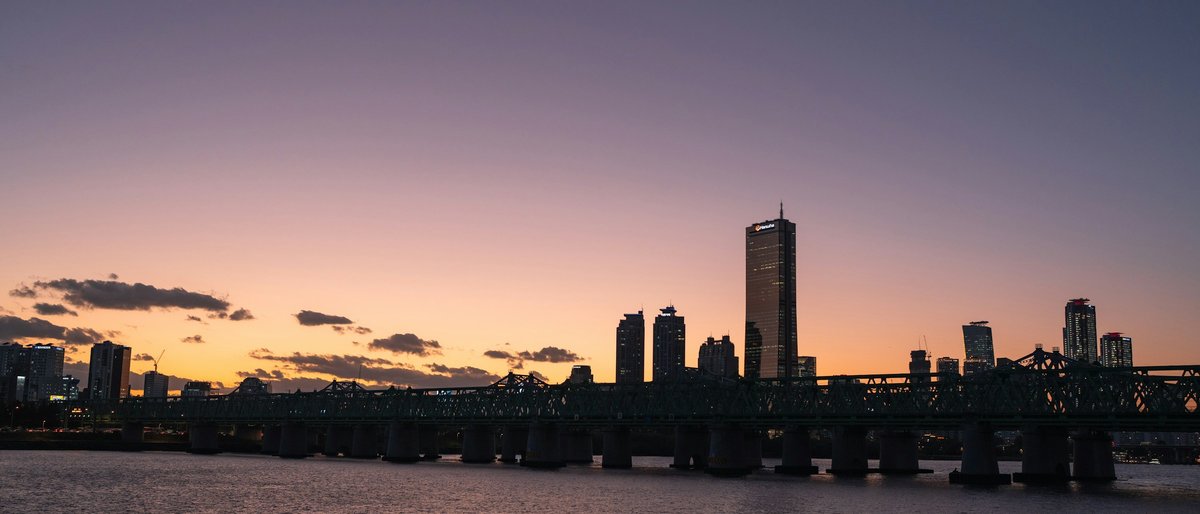
The humidity is what the temperature reading doesn't capture. At 75% average, 27°C on your weather app feels closer to 32°C on your skin. A 10-minute walk from Anguk Station to Ikseon-dong's hanok cafes leaves you damp before you sit down for iced tea. That said, Seoul in early summer has a particular energy. The Han River parks fill after 7pm, with delivery scooters carrying fried chicken to families on picnic mats near the Yeouido waterfront. Sunset doesn't come until 7:48pm in mid-June. If you're the sort of traveler who pivots from a mountain trail to an afternoon browsing ceramics at the Leeum Museum without complaint, June rewards that flexibility. If you need reliable sunshine, April and October are stronger months.
Why visit in June
- Early June often delivers warm, green days before monsoon rains settle in. Namsan Mountain and Bukhansan's lower trails look their best in fresh summer foliage
- Hotel rates sit 10-20% below the autumn peak, with solid mid-range options in Jongno-gu and Mapo-gu running lower than the October rush
- Longer daylight hours (sunrise before 5:30am, sunset after 7:45pm) give you more time for evening walks along Cheonggyecheon Stream and the Han River parks
- Seasonal Korean fruits (cherries, plums, and early peaches) appear at Gwangjang and Gyeongdong markets, and cold noodle dishes like naengmyeon and kongguksu hit peak form across the city
Worth knowing
- Jangma (monsoon) typically begins mid-to-late June, bringing multi-day stretches of steady rain and overcast skies that can derail outdoor plans entirely
- Humidity at 75% makes the 27°C temperatures feel considerably hotter, and the air can feel heavy even in the shade: expect to sweat through shirts quickly
- Air quality tends to worsen in early summer, with fine dust (미세먼지) episodes still possible before the monsoon rains clear the air
- Outdoor attractions like Bukhansan hiking trails become slippery and sometimes close during heavy rainfall periods
Best for
Think twice if
June brings Seoul's transition into summer monsoon territory. The first week or two can still feel like late spring. Warm days, occasional breezes, scattered afternoon showers that clear by evening. By mid-month, the jangma front typically moves in. It brings prolonged overcast periods and sustained rainfall that can last several consecutive days. Temperatures sit around 27°C (81°F) during the day and drop to about 18°C (64°F) at night, but 75% humidity makes everything feel warmer and stickier than the numbers suggest. Seoul gets roughly 169mm of rain spread across 12 days in June, though a 'rainy day' can mean anything from a light morning drizzle to a 50mm downpour that floods the Cheonggyecheon Stream walkway.
Seasonal caution
- Jangma (monsoon) season typically begins mid-to-late June, bringing sustained rainfall that can exceed 50mm in a single day. Flash flooding occurs occasionally in low-lying areas near the Han River and in older neighborhoods with poor drainage.
- Fine dust (미세먼지/PM2.5) episodes are still possible in early June before monsoon rains clear the air. Check the AirKorea app daily and consider an N95-equivalent mask if levels spike above 'bad' (나쁨).
- Sudden temperature swings of 8-10°C between sunny and rainy stretches are common: a warm morning can turn into a cool, damp afternoon quickly.
Year-round climate
Averages from the last 5 years.
| Month | Avg high (°C) | Avg low (°C) | Rainfall (mm) |
|---|---|---|---|
| Jan | 2 | -7 | 19 |
| Feb | 5 | -5 | 17 |
| Mar | 12 | 1 | 58 |
| Apr | 18 | 7 | 74 |
| May | 22 | 12 | 126 |
| Jun | 27 | 18 | 169 |
| Jul | 30 | 23 | 305 |
| Aug | 29 | 23 | 289 |
| Sep | 26 | 18 | 215 |
| Oct | 19 | 10 | 104 |
| Nov | 12 | 2 | 56 |
| Dec | 3 | -5 | 30 |
Holidays and festivals in June
Public holidays
- Memorial Day(현충일)6 June 2027
Best things to do in June
Evening walks along the Banpo Hangang Park
outdoorThe Banpo Bridge Rainbow Fountain runs its light-and-water show from April through October, but June's warm evenings and extended daylight make this the sweet spot for catching it. The fountain shoots water from both sides of the bridge in choreographed patterns. Locals spread mats on the grass, order fried chicken delivery to the park, and settle in for the evening. The smell of grilled corn from the vendors mixes with the river breeze.
Warm enough for comfortable evening outdoor lounging, the fountain is running, and daylight extends past 7:45pm; you get the show at dusk rather than in full darknessBooking tipNo booking needed. The fountain typically runs several times per evening on weekends. Check the Hangang Park website for exact schedules as they shift slightly each year.
Bukchon Hanok Village in the rain
culturalThis sounds counterintuitive, but the traditional hanok neighborhood between Gyeongbokgung and Changdeokgung is more atmospheric in light rain than in sunshine. The grey clay tiles on the rooftops darken to near-black. Stone alleys that are dry and dusty in April become reflective, catching the silhouettes of the wooden eaves above. The selfie crowds that pack these 600-year-old lanes in October thin to a handful of locals with umbrellas. You can hear your own footsteps on the wet stone. Damp wood from the older hanok gates carries a faint cedar-like smell. Walk the Gahoe-dong stretch between Bukchon 5-gil and 6-gil for the classic downhill view toward Namsan Tower, which appears and disappears through the low cloud.
June's intermittent rain clears out the selfie crowds that pack these narrow alleys in October, and the wet stone and tile create a moodier, more photogenic sceneBooking tipGo on a weekday morning for the emptiest streets. Residents live here and have posted quiet-hours signs. Respect them.
Gwangjang Market seasonal food crawl
foodKorea's oldest permanent market has been running since 1905, and it's good year-round. June transforms the menu, though. Vendors swap in cold dishes alongside their perennial favorites. You'll find bowls of konguksu at stalls where the ajumma hand-cranks fresh noodles to order, mul-naengmyeon with ice crystals floating in the broth, and bags of fresh maesil plums sold by the kilogram for home syrup. The covered sections of the market mean monsoon days don't matter. What hits you first is the sound. Vendors calling out orders, the sizzle of bindaetteok hitting hot oil, metal bowls clanging. Then the smell of roasting sesame and simmering broth.
Summer menu changeover brings cold noodle dishes and seasonal fruits that aren't available the rest of the year. The covered market is rain-proof, so it works on any monsoon day.Booking tipArrive before 11am on weekdays to beat lunch crowds. The bindaetteok (mung bean pancake) stalls near the east entrance have the shortest waits early.
Changdeokgung Secret Garden (Huwon) tour
culturalThe rear garden of Changdeokgung Palace is at its greenest in June. The lotus ponds, 300-year-old trees, and pavilions draped in summer foliage feel transported from a Joseon-era painting. The garden is only accessible by guided tour (90 minutes), which keeps crowd density manageable even on weekends. After a rain shower, the scent of wet earth and pine lingers along the gravel paths. Lotus flowers in the Buyongji pond typically begin opening in late June.
Peak foliage density. The garden canopy is fully leafed out, creating deep shade that helps in the humidity. Lotus flowers in the Buyongji pond typically begin blooming in late June.Booking tipTours book out on weekends. Reserve online through the Cultural Heritage Administration website at least 3-4 days ahead. The English-language tour runs a few times daily.
Nighttime palace openings at Gyeongbokgung
culturalGyeongbokgung Palace runs special evening openings in late spring and summer. You walk the illuminated grounds after dark, when the heat and humidity have eased to around 20-22°C. The Gyeonghoeru Pavilion sits above its surrounding lotus pond. Under warm artificial lighting, the reflection in the still water is the image most visitors photograph from the evening. The crowds are smaller than the daytime crush, and the slower pace makes it easier to notice details in the painted eaves and carved stonework.
Evening openings align with June's longer days and warm nights. The temperature drops to around 20-22°C after dark, which is pleasant compared to the sticky daytime conditions.Booking tipTickets sell out within minutes of release. Set a reminder for the booking window. Dates are announced on the palace's official site a few weeks in advance. Hanbok rental nearby gets you free regular admission, but evening events have separate ticketing.
Namsan Tower at dusk
outdoorThe hike up Namsan Mountain takes about 30-40 minutes from the Hoehyeon or Myeongdong-side base. In June, the forest canopy is thick enough to shade the entire trail, and you can smell the pine trees the whole way up. The view from the top at dusk, when Seoul's lights start appearing across the basin, is worth the sweat. On clear June evenings, you can see the Han River bridges lit up to the south and the peaks of Bukhansan to the north.
Extended daylight means you can start the hike at 6pm and still reach the top before sunset. The green canopy provides shade that doesn't exist in winter months, and the warm evening air makes the outdoor observation deck comfortable.Booking tipSkip the cable car if you're reasonably fit. The walk through the forest is the best part. If you do take the cable car, weekday evenings have shorter queues than weekends.
Noryangjin Fish Market early morning visit
foodSeoul's largest fish market is a year-round operation, but summer months bring seasonal catches. The market floor is wet, loud, and chaotic at 6am. Vendors shout prices, tanks of live octopus and abalone bubble, and the cold air from the refrigeration units hits you like a wall after the humid street outside. You pick your fish downstairs and the upstairs restaurants prepare it sashimi-style. The combination of choosing your own seafood and eating it 10 minutes later is uniquely Seoul.
Summer brings seasonal catches including jeonbok (abalone) and specific varieties of seasonal squid. The indoor, climate-controlled market is also a practical escape from humid weather.Booking tipGo before 8am for the fullest selection. The upstairs restaurants charge a preparation fee on top of whatever you buy downstairs. This is standard practice, not a tourist markup.
What to eat in June
In season: fruit
Korean cherries (체리)
Domestic Korean cherries appear at markets in June, smaller and more tart than the imported Californian and Chilean varieties sold at Emart and Costco Korea year-round. You'll spot them at Gwangjang Market and Noryangjin, often in clear plastic boxes. Peak season runs about 3 weeks, and they tend to sell out early at weekend markets.
On menus now
Mul-naengmyeon (물냉면)
Seoul lives on this dish once the humidity arrives. Cold buckwheat noodles sit in an icy beef broth that should have a thin layer of ice crystals on top when served. Restaurants like Woo Lae Oak and Eulji Myeonok in the Euljiro area have been making it since the 1950s. June is when the lines start forming outside, and the first slurp of that freezing broth on a 30°C afternoon makes the wait make sense.
Patbingsu (팥빙수)
Shaved ice with sweet red bean paste, chewy rice cakes, and condensed milk. Every cafe and dessert shop in Seoul rolls out seasonal versions in June. The trendy spots pile on mango, strawberry, and matcha, but the traditional style with red bean and shaved ice at older dessert shops in Jongno is worth trying first. Properly shaved milk-ice should be almost snow-like, melting on your tongue.
Kongguksu (콩국수)
A summer staple that appears on Seoul menus in June and disappears by September. Cold wheat noodles sit in chilled soy milk broth, creamy, nutty, and served at near-freezing temperature. On a humid 30°C Seoul afternoon, the first cold sip makes immediate sense. Slightly sweet, slightly savory, thick enough to coat the noodles. Look for restaurants advertising 국산콩 (domestic soybeans) for richer flavor.
What to drink
Maesil-cheong (매실청)
Green plum syrup that Korean households make every June when maesil plums have their brief season. You'll see bags of green plums piled high at traditional markets, especially Gyeongdong Market in Dongdaemun. Mix the syrup with sparkling water for a sharp, sweet-sour drink that cuts through the humidity. Many restaurants offer maesil-ade as a seasonal item, and the tart, almost citric flavor pairs well with grilled meat.
Regular events in June
Seoul Queer Culture FestivalFree
Korea's largest LGBTQ+ pride event, typically held in and around Seoul Plaza near City Hall. Includes a parade, performances, and booths from advocacy organizations. The event has grown considerably over the past decade despite ongoing social tensions around LGBTQ+ rights in Korea.
Usually a Saturday in mid-June, though exact dates shift yearlyDano Festival (단오)Free
A traditional Korean holiday tied to the 5th day of the 5th lunar month, which usually lands in June. Namsangol Hanok Village typically hosts traditional games, ssireum (Korean wrestling), and women washing their hair in iris-infused water following old customs. It's low-key but interesting if you catch it.
Varies by lunar calendar: typically early-to-mid JuneSeoul International Book Fair
The COEX convention center in Gangnam hosts Korea's largest book event, with publishers, author signings, and discounted sales. Most signage and books are in Korean, but there's usually an international section worth browsing for Korean literature in translation.
Mid-June, typically spanning 5-6 daysYeon Deung Hoe (Lotus Lantern Festival): tail endFree
The main lantern parade happens in May around Buddha's birthday, but some temples continue displaying elaborate lantern installations into early June. Jogyesa Temple in Jongno keeps its courtyard lanterns up for a stretch, and the soft glow against the summer greenery is worth a detour if you're in the area.
Early June (residual from late May celebrations)Best places this June
Cheonggyecheon Stream
parkThis restored urban stream runs 10.9 km through central Seoul, and it feels noticeably cooler along the walking path in June. The water drops the air temperature by 3-4°C compared to the street level above. Willows and landscaped banks are at peak green. After a monsoon downpour, the stream's flow picks up and the sound of water rushing over the stone weirs becomes audible from the Gwanggyo Bridge sidewalk. In the evenings, office workers gather along the stream's edge near the Cheonggye Plaza starting point. The illuminated water features cast reflections on the stone retaining walls after dark.
Jongno-guIkseon-dong Hanok Alley
neighborhoodA tight cluster of 1920s-era hanok houses in Jongno-gu, renovated into cafes, galleries, and small shops. Ikseon-dong is Seoul's best wet-day pivot point. When monsoon rain sets in, the narrow alleys (some barely 2 meters wide) provide enough cover from the wooden eaves that you can hop between cafes without getting soaked. The hanok cafes serve iced persimmon tea, seasonal fruit drinks, and pour-over coffee in rooms where you sit on floor cushions. On a rainy afternoon, watching water bead on the courtyard stones through a hanok window is the kind of unplanned Seoul moment that sticks. Less tourist-saturated than Bukchon, more interesting for a slow afternoon.
Jongno-guSeonyudo Park
parkA former water treatment plant on a Han River island, now an ecological park. The industrial ruins overgrown with June greenery have a raw, almost post-apocalyptic quality. Concrete columns wrapped in ivy, moss-covered filtration pools turned into lotus ponds. Far fewer visitors than Yeouido Hangang Park across the water. The water garden sections with aquatic plants reach peak density this month.
Yeongdeungpo-guBukhansan National Park (lower trails only)
natureThe lower, forested trails of Bukhansan are manageable in June if you start early, before 7am, while the air is still cool. The streams running down the mountain are at strong flow from seasonal rains, and the forest canopy keeps temperatures 5-6°C cooler than the city floor below. Birdsong is noticeably louder in the green canopy than during the bare-branch winter months. Stick to well-maintained paths and check the Korea National Park Service website for closures. The rocky upper routes above the treeline become dangerously slippery in rain.
Gangbuk-gu / Eunpyeong-guTongin Market
marketA traditional market in the Seochon neighborhood near Gyeongbokgung. You buy a lunch box set (about 5,000 won) with brass yeopjeon coins to trade at different stalls for tteokbokki, japchae, jeon, and whatever catches your eye. In June, cold noodles and fresh plums appear on the seasonal menu boards. It feels more like a neighborhood market than a tourist attraction, and the Seochon hanok streets around it are worth 30 minutes of wandering.
Jongno-guLeeum Museum of Art
museumSamsung's private art museum in Hannam-dong houses both traditional Korean ceramics and contemporary installations. The building itself was designed by three architects (Mario Botta, Jean Nouvel, and Rem Koolhaas), each handling a separate section. The ceramics collection on the upper floors is quieter than the contemporary wing and often overlooked. A reliable rain-day option, and weekday mornings tend to be uncrowded.
Yongsan-guMangwon Market and Mangwon Hangang Park
market / parkMangwon Market is the local's alternative to Gwangjang. Smaller, cheaper, and full of Mapo-gu residents buying dinner ingredients rather than tourists. Walk through for tteok (rice cakes), fresh fruit, and street snacks, then cross the road to Mangwon Hangang Park for a riverside sit. The combination works well on warm June evenings when the sun starts dropping over the Han River around 7:30pm.
Mapo-gu
Your packing checklist
Tick items off as you pack. Your progress saves in this browser.
All packed — have a great trip.
Insider tips
Download the Kakao Map app before you arrive. Google Maps works in Seoul but its bus and walking directions are noticeably less reliable than Kakao's. Naver Map is the other strong option. Both show real-time subway arrivals and bus locations that Google frequently gets wrong in Seoul.
The T-money transit card works on buses, subways, taxis, and even some convenience store purchases. Load it at any subway station machine. It saves about 100 won per trip over cash fares, but the real value is not fumbling for change on a packed bus in the rain.
If you're ordering naengmyeon, look for restaurants that specify 100% buckwheat noodles (메밀) rather than starch blends. The Euljiro and Mugyo-dong area east of Gwanghwamun has several restaurants making cold noodles since the 1950s. The texture difference is real. Buckwheat noodles have a slight graininess and clean snap that the starchier versions lack.
Korean convenience stores (GS25, CU, 7-Eleven) are worth taking seriously for budget eating. The triangle kimbap, cup ramyeon with the hot water stations, and seasonal iced drinks are not tourist fallbacks. Koreans at every income level eat at convenience stores regularly. The egg sandwiches at CU are weirdly good. Budget about 2,000-3,000 won per meal.
Temple stays run at several temples in and around Seoul. Jogyesa in central Jongno has programs, but the temples on the hillsides offer quieter overnight experiences with dawn ceremonies. Gilsangsa in Seongbuk-dong is one of the more accessible options. Book through templestay.com at least a week ahead. The predawn wake-up (around 4am) and the stillness of eating temple food in silence are a sharp contrast to the Gangnam neon you left behind.
The Seochon neighborhood west of Gyeongbokgung is Bukchon's quieter counterpart. The hanok streets around Tongin Market feel residential, and the cafe scene along the Jahamun-ro area skews toward locals rather than tourists. On a rainy June afternoon, the bookshops and small galleries on the hillside roads above Tongin Market make a better 2-3 hour loop than fighting umbrella traffic in Myeongdong. Suseong-dong Valley at the top of the neighborhood has a stream-side walking path that's noticeably cooler than the city below.
Avoid these mistakes
- Planning a full outdoor itinerary without rain contingencies: June in Seoul requires a Plan B for every day. Have a list of museums, covered markets, and indoor activities ready. The National Museum of Korea alone can fill half a rainy day.
- Scheduling Bukhansan or other mountain hikes without checking weather forecasts the morning of: trails close during heavy rain, and the rocky terrain above the treeline becomes dangerous when wet. Korean hiking culture is serious about safety; follow the posted warnings.
- Wearing jeans in June humidity: denim holds moisture, takes hours to dry, and chafes in the heat. You'll see tourists in Myeongdong visibly suffering in heavy denim while locals wear loose cotton or linen. Lightweight pants or shorts are far more practical.
- Assuming all restaurants have English menus: outside of Itaewon, Myeongdong, and major tourist zones, menus are frequently Korean-only. Having a translation app with camera function (Papago is the best for Korean) ready on your phone saves awkward pointing.
Practical tips for June
Book accommodation with guaranteed air conditioning and confirm it works before you settle in. Some older guesthouses and hanok stays rely on fans, which won't cut it in late June humidity. The Seoul Metro runs roughly 5:30am to midnight, and the system is extensive enough that you rarely need taxis during the day. Consider buying an all-day metro pass if you're covering multiple neighborhoods. Most palaces close on either Monday or Tuesday, so check the specific day before trekking across the city. Gyeongbokgung closes Tuesdays. Changdeokgung closes Mondays. Restaurant hours tend to run later than Western norms; many Korean restaurants don't open until 11am or later, and dinner service goes to 10pm or beyond. Tipping is not customary and can cause confusion. Convenience stores are open 24/7 and stock rain gear, phone chargers, snacks, and basic medication. Mind you, the Jongno area (Gyeongbokgung, Bukchon, Ikseon-dong, Gwangjang Market) is walkable in a single day if you plan around the rain, but Gangnam and Hongdae require separate metro trips.
FAQ
Is June a good time to visit Seoul?
Depends on your tolerance for humidity and flexible planning. Early June can deliver 5-6 pleasant days with 27°C warmth and green mountainsides before jangma moves in. Once the monsoon settles (usually mid-month), you're working around multi-day rain stretches. The tradeoff is real, though. Rainy-day Seoul has its own rhythm. Ikseon-dong's hanok cafes and Gwangjang Market's covered food stalls move from backup plans to the main event. The crowds are thinner than October's leaf-peeping peak, and hotel rates sit 10-20% lower. For more predictable conditions, October and April tend to be the safest picks. June sits at roughly 7th out of 12 months for visiting.
What is the weather like in Seoul in June?
Warm and humid, trending toward wet. Highs around 27°C (81°F), lows near 18°C (64°F), with humidity averaging about 75%. Seoul receives roughly 169mm of rainfall across 12 days in June. Before jangma arrives, rain tends to come as scattered afternoon showers. You might be walking through Insadong, feel drops, duck under an awning for 15 minutes, and carry on. Once the monsoon front settles in (typically the second or third week), the pattern shifts to sustained overcast skies and heavier downpours. A single storm can drop 50mm in a few hours. The air stays thick and warm even at night, and the mugginess tends to build through the month.
Is Seoul crowded in June?
Medium. June falls between the spring cherry blossom peak (late March through April) and the Korean summer holiday period starting in late July. Popular spots like Gyeongbokgung and Myeongdong still draw visitors, but you won't face the dense October foliage crowds. Worth noting, rainy days thin out outdoor attractions considerably. You might have the Bukchon alleyways nearly to yourself on a drizzly Tuesday morning, which never happens in autumn. Indoor spots like the National Museum of Korea and COEX Mall stay busy regardless of weather.
What should I wear in Seoul in June?
Light, breathable fabrics. Cotton and linen work well for daily walking, though moisture-wicking shirts dry faster after you've sweated through them on the Namsan hillside trail. Shorts and t-shirts work for most contexts. You'll want covered shoulders for temple visits at Jogyesa or Gilsangsa. A light cardigan is essential for the gap between outdoor heat and indoor cold. Seoul's subway cars and department stores like Lotte in Myeongdong can drop to 18°C while the street sits at 30°C. Waterproof shoes or sandals with grip are more practical than leather or canvas sneakers. Koreans tend to dress relatively smartly even in summer, but there's no strict dress code for tourists.
Does it rain every day in Seoul in June?
Not every day, but close to every other day on average. Seoul sees roughly 12 out of 30 days with measurable rain in June. The pattern matters more than the count, though. Before the monsoon arrives (usually early-to-mid June), rain comes as scattered afternoon showers. You'll be walking the Cheonggyecheon Stream path, catch 20 minutes of drizzle, and it clears. Once jangma sets in, the pattern shifts to 3 or 4 consecutive days of steady grey rain, then a 2-day dry break with sudden humidity. It's less about daily rain and more about multi-day wet stretches interspersed with clearer periods.
Things to Do in Seoul in June
 Free cancellation
 Best DMZ Tour Korea from Seoul (Suspension Bridge & JSA Museum)
Day trip: free cancellation.
via Viator Free cancellation
 Best DMZ Tour Seoul: Defector Q&A, 3rd Tunnel & Suspension Bridge
Day trip: free cancellation.
via Viator Free cancellation
 DMZ Tour: Defector Q&A, Tunnel & Suspension Bridge /Hotel pick up
Day trip: 7 hours, free cancellation.
via Viator Free cancellation
 DMZ: NK Defector, 3rd Tunnel, Suspension Bridge, Hotel Pick-up
Day trip: 7 hours, free cancellation.
via Viator Free cancellation
 DMZ tour from Seoul; North Korean Defector Meet up & 3rd Tunnel
Day trip: 6.5 hours, free cancellation.
via Viator Free cancellation
 DMZ Tour from Seoul: 3rd Tunnel, Dora Observatory & Defector Talk
Day trip: free cancellation.
via ViatorFind a flight to Seoul
Live fares to Seoul appear here once cookies are accepted.
Last verified by automated review (v1.7.2) on . What is automated review?