Stay in Seoul in September
104 hotels in the Trip.com pool for Seoul, from US$17 a night.
Opens Trip.com on Fri 25 Sep to Sun 27 Sep 2026; change the dates there.
September in Seoul is the tail end of monsoon season, and that's the single most important thing you need to know before booking. The city still gets around 215mm of rain spread across roughly 11 days, which means you're going to encounter some serious downpours, not drizzle, but the kind of rain that sends everyone ducking into the nearest convenience store for a cheap umbrella. Daytime temperatures hover around 26°C (79°F) and nights drop to a comfortable 18°C (65°F), so the brutal summer humidity is finally starting to loosen its grip. By the second half of the month, you can feel the shift. The air gets a little crisper, the sky clears more often, and the city starts to breathe again after months of heat and rain.
That said, September is a month of transition rather than a destination month. You're caught between the sticky, rain-heavy summer and the spectacular autumn that arrives in October and November. The first two weeks tend to feel like summer's last stand: warm, humid, punctuated by heavy showers. The back half of September, though, can deliver some pleasant days with blue skies and comfortable warmth. If your schedule is flexible, aim for late September. You'll catch the city in that brief sweet spot before the autumn crowds arrive but after the worst of the monsoon has passed.
Is it a bad time to visit? Not really. But it's not the best either. You're essentially gambling on weather that could go either way on any given day. The upside is that Seoul is noticeably less packed than it will be in October, hotel prices are reasonable, and the food scene doesn't have an off-season. Mind you, if you're someone who needs predictable sunshine for outdoor sightseeing, you might want to wait a month.
Why visit in September
- Chuseok (Korean Thanksgiving) falls in September most years, offering a rare window into traditional Korean family culture: palace ceremonies, folk games, and special foods appear across the city
- Late September brings noticeably cooler, drier weather compared to the preceding three months, with some days feeling like early autumn
- Hotel rates sit below the October-November autumn peak, typically 15-25% cheaper than what you'd pay six weeks later
- Crowds thin out compared to summer vacation season: popular palaces and hiking trails feel less congested on weekdays
- Seasonal Korean pears, grapes, and persimmons hit markets at peak ripeness, and the food quality at traditional markets reflects it
Worth knowing
- 215mm of rainfall across roughly 11 days means you will get rained on, likely more than once, and some downpours can be torrential
- Humidity still sits around 80%, which makes even 26°C feel heavier than it sounds: the muggy afternoons can wear you down
- Typhoon season is still active through September, and while direct hits on Seoul are uncommon, near-misses can bring days of grey skies and heavy wind-driven rain
- If Chuseok lands during your visit, many smaller restaurants and shops close for 3-5 days as owners travel to their hometowns: the city feels oddly quiet
Best for
Think twice if
September sits in the final stretch of Seoul's monsoon, so expect warm days with persistent humidity and regular rain. The first half of the month tends to feel like a soggy extension of summer: overcast mornings that build into afternoon downpours, with that thick, sticky air that clings to your skin. By mid-month, things typically start shifting. You'll notice mornings getting cooler, the humidity dropping a few points, and the rain becoming less frequent. Late September can surprise you with crisp, clear days that hint at the autumn to come. That said, the 80% average humidity means even on dry days, the air carries weight. It's not the oppressive wall of heat you'd have faced in July or August, but it's a long way from the dry, sharp autumn air of October.
Seasonal caution
- Typhoon season remains active through September, while Seoul rarely takes a direct hit, tropical storms passing through the Korean Peninsula can bring 2-3 days of sustained heavy rain and strong winds with little advance warning
- Flash flooding occasionally affects low-lying areas near the Han River and some subway stations during extreme downpours: check Korea Meteorological Administration alerts during heavy rain days
- The combination of 215mm rainfall and aging urban drainage means some streets and underpasses in older neighborhoods can flood temporarily during intense storms
Year-round climate
Averages from the last 5 years.
| Month | Avg high (°C) | Avg low (°C) | Rainfall (mm) |
|---|---|---|---|
| Jan | 2 | -7 | 19 |
| Feb | 5 | -5 | 17 |
| Mar | 12 | 1 | 58 |
| Apr | 18 | 7 | 74 |
| May | 22 | 12 | 126 |
| Jun | 27 | 18 | 169 |
| Jul | 30 | 23 | 305 |
| Aug | 29 | 23 | 289 |
| Sep | 26 | 18 | 215 |
| Oct | 19 | 10 | 104 |
| Nov | 12 | 2 | 56 |
| Dec | 3 | -5 | 30 |
Holidays and festivals in September
Public holidays
- Chuseok(추석)26 September 2026
Headline events
Chuseok (Korean Thanksgiving)
Varies yearly based on lunar calendar, usually mid-to-late September or early October (3-day official holiday, often extended to 5+ days with weekends)
Korea's most significant family holiday, a three-day celebration centered on ancestral rites, harvest gratitude, and homecoming. In Seoul, the major palaces (Gyeongbokgung, Changdeokgung, Deoksugung) host free traditional performances, folk games, and ceremonial reenactments. Streets empty as millions travel to ancestral hometowns, giving Seoul an almost eerie calm. For visitors, it's a rare chance to see traditional Korean culture performed earnestly rather than staged for tourists. The trade-off: many restaurants and shops close, and train tickets sell out weeks in advance.
Best things to do in September
Palace visits during Chuseok
cultureThe five grand palaces open their gates for free during Chuseok and host traditional performances: court dances, martial arts demonstrations, and folk games on the palace grounds. Gyeongbokgung's changing of the guard ceremony takes on extra significance, and you might catch traditional music echoing off the pavilion walls. The empty streets around the palaces make for an unusually peaceful experience.
Chuseok brings free palace admission and traditional cultural programs that don't happen during regular months: the performances are genuine celebrations, not tourist shows.Booking tipNo booking needed for palace grounds. Arrive before 10am to experience the ceremonies with smaller crowds, as domestic tourists who stayed in Seoul tend to visit mid-morning.
Bukhansan National Park hiking (late September)
outdoorsThe trails up Bukhansan start to feel different in late September: cooler air, thinner crowds, and the earliest hints of color on the lower slopes. The Bukhansanseong course offers fortress wall ruins and city views without the punishing summer heat. You'll still sweat on the steeper sections, but the ridge walk with Seoul spread out below you in slightly hazy autumn light is the kind of thing you remember.
Temperatures dropping from summer highs make the steep trails bearable again, and early September crowds thin out after Korean schools resume. Late September can offer the first touches of fall color.Booking tipCheck weather the morning of: the park service closes trails during heavy rain. Weekday mornings are noticeably less crowded than weekends. No booking needed, just show up at the trailhead.
Hangang River parks evening walks
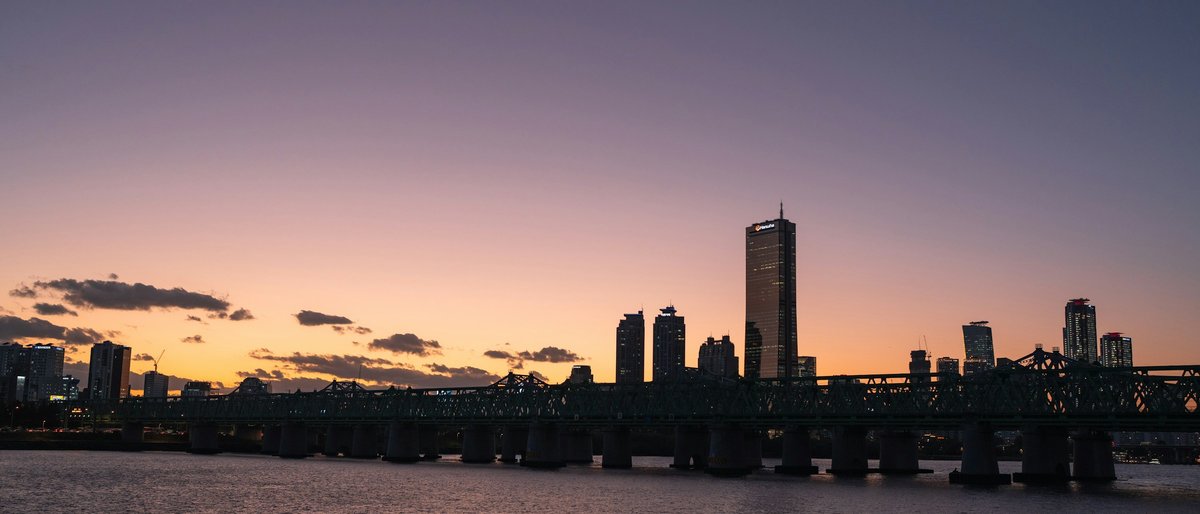
leisureAs the suffocating summer heat breaks, the riverside parks along the Han come alive in the evenings again. Locals spread out on mats with fried chicken and beer (chimaek), kids ride bikes along the paths, and the city skyline reflects off the water. Yeouido Hangang Park and Banpo Hangang Park are the most popular stretches. The Banpo Bridge Rainbow Fountain runs its light show most evenings through September.
Evening temperatures dropping to around 18-20°C (64-68°F) make riverside hangouts comfortable again after months where the heat kept people indoors even at night.Booking tipOrder fried chicken delivery to the park through Korean delivery apps (Baedal Minjok or Yogiyo): locals do this constantly and it's part of the experience. Bring a mat to sit on.
Traditional market food crawls
foodSeptember's food markets are loaded with Chuseok preparations: stalls piled high with songpyeon, seasonal fruit gift towers, stacks of dried fish, and holiday ingredients. Gwangjang Market, Namdaemun Market, and Tongin Market each have a different character. Gwangjang is the most photogenic and tourist-accessible. Namdaemun is more chaotic and wholesale-oriented. Tongin lets you use old brass coins to pick dishes from different stalls.
Chuseok preparations fill the markets with seasonal specialties and festival foods you won't find the rest of the year. The energy in the week before the holiday is palpable.Booking tipGo on weekday mornings for the best selection and fewest crowds. Some stalls close during the Chuseok holiday itself, so time your visit for the week before.
Hanbok wearing at palaces
cultureWearing a hanbok (traditional Korean dress) gets you free entry to the major palaces year-round, but September's milder weather makes it far more comfortable than summer. Rental shops line the streets around Gyeongbokgung and Changdeokgung, and you'll see crowds of both Korean and international visitors wandering the palace grounds in full traditional dress. It sounds gimmicky, but the palace architecture and courtyards look better framed by the clothing they were designed alongside.
Cooler temperatures mean wearing layers of traditional clothing isn't the sweaty ordeal it is in July and August. Chuseok season also means some rental shops offer special holiday-themed hanbok designs.Booking tipSkip the shops directly facing palace gates: they charge more. Walk one or two streets back for the same quality at lower prices. Rental is typically by the hour.
Day trip to Suwon Hwaseong Fortress
day_tripThe 18th-century UNESCO fortress in Suwon, about an hour south of Seoul by subway, is a impressive walk: nearly 6 kilometers of wall with guard towers, gates, and observation points overlooking the city. September's lower temperatures make the full circuit feasible without heat exhaustion. The surrounding traditional market area has some of the best galbi (grilled short rib) restaurants in the greater Seoul area.
Summer heat makes the exposed fortress wall walk punishing. September's cooler temperatures and thinner crowds make the full circuit enjoyable rather than endurance-based.Booking tipTake subway Line 1 to Suwon Station: it's long but straightforward. The Suwon galbi restaurants near the fortress north gate tend to fill up at lunch on weekends, so arrive by 11:30 or go on a weekday.
Changdeokgung Secret Garden moonlight tour
cultureChangdeokgung's Huwon (rear garden) runs special limited-entry nighttime tours in autumn, and September sometimes catches the early sessions. Walking through the 300-year-old garden with its lotus ponds, pavilions, and ancient trees under lantern light, with far fewer people than the daytime tours allow, is one of Seoul's more atmospheric experiences. The garden was designed for Korean kings to escape the formality of court life, and at night you can almost feel why.
Autumn moonlight tours typically begin in September or October, offering a rare chance to see the garden at night before the peak autumn crowds discover it.Booking tipTickets sell out quickly: sometimes within hours of release. Check the Cultural Heritage Administration website starting in August for release dates. Book the moment tickets go live.
What to eat in September
In season: fruit
Korean pears (배, bae)
September is when Korean pears (those massive, round, crisp ones that are nothing like Western pears) hit their stride. Juicy, slightly sweet, with a clean crunch that's closer to an apple. You'll see them stacked in elaborate gift boxes outside every fruit shop, since they're a traditional Chuseok gift. Grab one from any market stall and eat it like you would an apple. refreshing on a humid afternoon.
Campbell Early grapes (캠벨 포도)
These small, intensely sweet Korean grapes peak in September. They've got seeds and thick skins that most people spit out, but the flesh has a concentrated sweetness that supermarket grapes can't touch. Street vendors sell them in small bags near subway exits, and they're everywhere at Noryangjin and Garak wholesale markets for a fraction of the convenience store price.
On menus now
Galbijjim (갈비찜)
Braised short ribs in a sweet soy sauce with chestnuts, jujubes, and carrots: a Chuseok feast dish that appears on restaurant menus throughout September. The ribs are cooked until they nearly fall apart, and the sauce is rich without being heavy. It's a dish that straddles the line between summer comfort and autumn warmth. Restaurants in Jongno and Mapo districts tend to do good versions.
Japchae (잡채)
Glass noodles stir-fried with vegetables and beef in sesame oil: a staple at every Korean holiday table. September means Chuseok prep, and japchae production goes into overdrive at traditional markets. The holiday version tends to be more elaborate than the everyday kind, with more vegetables and better cuts of beef. Gwangjang Market vendors make it fresh throughout the day.
Hobakjuk (호박죽)
Sweet pumpkin porridge made from kabocha squash that starts appearing in September as the first autumn squash comes to market. It's creamy, mildly sweet, served warm with small rice cake balls floating in it. On a cooler late-September morning, a bowl of this from a traditional porridge restaurant in Insadong hits differently than any café latte.
Festival food
Songpyeon (송편)
Half-moon shaped rice cakes stuffed with sesame seeds, sweet red bean, or chestnut: the defining food of Chuseok. Families make them together the night before the holiday, and the smell of pine-steamed rice cake drifting through apartment corridors is one of those distinctly September-in-Korea moments. You'll find them at every bakery, convenience store, and traditional market, but the handmade ones at Gwangjang Market or Tongin Market are worth seeking out.
Regular events in September
Seoul Drum FestivalFree
An annual percussion festival held in the streets around COEX and various outdoor venues, featuring Korean traditional drumming (samulnori), international percussion groups, and interactive workshops where you can try playing janggu drums yourself. The rhythms of Korean traditional drumming are hypnotic once you hear them performed well.
Late September to early OctoberSeoul Fashion Week
Korea's biggest fashion event takes over Dongdaemun Design Plaza (DDP) with runway shows, designer exhibitions, and street style photography that draws fashion press from across Asia. Even if you don't attend shows, the people-watching around DDP during fashion week is its own spectacle: Korean street fashion is inventive in ways that reward just sitting on the steps and observing.
Mid-to-late SeptemberChuseok palace cultural programsFree
The five grand palaces host multi-day programs during Chuseok with traditional music performances, folk game demonstrations (like yutnori and ssireum wrestling), and hands-on crafts. Each palace runs slightly different programming. It's government-funded and well-organized, and aimed at both Korean families and international visitors.
Chuseok holiday period (varies by year)Seoul Bamdokkaebi Night MarketFree
Weekend night markets pop up along the Han River with food trucks, handmade crafts, and live performances. The Yeouido and Banpo locations are the most popular. Food trucks serve creative Korean fusion dishes: things like tteokbokki burritos and kimchi quesadillas alongside more traditional options. The vibe is relaxed and distinctly local.
Weekends throughout September, typically Friday and Saturday eveningsKorea International Art Fair (KIAF)
Seoul's premier contemporary art fair at COEX brings together Korean and international galleries. Korea's contemporary art scene has grown enormously in recent years, and KIAF is where you see the commercial side of it: ranging from blue-chip galleries to emerging Korean artists. Worth a visit even if you're not buying.
Early to mid-SeptemberBest places this September
Bukchon Hanok Village
neighborhoodThe traditional hanok neighborhood between Gyeongbokgung and Changdeokgung is more pleasant to explore in September's cooler weather than in summer's heat. The narrow alleys with their curved tile roofs look atmospheric on overcast days. Early morning visits, before 9am, give you the streets largely to yourself. Mind you, these are residential homes: keep noise down and respect the quiet signs.
Jongno-guNamsan Tower and Namsan Park
viewpointThe hike up Namsan (or the cable car, no judgment) delivers panoramic views of Seoul that look different in September: the haze of summer starts to lift in the second half of the month, and on clear days you can see far beyond the city limits. The park's tree canopy starts showing the faintest color changes by late September. Evening visits offer a cooler walk and city lights.
Jung-guIkseon-dong
neighborhoodThis cluster of converted hanok buildings in Jongno has become Seoul's trendiest cafe and restaurant neighborhood. Tiny coffee shops, wine bars, and vintage stores tucked into century-old structures. September's mild evenings make the outdoor seating at the alley cafes comfortable again. It's compact enough to explore in an hour or two, and the density of interesting spots per square meter is hard to beat.
Jongno-guGyeongui Line Forest Park
parkA former railway line converted into a linear park stretching through Yeonnam-dong and Mapo-gu. Lined with independent cafes, small galleries, and bookshops. In September, the tree-lined path provides shade on warm days and the cafe patios fill up in the evenings. It's the kind of place that feels like a neighborhood secret even though it's well-known: a good counterpoint to the more tourist-heavy areas.
Mapo-guGwangjang Market
marketSeoul's oldest and most famous traditional market is at its most interesting in the weeks leading up to Chuseok. Vendors selling holiday foods, seasonal produce, and traditional ingredients create a sensory overload: the smell of frying bindaetteok (mung bean pancakes), the sound of vendors calling out prices, stacks of colorful songpyeon. The textile section upstairs is also worth a wander, though it gets less attention than the food stalls.
Jongno-guSeochon neighborhood
neighborhoodThe area west of Gyeongbokgung Palace is quieter and more residential than Bukchon, with a growing number of independent bakeries, galleries, and traditional tea houses. September afternoons here have a gentle quality: sitting in a traditional tea house with a cup of omija tea while rain patters on the courtyard tiles outside is one of Seoul's more meditative experiences.
Jongno-guBanpo Hangang Park and Moonlight Rainbow Fountain
parkThe Banpo Bridge fountain show runs most evenings through September, shooting illuminated water from both sides of the bridge in choreographed patterns. The park below is one of Seoul's best spots for the riverside chimaek experience. On a clear September evening, with the fountain running and the city reflected in the Han River, it's hard to argue with the setting.
Seocho-gu
Your packing checklist
Tick items off as you pack. Your progress saves in this browser.
All packed — have a great trip.
Insider tips
If Chuseok falls during your trip, stock up on food and essentials the day before: convenience stores stay open but many restaurants close for three or more days. The major department store food halls (Shinsegae at Seoul Station, Lotte at Myeongdong) usually keep reduced hours and are a lifeline during the holiday.
The T-money card works on all Seoul transit and most convenience store purchases. Load it at any subway station or convenience store. It saves you the hassle of buying individual tickets and gives you a small transfer discount between bus and subway, which adds up fast since Seoul's transit system is one you'll use constantly.
For the best views of Seoul on a clear September day, skip the Namsan Tower line and head to the rooftop of the National Museum of Korea in Yongsan instead: it's free, uncrowded, and faces the same skyline from a different angle that most visitors never see.
Korean BBQ restaurants in tourist areas (Myeongdong, Itaewon) charge 30-50% more than identical quality in residential neighborhoods like Mangwon-dong, Hapjeong, or Jamsil. Take the subway two or three stops away from the tourist core and your food budget stretches dramatically.
September rain makes underground shopping a practical choice, not just a backup plan. The COEX Mall underground complex in Gangnam, Goto Mall near Express Bus Terminal, and the underground arcades at Euljiro are genuine shopping experiences that happen to be completely weatherproof.
Avoid these mistakes
- Booking an outdoor-heavy itinerary without rain contingency plans: September averages 11 rainy days, and some of those are full-day washouts. Have indoor alternatives ready for every outdoor activity, or you'll spend rainy days frustrated in your hotel.
- Assuming Chuseok is like a Western holiday where everything stays open with special hours: many family-owned restaurants, shops, and even some attractions close completely for three to five days. Checking Chuseok dates before booking flights can save you from arriving to a half-shuttered city.
- Packing only summer clothes because the average high is 26°C: the temperature range between afternoon and night is significant in September, and a rainy day can feel 8-10 degrees cooler than the forecast suggests. Layers are essential.
- Trying to do Bukhansan or other mountain hikes on rainy days: Korean trail surfaces get slippery when wet, the granite rock sections become dangerous, and the views you're hiking for disappear into grey cloud. Check the morning weather and pivot to indoor plans if rain is likely.
Practical tips for September
Check Chuseok dates before finalizing your trip: the holiday shifts each year based on the lunar calendar, and it dramatically affects restaurant availability and crowd patterns. Book any train travel (KTX to Busan, Gyeongju, etc.) at least two weeks before Chuseok, as tickets sell out for the entire holiday period. Most major museums and palaces stay open during Chuseok with free admission, making them ideal holiday activities.
The Seoul Metro runs from approximately 5:30am to midnight, with last trains varying by line. During Chuseok, late-night subway service sometimes extends. Taxis are plentiful but can be hard to flag during rain: use the Kakao T app to call one instead.
Carry cash for traditional markets and smaller restaurants, though credit cards work nearly everywhere else. Many restaurants have switched to tablet or kiosk ordering in Korean, which can be challenging: Papago (Naver's translation app) handles Korean menus better than Google Translate.
Dress modestly if visiting palaces or temples, no sleeveless tops or very short shorts. Some palace hanbok rental shops offer light cover-ups if needed. Air conditioning in subway stations and malls can be aggressive, so having a layer for indoor spaces is practical even when it's warm outside.
FAQ
Is September a good time to visit Seoul?
It's a fair time, not the best, not the worst. You're at the tail end of monsoon season, so expect rain on roughly one-third of the days you're there. The upside is that the oppressive summer heat has broken, prices are below the autumn peak, and Chuseok brings unique cultural experiences you can't get any other time of year. If you can handle unpredictable weather and pack accordingly, September works. But if you have flexibility, October and November are consistently better months with less rain, spectacular autumn foliage, and more reliably pleasant weather.
What is the weather like in Seoul in September?
Warm and humid with regular rain. Average highs around 26°C (79°F), lows around 18°C (65°F), and about 215mm of rainfall spread across 11 days. Humidity sits at roughly 80%, which makes the warmth feel stickier than the numbers suggest. The first half of September tends to be wetter and more summer-like, while the second half gradually transitions toward autumn. You might get a string of three gorgeous clear days followed by two days of heavy rain: it's unpredictable.
Is Seoul crowded in September?
Medium crowds overall, but it depends on timing. General tourist numbers are lower than the October-November autumn peak. However, if Chuseok falls during your visit, domestic travel spikes enormously: trains and buses fill up as Koreans travel to hometowns, and the attractions that remain open in Seoul can get busy with locals who stayed in the city. Weekday sightseeing outside of Chuseok week is noticeably calmer than summer or autumn peak.
What happens in Seoul during Chuseok?
Chuseok is Korea's biggest family holiday: think of it like Thanksgiving in the US but with ancestor memorial rites. For tourists, the main effects are: many restaurants and small businesses close for three to five days, public transit gets extremely busy as millions travel to hometowns, and the major palaces offer free admission with traditional cultural performances. It's simultaneously one of the most culturally interesting and logistically challenging times to visit. Plan around it rather than being surprised by it.
Should I wait until October instead of visiting Seoul in September?
If autumn weather and foliage are priorities, yes: October is a noticeably better month. Rainfall drops from 215mm to around 104mm, humidity decreases significantly, temperatures are comfortable at 19°C highs, and the fall colors across the city's mountains and parks are striking. The trade-off is that October is more expensive and more crowded, in the second and third weeks when foliage peaks. September offers better value and the unique Chuseok experience, but October wins on weather and scenery.
Things to Do in Seoul in September
 Free cancellation
 Best DMZ Tour Korea from Seoul (Suspension Bridge & JSA Museum)
Day trip: free cancellation.
via Viator Free cancellation
 Best DMZ Tour Seoul: Defector Q&A, 3rd Tunnel & Suspension Bridge
Day trip: free cancellation.
via Viator Free cancellation
 DMZ Tour: Defector Q&A, Tunnel & Suspension Bridge /Hotel pick up
Day trip: 7 hours, free cancellation.
via Viator Free cancellation
 DMZ: NK Defector, 3rd Tunnel, Suspension Bridge, Hotel Pick-up
Day trip: 7 hours, free cancellation.
via Viator Free cancellation
 DMZ tour from Seoul; North Korean Defector Meet up & 3rd Tunnel
Day trip: 6.5 hours, free cancellation.
via Viator Free cancellation
 DMZ Tour from Seoul: 3rd Tunnel, Dora Observatory & Defector Talk
Day trip: free cancellation.
via ViatorFind a flight to Seoul
Live fares to Seoul appear here once cookies are accepted.
Last verified by automated review (v1.7.2) on . What is automated review?