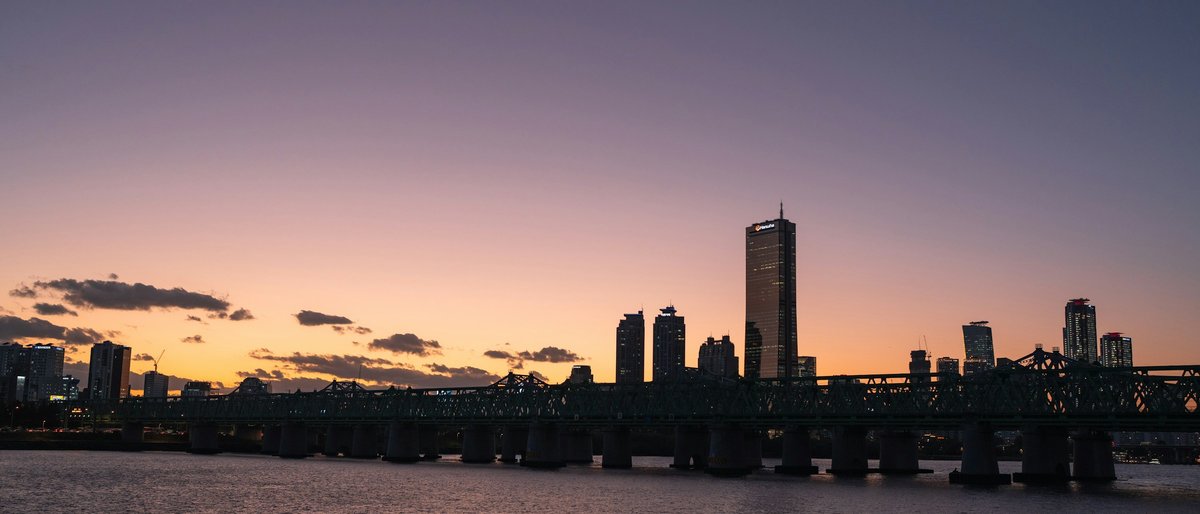
Stay in Seoul in January
104 hotels in the Trip.com pool for Seoul, from US$17 a night.
Opens Trip.com on Fri 1 Jan to Sun 3 Jan 2027; change the dates there.
January in Seoul is cold in a way that catches people off guard. The average high sits around 1.9°C (35°F), and overnight lows regularly drop to -6.8°C (20°F) or below. This is not damp English cold or breezy Mediterranean cool: it is dry, sharp, Siberian-influenced cold that stings your face and makes your eyes water within minutes of stepping outside. Wind chill along the Han River corridor can push the perceived temperature well below -15°C (5°F). That said, Seoul handles winter with practiced confidence. The metro is heated. Restaurants blast warm air the moment you walk in. Underground shopping arcades stretch for kilometers beneath the frozen streets. The city does not shut down: it just moves indoors.
The upside to braving January is real, though. Tourist crowds thin out dramatically compared to the cherry blossom rush in April or the fall foliage peak in October. Hotel rates drop to some of the lowest you will find all year. The winter food culture peaks: steaming bowls of kimchi jjigae, crispy bungeoppang fresh off the griddle, tteokguk served in earthenware pots. There is something about eating a bowl of scorching hot galbitang in a tiny restaurant while snow drifts past the window that you simply cannot replicate in warmer months.
Mind you, January also brings the possibility of Seollal (Korean Lunar New Year) which occasionally falls in late January depending on the lunar calendar. When it does, the city empties as Koreans travel to their hometowns, meaning many smaller restaurants and shops close for several days. Major tourist sites stay open but with reduced hours. If your trip overlaps with Seollal, plan around it. If it falls in February instead, January becomes one of the quietest, most affordable windows to experience Seoul without the holiday disruption.
Why visit in January
- Hotel rates drop 30-40% compared to peak autumn season, and last-minute bookings are easy to find across all price ranges
- Tourist crowds at palaces, temples, and popular neighborhoods like Bukchon and Insadong are noticeably thinner: you can photograph Gyeongbokgung without fifty people in every frame
- Winter food culture is at its peak, with seasonal street food stalls, hot pot restaurants, and traditional soup houses all operating at full strength
- Outdoor ice skating rinks open across the city, and day trips to ski resorts in Gangwon Province take under two hours from central Seoul
- The dry air and occasional snowfall make for striking photography conditions: fresh snow on traditional hanok rooftops is beautiful
Worth knowing
- The cold is relentless and limits comfortable outdoor time to roughly 60-90 minutes before you need to duck inside to warm up
- Daylight hours are short, with sunset arriving around 5:30 PM, compressing your sightseeing window
- Fine dust events (misemeonji) tend to spike in winter months, occasionally pushing air quality into unhealthy ranges for several days
- Some outdoor attractions and hiking trails, upper sections of Bukhansan, can be icy and require crampons or simply close for safety
Best for
Think twice if
January is Seoul's coldest month, and it feels it. Daytime highs hover near 1.9°C (35°F), which sounds manageable until the wind picks up along the Han River or funnels between high-rises in Gangnam. Overnight lows averaging -6.8°C (20°F) mean anything left outside freezes solid. The air is notably dry at around 60% humidity: a relief compared to the summer steam, but it chaps lips and dries out skin fast. Rainfall is minimal at just 19mm across roughly four days, though precipitation in January usually falls as snow rather than rain. Snowfall tends to be light (a few centimeters at a time) but it sticks around because temperatures rarely climb above freezing for long. Skies alternate between crisp and blue on cold, high-pressure days and flat grey during overcast stretches. You might get a week of each.
Seasonal caution
- Temperatures regularly drop below -10°C (14°F) during cold snaps, with wind chill pushing perceived temperatures to -20°C (-4°F) or lower along exposed areas like the Han River and Namsan Tower observation deck
- Fine dust (PM2.5) events are common in January, sometimes persisting for three to five consecutive days: check the AirKorea app daily and carry a KF94 mask
- Icy sidewalks and stairs are a genuine hazard, on hillside neighborhoods like Bukchon and around temple grounds: footwear with proper traction is not optional
Year-round climate
Averages from the last 5 years.
| Month | Avg high (°C) | Avg low (°C) | Rainfall (mm) |
|---|---|---|---|
| Jan | 2 | -7 | 19 |
| Feb | 5 | -5 | 17 |
| Mar | 12 | 1 | 58 |
| Apr | 18 | 7 | 74 |
| May | 22 | 12 | 126 |
| Jun | 27 | 18 | 169 |
| Jul | 30 | 23 | 305 |
| Aug | 29 | 23 | 289 |
| Sep | 26 | 18 | 215 |
| Oct | 19 | 10 | 104 |
| Nov | 12 | 2 | 56 |
| Dec | 3 | -5 | 30 |
Holidays and festivals in January
Public holidays
- New Year's Day(새해)1 January 2027
Best things to do in January
Outdoor ice skating at Seoul Plaza
outdoorThe rink in front of Seoul City Hall opens each winter and draws locals and visitors alike. The setting is striking: you are skating directly in front of a massive modern glass building with Deoksugung Palace's stone walls visible just beyond. Evening sessions, when the surrounding buildings light up, have a particular atmosphere. Rental skates are included in the low admission fee.
The rink typically operates from mid-December through mid-February, and January offers the most reliable ice conditions with the coldest sustained temperatures.Booking tipWeekday afternoon sessions are far less crowded than weekends. Arrive early on weekends to avoid waiting in a queue that can stretch 30 minutes or more.
Jjimjilbang culture at Dragon Hill Spa
culturalKorean bathhouse culture reaches peak relevance when it is freezing outside. A full jjimjilbang experience involves hot pools, cold plunges, saunas at different temperatures, a salt room, and a communal sleeping area with heated floors. You can easily spend four or five hours rotating between rooms. The contrast of stepping from a scorching hot charcoal sauna into the cool resting area is physical and oddly addictive.
Jjimjilbangs operate year-round, but the experience hits differently when you have been walking through sub-zero air for hours. The warmth feels earned, and the heated ondol floors become your best friend.Booking tipNo booking needed. Dragon Hill Spa near Yongsan Station is open 24 hours and popular with visitors because of its size, though locals tend to prefer smaller neighborhood spots.
Day trip skiing at Gangwon Province resorts
outdoorResorts like Vivaldi Park, Elysian, and Phoenix Park sit roughly 90 minutes to two hours east of Seoul by bus or car. Snow conditions in January are typically the most consistent of the season, and the resorts offer equipment rental, lessons, and runs ranging from beginner to advanced. The mountain air feels completely different from the city: cleaner, colder, quieter.
January tends to have the deepest, most reliable natural snowpack supplemented by snowmaking, and midweek crowds are manageable compared to the December holiday rush.Booking tipShuttle buses run from major Seoul stations: book the earliest departure to maximize slope time. Weekday lift tickets are significantly cheaper than weekend rates.
Gyeongbokgung Palace in hanbok with snow
culturalWearing a traditional hanbok gets you free admission to Seoul's main royal palace, and several rental shops line the streets nearby. In January, the palace grounds are often dusted with snow and nearly empty compared to peak months. The combination of colorful silk hanbok against grey stone walls and white snow makes for some striking photographs. The cold is real, though: most rental shops provide a padded outer layer.
Snow-covered palace grounds create photographic conditions that do not exist in other months. Crowds are a fraction of spring or autumn levels, so you can photograph the Geunjeongjeon throne hall without dodging tour groups.Booking tipHanbok rental shops along the street between Anguk Station and the palace offer similar quality at similar prices. No need to book ahead in January, just walk in.
Namdaemun and Gwangjang Market winter eating tours
foodBoth markets operate year-round, but winter transforms the food stall experience. Steam rises from every surface. Vendors sell hot eomuk broth, fresh hotteok, roasted chestnuts, and bindaetteok (mung bean pancakes fried crispy on a flat griddle). Gwangjang Market in particular has a density of food stalls where you can eat your way through ten different dishes without walking more than a hundred meters.
Winter street food stalls run at full capacity in January, selling seasonal items like bungeoppang and hotteok that disappear by spring. The cold air sharpens every smell: roasting chestnuts, sesame oil, sizzling batter.Booking tipNo booking needed. Go to Gwangjang around 11 AM to beat the lunch rush or after 8 PM when the dinner crowd thins.
Bukchon Hanok Village early morning walk
sightseeingThe narrow alleys of Bukchon, lined with hundreds of traditional Korean houses with their curved tile roofs, sit on a hillside between Gyeongbokgung and Changdeokgung palaces. In January, a light snowfall turns the neighborhood into something out of a historical drama. The stone walls, the wooden gates, the occasional persimmon tree still holding a few orange fruits against grey sky: it is quietly photogenic.
Snow transforms the visual character of the neighborhood entirely, and winter foot traffic is low enough that you can walk the narrow alleys without being pushed along by tour groups. Some alleys are quiet before 9 AM.Booking tipThis is a residential neighborhood: be respectful of noise levels, early morning. The main photographic alley is near Bukchon 5-gil and 6-gil.
Noryangjin Fish Market for winter seafood
foodSeoul's largest fish market operates at a different intensity in winter. Cold-water species like cod, pollack, and snow crab are at their peak. You pick your seafood from the ground floor vendors (still alive, still moving) and carry it upstairs to a restaurant that will prepare it however you want: raw as hoe, in a stew, grilled. The market smells like salt water and cold concrete, and the vendors shout prices at you as you walk past.
Winter brings peak season for snow crab, cod, and other cold-water species. Prices on crab in particular can be more reasonable in early January before Lunar New Year demand drives them up.Booking tipGo early in the morning for the freshest selection. Negotiate firmly but politely with vendors: prices for tourists start high. The upstairs restaurants charge a preparation fee on top of your seafood purchase.
Bukhansan National Park winter hiking
outdoorBukhansan sits right on Seoul's northern edge and offers trails ranging from gentle valley walks to serious granite scrambles. Winter conditions add a layer of challenge and beauty: frozen streams, ice-coated rocks, pine trees heavy with snow. The Baegundae peak trail offers panoramic views of the entire city spread out below, with the Han River cutting through it like a grey ribbon.
Clear winter air means visibility on summit days can stretch for dozens of kilometers. The trails are far less crowded than autumn, and the frozen landscape has a stark beauty that summer greenery cannot match.Booking tipCrampons or microspikes are essential for any trail above the valley floor: ice patches form on shaded sections and persist all month. Start early to catch the best light and finish before the short daylight fades.
What to eat in January
In season: fruit
Hallabong
Jeju Island's signature citrus fruit, a bumpy-skinned mandarin hybrid that peaks in January and February. Sweeter and more fragrant than regular mandarins, with segments that pull apart cleanly. You will see them stacked in pyramids at every fruit stall and convenience store. They are worth the slight premium over regular tangerines.
On menus now
Tteokguk
Rice cake soup traditionally eaten on New Year's Day, with sliced oval rice cakes in a clear anchovy or beef broth. Finding a good bowl is easy: nearly every Korean restaurant serves their own version in January, and the texture of the soft, chewy rice cakes in hot broth is the definition of winter comfort.
Kimchi Jjigae
Fermented kimchi stew cooked with pork belly, tofu, and sometimes tuna, served bubbling in a stone pot. January is when well-aged gimjang kimchi from the autumn batch hits peak sourness and depth, making this the best month for the dish. The sour funk of the kimchi, the richness of the pork fat, the heat from the gochugaru: it is exactly what freezing weather demands.
Street food peaks
Bungeoppang
Fish-shaped pastries filled with sweet red bean paste, cooked on cast-iron molds right in front of you at street stalls. The batter crisps up on the outside while the filling stays molten. They cost almost nothing and the smell (toasty, slightly caramelized) follows you through any market area in winter.
Hotteok
Thick, chewy pancakes stuffed with a brown sugar, cinnamon, and chopped nut filling that oozes out when you bite in. Street vendors press them flat on a griddle until the outside turns golden and slightly crunchy. The trick is letting them cool for a minute so you do not burn the roof of your mouth, but nobody does.
Eomuk
Fish cake skewers simmered in a light anchovy-kelp broth at street stalls across the city. You eat the skewer, then drink the warm broth from a paper cup. It costs almost nothing and the broth is surprisingly complex: a little sweet, a little briny. On a freezing January evening in Myeongdong or Namdaemun, a cup of this broth is practically medicinal.
Regular events in January
Seoul Lantern Festival (extended installations)Free
While the main festival along Cheonggyecheon Stream typically runs November through December, some lantern installations remain up into early January. The illuminated displays reflecting off the shallow stream water are worth a walk if they are still standing when you visit, though it is worth checking dates as takedown schedules vary by year.
Early January (varies)New Year's Sunrise Festival at Haneul ParkFree
Koreans traditionally gather at high points to watch the first sunrise of the year. Haneul Park atop the World Cup Park complex in Mapo is a popular Seoul spot, drawing early risers who brave the pre-dawn cold with hot drinks and blankets. The atmosphere is quietly festive rather than raucous.
January 1Winter sales season in Myeongdong and GangnamFree
January marks deep discount season at Korean department stores and the dense shopping corridors of Myeongdong. Korean beauty brands, fashion retailers, and department stores like Lotte and Shinsegae run their steepest markdowns of the year, in the first two weeks. If you are interested in Korean skincare or fashion, this is the cheapest time to buy.
Throughout January, heaviest in first two weeksHwacheon Sancheoneo Ice Festival
Roughly two hours northeast of Seoul, this ice fishing festival draws over a million visitors to a frozen river where you fish for mountain trout through holes cut in the ice. There are bare-hand fishing tanks, ice sledding, and enormous tents serving the trout you caught grilled on the spot. It is chaotic, freezing, and oddly joyful. Tour buses run from Seoul daily during the festival.
Mid-January to early February (varies by ice conditions)Best places this January
Cheonggyecheon Stream
urban walkThe restored urban stream running through central Seoul takes on a different character in winter. The walking paths along the water are quieter, and any remaining lantern installations from the autumn festival add color to the grey January palette. The stream itself rarely freezes completely, and watching the shallow water move between ice-edged banks while the city rises on both sides is a specific winter pleasure.
JongnoIkseon-dong Hanok Alley
neighborhoodThis cluster of renovated hanok houses turned into cafes, bars, and small restaurants is one of the coziest spots in January Seoul. The narrow alleys block the wind, and ducking into a hanok cafe with ondol heated floors and a cup of ssanghwa-tang (herbal tea) is about as comfortable as January gets. Less touristy than Bukchon and more oriented toward eating and drinking.
JongnoNamsan Tower and Namsan Park
viewpointThe cable car ride up Namsan offers views of the city under winter light, and the observation deck at N Seoul Tower provides the clearest panoramas during cold, high-pressure days when pollution clears out. The walk up through the park is steep but manageable with proper footwear, and the pine forest muffles city noise surprisingly well. Go on a weekday for something close to solitude.
Jung-guCOEX Mall and Starfield Library
indoor attractionWhen the cold becomes too much (and in January it will) COEX in Gangnam is the largest underground shopping mall in Seoul. The Starfield Library at its center, with floor-to-ceiling bookshelves rising two stories, is visually impressive and a warm place to sit. The surrounding food court and restaurants provide hours of comfortable indoor time.
GangnamDeoksugung Palace and Stone Wall Road
historical siteSmaller and less visited than Gyeongbokgung, Deoksugung sits in the middle of Seoul's financial district surrounded by modern buildings, which creates an interesting visual contrast. The stone wall road (Deoksugung Doldam-gil) that curves alongside it is one of Seoul's most photographed paths. In January with bare trees and occasional snow, it has a melancholy beauty that the leafy green summer version cannot quite match.
Jung-guBukhansan Ui-dong Valley Entrance
natureIf a full summit hike feels too ambitious in the cold, the lower valley trails near the Ui-dong entrance to Bukhansan National Park offer a gentler option. Frozen stream beds, snow-dusted boulders, and pine-scented air: all within a short bus ride from central Seoul. Temple stays at nearby Jinkwan-sa offer overnight winter mountain immersion if you want to go deeper.
GangbukHongdae and Yeonnam-dong
neighborhoodThe area around Hongik University stays lively through winter thanks to its density of indoor cafes, live music venues, vintage shops, and restaurants. Yeonnam-dong, the quieter residential pocket just north, has some of Seoul's best independent coffee shops. January foot traffic is manageable, and you can cafe-hop for an entire afternoon without repeating a spot.
Mapo
Your packing checklist
Tick items off as you pack. Your progress saves in this browser.
All packed — have a great trip.
Insider tips
The heated floors in Korean restaurants are not decorative: if you are eating at a traditional floor-seating spot, take your shoes off and sit with your legs on the ondol floor. The warmth radiates through your whole body. Specifically seek out places with floor seating in January rather than avoiding them.
Convenience stores like CU and GS25 sell surprisingly decent hot meals (steamed buns, fish cakes in broth, hotteok, and tteokbokki) for a fraction of restaurant prices. When you need to warm up fast and cheaply, duck into any convenience store and grab a steaming cup of eomuk broth from the self-serve counter. It is free at some locations if you buy a skewer.
The underground passages connecting major subway stations (the network between City Hall, Euljiro, and Myeongdong stations) let you walk for kilometers without going outside. Locals use these extensively in January, and you will find shops, food stalls, and seating areas throughout. Learn the underground routes and your comfort level in January improves dramatically.
Download the Papago translation app before arriving. While younger Koreans in tourist areas often speak some English, menus at the excellent small restaurants in neighborhoods like Euljiro 3-ga and Eulji-ro are Korean-only. Papago's camera translation function reads Korean menus accurately in real time and opens up restaurants that most tourists walk past.
If you visit any of the palaces, check the schedule for the Royal Guard Changing Ceremony at Gyeongbokgung and Deoksugung. These happen year-round but seeing them in winter (guards in full Joseon-era regalia standing well still in freezing air) hits differently than in mild weather. The ceremony is free and runs several times daily.
Avoid these mistakes
- Planning a full day of outdoor sightseeing without indoor breaks. Two hours outside in -5°C wind chill is about the limit for most people before fingers go numb and enthusiasm dies. Build your itinerary around alternating between outdoor sites and indoor warming stops: a palace visit followed by a cafe, a market walk followed by a restaurant.
- Skipping proper footwear because your regular sneakers seem fine. Seoul has hills. Bukchon is on a slope. Temple stairs collect ice. Namsan is a mountain. Someone in canvas sneakers attempting the walk up to N Seoul Tower in January is a fall waiting to happen. Bring shoes with actual traction or buy a pair of crampons from Daiso for a few thousand won.
- Assuming everything runs on a normal schedule during Seollal if it falls in January. Many non-chain restaurants close for three to five days, public transit runs on a holiday schedule with reduced frequency, and popular sites that remain open can get crowded with domestic tourists who stayed in Seoul. Check the lunar calendar for your travel year and plan accordingly.
- Ignoring fine dust forecasts and spending hours outdoors during a severe episode. The particulate matter during bad days is not mild haze: it can trigger headaches and respiratory irritation in otherwise healthy people. Check the Misemeonji app each morning. If PM2.5 readings are in the 'bad' or 'very bad' range, shift your plans to indoor activities and wear a KF94 mask if you go outside.
Practical tips for January
Book accommodations in Jongno or Jung-gu to stay near the major palaces, markets, and underground shopping networks: walkability matters more in January because you want the option to duck inside frequently. Most Korean hotels and guesthouses are well-heated, but some budget hanok stays rely on ondol floor heating that can be uneven, so read reviews specifically mentioning winter stays. The T-money transit card works on all buses and subway lines and saves you from fumbling with cash in gloves. Load it at any convenience store. Restaurants do not generally require reservations in January, but popular spots in Ikseon-dong and Yeonnam-dong can fill up on weekend evenings. Dress in removable layers rather than one heavy piece, because the temperature difference between a heated Korean interior and the frozen street can be twenty degrees or more: you will overheat indoors if you cannot shed layers. Major department stores and Myeongdong shops open around 10:30 AM and close by 10 PM. Traditional markets like Namdaemun open much earlier, around 6 AM, and wind down by early evening. If planning a ski day trip, weekday trips are strongly preferred: weekend traffic to Gangwon Province can add an hour or more each way.
FAQ
Is January a good time to visit Seoul?
It depends on your tolerance for cold and your priorities. January is Seoul's coldest month with temperatures often well below freezing, which limits comfortable outdoor time. That said, it is also the cheapest and least crowded time to visit. Indoor attractions, winter food culture, and the city's heated infrastructure mean there is plenty to do: you just need to plan around the cold rather than pretending it does not exist. If budget matters and you own a proper winter coat, January can be a smart choice. If you picture yourself strolling through palace gardens for hours in comfort, wait until May or October.
What is the weather like in Seoul in January?
Cold and dry. Average highs reach about 1.9°C (35°F) and lows drop to -6.8°C (20°F), with occasional cold snaps pushing well below -10°C (14°F). Rainfall is minimal at 19mm across about four days, and precipitation typically falls as light snow rather than rain. Humidity sits around 60%, which is low by Seoul's standards. The wind is the real factor: exposed areas along the Han River and on hilltops like Namsan feel significantly colder than the thermometer suggests. Expect roughly eight to nine hours of daylight, with sunset around 5:30 PM.
Does it snow in Seoul in January?
Yes, though it is usually light rather than dramatic. Seoul gets several snowfall events in a typical January, often just a few centimeters at a time. The snow tends to stick because temperatures stay below freezing for days. You might see a scenic dusting on palace rooftops and park trees, but do not expect deep powder. The real winter snow is in the mountains of Gangwon Province, where ski resorts operate with a proper snowpack. When it does snow in Seoul, the city looks beautiful for a day or two before everything turns to grey slush.
Is Seoul crowded in January?
By Seoul's standards, January is one of the quietest months for international tourism. Major sites like Gyeongbokgung and Bukchon Hanok Village see a fraction of their spring or autumn visitor numbers. The main exception is if Seollal falls in late January: domestic tourist numbers spike at palaces and traditional sites during the holiday, while many restaurants and small businesses close. Outside of Seollal, you will find shorter lines, available restaurant tables, and a noticeably more relaxed atmosphere at popular spots.
What should I eat in Seoul in January?
January is peak season for Korean winter comfort food. Tteokguk, the traditional rice cake soup, appears on nearly every menu. Street food stalls sell bungeoppang (sweet red bean fish cakes), hotteok (sugar-filled pancakes), and eomuk skewers with free hot broth. Kimchi jjigae made with fermented gimjang kimchi from the autumn batch is at its best. For a special meal, visit Noryangjin Fish Market for winter snow crab or fresh cod prepared to order. Hallabong citrus from Jeju Island peaks in January and is sold everywhere: sweeter and more fragrant than regular mandarins.
Things to Do in Seoul in January
 Free cancellation
 Best DMZ Tour Korea from Seoul (Suspension Bridge & JSA Museum)
Day trip: free cancellation.
via Viator Free cancellation
 Best DMZ Tour Seoul: Defector Q&A, 3rd Tunnel & Suspension Bridge
Day trip: free cancellation.
via Viator Free cancellation
 DMZ Tour: Defector Q&A, Tunnel & Suspension Bridge /Hotel pick up
Day trip: 7 hours, free cancellation.
via Viator Free cancellation
 DMZ: NK Defector, 3rd Tunnel, Suspension Bridge, Hotel Pick-up
Day trip: 7 hours, free cancellation.
via Viator Free cancellation
 DMZ tour from Seoul; North Korean Defector Meet up & 3rd Tunnel
Day trip: 6.5 hours, free cancellation.
via Viator Free cancellation
 DMZ Tour from Seoul: 3rd Tunnel, Dora Observatory & Defector Talk
Day trip: free cancellation.
via ViatorFind a flight to Seoul
Live fares to Seoul appear here once cookies are accepted.
Last verified by automated review (v1.7.2) on . What is automated review?