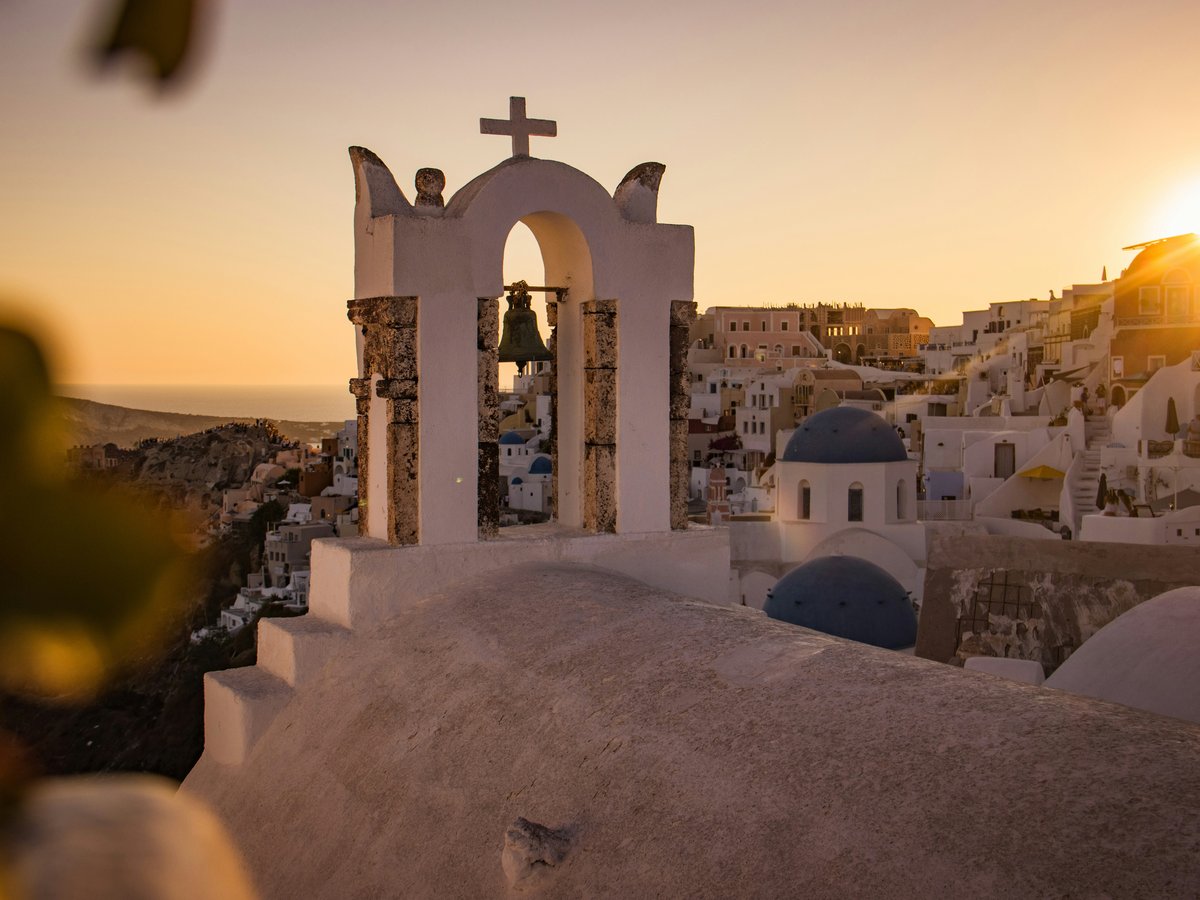
Santorini's shopping identity grows from volcanic geology and Cycladic craft traditions, not from department stores or international chains. Fira and Oia, the island's two commercial centers, sit about 11 kilometers apart on the western caldera rim. Most goods worth carrying home from Santorini connect to the land. Assyrtiko wine from vines trained into low kouloura baskets, fava split peas, cherry tomatoes, pumice carvings. The retail calendar runs roughly April through October, with July and August packing Fira's pedestrian lanes tightest. Those lanes thin out after cruise ships pull away, typically around 5pm. Solo travelers might appreciate that the island scores 8.4 out of 10 on safety (see the TTDI Solo-Safety Index), making evening browsing through Oia's quieter stretches feel comfortable.
Shopping districts
-
Ypapantis Street (Gold Street), Fira
luxury to high mid-rangeFira's Ypapantis Street runs along the caldera edge and holds the island's densest cluster of jewelry shops. Over a dozen storefronts line this narrow, marble-paved lane with gold, silver, and volcanic-stone pieces in nearly every window. Cruise passengers tend to gravitate here first, so foot traffic between 9am and 3pm in peak season can feel overwhelming. The better jewelers work with Minoan and Cycladic motifs, and several incorporate dark lava stone set against polished silver. After 5pm, when the day-trippers have gone, Ypapantis turns quieter and cooler, far easier to examine a piece without someone's elbow in your ribs.
Best for: Gold and silver jewelry, volcanic-stone accessories, Cycladic-inspired designs
-
Oia Caldera Path
luxuryThe marble walkway through Oia village doubles as the island's most photogenic shopping lane. Art galleries, handmade ceramics studios, and small fashion boutiques occupy whitewashed cave-front spaces with the caldera behind them. Prices here tend to run 20 to 40 percent higher than equivalent goods in Fira, which is partly the view tax and partly the curation. You'll find original oil paintings, hand-thrown pottery glazed in Santorini's signature blue and white, and linen clothing cut for the Aegean heat. The crowd builds toward sunset, when the western tip near the castle ruins becomes standing-room only. Morning browsing before 11am is the sweet spot.
Best for: Art galleries, handmade ceramics, original paintings, designer linen clothing
-
Central Fira (Erythrou Stavrou and 25is Martiou)
mid-range to budgetBehind the caldera-front jewelry strip, Fira's inland streets carry the everyday commerce. Erythrou Stavrou and 25is Martiou hold minimarkets, phone-repair shops, pharmacies, and clothing stores that cater more to residents than to visitors. You'll spot familiar European chains alongside Greek brands at standard Athenian prices. The area around Fira's central square feels like a small-town commercial center that happens to sit on a volcanic cliff. This is where island residents pick up household goods, and where you'll find more reasonable prices on sunscreen and sandals than at the caldera-edge shops.
Best for: Everyday essentials, Greek clothing brands, pharmacy items, electronics
-
Kamari Beach Strip
budget to mid-rangeKamari's beachfront road stretches about 2 kilometers along the eastern coast, lined with tourist shops, tavernas, and rental agencies. The shopping here skews toward vacation basics like swimwear, flip-flops, postcards, and olive-oil soaps at lower-than-Fira prices. A few shops carry locally made sandals and woven bags from Greek workshops, but the selection stays casual. Kamari's black-sand beach is the real draw here, with shopping as a pleasant afterthought between swimming and eating grilled octopus at the waterfront tavernas.
Best for: Beach gear, casual vacation wear, inexpensive souvenirs, olive-oil cosmetics
-
Pyrgos Village
mid-rangePyrgos sits at Santorini's highest point, about 8 kilometers southeast of Fira. The medieval Kasteli area at the top of the village has attracted a small colony of artisan workshops over the past decade. You might find a ceramicist working in a cave studio or a painter selling directly from a converted Venetian-era house. The commercial scene stays small, maybe 15 to 20 shops total, and the pace is noticeably slower than Fira's caldera lanes. Prices tend to be fair because the cruise crowds rarely make it up here. Worth noting, the Profitis Ilias monastery sits directly above the village, and the walk between the two is a decent excuse to explore the quieter side of the island.
Best for: Artisan ceramics, small-batch local products, unhurried browsing away from cruise crowds
Markets
-
Fira Laiki Agora (Weekly Farmers' Market)
food and produceSantorini's weekly laiki agora sets up in Fira, typically on Saturday mornings. Stalls carry seasonal produce from Santorini farms and the Greek mainland. Local fava, capers, cherry tomatoes, and dried oregano appear alongside Cretan olive oil and Peloponnese citrus. The market runs from roughly 7am until early afternoon, and Fira's restaurant owners tend to pick over the best produce first. You'll hear vendors calling out prices in Greek, and the smell of ripe stone fruit in August is worth the visit alone. It is modest compared to Athens' central markets, maybe 20 to 30 stalls in season, but the island-grown produce goes straight from field to table.
Saturdays, morning to early afternoon, roughly May through October
-
Oia Sunset Artisan Vendors
artisan and street vendorsOn summer evenings, independent vendors set up along the path near the Byzantine Castle ruins in Oia, timing their sales to the sunset crowd. You'll find 10 to 15 sellers on a busy evening, spreading handmade jewelry, small watercolor paintings, woven bracelets, and leather goods across blankets and small folding tables. Quality ranges widely across the Oia vendors. Some pieces are crafted on the island, others are mainland imports. Ask a vendor where a piece was made, and the Cycladic artisans among them tend to be happy to explain their process. The Santorini caldera turns gold behind the displays as the sun drops, giving the whole scene more atmosphere than a typical street market.
Daily in summer, roughly 2 hours before sunset until dark, June through September
-
Santorini Winery Direct Sales
winery retail and local productsThe island's wineries function as Santorini's most distinctive retail channel for local products. Santo Wines cooperative near Pyrgos, Venetsanos near Megalochori, and several family estates in the Exo Gonia and Episkopi areas sell bottles at cellar-door prices. A bottle of estate Assyrtiko might cost 12 to 25 EUR at the winery versus 18 to 40 EUR at an Oia boutique. Most wineries also stock Vinsanto, the island's sweet dessert wine aged a minimum of 2 years in oak, alongside locally produced preserves and honey. The cooperative movement on Santorini dates to the 1940s, and tasting rooms have become a second retail layer alongside the village shops.
Most wineries open daily April through October, typically 10am to sunset
Souvenirs worth bringing home
The most distinctly Santorinian souvenirs trace back to the island's volcanic terroir. Assyrtiko wine is the signature buy. The PDO Santorini appellation, one of Greece's earliest protected wine designations, covers vines grown in wind-beaten ash soil that gives the grape its mineral edge. A single bottle from a respected Santorini estate makes a more meaningful gift than a painted fridge magnet. Vinsanto, the sweet amber dessert wine, travels well and ages gracefully. Fava from Santorini carries its own PDO certification and comes vacuum-packed at shops across Fira and Oia. Santorini's split peas cook into a smooth, buttery puree that tastes distinctly different from mainland Greek varieties, likely because of the mineral content in the volcanic soil. Cherry tomatoes, marketed as tomatinia Santorinis, are sold sun-dried or as thick preserves, and they carry a concentrated sweetness that the island's low rainfall and strong sun produce naturally.
Beyond food and wine, Santorini's volcanic pumice and lava-stone jewelry counts as local craft. Several Fira workshops shape raw caldera stone into pendants, rings, and earrings. Handmade leather sandals from Cycladic workshops, sometimes stitched on-site, are another solid choice. Mind you, the mass-produced "Santorini" keychains and magnets at every tourist shop come from mainland factories, so look for items where the seller can explain the provenance. The Museum of Prehistoric Thera, open since 2000, sells reproductions of Akrotiri frescoes and Minoan figurines in its gift shop, with pieces running from a few euros for postcard prints up to 40 to 50 EUR for detailed ceramic replicas.
Practical tips
- Bargaining
- Fixed prices are the norm in Santorini's shops and boutiques. Bargaining is not part of Greek retail culture and will likely be met with polite confusion. The exception might be if you're buying multiple items at a single jewelry shop, where asking for a small discount on a combined purchase of 200 EUR or more seems reasonable. Street vendors near the Oia sunset point may have slightly flexible pricing, but the margins are thin.
- VAT Tax Refunds
- Non-EU visitors can claim a VAT refund on purchases over 50 EUR from participating shops. Greece's standard VAT rate is 24 percent, and refund companies typically return 12 to 16 percent of the purchase price after their processing fee. Ask the shop for a Tax Free form at the time of purchase, keep the goods unused and in original packaging, and present everything at the customs desk before departing from Athens or Thessaloniki airport. Santorini's airport does not have its own customs refund desk, so plan the paperwork for your final EU departure point.
- Opening Hours
- Most tourist-facing shops in Fira and Oia open between 10am and 10pm during the May-to-October high season, with some jewelry shops staying open until 11pm in July and August. Shoulder-season hours in April and late October contract to roughly 10am to 7pm. The inland shops along Erythrou Stavrou keep more conventional Greek hours with a midday lull. Nearly everything closes for the winter months from November through March.
- Payment Methods
- Visa and Mastercard are accepted at the vast majority of Fira and Oia shops, and contactless payment works widely. Smaller vendors on the beach strips in Kamari and Perissa may prefer cash, and the laiki agora stalls are almost always cash-only. ATMs cluster near Fira's central square but can run dry during peak cruise days. At the current exchange rate of roughly 0.87 EUR per US dollar, carrying a mix of small-denomination euro notes and a card covers most situations.
- Cruise Ship Timing
- Santorini receives up to 4 or 5 cruise ships per day in peak season, each tendering roughly 2,000 to 4,000 passengers into Fira via the old port or the cable car. The flood hits Gold Street and the caldera shops between about 9:30am and 4pm. Shopping before 9am or after 5pm gives you a dramatically different experience, with room to browse and staff who have time to talk about what they sell. The cable car queue from the old port can reach 45 minutes during ship days, useful to know if you're staying in Fira and want to avoid the congestion near the upper station.
- Shipping Purchases Home
- Most established jewelry shops in Fira and Oia offer insured shipping to international addresses, typically via DHL or FedEx. Wine is trickier to send. EU customs allow wine in checked luggage, but shipping bottles internationally involves alcohol-import regulations that vary by destination country. The winery cooperatives near Pyrgos have the most experience with export packaging and can advise on what your home country permits. Fragile ceramics from Oia galleries usually come wrapped carefully, but asking for double-boxing adds real protection for the ferry-to-airport transfer.
FAQ
What is the best time of day to shop in Santorini without cruise ship crowds?
Early morning before 9:30am or evening after 5pm offers the most pleasant browsing in Fira and Oia. Cruise tenders typically operate between those hours, so Fira's caldera-front shops clear out noticeably by late afternoon. Evening shopping in Oia has the added benefit of the sunset atmosphere along the western path.
Is Santorini a good place to buy gold jewelry?
Fira's Ypapantis Street concentrates more than a dozen gold and silver jewelry shops in a single lane, and several feature designs inspired by the island's Bronze Age archaeological heritage. Prices reflect both the karat weight and the caldera-front location premium. If you're comparing, Athens' jewelry district around Monastiraki typically runs 15 to 25 percent less for equivalent pieces, but the Santorini-specific volcanic-stone settings are hard to find elsewhere.
Can I bring Santorini wine home in my checked luggage?
Yes, within most airline luggage allowances. Wrap bottles in clothing inside checked bags, or buy protective wine-travel sleeves at shops in Fira. Most EU countries allow personal quantities without extra duty. For destinations like the US, customs generally permits up to 1 liter duty-free per adult traveler, though you can bring more and pay a modest duty. Several Santorini wineries offer export shipping if you want to buy a full case.
Where do Santorini locals shop for groceries and household goods?
The inland streets of central Fira, particularly around Erythrou Stavrou, hold the minimarkets and household shops that residents use year-round. A larger supermarket operates on the road between Fira and Karterados. The weekly Saturday laiki agora also draws locals looking for seasonal island-grown produce rather than shipped-in mainland stock.
Are there authentic local crafts worth buying on Santorini?
Volcanic pumice and lava-stone jewelry crafted in Fira workshops, hand-thrown ceramics from Pyrgos village studios, and Cycladic leather sandals stitched in small Aegean workshops are all rooted in island traditions. The gift shop at the Archaeological Museum of Thera, which has operated since 1960, carries quality reproductions of artifacts excavated across the island. For edible gifts, the island's fava and cherry tomato products remain the most place-specific options.
Is Santorini family-friendly for a shopping day out?
Santorini scores 5.8 out of 10 for family friendliness (see the TTDI Family-Friendliness Index), and the shopping areas reflect that mixed rating. Fira's narrow caldera-edge lanes lack guardrails in places and get congested with strollers during cruise hours. Kamari's beachfront strip is flatter and easier with young children, and the shops there carry affordable beach toys and swimwear. Oia's stepped marble paths can be slippery, so comfortable shoes matter for the whole family.
Last verified by automated review (v1.7.2) on . What is automated review?