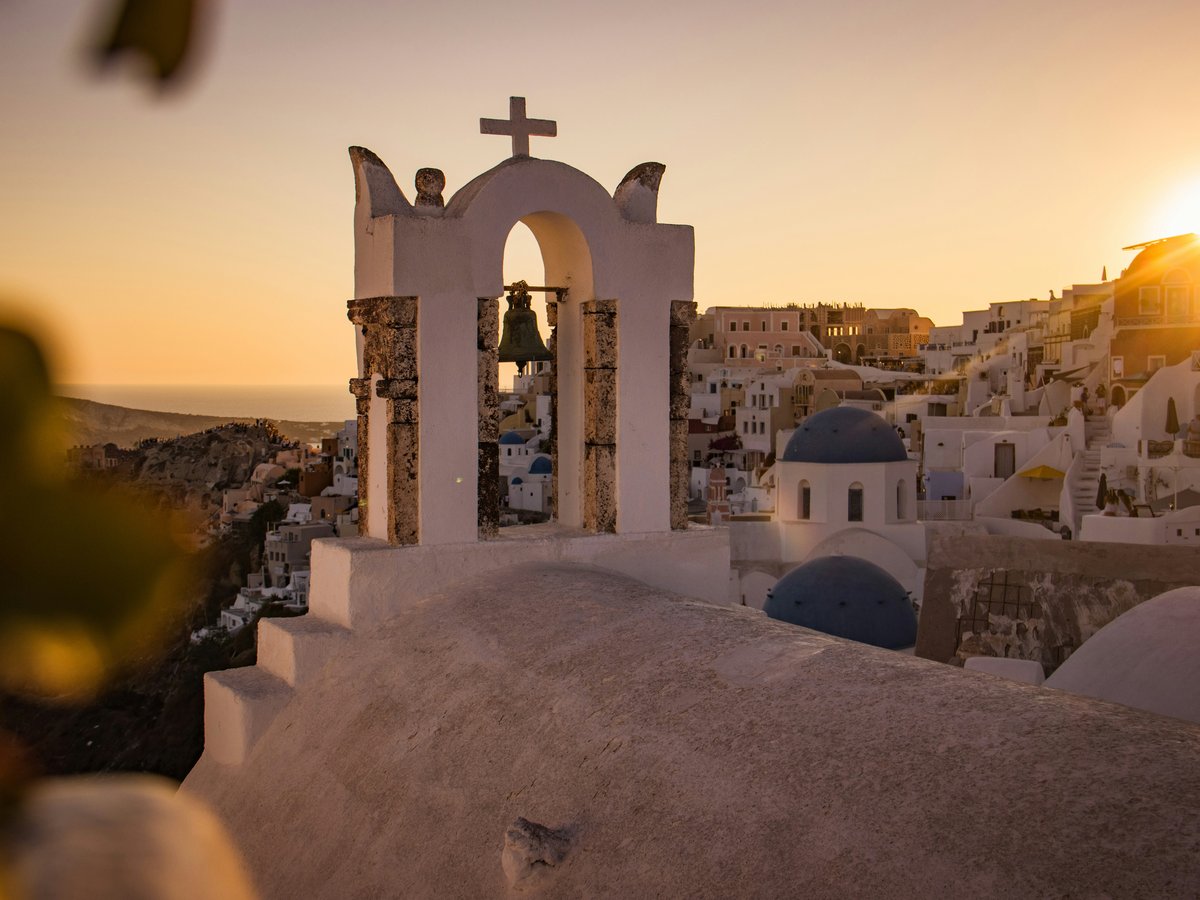
Is Santorini safe?
Santorini scores 8.4 out of 10 for solo-traveler safety (see the TTDI Solo-Safety Index). Violent crime against visitors is nearly nonexistent. The real risks are ATV accidents on the caldera road between Fira and Oia, unlit volcanic-rock footpaths after dark, and aggressive taxi pricing at Athinios port. Emergency number: 112.
Santorini's crime rate for visitors is close to zero. Theft tends to be limited to the sunset-viewing cliffs in Oia, where someone sets a phone or bag down for a photo and loses track of it. The dangers that fill the Fira health center are physical, not criminal. ATV and scooter crashes on the single-lane caldera road between Fira and Oia account for more medical evacuations than everything else combined. That road narrows to barely a car width in places, has no guardrail on the seaward side, and tour buses squeeze past rental ATVs with centimeters to spare. Loose volcanic gravel on the shoulder slides under tires without warning. Skip the ATV. The KTEL bus covers Fira to Oia in 25 minutes for €1.80, and you arrive without road rash. The donkey trail from Fira's old port up to town is 587 steps carved into the caldera wall. It is slippery with animal waste and has no railing in sections. Take the cable car for €6 one way, or at minimum wear closed-toe shoes with grip.
Fira's main pedestrian lane along the caldera rim stays safe and populated well past midnight. The bars lining that walkway stay open until 3am from June through September, and the foot traffic keeps the route lit. Oia is quieter after 10pm once the sunset crowd thins. You might hear your own footsteps on the marble paths between closed galleries. That emptiness is peaceful, not threatening. Solo women report Santorini as one of the most comfortable Greek islands after dark. The street-harassment culture you might encounter in central Athens is largely absent here. That said, the beach bars at Perivolos can get rowdy by 2am with stag parties in July and August. If that is not your scene, the walk back along the beachfront road is unlit in stretches. Use your phone torch and stick to the paved road rather than cutting through the black-sand shore, where volcanic rock is uneven and invisible at night. The warm air still holds above 25°C in mid-September, so the late walks are comfortable in a t-shirt.
Greek taverna culture works well for solo diners. No restaurant on Santorini requires a two-person minimum. At Metaxy Mas in Exo Gonia, a 15-minute drive inland from Fira, you will see solo travelers eating on the terrace without a second glance from staff. Portions run large. Budget around €15-25 for a main course at caldera-view restaurants and €8-12 at inland tavernas where locals eat. For meeting other travelers on your first day, Caveland hostel in Karterados puts guests in converted cave rooms and runs communal dinners. It sits a 10-minute walk from central Fira. Small-group catamaran tours running the caldera hot springs circuit typically carry 10-15 people and include lunch and local wine. The 5-hour format gives enough time for real conversation, not forced small talk. Single-occupancy supplements at the caldera-edge hotels in Oia and Imerovigli sometimes reach 80% of the double rate. Inland villages like Pyrgos and Megalochori have guesthouses where a solo room costs €50-80 per night in shoulder months like April, May, or October.
The EU-wide emergency number 112 connects to English-speaking dispatchers across Greece. Santorini's main health center sits in Fira, open 24 hours. Serious injuries get helicopter-transferred to a hospital in Heraklion, Crete, a 30-minute flight. That helicopter ride is not covered by EHIC for non-EU nationals, so evacuation-inclusive travel insurance earns its premium here. KTEL buses run from Fira to Oia, Kamari, Perissa, Akrotiri, and Athinios port on published schedules from roughly 7am to midnight in summer. The last bus from Oia to Fira leaves around 11:30pm. Miss it, and a taxi runs €25-30, assuming you can find one. Pre-book your port transfer. Athinios gets chaotic when ferries dock, with drivers quoting €30-40 for the 15-minute ride to Fira. The bus fare is €2.30 for the same trip. Tap water is safe but tastes of desalination. Bottled water costs around €0.50 per liter at mini-markets. Carry at least a liter on the caldera walking paths, where shade is nonexistent and white-washed walls bounce heat upward into your face.
Emergency number: 112
Official travel advisories
Normal precautions the most cautious of 3 government assessments
- Government of CanadaLevel 1Take normal security precautions View advisory
- UK Foreign OfficeLevel 1No FCDO travel restriction View advisory
- US State DepartmentLevel 1Exercise Normal Precautions View advisory
Verified from the issuing governments' own feeds.
Areas to avoid
- Athinios port during ferry arrivals (aggressive taxi pricing, crowd crush on the dock)
- Perivolos beach bars after 2am in July and August (stag-party rowdiness)
- The donkey trail from Fira Old Port (587 steps, slippery with animal waste, no railings)
- The caldera-edge road between Fira and Oia on a rented ATV (single lane, no guardrails, loose gravel)
Common concerns
- ATV and scooter accidents on the caldera road, the leading cause of tourist injuries on the island
- Sunburn and dehydration on shadeless caldera walking paths where white walls reflect heat
- Missing the last KTEL bus from Oia around 11:30pm and overpaying for a scarce taxi
- Single-occupancy hotel supplements at caldera-edge properties reaching 80% of the double rate
- Unlit stretches of the Perissa and Perivolos beachfront road after midnight
- Overpriced fixed-fare taxi quotes at Athinios port when ferries dock
Last verified by automated review (v1.7.2) on . What is automated review?