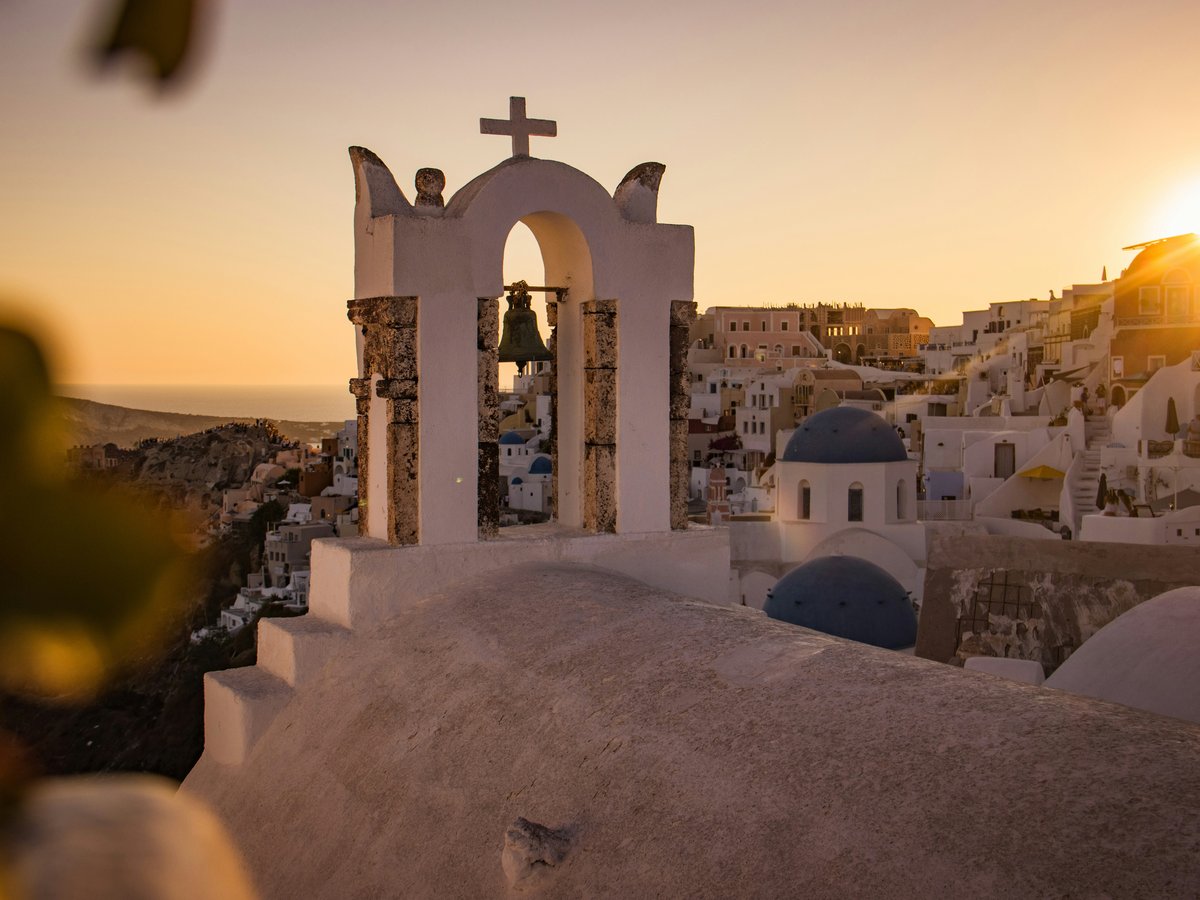
Santorini's nightlife doesn't compete with Mykonos. It's not trying to. The island's after-dark character is shaped by the caldera, a wine tradition rooted in volcanic soil, and a tourist season running roughly April through October with the peak months at full capacity. Fira, the island's capital, holds most of the bars and the small handful of clubs that keep doors open past 2 AM. Oia leans toward sunset cocktails and candlelit terraces. Down at the beach level, Kamari and Perissa trade caldera views for black volcanic sand and a barefoot dress code. You might hear Greek pop drifting out of an open-air bar around 11 PM, and by 1 AM foot traffic in Fira's narrow alleys picks up noticeably. To be fair, for most visitors this is a 3-drink island, not a 3 AM island. But summer fills Fira well beyond its resident capacity, and on a mid-September evening the air still sits around 24°C under clear skies, warm enough to keep outdoor terraces occupied past midnight.
The Bar Scene
Wine dominates Santorini's drink culture. The island's signature white grape, Assyrtiko, grows in low basket-trained vines called kouloura, a technique adapted to the strong Aegean winds. It tends to be dry, mineral, with a saline edge that seems to carry the terroir in the glass. Vinsanto, the local sweet wine made from sun-dried Assyrtiko and Aidani grapes, is the traditional end-of-meal pour. Locals will tell you it's essential. They're right. Cocktail bars line the caldera walkway in Fira, most with terraces cantilevered over the cliff edge. Sunset fills those seats by 7 PM, and prices at caldera-facing spots run higher than Fira's interior streets, where the same drink without the view can cost 30 to 40 percent less. The rooftop category and the caldera category overlap here, since Fira's western edge is one long elevated terrace above the water. Kamari and Perissa, on the east coast, run a different kind of evening. Feet on warm black pebbles, louder music, cheaper drinks, a crowd skewing mid-20s. Oia's bars close earlier than Fira's, and the mood is quieter, built around wine flights and small plates rather than volume. The dive bar category is thin on Santorini. Tourist-season rents squeeze out unpolished spots. That said, a few bars in Fira's interior streets serve Mythos by the bottle and feel closer to a neighborhood local than a tourist venue. Ouzo over ice is another classic order, though you'll see less of it on Santorini than on the mainland.
The Club Scene
Fira is where you go if you want to dance. The town has a small cluster of clubs along its main pedestrian street and the alleys branching off it. On a busy peak-season night, the sound of competing DJ sets bleeds from one doorway to the next, bass thumping through the whitewashed walls. Greek pop and laika, the urban folk genre that dominates Greek radio, make up a good portion of the playlists alongside international house and top-40 tracks. Some clubs split the night, starting with English-language hits before midnight and switching to Greek tracks when the local crowd arrives. Things don't get going until midnight, sometimes later. The 1 to 3 AM window is when the floors fill. By September the pace slows, and some clubs shift to weekends-only or close entirely by mid-October. Dress codes are relaxed by European standards. Sundresses and linen shirts are common, and most places won't turn you away in clean shorts and sandals. A few upscale spots might expect closed-toe shoes for men, but that's the exception. Cover charges are not standard at most Santorini clubs. Some larger venues during peak weekends may ask for a door fee that includes a drink. The more common model is free entry with a minimum drink order. Mind you, drinks inside clubs tend to cost more than at standalone bars. There isn't an underground or alternative scene on the island. The clubs cater to tourists and seasonal workers, and the music stays mainstream. For techno or experimental bookings, Mykonos and Athens are the closer options.
Live Music
Live music on Santorini is seasonal and scattered. During summer, a handful of bars in Fira and Oia bring in acoustic acts, typically a guitarist or a small combo playing Greek standards and international covers. The sound of a bouzouki in a caldera-side bar on a clear night is worth sitting still for. That metallic shimmer of the strings, the conversation at the next table, a wine glass catching candlelight. Rembetiko, the blues-influenced urban folk music that grew out of Greek port cities in the early 1900s, shows up at some tavernas and smaller venues. You're more likely to hear it over dinner than at a dedicated concert, with musicians drifting between tables. Beach bars in Kamari and Perissa sometimes book acoustic sets, and the sound carries well over the water on a calm evening. Santorini doesn't have a dedicated live music venue the way Athens has its bouzoukia clubs or Thessaloniki its bar-stage circuit. The island's year-round population is roughly 15,500, too small to support a permanent scene. What you get are seasonal residencies, pop-up performances, and occasional events tied to the island's summer cultural festivals. Schedules shift weekly, and most acts aren't announced far in advance, so check local listings and hotel concierge boards after you arrive.
Nightlife neighborhoods
-
Fira
The island's busiest after-dark district. Bars and clubs line pedestrian alleys leading to the caldera walkway. Near the Three Bells, a Catholic church dating to 1757, the cocktail-bar stretch is densest. Music spills from doorways on both sides, and the whitewashed walls seem to amplify the sound. Caldera-edge terraces face out toward Nea Kameni, the volcanic island at the center of the bay.
- Best for
- Groups, couples, and solo travelers who want the closest thing Santorini has to a proper going-out district. Liveliest Thursday through Saturday in peak season.
-
Oia
Famous worldwide for its sunset. After the sun drops below the horizon, the crowd gathered near the old Byzantine castle ruins breaks into applause, and then Oia mostly goes quiet. Wine bars and cocktail terraces stay open until around midnight, but the mood is calm, often with low-volume jazz or acoustic guitar. Candles on tables, the warm stone of narrow paths underfoot, and the faint sound of waves far below.
- Best for
- Couples and wine-focused evenings. Arrive by 6 PM during summer to claim a sunset seat.
-
Kamari
A long strip of black-sand beach on the east coast with bars and tavernas running along a paved promenade. Evenings start with beachside dining and move into cocktails at open-air spots where the murmur of small waves mixes with house music. Prices sit lower than caldera-side Fira, and the pace is more relaxed.
- Best for
- Budget-conscious travelers and groups who prefer beach bars to clifftop cocktails. Best from June through September when bars extend their hours.
-
Perissa
Kamari's neighbor on the other side of Mesa Vouno, the mountain where the ruins of Ancient Thera sit. Similar black-sand setting but tends to draw a slightly younger, backpacker-leaning crowd. Beach bars here play louder music and keep later hours. The smell of salt and sunscreen lingers in the warm evening air.
- Best for
- Backpackers, solo travelers, and the hostel crowd. Busier on weekends from June through September.
-
Firostefani
A separate village about a 10-minute walk north of Fira's center along the caldera walkway. A handful of wine bars and hotel terraces with caldera views, none of the club noise. The pace drops noticeably after 10 PM, and the walk back to Fira takes you along a lit path above the water.
- Best for
- People staying near Fira who want a pre-dinner drink with a caldera view minus the crowd density. A quieter wind-down before heading south into the thick of it.
Safety after dark
Santorini scores 8.4 out of 10 for solo-traveler safety (see the TTDI Solo-Safety Index), and that lines up with how the island feels after dark. Violent crime against tourists is rare. The more practical risks involve terrain. Fira's caldera walkway has low walls in places, and after a few drinks the sheer drop is genuinely dangerous. Stick to well-lit paths, especially where uneven cobblestone steps get slippery at night. Don't leave drinks unattended at bars. ATV and scooter rentals are common on Santorini, but driving one after drinking is both illegal under Greek law and a frequent cause of tourist injuries on the island. LGBTQ+ travelers will find Santorini generally welcoming, with the island scoring 7.5 out of 10 on LGBTQ+ friendliness (sourced from TTDI's editorial rubric). Wikivoyage's Santorini safety coverage provides additional detail (https://en.wikivoyage.org/wiki/Santorini#Stay_safe). Greece became the first Orthodox-majority country to legalize same-sex marriage in February 2024.
Practical tips
- Tipping
- Not obligatory in Greek bars, but rounding up or leaving 1 to 2 EUR per drink is appreciated. At sit-down restaurants, 5 to 10 percent is the local custom when service isn't already factored into the bill.
- Timing your night
- Greeks eat dinner late, often not sitting down before 9 or 10 PM. Bars fill up after 11 PM and clubs after midnight. Show up at a Fira club before midnight and you'll likely find a near-empty floor.
- Getting back to your hotel
- Santorini's taxi fleet is small, and wait times after midnight in high summer can stretch past 30 minutes. Pre-book through your hotel or arrange a pickup before heading out. KTEL buses connect the main towns but stop running by about 11 PM during summer (https://en.wikivoyage.org/wiki/Santorini#Get_around).
- Cash and currency
- Greece uses the euro. At current rates, 1 USD converts to roughly 0.87 EUR. Most bars in Fira and Oia take cards, but some beach bars along the coast still prefer cash. ATMs in the main towns can run low during peak-season weekends, so withdraw earlier in the day.
- The local toast and free pours
- The standard Greek toast is 'yamas.' If a taverna owner pours you a complimentary raki or tsipouro at the end of a meal, that's standard hospitality, not a setup. Accept it. Expect around 40 percent ABV, served at room temperature in a small glass.
FAQ
Do I need to dress up for nightlife on Santorini?
Santorini is casual by European nightlife standards. Resort wear and linen are fine at most spots. A handful of higher-end venues in Fira may prefer long trousers and closed shoes for men on weekend nights, but these are the exceptions.
Is Santorini good for solo nightlife?
The island's strong solo-safety rating helps, and Fira's compact bar district makes it easy to walk between venues on foot. Communal seating at caldera-edge terraces lends itself to meeting other travelers. The beach bars in Kamari and Perissa also draw plenty of solo visitors and backpackers.
What is the legal drinking age in Greece?
The minimum is 18 years old. Enforcement at island bars tends to be relaxed, and you're unlikely to be carded unless you look considerably younger.
Can I go out in Santorini during the off-season?
Nightlife contracts sharply once the tourist season ends. Many Fira bars and clubs close for winter, with a small number staying open for residents. Your options between November and March will be limited.
How do I get between Oia and Fira at night?
The two towns are about 11 kilometers apart by road. After the last KTEL bus, your best bet is a pre-arranged taxi or hotel transfer. The caldera hiking trail between them is scenic by day but unsafe to walk in the dark, with uneven terrain and no lighting on long sections.
Where can I find specific bar and venue recommendations?
Bar listings go stale between seasons on Santorini. Wikivoyage maintains regularly updated drink listings for the island (https://en.wikivoyage.org/wiki/Santorini#Drink), and hotel concierge desks are a reliable source for what's currently open.
Last verified by automated review (v1.7.2) on . What is automated review?