Stay in Boracay in August
67 hotels in the Trip.com pool for Boracay, from US$10 a night.
Opens Trip.com on Fri 6 Aug to Sun 8 Aug 2027; change the dates there.
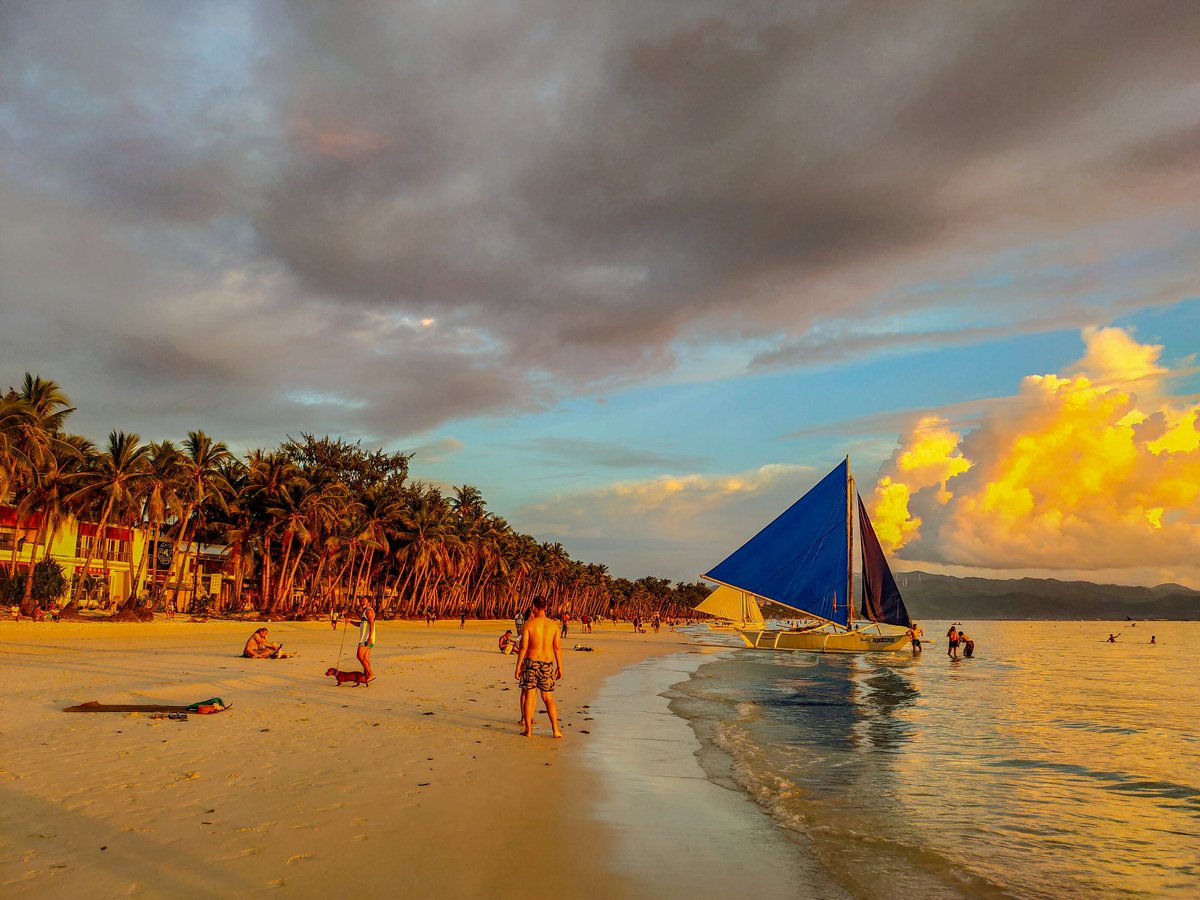
August in Boracay means the habagat. The southwest monsoon reshapes the island for 5 months each year, and August sits right in the thick of it. Average daytime temperatures reach 29.2°C (85°F) with lows around 25.4°C (78°F), so heat is not the problem. The monsoon is. White Beach, the roughly 4-kilometer stretch along the west coast, faces directly into the prevailing winds. The turquoise, glass-flat water from dry-season photographs belongs to the amihan months, November through April. In August, the sea turns grey-green, waves push seaweed onto the shore, and red-flag swimming bans go up along Stations 1 through 3 with little warning.
The island's east side tells a different story. Bulabog Beach, quiet and overlooked for most of peak season, transforms into one of Southeast Asia's top kiteboarding spots once the habagat delivers consistent winds of 15 to 25 knots. A small international community of riders arrives each year between June and October, and August tends to offer the most reliable wind days of the entire season.
For most visitors, though, the honest picture is this. Accommodation rates drop to their lowest point of the year. The crowd thins to a fraction of peak-season numbers, mostly Filipino travelers building long weekends around the national holidays in late August. The mood is quieter, damper, and more local than anything you will find between December and May. Whether that tradeoff works depends entirely on why you came.
Why visit in August
- Peak habagat wind season makes August the strongest month for kiteboarding on Bulabog Beach, with walk-in lesson rates typically lower than online prices and slot availability at its highest
- Accommodation rates across all three White Beach stations sit 40 to 60% below the December-to-April peak, making this the cheapest month to stay on the island
- The island operates at a fraction of peak capacity, so you will have restaurants, paths, and quieter coves largely to yourself
- Late-August public holidays bring a distinctly Filipino holiday atmosphere, with domestic visitors and local celebrations that peak-season tourists never encounter
Worth knowing
- Swimming on White Beach is unreliable. Monsoon-driven surf triggers lifeguard bans across most of the main shore for days at a time, leaving only narrow windows on calmer mornings
- Rain falls on roughly 24 of the 31 days. Showers are typically intense 20-to-40-minute tropical bursts, but multi-day overcast stretches hit at least once or twice during the month
- A portion of beachfront restaurants and bars along Station 2 close entirely for the wet season, and those that stay open often cut their hours or simplify their menus
- Boat transfers from Caticlan Jetty Port face weather-dependent cancellations during strong monsoon swells, potentially stranding travelers at the port for half a day or longer
Best for
Think twice if
Warm and saturated. High humidity makes every degree feel heavier, and stepping outside from air conditioning hits like walking into a warm, wet cloth. Mornings often start with broken cloud cover and brief windows of sun, but by mid-afternoon most days deliver a downpour lasting anywhere from 20 minutes to 2 hours. The habagat wind keeps the air from feeling fully stagnant, particularly along exposed stretches near Bulabog and Yapak. Nights barely cool, so air conditioning is less a luxury than a requirement for sleep.
Seasonal caution
- August falls within the active Philippine typhoon season, which runs June through November. Boracay's central Visayas position provides more shelter than the eastern seaboard, but tropical storms can bring 24-to-48-hour rain bands, dangerous swells, and flight cancellations with limited warning. Monitor PAGASA forecasts throughout your stay.
- Rip currents along White Beach intensify during habagat season. Swim only in lifeguard-patrolled areas and obey red-flag warnings without exception.
Year-round climate
Averages from the last 5 years.
| Month | Avg high (°C) | Avg low (°C) | Rainfall (mm) |
|---|---|---|---|
| Jan | 27 | 24 | 279 |
| Feb | 27 | 24 | 194 |
| Mar | 28 | 25 | 133 |
| Apr | 29 | 26 | 109 |
| May | 30 | 26 | 129 |
| Jun | 30 | 26 | 177 |
| Jul | 29 | 25 | 310 |
| Aug | 29 | 25 | 225 |
| Sep | 29 | 25 | 347 |
| Oct | 29 | 25 | 362 |
| Nov | 29 | 25 | 264 |
| Dec | 28 | 25 | 293 |
Holidays and festivals in August
Public holidays
- Ninoy Aquino Day(Araw ng Kamatayan ni Senador Benigno Simeon "Ninoy" Aquino Jr.)21 August 2027
- National Heroes Day(Araw ng mga Bayani)30 August 2027
Best things to do in August
Kiteboarding at Bulabog Beach
water_sportsThe east-coast beach receives consistent cross-onshore winds during habagat, with a shallow sandy launch area that accommodates beginners and experienced riders sharing the same water. IKO-certified schools along the beachfront offer lessons and full gear rental.
August typically delivers 25 or more rideable days, making it the most reliable wind month of the June-to-October seasonBooking tipBook lessons 3 to 5 days ahead for morning slots, when wind is steadiest and the water is less crowded with other riders
Island hopping to Balinghai Beach and Puka Beach
boat_tripBoatmen run half-day trips from the Cagban port area to coves and beaches along the island's northern tip. Balinghai Beach sits in a small cove partially shielded from the monsoon swell. Puka Beach, on the far north near Yapak, is rougher but dramatic when waves hit the crushed-shell shoreline.
Reduced boat traffic in low season means smaller group sizes and more flexibility on timing and stopsBooking tipArrange departures for the morning before afternoon winds pick up. Confirm conditions with boatmen at Cagban on the day of travel.
Wetland nature walk at Balabag Wetland Park
natureRaised boardwalks loop through a mangrove and freshwater wetland in the island's interior, between the Bulabog shore and the main road. The walk takes roughly 30 to 45 minutes at an easy pace through dense tropical vegetation.
Monsoon rains fill the wetland to peak water levels and trigger the early wave of migratory birds moving through the Visayan flywayAviary Park visit
natureA walkthrough aviary in the island's interior featuring Southeast Asian tropical bird species in enclosed habitats. The covered design makes it one of the few activities completely unaffected by rain, and the surrounding grounds benefit from August moisture with particularly dense greenery.
One of the island's only fully rain-proof outdoor attractions, valuable when afternoon showers are a near-daily eventMount Luho viewpoint hike
hikingThe island's highest point, roughly 100 meters (328 feet) above sea level, reached by a short but steep path from the main road near Yapak. The viewing platform looks out over both coasts and the Sibuyan Sea beyond.
Habagat cloud formations produce the most dramatic skies of the year for photography, especially during breaks between rain bands in late afternoonBooking tipGo in the morning before trails get slippery from afternoon rain. Wear proper shoes, not sandals.
Filipino cooking class
culinaryHalf-day cooking classes run by operators near Station 2 cover classic Filipino dishes. August sessions tend to lean into monsoon comfort food, with sinigang, adobo, and kare-kare featuring prominently. You prep, cook, and eat what you make.
Rainy-day downtime creates demand for indoor experiences, and seasonal ingredients like tamarind and fresh prawns are at peak abundanceWhat to eat in August
In season: fruit
Lanzones
Philippine lanzones season starts around August, with the small translucent fruit appearing at wet-market stalls near Station 2. Early-harvest batches tend to be slightly more tart than the October peak, but the sweetness is already worth seeking out.
Rambutan
Wet-season rambutan fills fruit stalls across the island from July onward. The hairy red shells split to reveal sweet, lychee-like flesh, and August supply from Visayan farms keeps quality high.
Mangosteen
Philippine mangosteen peaks between July and September. The thick purple rind hides cool, white segments that taste somewhere between peach and citrus. D'Talipapa wet market usually stocks them by the kilo.
On menus now
Sinigang na hipon
Sour shrimp soup built on tamarind broth with green vegetables and whole prawns. A rainy-season comfort dish found at most carinderias along the Manoc-Manoc road, where portions tend to be generous and the broth is sharper than tourist-oriented versions.
What to drink
Buko shake
Young coconut blended with ice and its own water. Vendors along the Station 3 beachfront tend to use fresher coconuts than the busier central strip, and August humidity makes the cold sweetness more welcome than in drier months.
Regular events in August
Ninoy Aquino DayFree
National holiday marking the 1983 assassination of opposition senator Benigno Aquino Jr. Government offices, banks, and some businesses close for the day. The holiday generates a mid-month travel bump as domestic visitors take advantage of the day off.
August 21National Heroes DayFree
Public holiday honoring Philippine national heroes, falling on the last Monday of August. Combined with the earlier Ninoy Aquino Day holiday, it creates two distinct long-weekend windows that are the busiest stretches on the island during an otherwise quiet month.
Last Monday of AugustBuwan ng Wika (National Language Month)Free
August is National Language Month across the Philippines. Schools, barangay halls, and community centers hold Filipino-language programs, literary readings, and small cultural performances. Celebrations in Boracay are modest compared to Manila or Cebu, but you might catch a community event in Balabag or Manoc-Manoc.
Throughout AugustBest places this August
Bulabog Beach
beachThe island's east-coast beach runs roughly parallel to White Beach on the opposite shore. During habagat, steady winds and a wide, shallow launch area make it Boracay's most active stretch of sand. The shoreline has a rockier profile than the west side, with coarser sand and scattered coral fragments that call for proper footwear.
BulabogDiniwid Beach
beachA small cove north of Station 1, partially sheltered from the southwest monsoon by a rocky headland. On calmer habagat days, Diniwid offers the closest thing to swimmable conditions on the west side. The beach stretches roughly 150 meters (490 feet) and stays significantly quieter than the main shore year-round.
DiniwidBalabag Wetland Park
natureA freshwater wetland and mangrove area in the island's interior, threaded with raised boardwalks. August rains bring the park to peak water levels and the densest greenery of the year, with mud crabs visible in the shallows and birdsong more prominent than during dry months.
BalabagBalinghai Beach
beachA small cove set into the island's northwestern coast, accessible by boat from Cagban or by a steep path through the rocks. The enclosed shape provides partial monsoon shelter, and even in August the water here tends to be calmer than the open western shoreline.
YapakBoracay Wetland Conservation Park
natureA conservation area separate from the Balabag site, focused on preserving the island's remaining freshwater ecosystem. August brings increased waterbird activity as seasonal visitors return from northern breeding grounds. A short boardwalk loop takes roughly 15 to 20 minutes.
BalabagD'Talipapa Market
marketThe island's main wet market, where vendors sell fresh seafood, tropical fruit, and local produce. Pick your own fish, prawns, or shellfish from the stalls, then carry them to an adjacent cookshop for preparation. Low-season pricing in August means less tourist markup than the dry months.
Station 2
Your packing checklist
Tick items off as you pack. Your progress saves in this browser.
All packed — have a great trip.
Insider tips
The White Beach shore near Station 1 collects less seaweed than the stretches farther south, because the headland between Diniwid and Station 1 partially breaks the habagat swell. If west-side swimming matters to you, stay at the northern end.
The ferry crossing from Caticlan runs more reliably before 10:00 in the morning, when winds are typically lighter. If your flight arrives later in the day, prepare for potential port delays of an hour or more.
D'Talipapa wet-market prices drop noticeably in August once the peak-season tourist markup evaporates. Choose your seafood at the stalls, then carry it to one of the adjacent cookshops for preparation. The savings compared to a beachfront restaurant are significant.
Kiteboarding schools on Bulabog offer walk-in rates that beat their own online booking prices during low season. Show up, negotiate directly, and ask about multi-day lesson packages rather than booking single sessions.
Avoid these mistakes
- Booking a beachfront resort on White Beach expecting the calm, turquoise conditions from promotional photos. Those belong to the amihan season, not August. The habagat turns the entire western shore rough for weeks at a time. Consider east-side accommodation near Bulabog if wind sports are the priority.
- Flying into Kalibo International Airport (KLO) instead of Godofredo P. Ramos Airport in Caticlan (MPH). The Kalibo route adds a 90-minute van ride on roads prone to monsoon flooding, and the longer boat crossing is more exposed to rough seas than the short Caticlan transfer.
- Packing only beach gear with no plan for rainy days. With showers on most of the month, you need at least 2 or 3 indoor alternatives lined up, whether cooking classes, the Aviary Park, or spa sessions.
Practical tips for August
Confirm boat schedules with the Caticlan port on the morning of travel, as departures run on a weather-dependent basis during habagat season. Book flights through Godofredo P. Ramos Airport in Caticlan rather than Kalibo to minimize ground transit in monsoon conditions. Most ATMs around D'Mall in Station 2 operate year-round, but a few smaller bank branches reduce hours during low season. Pack any specific medications from Manila or the mainland, since pharmacy stock on the island can thin when tourism slows. Restaurants that stay open tend to close by 21:00 or 22:00 instead of midnight. Tricycles are the main transport between beaches and barangays, and fares are unmetered, so confirm the price before boarding. Mobile coverage from Globe and Smart reaches the main areas, though data speeds slow during heavy rain.
FAQ
Is August a good time to visit Boracay?
For most travelers, no. The southwest monsoon makes White Beach rough and often un-swimmable, rain hits on most days, and portions of the island's hospitality infrastructure shut down for low season. The notable exception is kiteboarding. If you are here for wind sports, August is one of the best months of the year on Bulabog Beach. Budget travelers who can tolerate unpredictable weather will also find the lowest accommodation rates on the island.
What is the weather like in Boracay in August?
Warm, humid, and wet. Temperatures hover in a consistent tropical range, not extreme by Southeast Asian standards, but the constant moisture makes outdoor time tiring. Expect rain on most days, usually as intense afternoon bursts rather than all-day grey. The prevailing wind keeps things from feeling stagnant but churns up the western shoreline.
Can you swim at White Beach in August?
On some days, briefly. On many days, not safely. The habagat pushes directly into the west-facing shore, producing rough surf and triggering lifeguard swimming bans. The northern stretch near Station 1 tends to be calmer than the central and southern sections. For more reliable water access, try the sheltered coves at Diniwid or Balinghai.
Is Boracay crowded in August?
Rarely. August is deep low season, and the island runs at a fraction of its December-through-April capacity. The two exceptions are the long weekends around Ninoy Aquino Day and National Heroes Day, when domestic Filipino travelers fill a share of the available rooms. Even those weekends feel subdued compared to dry-season peaks.
Is August typhoon season in Boracay?
The broader Philippine storm season runs June through November, and August falls within it. Boracay sits in the central Visayas, which gives it more shelter than the country's eastern coast, but tropical weather systems can still disrupt travel at short notice. Flight cancellations and boat-transfer suspensions happen without much lead time. Travel insurance that covers weather disruptions is worth arranging before departure.
Last verified by automated review (v1.7.2) on . What is automated review?