What cultural etiquette should I know for Boracay?
Most etiquette traps in Boracay are municipal rules rather than social ones. Don't smoke or drink on the White Beach sand, and don't take sand or shells home. Call any man serving you 'kuya' and any woman 'ate', and add 'po' when speaking to elders. Cover up off the beach, and never scold a tricycle driver in public: making someone lose face matters here.
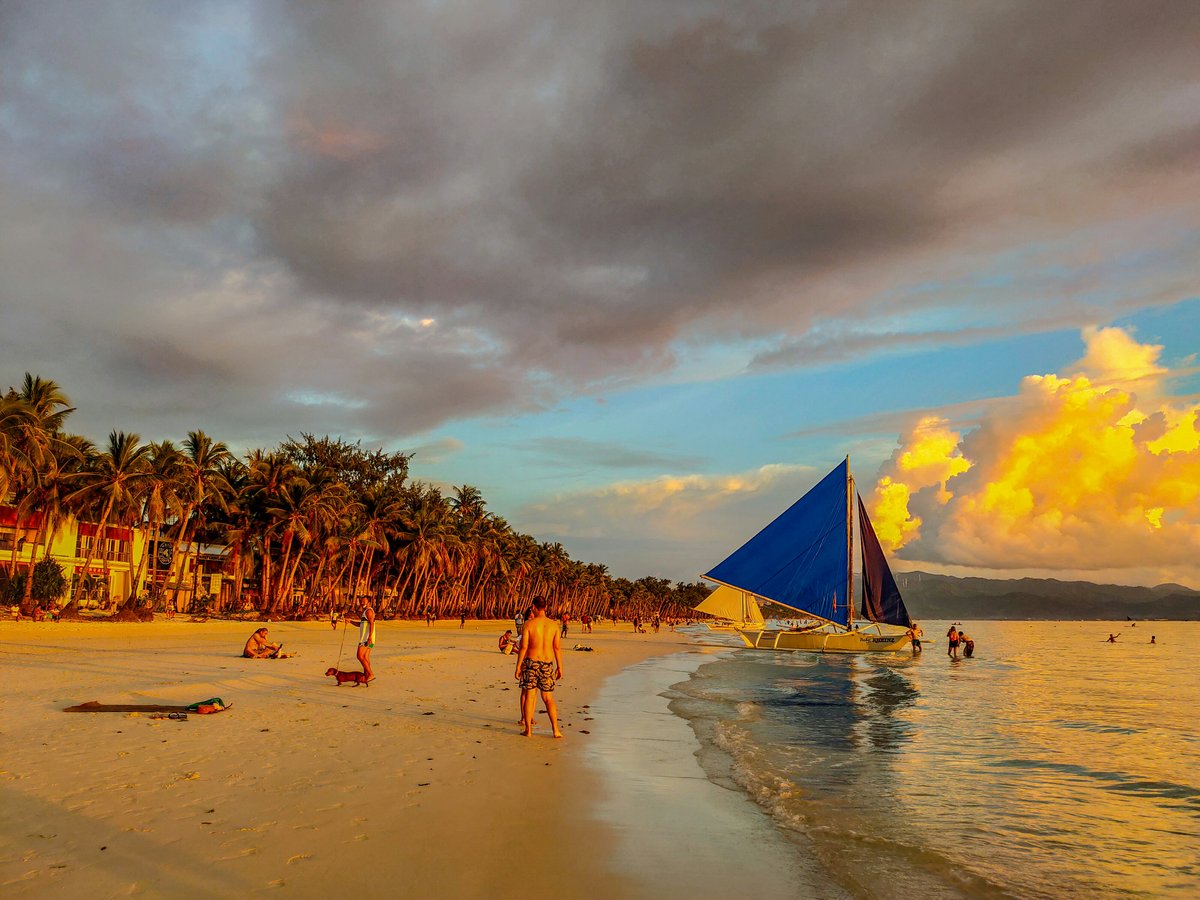
Most etiquette slips in Boracay break a rule rather than a social custom, and the reason traces back to the six-month closure that President Rodrigo Duterte ordered on 26 April 2018. The island reopened on 26 October 2018 under a rulebook that the Malay municipal government still enforces along White Beach. Beach parties on the White Beach sand are gone, and buildings inside the 30-metre easement from the waterline, which is 25 metres plus a 5-metre buffer, were torn down during the rehabilitation. Staff at the Caticlan Jetty Port may still ask to see a booking at a hotel accredited by the Department of Tourism, so keep the confirmation email on your phone, not buried in a spam folder.
Filipino social life runs on hiya, a sense of shame that makes a public scolding worse than whatever prompted it. If an e-trike driver on Main Road quotes PHP 150 for a ride you know costs PHP 50, smile, name your price, and walk to the next one. Shouting at a D'Mall shop clerk tends to get you a frozen smile and slower service, not a refund. Haggling, though, is expected at D'Talipapa, the wet market off Station 2: you pick a lapu-lapu (grouper) or a kilo of prawns, still cold and slick on the ice, agree the price once, then carry the bag to a paluto restaurant next door, which cooks it for a per-kilo fee. Reopening the price after you've shaken on it is the rude part.
The Ati, the island's indigenous people, mostly live in a settlement in Barangay Manoc-Manoc in the south, on land they were granted titles to during the rehabilitation. Ask before you photograph anyone there, and buy one of the woven bags they sell rather than handing coins to children. Boracay's LGBTQ+ friendliness rates 4.5/10 (sourced from TTDI's editorial rubric). Same-sex couples holding hands at Station 2 rarely draw a second look, though Filipino couples of any kind keep kissing for private places, and visitors should too.
Expect a loud island. Videoke machines in the Bulabog guesthouses run until around 10pm, and roosters in Manoc-Manoc are up before 5am; both are normal here, so complaining to your host will earn you a polite nod and nothing more. Earplugs from the Budget Mart in D'Mall cost about PHP 100. Diniwid Beach is a 10-minute walk north of Station 1 along the cliffside path, and before 8am it smells of garlic rice frying in the small family kitchens, the sand still cool underfoot.
Cultural norms
Filipinos greet with a soft handshake and append "po" or "opo" to sentences when addressing elders. The "mano po" gesture, pressing the back of an elder's hand to your forehead, signals deference in family settings. Pointing with a finger is rude; locals indicate direction with their lips or a nod of the chin.
Boracay runs on beachwear along White Beach and D'Mall, but if you step into the Holy Rosary chapel in Balabag, cover your shoulders and skip the swimwear. Government offices expect trousers or a skirt past the knee and closed shoes rather than sandals.
Tipping is appreciated but not obligatory. Twenty to fifty pesos for hotel housekeeping and ten percent at restaurants when no service charge appears on the bill are standard. Tricycle drivers do not expect tips, though rounding up the fare is a welcome gesture. Most sari-sari stores and small vendors deal only in cash; card terminals concentrate in resorts and larger restaurants.
The most common visitor misstep is littering on the beach. Boracay enforces a smoking and littering ban with fines starting at five hundred pesos, and drinking alcohol on the sand outside designated areas can also draw a citation. Loud or confrontational behavior reads as a serious breach of "hiya," the Filipino concept of social grace, and raised voices in public cause real discomfort.
Greetings
Call any man serving you 'kuya' (older brother) and any woman 'ate' (AH-teh), from boatmen to waiters, and add 'po' to sound respectful, as in 'salamat po' (thank you). Locals speak Aklanon and Hiligaynon, but English works everywhere. A quick raised eyebrow means yes, and to call someone over, beckon with your palm facing down.
Don't do this
- Lighting a cigarette or opening a beer on the White Beach sand; both belong in the designated areas behind the beachfront.
- Bottling sand, puka shells or coral to take home; screeners at Caticlan airport confiscate it.
- Raising your voice at a tricycle driver, waiter or shop clerk in front of others.
- Photographing Ati residents in Manoc-Manoc without asking first.
- Reopening a price at D'Talipapa after you and the vendor have agreed on it.
- Carrying single-use plastic bags or straws; Malay municipality restricts them, so bring a reusable bottle.
- Walking into a Filipino home with your shoes on.
Tipping
Check the bill first. Most Station 1 and Station 2 restaurants add a 10% service charge, and when they do, nothing more is needed. Without one, leave PHP 50 to 100. Island-hopping boat crews expect PHP 200 per group, and spa therapists PHP 100, about US$1.60.
Dress code
Swimwear belongs on the sand, so put on a shirt and shorts before you walk into D'Mall, a restaurant, or a sari-sari store. Topless sunbathing isn't tolerated anywhere, and tourist police will tell you to cover up. Humidity reached 95% this morning, so linen beats cotton, and a sarong over a swimsuit is fine in the Station 2 cafes.
Religious norms
Roughly four in five Filipinos are Catholic, and at Holy Rosary Parish in Balabag that means covering your shoulders and knees and keeping quiet during Mass. During Holy Week, families from Manila crowd the island, and Good Friday is subdued, with some bars closed. In January, Boracay holds its own Ati-Atihan in honour of the Santo Niño. Join the dancing if someone smears soot on your face, but don't treat the costumes as a joke.
Last verified by automated review (v1.7.2) on . What is automated review?