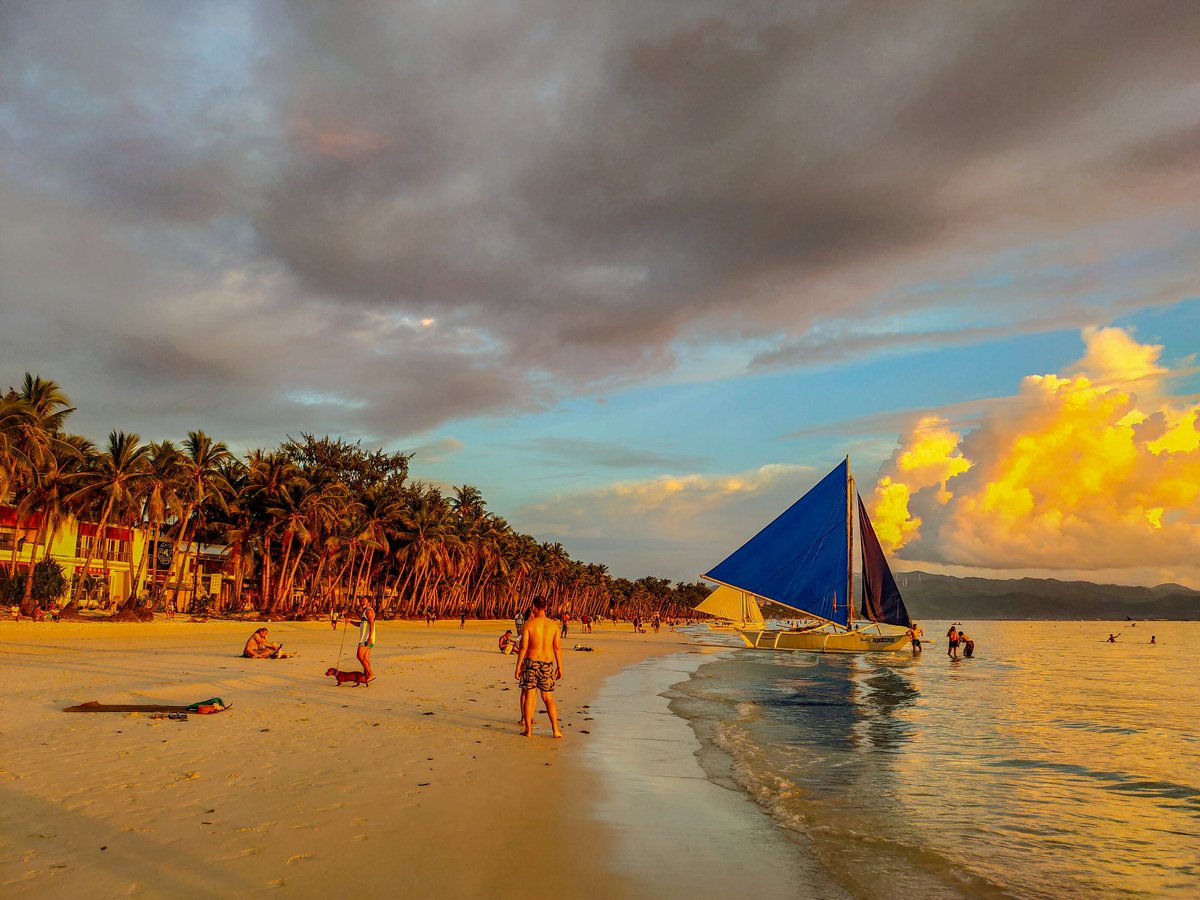
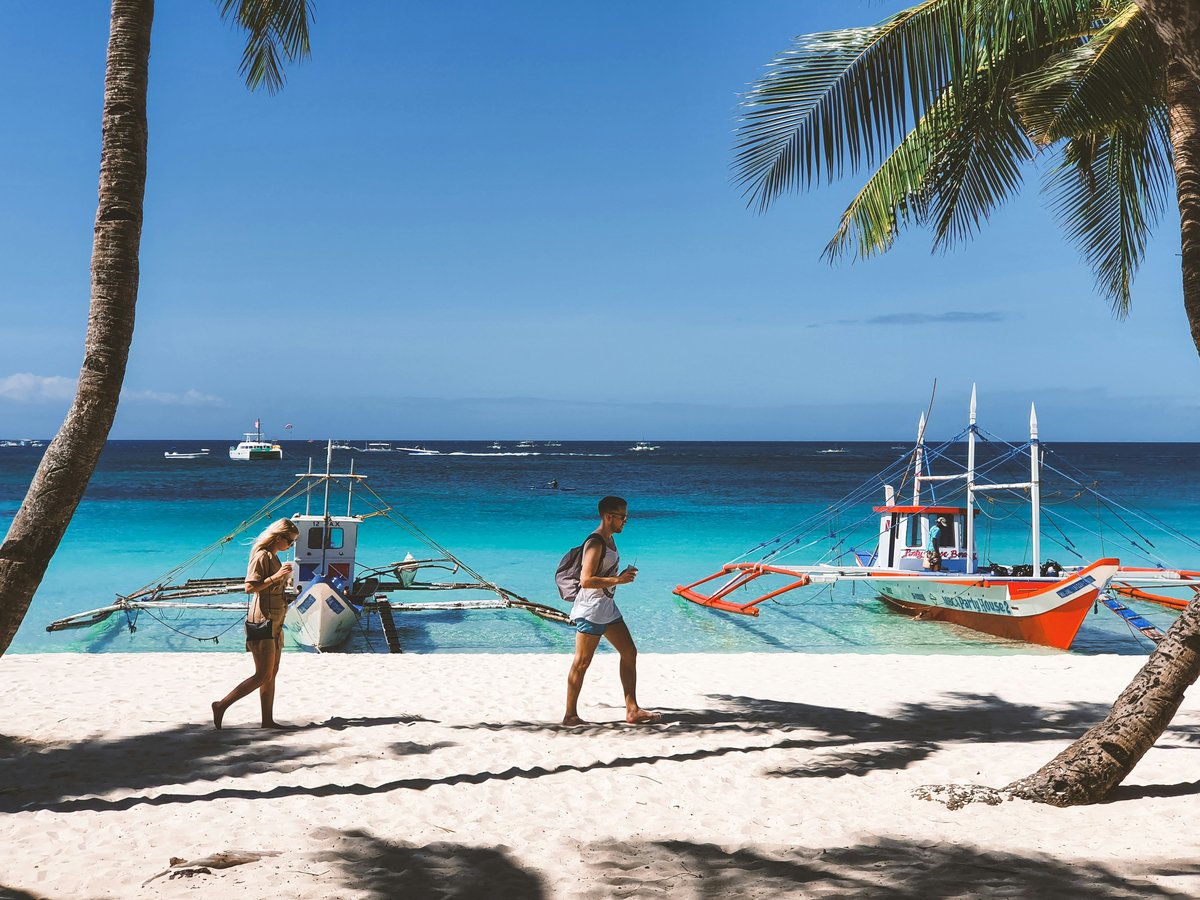
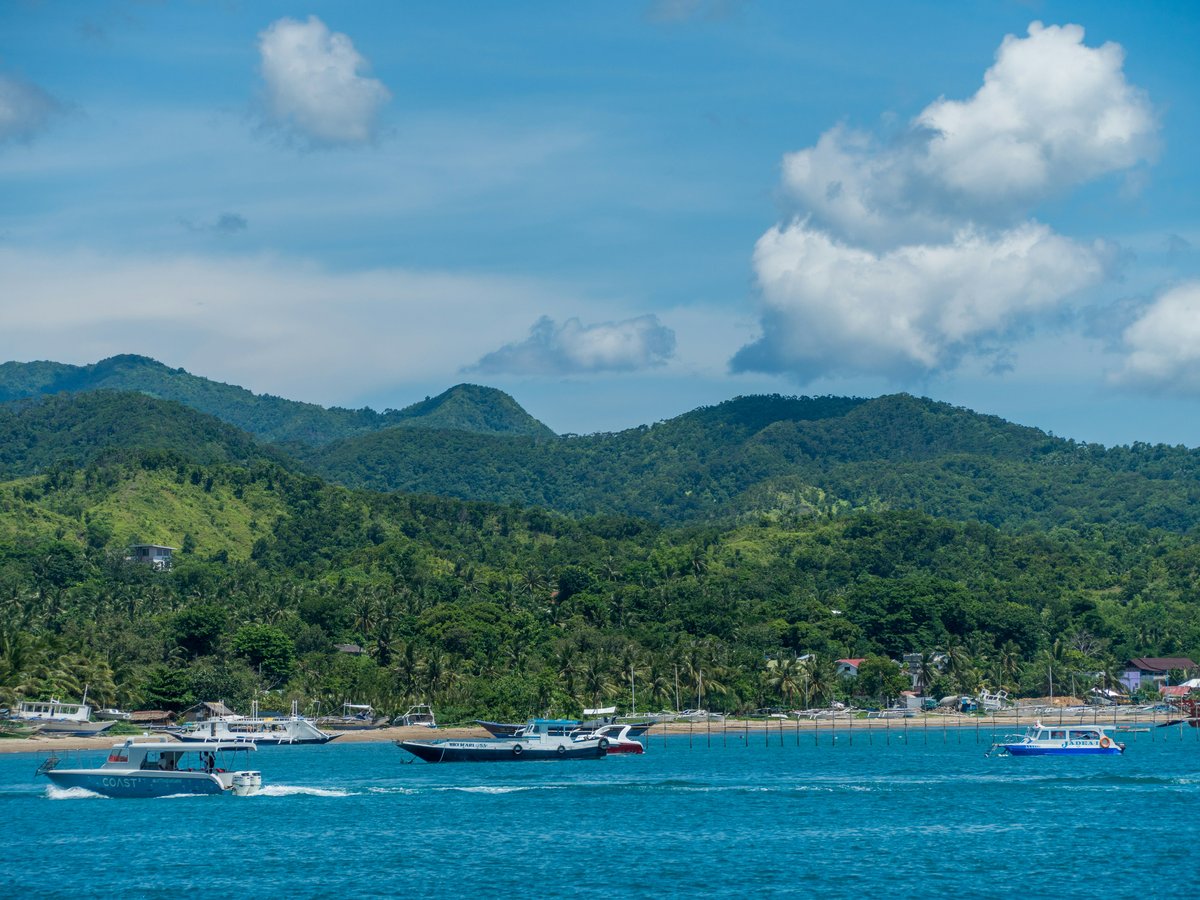
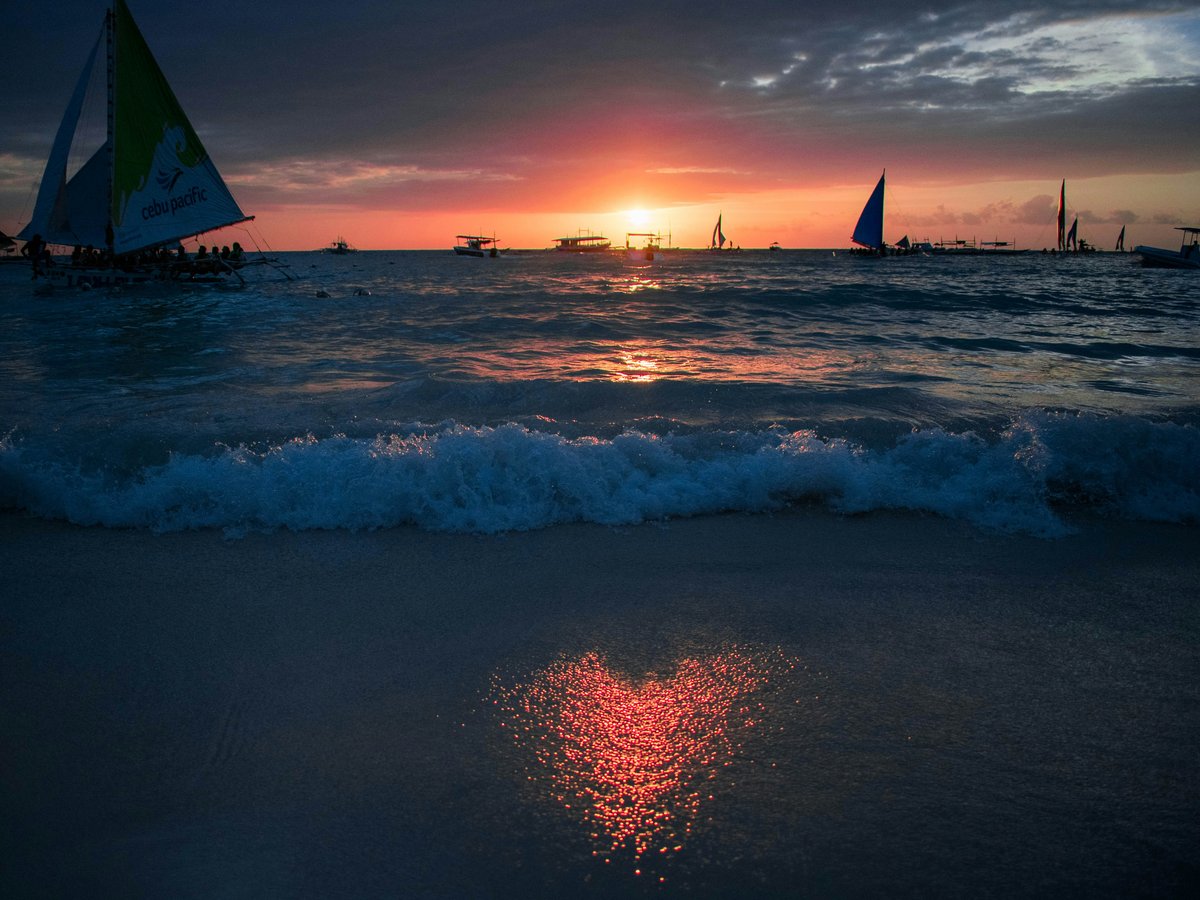
Boracay is a 1,032-hectare island in the Western Visayas, roughly 315 kilometers south of Manila, and its reputation rests almost entirely on one geographic feature: White Beach, a four-kilometer crescent of crushed coral sand so fine it feels like flour underfoot. The island sits in Malay municipality, Aklan province, and despite a footprint narrow enough to walk across in under twenty minutes, it draws more than two million visitors a year. That volume nearly destroyed it. In 2018, President Duterte called Boracay a cesspool and shut the entire island to tourists for six months, a forced rehabilitation that overhauled sewage systems, demolished illegal structures encroaching on the beach setback, and imposed carrying-capacity limits that remain in effect today. The island reopened quieter, cleaner, and far less chaotic than the party destination it had become through the 2010s. Its three barangays each carry a distinct feel. Yapak in the north holds Puka Shell Beach, rockier and less manicured than White Beach, favored by visitors who find Station 1's resort density oppressive. Balabag in the center is where D'Mall sits, the island's commercial spine of restaurants, money changers, and souvenir shops connecting the beachfront to the main road. Manoc-Manoc in the south is where most residents live, and where the Cagban jetty port delivers arriving passengers from Caticlan on the mainland. White Beach itself divides informally into three stations: Station 1 at the north end draws the resort crowd, Station 2 is the commercial and nightlife center, and Station 3 at the south end offers budget rooms and a grittier atmosphere. A first visit starts with a motorized tricycle from the port, settles into the sand by midmorning, and ends watching a sunset that turns the Sibuyan Sea a deep copper, the one spectacle on this island that has never needed rehabilitation.
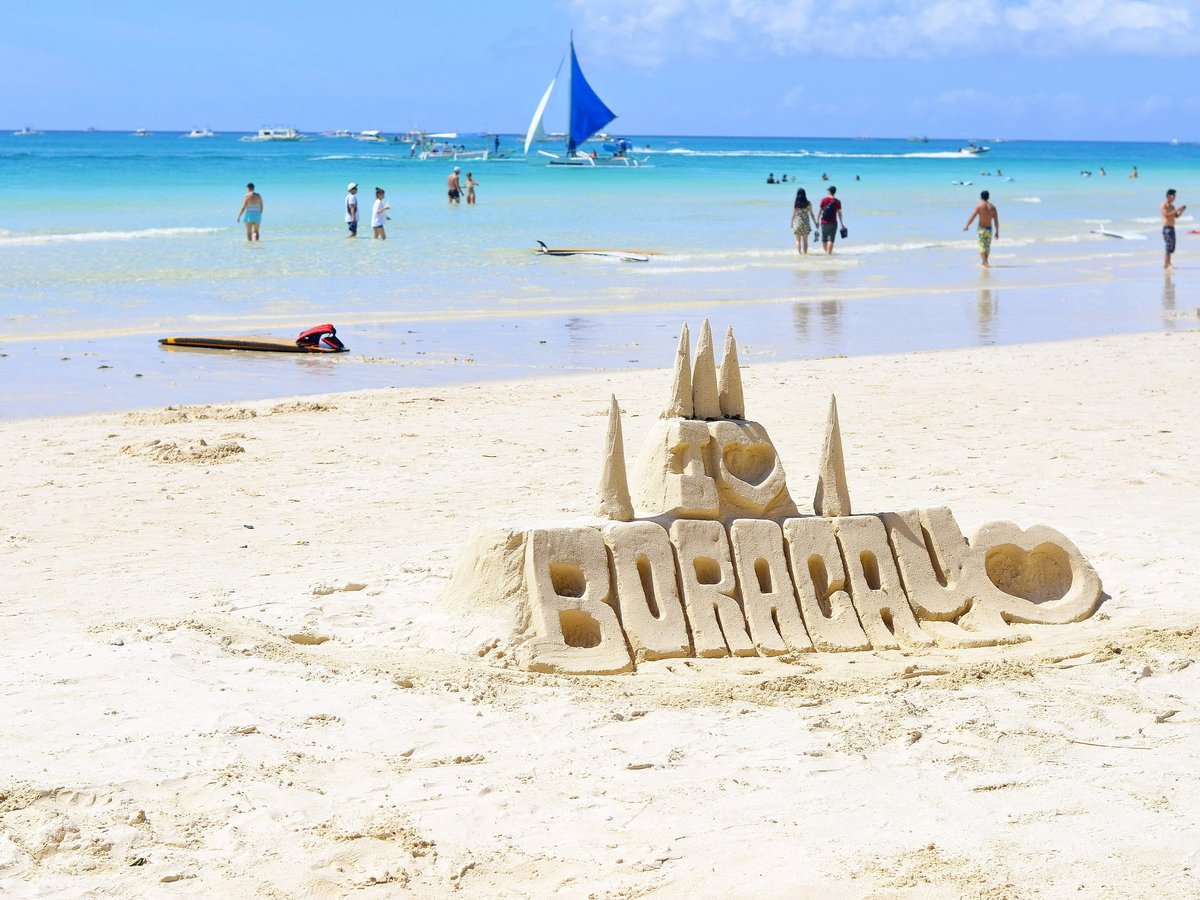
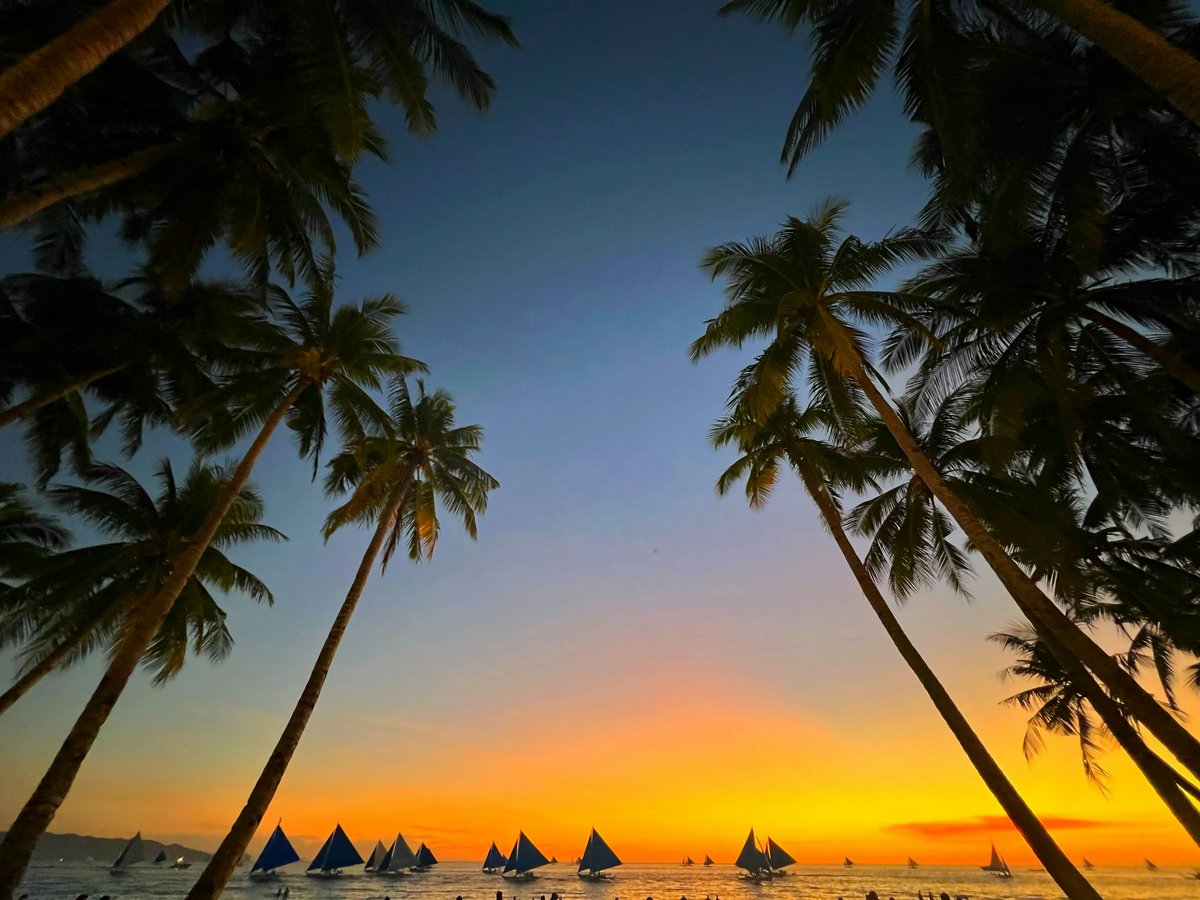
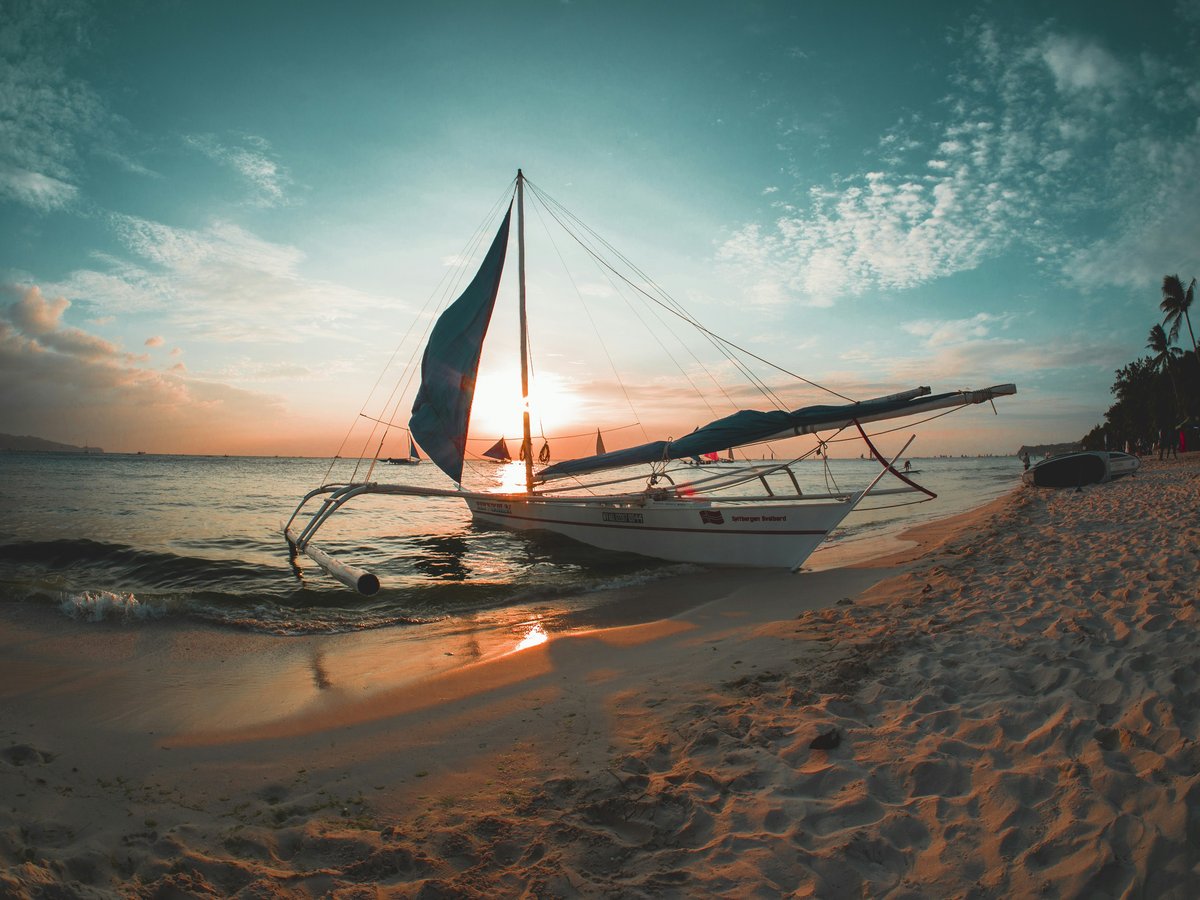
Boracay in photos
Boracay right now
Answers about Boracay
-
Airport to city
Boracay has no airport on the island. Fly to Caticlan (MPH) for the shortest transfer, about 30 minutes total. A tricycle reaches Caticlan Jetty Port in 10 minutes, then a 15-minute bangka boat crosses to Cagban Port. Total fees run about 295 PHP ($4.70). Kalibo (KLO) works too but adds a 2-hour van ride before the same crossing.
Read the full answer → -
Best time to visit
December through April is the window. The Amihan northeast monsoon keeps Boracay dry, with temperatures around 26-31°C and humidity in the low 70s. White Beach sand stays firm underfoot, and boat transfers from Caticlan run on schedule. November and May work too, though you'll catch occasional afternoon showers.
Read the full answer → -
Cost per day
Budget ₱1,900/day ($30) gets a Station 3 dorm bed, D'Talipapa grilled seafood, and tricycle rides. Midrange ₱5,300 ($85) covers a Station 2 hotel room, sit-down meals, and one island-hopping tour. Luxury starts at ₱13,800 ($220) for beachfront resorts and private boat charters. Cash-only arrival fees and Station 1 restaurant markups add to every tier.
Read the full answer → -
Best day trips
Ariel's Point in Buruanga, 12 km by boat, is the strongest full-day trip from Boracay at around 2,500 PHP per person with cliff jumping and an open bar. Crystal Cove Island and Carabao Island are shorter bangka excursions. Tibiao's kawa hot bath in Antique Province, 80 km via Caticlan, is the romantic mainland option but requires a 6 AM start.
Read the full answer → -
Food culture
Boracay's food culture centers on D'Talipapa, a wet market where you buy raw seafood by the kilo and pay cooking stalls 100-150 PHP to grill, fry, or stew it to order. Coastal Visayan dishes like kinilaw (vinegar-cured raw fish) and chicken inasal define the local table. Station 3 has the best Filipino food at mainland prices, while Station 1 charges 3-4 times more.
Read the full answer → -
Getting around
Walking and e-trikes. Boracay is 7 km long and barely 1 km wide at its narrowest, so most trips take under 15 minutes by e-tricycle. A shared ride costs 25-50 PHP (under $1 USD). The beachfront path from Station 1 to Station 3 covers 4 km on foot in about 45 minutes. No Grab or taxi service operates on the island.
Read the full answer → -
How to get there
Fly to Caticlan (MPH), 2 km from the jetty, or to Kalibo (KLO), 67 km north. Cebu Pacific and Philippine Airlines run 12-15 daily flights from Manila to both airports, costing PHP 2,000-6,000 one way. From Caticlan Jetty Port, a 10-minute bangka boat crosses to Cagban Port on Boracay's south tip. Budget PHP 400 for terminal and environmental fees.
Read the full answer → -
Is it safe?
Boracay scores 7.2 out of 10 for solo-traveler safety (see the TTDI Solo-Safety Index). The island runs about 7 km tip to tip, and the main beachfront path stays lit and busy after dark. Violent crime against tourists is rare. Real risks are rip currents at Bulabog Beach, tricycle fare disputes, and limited medical facilities. Dial 911 for emergencies.
Read the full answer → -
Where locals go
Station 3 and Manoc-Manoc are where Boracay's service-industry workers live, eat, and spend their days off. D'Talipapa wet market in Balabag is the morning grocery run, not a tourist attraction. A San Miguel at a Station 3 sari-sari store runs 45-50 PHP, about a sixth of what Station 1 bars charge for the same bottle.
Read the full answer → -
Must-see
White Beach at Station 1, walked at 6am before the sand heats up. Boracay's 4-kilometre western shoreline runs from Station 3 near Cagban jetty port north to Diniwid, but the Station 1 stretch has the finest powder-grain sand and the fewest touts. No reservation needed. The whole beach is free.
Read the full answer → -
3-day itinerary
Day 1 walks White Beach end to end, from Station 1 south to Station 3 and back north to Diniwid, about 5 km on sand. Day 2 crosses to Bulabog Beach or takes an island-hopping bangka to Crystal Cove. Day 3 heads to Puka Shell Beach and Balinghai at the northern tip. Tricycles fill the gaps.
Read the full answer → -
What to avoid
Skip the helmet diving operators along White Beach Station 1, the tricycle drivers who quote three to five times the regulated fare from Cagban port, and any beachfront restaurant with a laminated photo menu. Avoid the Bulabog Beach side of the island during habagat season from June through October, when southwest winds push rough surf and plastic debris onto shore.
Read the full answer → -
What to pack
Pack reef shoes before anything else for Boracay. Volcanic rock and urchin spines line the shallows beyond White Beach's sandy main stretch. Add quick-dry clothing for year-round humidity above 80%, a waterproof dry bag for the bangka crossing from Caticlan, and a rashguard for sun protection. Buy reef-safe sunscreen at island prices instead of packing it.
Read the full answer → -
Where to stay
Station 1 on White Beach for a first visit. The sand runs widest here, 30 to 40 meters at low tide, and D'Mall is 10 minutes south on foot. Mid-range rooms cost PHP 4,000 to 8,000 per night ($64 to $127). Station 3 at the south end costs roughly half that if price matters most.
Read the full answer →
Deep guides for Boracay
-
Boracay Restaurants: What's Worth It
Twelve kitchens along D'Mall Avenue, Calle Remedios, Main Road, and Ambulong Street, sorted into two honest tiers and judged one by one. Each verdict names who the room is right for, when to go, and why the locals eat there instead of on the beach.
Read the guide → -
Best Time to Visit Boracay, by Season
Boracay's annual temperature range spans only 3.3°C, from January's 26.9°C high to May's 30.2°C peak. Two monsoon seasons split that narrow band into completely different islands, and the best month depends on what you are willing to trade away.
Read the guide →
Curated lists for Boracay
accommodation
-
Best boutique hotels
Boracay's accommodation lines a sandbar seven kilometers long, and most of it faces one beach. White Beach runs along the western shore from the quiet southern stretch at Boat Station 1 through the commercial center at Boat Station 2 to the calmer, lower-cost Boat Station 3 at the north end. The eastern shore is different in character: Bulabog Beach catches the trade winds and draws kite-surfers, while Newcoast is a newer development grid near the island's center. At the northern tip, Balinghai Beach hides behind a cliff you reach by stairs, not by beachfront stroll. The neighborhood question here is simpler than in a sprawling city, but it still shapes the trip. Station 2 puts D'Mall, the restaurants, and the late-night noise within walking distance of every door. Station 1 offers the same sand with fewer hawkers and a quieter night. Station 3 trades polish for price. The eastern-shore zones cost less but sit a tricycle ride from the sunset side, and the cove at Balinghai delivers seclusion at resort rates. On an island this small, a wrong neighborhood pick means a nightly tricycle commute to the beach you wanted.
See the picks → -
Best hostels
Boracay sorts itself by coastline. The island's western shore, White Beach, draws the crowds and the markup. The eastern side, Bulabog Beach, faces the wind and keeps prices honest. North, Puka Beach sits quiet and undeveloped. Off the island entirely, the mainland town of Malay holds the ferry terminals and the cheapest beds before or after the crossing. For hostel travelers, the question is not which beach looks best in photos; it is how much you will pay for proximity to the one that does. White Beach commands the highest nightly rates even at the budget tier, while Bulabog and Puka price beds at a fraction for a short tricycle ride to the same sand. The island is small enough that no neighborhood sits truly far from another, but the character shifts block by block: White Beach's beachfront path hums past midnight, Bulabog goes quiet after the kitesurfers pack up, and Puka barely has streetlights. Pick the coastline that matches your noise tolerance and your budget, and the right bed follows.
See the picks → -
Where to stay
Boracay is a small island in the Western Visayas where nearly every hotel sits within walking distance of the beach. The differences between neighborhoods here are measured in minutes, not miles: the southern boat stations cluster the loudest bars and the densest hotel inventory, the midpoint draws the resort chains that want both beachfront and calm, and the northern coast thins to a handful of properties that trade convenience for seclusion. White Beach runs most of the island's western shore, and the sand is the constant, but the crowd and the price tier shift noticeably every few hundred meters. Bulabog Beach on the east side faces the wind instead of the sunsets, which keeps room rates low and kiteboarders happy. The practical question is not whether you will reach the beach; from anywhere on the island, you will. The question is whether you want to fall asleep to bar music or wave noise, and how far you are willing to ride a tricycle for dinner.
See the picks →
food
-
Best cafes
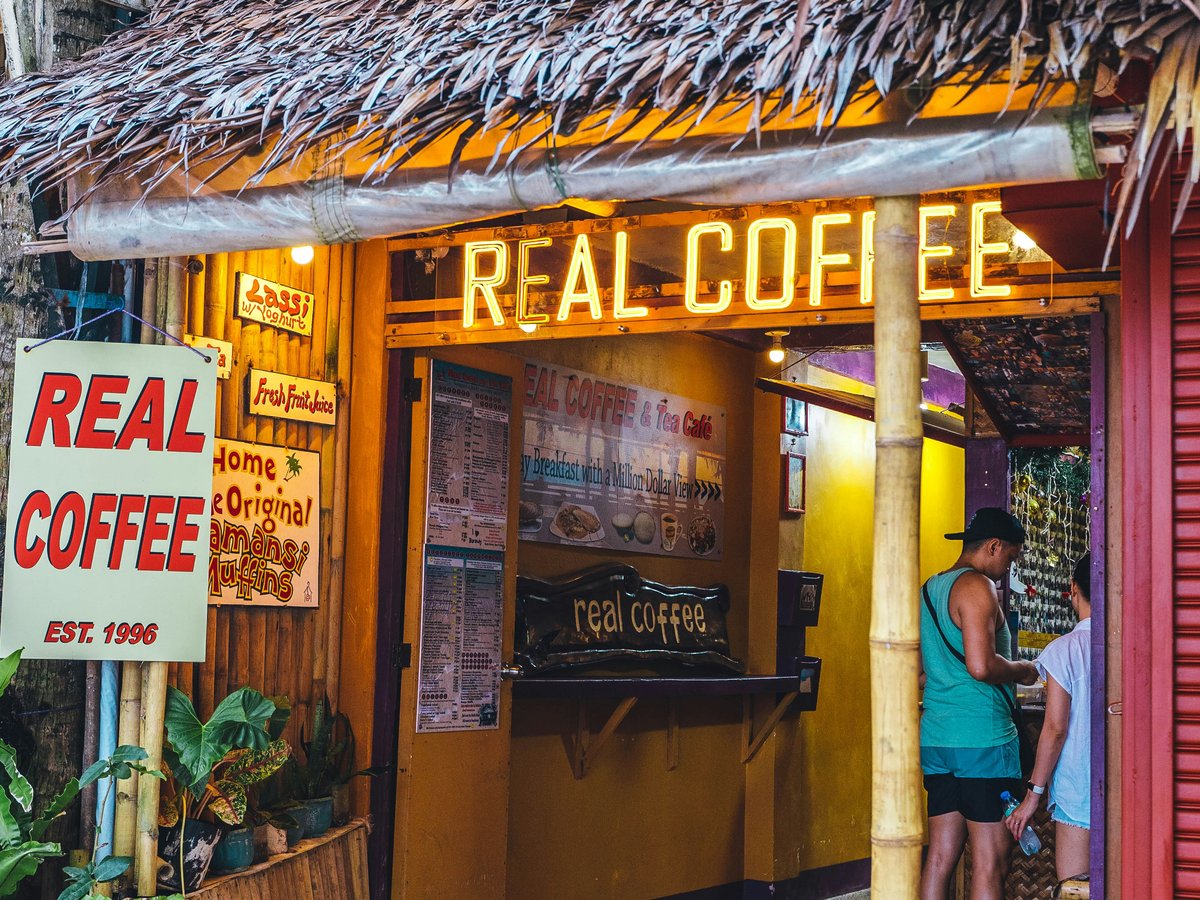
Boracay's cafe scene is not what the White Beach brochures suggest. Away from the smoothie stands and the beachfront chains, a small working circuit of coffee bars, drip counters and all-day kitchens keeps the island's residents fed between shifts at the resorts. The map runs north to south along the spine of Malay, from Diniwid Road down through D'mall and out along Ambulong Street toward the southern end. What you get is short black coffee, Filipino breakfasts, and, in a few cases, the kind of dawn-to-late opening that only makes sense on an island where the workday is split around the sun. This is a list for the visitor who has already done the sunset at Station 1 and would rather spend the morning where the boat crews and the shop staff drink their first cup. Eight cafes, ranked by how honestly they earn their slot, mapped so you can walk between them, and cited so you can trust the hours before you set out.
See the picks → -
Best restaurants
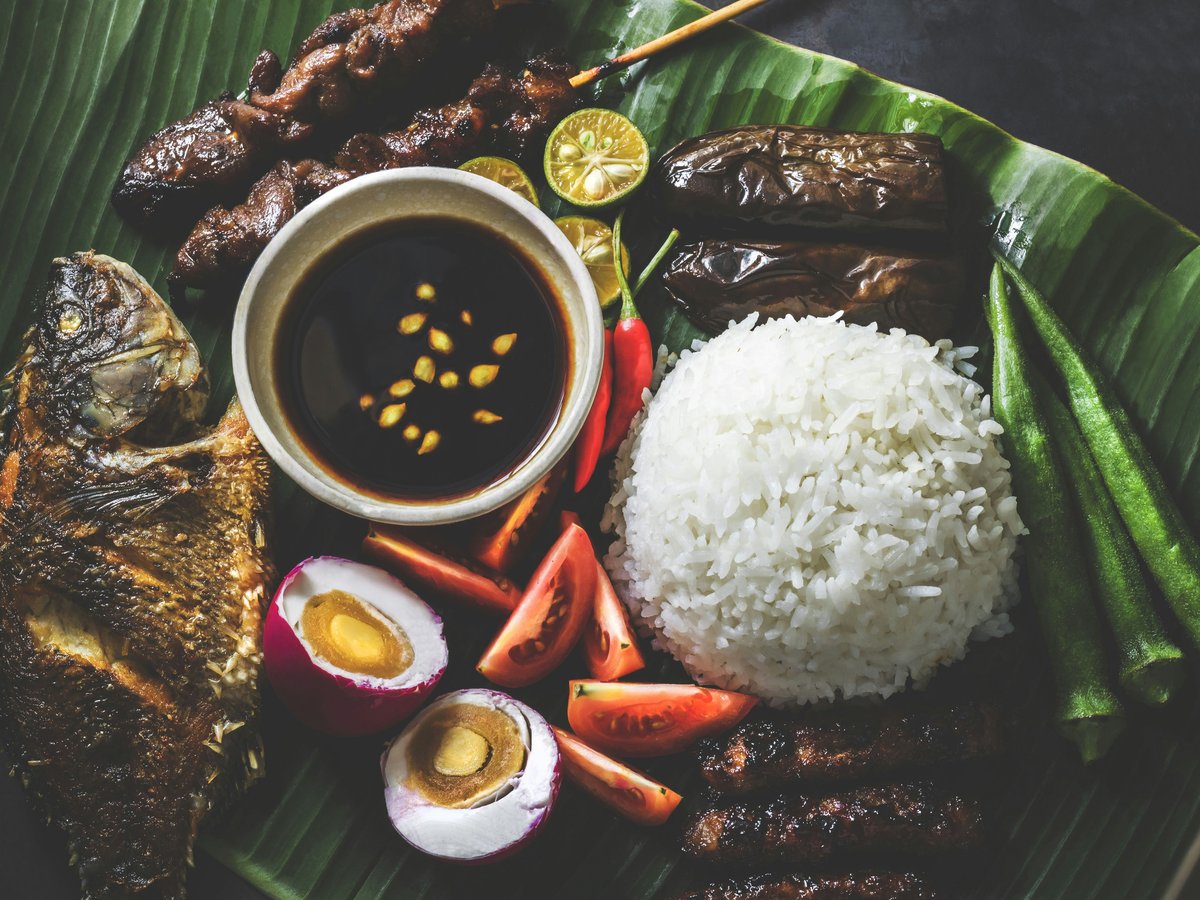
Boracay's restaurant map is small, dense, and stubbornly personal. Twelve kilometres of island support a kitchen scene that runs from Spanish tapas rooms with two decades of muscle memory to grill stalls that fire up at 17:30 and shutter by 22:30. The White Beach strip gets the postcards, but the eating happens off it, along Calle Remedios in Station 2, up Ambulong Street toward the wetlands, and on the Main Road above D'Mall where the locals queue. This list is for the visitor who wants to eat where the island eats, not where the beach vendors point. Expect Filipino regional cooking done seriously, seafood that arrives whole, Korean grill rooms sized for a family of six, and a couple of oddities, a steampunk-themed cafe among them, that could only exist on an island small enough for a single strong idea to dominate a block. Addresses cluster in the 5608 postal code; hours skew late; phone numbers still matter here, because a walk-in on a Saturday at 20:00 is a gamble even in low season.
See the picks →
Browse by traveler type
Last verified by automated review (v1.7.2) on . What is automated review?