Compare every Japan city in February →
Stay in Nagoya in February
75 hotels in the Trip.com pool for Nagoya, from US$9 a night.
Opens Trip.com on Fri 5 Feb to Sun 7 Feb 2027; change the dates there.
February in Nagoya is cold and quiet, and that's the single most important thing to know before booking. Daytime temperatures reach about 10°C (50°F), with nights dropping to 0.7°C (33°F) on average. The wind off Ise Bay adds a sharp edge, particularly along open stretches near the waterfront in Atsuta. Sakae and Meieki stay active. Most other neighborhoods thin out, and popular sites draw a fraction of their spring visitor counts.
Setsubun in early February fills Atsuta Jingu with the smell of roasted soybeans as families toss them in a ritual rooted in Muromachi-period tradition. National Foundation Day and the Emperor's Birthday both fall later in the month, creating 2 long weekends that add a mild pulse to the city. By the final week, the earliest weeping plum trees at the Nagoya Agricultural Center in Tenpaku begin showing pink and white blossoms.
Nishiki and Sakae, the city's two main dining and entertainment districts, keep their usual evening energy. Counter seats at tebasaki joints fill by 7 PM, and the crunch of deep-fried chicken wings and the tang of black pepper carry through the narrow corridors. Osu's covered arcade still fills with locals in the evening, even when the surrounding streets have emptied. The Higashiyama Line, Nagoya's busiest subway, still packs tight during the 8 AM rush even in the coldest week of the year.
Why visit in February
- Hotel and domestic-flight prices drop to near their annual lows. February sits in Nagoya's deepest low season, and weekday business-hotel rooms in Meieki and Sakae tend to be at their cheapest.
- Nagoya Castle's grounds and the Tokugawa Art Museum's galleries draw a fraction of their spring and autumn visitors. On a February weekday morning, you might have an entire gallery wing to yourself.
- Hatcho miso, the dark, dense variety aged 2 or more years in wooden barrels in nearby Okazaki, forms the base of Nagoya's cold-weather cooking. February is when clay-pot noodle dishes and street-side oden stalls run at full tilt.
- Early-blooming shidare-ume (weeping plum) trees at the Nagoya Agricultural Center begin flowering in the last week of February, offering a preview of spring without the festival crowds.
Worth knowing
- Genuinely cold mornings and evenings, with overnight temperatures near or below freezing and a biting bay wind that makes it feel colder than the forecast.
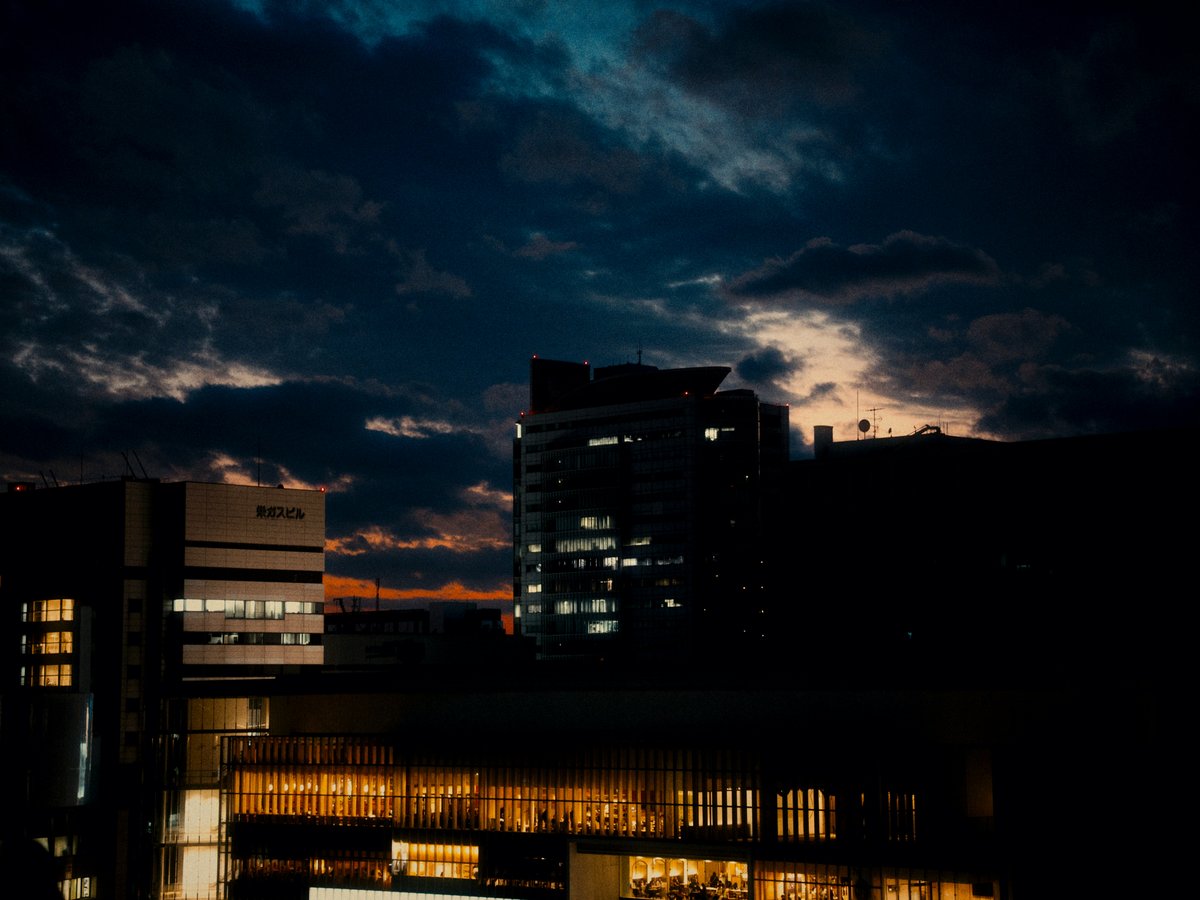
- Short daylight hours limit outdoor sightseeing. Sunset arrives before 5:30 PM in early February, cutting usable daylight to roughly 10.5 hours.
- The cultural and festival calendar is thin compared to spring and autumn. Outside Setsubun in early February, no major events draw visitors specifically to the city.
Best for
Think twice if
February sits at the tail end of Nagoya's winter. Skies alternate between pale blue and flat overcast, with rain falling on roughly 7 days across the month. Most showers finish within 30 to 60 minutes. Humidity sits at 69%, moderate by Japanese standards but enough to sharpen the chill against exposed skin. Occasional light snow is possible, though accumulation in central Nagoya is rare. Frost coats car windshields and park benches most mornings in residential areas like Mizuho. The heated interiors of the city's malls and train stations make stepping back outside feel sharper than the forecast alone suggests.
Seasonal caution
- Overnight temperatures can drop below 0°C (32°F), particularly in the first half of February and in residential wards away from the heated city center. Frost and icy patches appear on park paths and temple stone steps before mid-morning, making careful footwear important for early outings.
Year-round climate
Averages from the last 5 years.
| Month | Avg high (°C) | Avg low (°C) | Rainfall (mm) |
|---|---|---|---|
| Jan | 9 | 0 | 42 |
| Feb | 10 | 1 | 70 |
| Mar | 15 | 5 | 148 |
| Apr | 20 | 10 | 168 |
| May | 23 | 14 | 225 |
| Jun | 27 | 19 | 265 |
| Jul | 32 | 24 | 271 |
| Aug | 33 | 25 | 258 |
| Sep | 29 | 22 | 210 |
| Oct | 23 | 15 | 143 |
| Nov | 17 | 8 | 100 |
| Dec | 11 | 2 | 56 |
Holidays and festivals in February
Public holidays
- Foundation Day(建国記念の日)11 February 2027
- The Emperor's Birthday(天皇誕生日)23 February 2027
Best things to do in February
Early plum blossom viewing at Nagoya Agricultural Center
natureThe center's shidare-ume garden holds roughly 700 trees across a dozen varieties spread over several acres in Tenpaku. Pink, white, and red blossoms appear on gnarled branches against a backdrop of bare winter trees, and the quiet campus setting lends the viewing an unpretentious character.
The earliest weeping plum varieties begin opening by the final week of February, before the official March festival draws larger crowds. Late-February visitors catch the first color in relative solitude.Booking tipNo booking needed. Free admission. Weekday mornings are quietest.
Day trip to Inuyama Castle
historyInuyama Castle sits on a bluff above the Kiso River, one of only 12 original pre-Edo castles still standing in Japan. Founded in 1469, its steep wooden interior stairs lead to a top-floor observation room with views of the river valley and surrounding hills. The worn wood and low doorframes reward a slow visit.
February brings minimal visitors to Inuyama, so you can climb the narrow interior stairs at your own pace and linger at the top-floor lookout without competing for window space.Booking tipTake the Meitetsu Inuyama Line from Nagoya Station. The ride is about 30 minutes each way.
Explore Museum Meiji-mura
museumAn open-air museum in Inuyama housing 67 relocated Meiji-era buildings, including churches, banks, a brewery, and the entrance hall of Frank Lloyd Wright's Imperial Hotel from Tokyo. Founded in 1965, the grounds spread across a forested hillside above Iruka Pond.
Winter mist drifts through the grounds on cold mornings, and February attendance drops sharply. The museum feels more like a quiet Meiji-period village than a tourist attraction when the paths are empty.Booking tipAllow 4 to 5 hours for the full grounds. The internal shuttle bus runs a reduced winter schedule.
Tokugawa Art Museum winter exhibition
museumA museum dedicated to the heirlooms of the Owari Tokugawa family, including rotating displays of samurai armor, tea ceremony implements, and sections of the 12th-century Tale of Genji illustrated scrolls. The adjacent Tokugawa-en garden offers a brief outdoor walk between gallery rooms.
Winter exhibitions rotate in pieces from the permanent collection that are not shown in other seasons, and February's low foot traffic means you can study individual works at length without other visitors crowding the cases.Booking tipClosed Mondays. Tuesday and Wednesday mornings tend to be emptiest.
Miso nikomi udon crawl through Nishiki
foodWork through 2 or 3 different miso nikomi udon restaurants in the Nishiki and Sakae restaurant districts, comparing broth depth and noodle firmness across kitchens. The walk between shops keeps you warm enough to eat another bowl, and each restaurant's take on the dish differs more than you might expect.
Restaurants cycle through their richest, most labor-intensive miso broths during the cold months, and February sits at the tail end of that window before spring menus shift lighter. Evening foot traffic in Nishiki drops enough that the busiest shops rarely have waits exceeding 10 minutes.Booking tipNo reservations needed at most shops. Aim for weekday evenings between 6 and 8 PM to avoid the office-dinner rush.
Attend a Setsubun ceremony at Atsuta Jingu
culturalAtsuta Jingu's annual Setsubun ceremony fills the shrine grounds with incense smoke, the rhythmic beat of taiko drums, and the shouts of 'oni wa soto, fuku wa uchi' as families throw roasted soybeans to drive away evil spirits. The ritual's roots stretch back centuries.
The ceremony happens once a year in early February. The combination of chanting, drumming, and the smell of roasting beans in cold air creates a sensory atmosphere that no other month at the shrine matches.Winter onsen day trip to Gamagori
wellnessGamagori, a small coastal town on Mikawa Bay about 50 minutes southeast of Nagoya by JR, has several ryokan and public baths with rotenburo (outdoor hot spring baths) overlooking the water. The mineral-rich water and the sound of waves below make it a genuine restorative stop.
Cold February air makes the contrast between near-freezing outdoor temperatures and 40 to 42°C bath water dramatic. Steam rises off the surface against the winter sky, and the experience is qualitatively different from visiting in warm weather.Booking tipSome ryokan require advance booking for day-use bathing. Check availability 2 to 3 days ahead for weekends.
What to eat in February
In season: fruit
Aichi strawberries (ichigo)
Aichi Prefecture is one of Japan's major strawberry regions, and February marks peak harvest. Local varieties appear at supermarkets and kissaten (coffee shops) across Nagoya as parfaits, fruit sandwiches, and daifuku mochi. The flavor tends to be sweeter and more concentrated than imports.
On menus now
Miso nikomi udon
Thick wheat noodles arrive in a bubbling clay pot of dark red miso broth, with raw egg cracked into the center and green onion scattered on top. The earthenware retains heat for 15 to 20 minutes, keeping each bite searingly hot. The noodles, flatter and chewier than standard udon, hold up to the thick broth without going soft.
Fugu (blowfish)
Winter is peak fugu season across Japan, and Nagoya's access to Mikawa Bay fishing ports means reliably fresh supply. The flesh has a clean, delicate chew, and the skin is typically served chilled in ponzu. Restaurants in the Sakae and Nishiki areas offer multi-course fugu sets through March.
Street food peaks
Miso oden
Root vegetables, boiled eggs, konnyaku, and tofu slow-simmered for hours in dark red miso broth. Street vendors and yatai stalls set up near covered shopping arcades through the cold months, and the rich, salty warmth of each skewer takes the edge off a February evening walk.
What to drink
Amazake
A warm, sweet, lightly fermented rice drink served at shrine stalls and convenience stores throughout the winter months. The ginger-spiked version is common at festivals and temple grounds, and the gentle sweetness and thick texture sit somewhere between dessert and drink.
Regular events in February
Setsubun at Atsuta JinguFree
Annual bean-throwing ceremony at one of Japan's most important Shinto shrines, marking the traditional transition from winter to spring. Monks and invited guests throw roasted soybeans from a raised platform while crowds gather to catch them for good luck.
February 3Kenkoku Kinen no Hi (National Foundation Day)Free
A national public holiday celebrating Japan's mythological founding. Museums, shrines, and parks see a mild uptick in domestic visitors, and some Nagoya-area attractions run special programming.
February 11Valentine's Day chocolate exhibitionsFree
Department stores across Sakae set up elaborate chocolate exhibitions and tasting counters through the first 2 weeks of February. In Japanese tradition, women give chocolates to male friends and colleagues on this day.
Late January through February 14Osu Kannon ennichi marketFree
Monthly market days at Osu Kannon Temple, when vendors sell antiques, secondhand kimono, handmade goods, and snacks along the temple approach road. February's lower foot traffic makes browsing easier than in warmer months.
February 18 and 28Tenno Tanjobi (Emperor's Birthday)Free
National holiday marking the Emperor's birthday. A quieter observance than Golden Week or New Year, but JR and Meitetsu trains fill with domestic day-trippers heading to Inuyama and other nearby attractions.
February 23Shidare-ume Matsuri at Nagoya Agricultural CenterFree
The center's annual weeping plum blossom festival opens in late February, with trees across the grounds showing their first pink, white, and red blossoms. The festival continues into mid-March as later varieties reach full bloom.
Late February to mid-MarchBest places this February
Nagoya Castle
castleThe castle grounds, first built in 1532, offer a quieter experience in February than at almost any other time of year. The main tower has been closed for a wooden reconstruction project since 2018, but the restored Honmaru Palace is open, and its heated interior rooms display elaborate fusuma paintings by the Kano school. Bare deciduous trees along the moat open sightlines to the massive stone walls that are blocked by foliage in other seasons.
Naka-kuAtsuta Jingu
shrineOne of Japan's most important Shinto shrines, set within a dense forest of old-growth camphor and zelkova trees. February brings fewer visitors than the New Year rush that fills the grounds through mid-January, and the shrine takes on a contemplative stillness. The Treasure Hall houses a collection of swords, masks, and ceremonial objects.
Atsuta-kuOsu Shopping Street
shoppingA 400-meter covered arcade near Osu Kannon Temple, lined with vintage clothing shops, electronics dealers, secondhand kimono stores, and street food stalls. The covered roof makes it a reliable destination on cold or rainy February days, and the mix of old and new retail gives it a character that the polished department stores around Sakae lack.
OsuNoritake Garden
museumThe former factory grounds of Noritake, one of Japan's most recognized ceramics brands. The craft center offers hands-on ceramic painting workshops indoors, and the small museum documents the company's history since 1904. The garden's bare winter trees give the red-brick factory buildings a stark, almost European quality in February's flat light.
Nishi-kuNagoya TV Tower (Chubu Electric Power MIRAI TOWER)
viewpointCompleted in 1953 as Japan's first TV broadcasting tower, now an observation deck rising 100 meters above Hisaya Odori Park in the center of Sakae. February's dry, cold air can produce unusually clear days where the peaks of the Japanese Alps become faintly visible on the northern horizon. Evening visits offer a cityscape framed by early-setting winter light.
SakaeNagoya Agricultural Center
parkA working agricultural facility in Tenpaku whose shidare-ume garden holds roughly 700 trees across a dozen varieties. The earliest blooming trees begin showing color in the last days of February, often a week or more before the official festival reaches full swing. The campus grounds are free to enter and feel refreshingly unpolished compared to the city's main tourist landmarks.
Tenpaku
Your packing checklist
Tick items off as you pack. Your progress saves in this browser.
All packed — have a great trip.
Insider tips
If Setsubun falls on a weekday, the evening ceremony at Atsuta Jingu draws noticeably smaller crowds than the morning session. The lantern-lit atmosphere after dark, with incense smoke drifting between the camphor trees, is worth timing your visit around.
Several restaurants in the Nishiki area run weekday lunch specials in February because tourist foot traffic drops to its annual low. The same tebasaki or miso katsu set that costs more on weekends often comes with added sides and a drink at lunchtime.
The Osu Kannon ennichi market days bring vendors selling antiques, secondhand goods, and street snacks along the temple approach. February's thin crowds make it noticeably easier to browse and negotiate than in warmer months.
If you're heading to the Nagoya Agricultural Center for early plum blossoms, check the center's official bloom-status page before going. The trees open in response to temperature, not the calendar, and some years the first color appears a full week early or late.
Avoid these mistakes
- Packing for mild autumn weather because the forecast numbers look manageable on paper. The wind chill and humidity make the measured temperature feel several degrees colder in practice, and mornings near the castle moat cut through thin jackets without mercy.
- Planning a full day of outdoor sightseeing without accounting for the short daylight window. Sunrise in early February is around 6:45 AM and sunset arrives before 5:30 PM, giving you roughly 10.5 hours of usable light. Start outdoor activities early and save indoor museums for late afternoon.
- Arriving at Nagoya Castle expecting to enter the main tower. The tenshu remains closed for a long-term reconstruction project, and only the restored Honmaru Palace is accessible. Visitors who don't know this in advance sometimes feel the visit fell short, but the Honmaru Palace interior is the stronger attraction on its own merits.
Practical tips for February
February's 2 national holidays bring slightly busier train services on the Meitetsu and JR lines connecting Nagoya to day-trip towns like Inuyama and Gamagori. Book Shinkansen tickets to Tokyo or Osaka at least 3 days ahead if your trip overlaps those weekends. The temperature swing between dawn and early afternoon can reach 8 to 10 degrees, so removable layers work better than a single heavy coat. The underground malls beneath Nagoya Station, including Esca and Unimall, provide heated respite and connect several transit lines without requiring you to step outside. Most temples and museums keep standard winter hours, but some smaller galleries close on Mondays, so check schedules if you're visiting midweek. Cash is still preferred at many Osu street food stalls and smaller izakaya in Nishiki, so carry a few thousand yen in small denominations. The IC transit cards (manaca or Suica) work across all Nagoya subway, bus, and Meitetsu lines and save time at ticket gates.
FAQ
Is February a good time to visit Nagoya?
February is a fair time to visit, not top-tier but far from the worst. It is one of Nagoya's coldest and quietest months, which means lower prices and minimal crowds at every major site. If cold weather does not bother you and you like having attractions to yourself, it can be a rewarding trip. If you want warm weather or cherry blossoms, aim for April instead.
What is the weather like in Nagoya in February?
Genuinely cold and drier than you might expect. Frost appears on many mornings, and the wind off the bay amplifies the chill beyond what the numbers suggest. By midday on clear days, the sun takes the edge off and outdoor walking becomes comfortable with proper layers. Rain comes in short bursts rather than extended downpours.
Is Nagoya crowded in February?
No. February sees some of the lowest visitor counts of the year in Nagoya. The 2 public holidays create slight domestic-travel bumps, but nothing remotely close to the congestion of cherry-blossom season in April or Golden Week in May. You can expect short or nonexistent lines at every major attraction.
Can I see cherry blossoms in Nagoya in February?
Sakura season in Nagoya typically peaks between late March and early April, so February is too early. The seasonal botanical reward in February is the plum blossom, or ume, which begins opening in the final days of the month at several parks and gardens around the city. The weeping plum varieties are the showpiece.
Things to Do in Nagoya in February
 Free cancellation
 Nagoya Highlight Tour guided by a friendly local
Day trip: 6 hours, free cancellation.
via Viator Free cancellation
 Nagoya Full-day Private Custom Tour with National Licensed Guide
Day trip: 6 hours, free cancellation.
via Viator Free cancellation
 Ise Grand Shrine, Meoto Iwa & Mikimoto Pearl Island - From Nagoya
Day trip: 9 hours, free cancellation.
via ViatorLast verified by automated review (v1.7.2) on . What is automated review?