Stay in Punta Cana in March
4 hotels in the Trip.com pool for Punta Cana, from US$99 a night.
Opens Trip.com on Fri 5 Mar to Sun 7 Mar 2027; change the dates there.
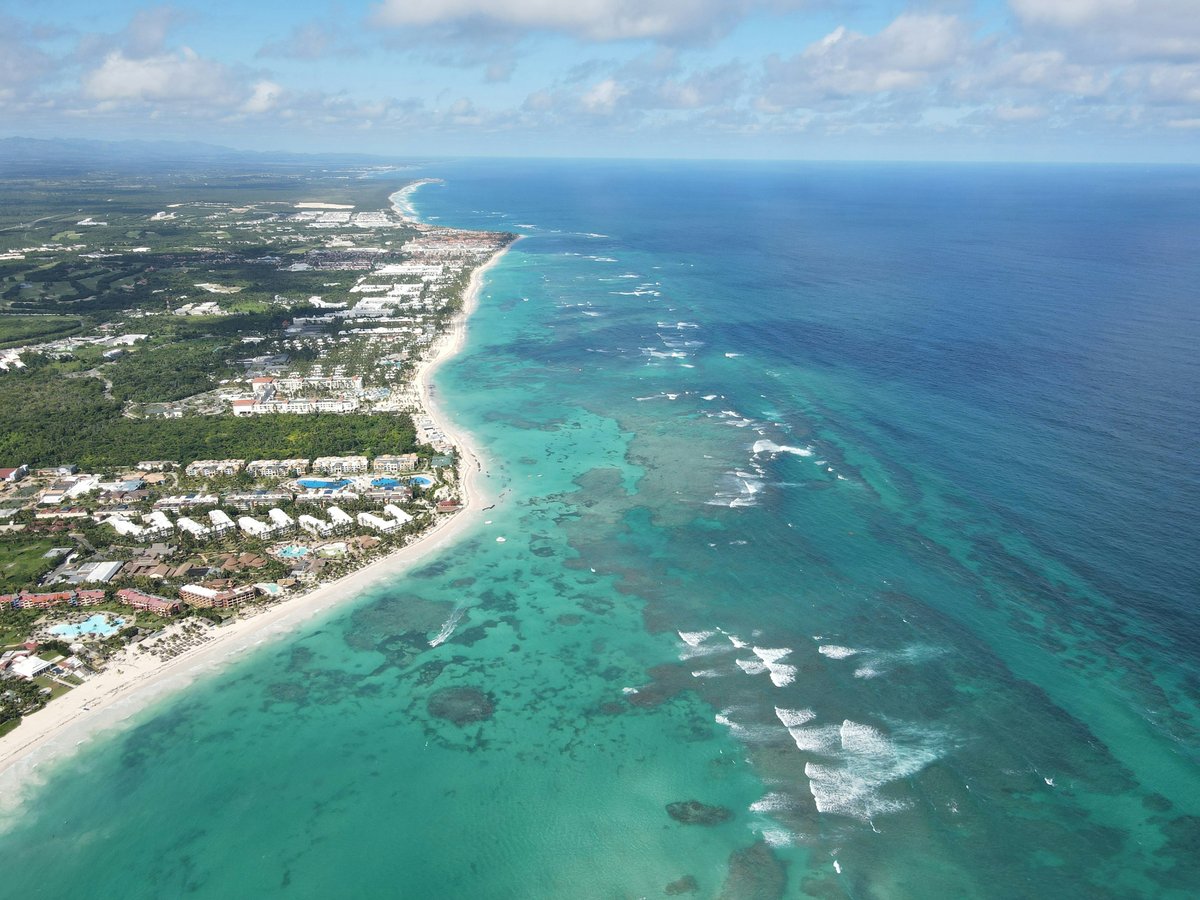
March is the driest month on Punta Cana's calendar. Expect daytime temperatures near 28°C (82°F), lows around 23°C (74°F), and roughly 56mm of rain spread across about 15 days. The trade winds off the Atlantic moderate the 74% humidity enough that a morning on Playa Bávaro feels warm rather than suffocating. Ocean temperatures sit around 26°C (79°F), warm enough for long swims without thinking twice.
This is also the peak of North American spring break. From the second week of March onward, the resort belt stretching from Cabeza de Toro through Bávaro to Cap Cana fills with university groups and families on school holiday. Pool decks along the Bávaro strip get noticeably louder. Isla Saona catamaran trips and Samaná whale-watching excursions sell out days in advance. If you want this weather without the crowd pressure, aim for the first week of the month.
The timing argument for March comes down to one comparison. Rainfall nearly doubles in April to 108mm, and by May you're firmly in the wet season. March gives you the Caribbean at its most reliable before the rains return. The trade-off is peak-season rates and the spring break energy that fills the Bávaro pool bars from about 11am onward.
Why visit in March
- Lowest rainfall of any month, producing the most reliably dry beach days on the calendar
- Atlantic trade winds keep the tropical humidity comfortable without constant air conditioning
- Strong snorkeling visibility along the Bávaro reef due to reduced coastal runoff from lighter rains
- Last reliable window for humpback whale sightings on Samaná Bay day trips before the breeding season ends
- The fringing coral reef system along Bávaro creates calm, sheltered swimming conditions well suited to families with young children
Worth knowing
- Spring break crowds fill the resort belt from mid-March onward, with pool areas and beach sections along the Bávaro hotel strip running at full capacity
- Peak-season rates across hotels and excursions, with limited last-minute availability for popular activities
- The party atmosphere at some all-inclusive properties runs loud during spring break weeks, particularly between 11am and sunset
- Popular independent restaurants in El Cortecito and Cap Cana need dining reservations several days ahead
Best for
Think twice if
March sits in the heart of the dry season, and it feels like it. Mornings typically start clear, with the Caribbean sun warming the sand by 8am. Cloud cover tends to build after midday, and brief showers pass through roughly every other day, rarely lasting more than 20 minutes. You might hear thunder rolling in the distance once or twice, but sustained downpours are unusual. The sea breeze picks up around 10am and carries the smell of salt and warm sand off the coast. Nights cool enough that an open-air terrace dinner near the El Cortecito waterfront feels pleasant with a light layer.
Year-round climate
Averages from the last 5 years.
| Month | Avg high (°C) | Avg low (°C) | Rainfall (mm) |
|---|---|---|---|
| Jan | 27 | 23 | 69 |
| Feb | 27 | 23 | 72 |
| Mar | 28 | 23 | 56 |
| Apr | 28 | 23 | 108 |
| May | 29 | 25 | 141 |
| Jun | 30 | 26 | 129 |
| Jul | 30 | 26 | 135 |
| Aug | 30 | 26 | 150 |
| Sep | 30 | 26 | 159 |
| Oct | 30 | 25 | 163 |
| Nov | 29 | 25 | 178 |
| Dec | 28 | 24 | 86 |
Holidays and festivals in March
Public holidays
- Good Friday(Good Friday)26 March 2027
Best things to do in March
Humpback whale watching in Samaná Bay
wildlifeA full-day excursion from Punta Cana (roughly 2.5 hours each way by bus, or a short domestic flight to El Catey airport) takes you to the breeding waters off the Samaná Peninsula. Boats depart from the town of Samaná, and sightings often include mothers with calves and breaching males.
March is the tail end of the winter breeding migration. Sighting rates remain strong through the first two weeks but drop noticeably after mid-month as the humpbacks begin heading north.Booking tipBook for the first or second week of March. Samaná whale-watching boats fill quickly, and mid-March departures sell out days ahead. Some Punta Cana tour operators bundle the bus transfer and boat ticket.
Snorkeling the Bávaro reef system
water sportsThe coral reef running parallel to Playa Bávaro, roughly 50 to 200 meters offshore, shelters parrotfish, sergeant majors, blue tangs, and the occasional nurse shark resting on sand. Visibility in the shallows often reaches 15 meters or more during the dry months.
Low rainfall means minimal runoff from inland streams, keeping coastal water clarity at its yearly peak. Calm seas also make boat access to deeper reef sections more reliable than in the wetter half of the year.Booking tipMorning departures offer the best light and the clearest water. Afternoon trips are easier to book but coincide with cloudier conditions.
Swimming the freshwater lagoons at Ojos Indígenas Ecological Park
natureIndigenous Eyes Ecological Park protects 12 freshwater lagoons fed by underground rivers, set within a 600-hectare subtropical forest reserve. Five lagoons are open for swimming. The water is cool, clear, and surrounded by limestone walls draped in moss and ferns.
The dry season keeps forest trails firm and lagoon water at peak clarity. From May onward, trail mud and elevated water levels reduce both access and visibility.Booking tipArrive before 10am to have the lagoons mostly to yourself. Spring break groups tend to show up after lunch.
Deep-sea fishing out of Marina Cap Cana
fishingThe Mona Passage current, running between the Dominican Republic and Puerto Rico, pulls blue marlin, white marlin, sailfish, and mahi-mahi close to the eastern coast. Charter boats depart from Marina Cap Cana, one of the Caribbean's largest marinas with berths for over 100 vessels.
March falls within the spring billfish migration window along the Mona Passage. Catch rates for blue marlin and sailfish tend to climb from February through May, and calm March seas make for more comfortable days offshore.Booking tipHalf-day charters are widely available, but full-day trips to the deeper offshore banks sell out during spring break. Book at least a week ahead for mid-to-late March dates.
Sunrise surfing at Playa Macao
water sportsPlaya Macao, about 20 minutes north of the main Bávaro strip, is Punta Cana's only real surf beach. The beach break produces consistent 1 to 1.5 meter (3 to 5 foot) waves on most March mornings. Several surf schools operate at the north end of the beach.
Dry-season swell patterns from the north Atlantic produce more consistent wave sets than the summer months, and calmer early-morning winds give cleaner wave faces for both learners and experienced surfers.Booking tipMost surf schools at Macao offer walk-up morning lessons. No need to reserve ahead unless you want a specific instructor.
Catamaran day trip to Isla Saona
boat tourA full-day catamaran trip from Bayahíbe (about 45 minutes from Punta Cana by road) crosses to Isla Saona, a protected island off the southeastern coast. The trip includes a stop at Piscina Natural, a shallow sandbar where you stand in waist-deep turquoise water roughly a kilometer from shore.
Calm March seas make the catamaran crossing smoother and far less prone to cancellation than in the rougher June-through-October window. The clear water at the sandbar is at its most photogenic during the driest weeks.Booking tipThis is the single most popular excursion from Punta Cana. In March, book at least 5 days ahead. Some operators stop selling tickets once the boat reaches capacity.
Exploring the Hoyo Azul cenote at Scape Park
natureHoyo Azul is a natural limestone sinkhole at the base of a 75-meter (246-foot) cliff in Cap Cana's Scape Park. The pool of turquoise water at the bottom stays around 22°C (72°F) year-round. Access involves a guided walk down a steep stairway carved into the cliff face.
The dry-season water table produces the clearest conditions in the cenote. Wetter months bring slightly cloudier water from rainfall-fed runoff. Surrounding trails are dry and manageable in March.Booking tipScape Park bundles Hoyo Azul with other activities like zip-lining. A cenote-only option exists if you prefer a shorter visit. Arrive early to avoid the midday heat on the exposed cliff stairway.
What to eat in March
In season: fruit
Chinola (passion fruit)
March begins to see increased availability of this tart, perfumed fruit at roadside stands along the highway between PUJ airport and the Bávaro hotel zone. Fresh-squeezed chinola juice is a reliable way to cool down after a beach morning.
Mamey sapote
A creamy, salmon-colored fruit with a flavor somewhere between sweet potato and pumpkin. The February-to-May season means March specimens tend to be at their richest. Look for them at local fruit vendors rather than resort shops.
On menus now
Habichuelas con dulce
The defining Lenten treat across the Dominican Republic. Families prepare large batches of this sweet dessert from red kidney beans, coconut milk, evaporated milk, raisins, and batata (sweet potato) starting in early March. The texture falls somewhere between a thick pudding and a porridge, served cold. You'll encounter it at colmados and bakeries throughout Los Corales and downtown Higüey, though resort buffets almost never carry it.
Lambi (conch)
Calm March seas mean consistent fresh catches along the eastern coast. Grilled lambi, often served with lime and tostones, appears at beachfront palapas in El Cortecito. The texture is chewy and the flavor is briny, best eaten within hours of the boat coming in.
What to drink
Morir Soñando
The name translates to 'to die dreaming.' Fresh orange juice blended with evaporated milk, sugar, and ice, served cold from street vendors in El Cortecito and along the Los Corales commercial strip. March's warm dry-season afternoons make it particularly welcome.
Regular events in March
Carnaval de Punta CanaFree
The Dominican Republic's nationwide carnival season wraps up in early March, with the Desfile Nacional de Carnaval in Santo Domingo on the first Sunday of the month. Punta Cana holds its own smaller celebration with costumed diablos cojuelos (limping devils), comparsas (dance troupes), and live merengue along the Boulevard Turístico del Este. The energy is festive but far less intense than the La Vega or Santo Domingo parades.
First weekend of MarchProcesiones de Cuaresma at Basílica de la AltagraciaFree
The Basílica Nuestra Señora de la Altagracia in Higüey hosts Lenten processions on Fridays throughout March. Religious floats and local parishioners move through downtown Higüey's streets, offering a window into Dominican Catholic tradition that the resort strip does not provide.
Fridays throughout MarchDía Internacional de la Mujer observancesFree
International Women's Day on March 8 is observed across the Dominican Republic with cultural events, panel discussions, and public gatherings. In the La Altagracia province, community organizations and municipal offices typically host evening events in Higüey's central plaza.
March 8Best places this March
Playa Macao
beachThe only open-ocean beach near the resort zone, about 20 minutes north of Bávaro. The sand is coarser and darker than Bávaro's powdery white, and the water runs rougher, which keeps most families south. March's north Atlantic swells produce consistent surf, and even during spring break the crowd stays thinner here.
MacaoOjos Indígenas Ecological Park
nature reserveA private 600-hectare reserve with 12 freshwater lagoons, walking trails through subtropical forest, and a small iguana habitat. Five of the twelve lagoons permit swimming. March's dry conditions keep the trails firm and the water at peak clarity, with the cool lagoon surface reflecting the limestone walls overhead.
Punta Cana Resort areaMarina Cap Cana
marinaOne of the Caribbean's largest marinas, with a waterfront promenade, a handful of restaurants, and a view of the fishing fleet heading out at dawn. In March, this is where offshore charter boats depart for billfish runs in the Mona Passage. The marina area tends to be quieter than the main Bávaro strip.
Cap CanaEl Cortecito beachfront
dining districtA stretch of open beach south of the main Bávaro resort cluster where independent Dominican restaurants operate from palapa-style structures on the sand. Grilled seafood comes off local boats here, and the evening atmosphere leans toward live bachata, cold Presidente, and sand between your toes. This is the closest Punta Cana gets to a non-resort dining scene.
El CortecitoBasílica Nuestra Señora de la Altagracia
religious siteThe most important Catholic church in the Dominican Republic, located in Higüey. The modernist concrete arch structure, designed by a pair of French architects, was consecrated in 1971 and replaced a 16th-century predecessor. During March, the Lenten processions add a layer of activity to the surrounding streets that you won't find in the quieter dry-season months.
HigüeyChocoMuseo Punta Cana
museumA small cacao-to-chocolate workshop near the Bávaro commercial area. The guided tour walks through the Dominican Republic's cacao industry, which produces roughly 70,000 tonnes annually and ranks among the world's top 10 organic cacao exporters. You roast, grind, and mold your own bar. A good option for one of March's rare rainy afternoons.
Bávaro
Your packing checklist
Tick items off as you pack. Your progress saves in this browser.
All packed — have a great trip.
Insider tips
The reef off Cabeza de Toro tends to have better snorkeling visibility than the more frequented Bávaro reef sections, partly because fewer tour boats anchor there. You can arrange a short boat ride from the public beach access point.
Habichuelas con dulce, the Lenten bean dessert, almost never shows up on resort buffets. Walk to any colmado or bakery in Los Corales and ask if they have a batch ready. March is the only time of year you'll reliably find it fresh.
Playa Macao before 7am on spring break weekdays is nearly empty. The resort crowd sleeps late, and the local surf instructors use that quiet window for their own sessions.
If you want to see the Basílica de la Altagracia without tourist bus congestion, go on a weekday morning. The Friday Lenten processions are worth the trip, but the surrounding streets fill up by early afternoon.
Avoid these mistakes
- Booking a Samaná whale-watching excursion for late March. The humpback breeding season winds down by mid-month, and operators still sell tickets for the second half of March even though sighting rates decline. Prioritize the first two weeks if whales are a reason for your trip.
- Underestimating the midday sun. The sea breeze creates a false sense of coolness that masks how quickly you burn at this latitude. Cloud cover blocks visible light but filters only about 20 percent of UV radiation. Apply sunscreen before stepping outside, not after you feel warm.
- Spending the entire trip inside the all-inclusive compound. Higüey, about 35 minutes west, has the Basílica de la Altagracia, a public market that smells like ripe plantains and fresh cilantro, and the kind of street-food vendors the resort buffet cannot replicate.
- Scheduling every outdoor excursion for the afternoon. The brief rain showers that occur in March tend to cluster between 2pm and 5pm. Front-load activities into the morning hours and keep afternoons flexible.
Practical tips for March
Book excursions and off-site restaurant transfers at least a week ahead during spring break, which typically runs from the second through fourth weeks of March. Resort concierge desks fill popular catamaran and Samaná trips early in that window. If you plan to rent a car, note that traffic along the Boulevard Turístico del Este gets congested around midday when hotel checkout and check-in traffic overlaps. Most rental agencies cluster near Punta Cana International Airport (PUJ). For dining outside the resort, the El Cortecito and Los Corales neighborhoods have the widest selection of independent restaurants. A 10 percent tip is customary at independent establishments, though many add a propina legal (service charge) and an 18 percent ITBIS tax to the bill. Resort restaurants typically bundle gratuity into the all-inclusive rate. Tap water is not safe to drink anywhere in La Altagracia province, including for brushing teeth. Stick to sealed bottles. Solo-traveler safety in the area rates 6.2 out of 10 (see the TTDI Solo-Safety Index), so standard precautions apply after dark, particularly outside the resort zone and along unlit stretches of road between the Bávaro strip and Higüey. March remains in the dry season, so laundry dries quickly on a balcony line and you can pack lighter than the summer months would require.
FAQ
Is March a good time to visit Punta Cana?
March offers the year's lowest rainfall and the most reliably dry beach days on the calendar. Conditions are warm without the intensity that comes from June through October. The main trade-off is peak-season pricing and spring break crowds from mid-month onward. If dry weather is your top priority and you can handle the busy atmosphere, it delivers.
What is the weather like in Punta Cana in March?
Warm and mostly dry. Highs sit in the low 80s°F with lows in the mid-70s°F. Brief afternoon showers appear roughly every other day but seldom last longer than 20 minutes. The Atlantic trade winds keep the humidity from feeling heavy. You won't need more than a thin waterproof shell for rain.
Is Punta Cana crowded in March?
Yes. The resort belt fills with North American spring break travelers from mid-March onward. Pool areas along the Bávaro strip reach capacity, popular excursions sell out in advance, and independent restaurants in El Cortecito need reservations. The first week of the month is noticeably calmer. Playa Macao, north of the main strip, stays less affected throughout.
Can you still see whales near Punta Cana in March?
Humpback whales gather in the breeding waters off the Samaná Peninsula during the winter season, which wraps up around mid-March. Day trips from Punta Cana to Samaná Bay take 2 to 3 hours by road. Sighting rates hold up through the first two weeks of March but taper off in the second half as the whales begin moving north. Book early in the month for the strongest odds.
Is March or April better for visiting Punta Cana?
March, by a clear margin for weather reliability. April's rainfall runs well above March's totals, and the increase continues into the summer wet season. March also has calmer seas for boat excursions and snorkeling. April's advantage is slightly lower prices as the high season winds down, and fewer spring break crowds once the university groups head home.
Things to Do in Punta Cana in March
 Free cancellation
 Full-Day Santo Domingo City Tour from Punta Cana
Day trip: free cancellation.
via Viator Free cancellation
 Monkeyland and Plantation Safari Tour from Punta Cana
Day trip: 6 hours, free cancellation.
via Viator Free cancellation
 Punta Cana Dune Buggy Adventure and Amazing Water Cave
Outdoor experience: 4 hours, free cancellation.
via Viator Free cancellation
 Half-Day Adventure 4x4 ATV, Water Cave and Dominican Culture
Outdoor experience: 4 hours, free cancellation.
via Viator Free cancellation
 ATV Adventure to Water Cave and Macao Beach in Punta Cana
Outdoor experience: 4 hours, free cancellation.
via Viator Free cancellation
 Punta Cana Airport to or from Hyatt Cap Cana
Day trip: 20 minutes, free cancellation.
via ViatorLast verified by automated review (v1.7.2) on . What is automated review?