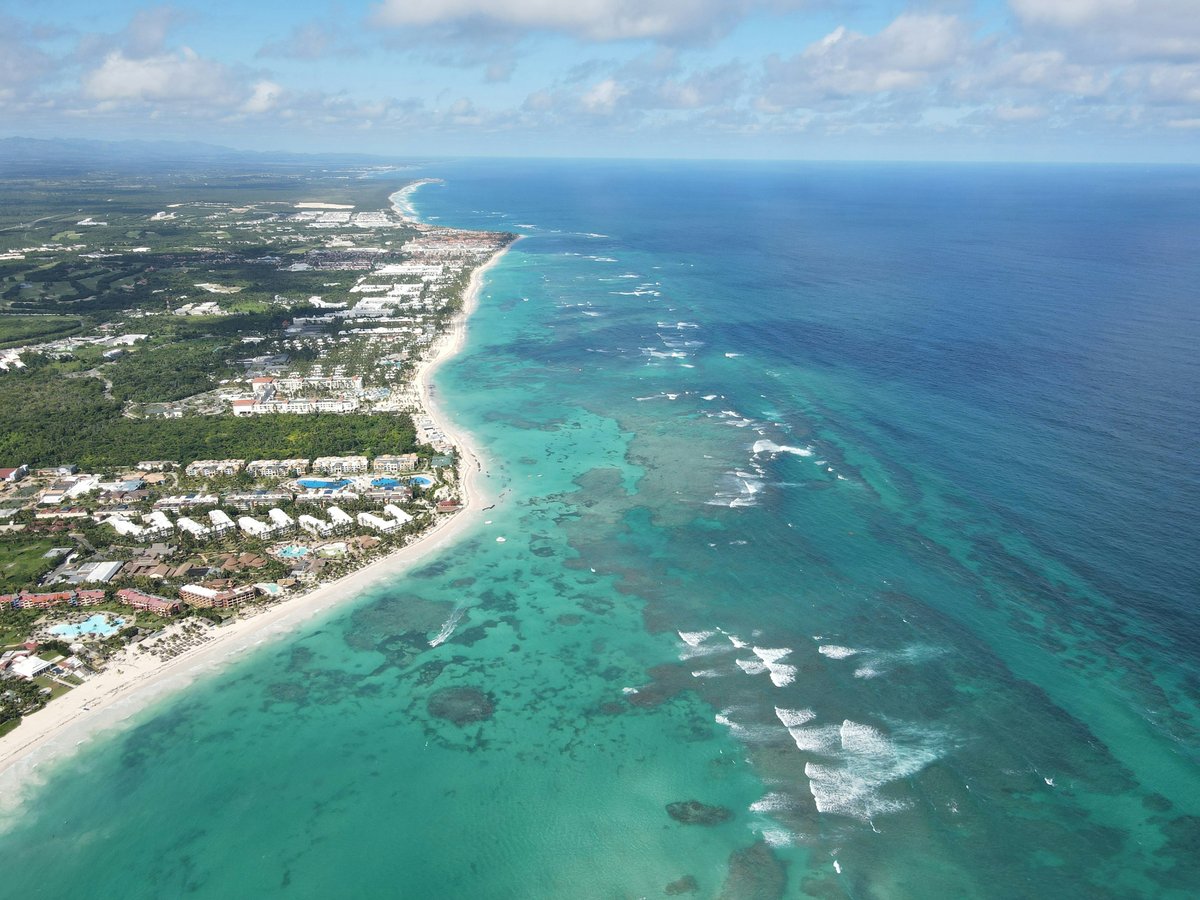
Punta Cana sits on the easternmost point of the Dominican Republic, and its nightlife follows a rhythm that catches most first-time visitors off guard. The Bavaro Beach resort corridor stretches roughly 30 km and holds dozens of all-inclusive properties, which absorb the majority of guests after sunset. Independent nightlife concentrates in a few walkable strips instead, where Dominican locals and more adventurous tourists share open-air bars and sandy dance floors into the early hours. The Dominican social clock runs later than most visitors expect. Merengue, bachata, and the newer dembow form the musical backbone, though reggaeton fills at least half the rotation at most venues. September evenings hover around 28.6°C, and humidity pushes the felt temperature past 32°C. Fewer visitors travel during this shoulder season than the packed December-to-April peak, and wait times at independent venues drop accordingly.
The Bar Scene
Punta Cana is rum territory, and the bar scene leans into it without apology. Brugal, Barceló, and Bermúdez are the three Dominican rum houses that stock every shelf in the area, and the default order at most bars is rum with Coca-Cola or fresh tropical juice. Mamajuana, an infusion of rum and red wine steeped with tree bark and herbs, shows up on nearly every independent bar menu along the Bavaro strip. Each place tends to mix its own batch to a family recipe, so the sweetness shifts from spot to spot. The colmado is the Dominican institution worth seeking out. These corner stores double as open-air drinking spots where locals stand around a cooler of cold Presidente beer. Bachata competes with traffic noise from the street, and the smell of fried salami drifts from the kitchen window. Colmados scatter through the residential blocks behind the resort corridor, and they remain the most affordable and most authentic drinking spots in the Bavaro area. Cocktail bars in Los Corales serve tropical daiquiris and mojitos from open-air spots with plastic chairs and sand underfoot. Worth noting, this is a beach town, not Santo Domingo, and the dress code stays firmly casual. The rooftop concept hasn't taken hold along the strip because most commercial buildings top out at 2 or 3 stories. A few hotel terraces near the Cap Cana marina offer a more polished setting with views over the water, though they cater mainly to resort guests. Wine bars have not materialized in Punta Cana. The Dominican Republic imports nearly all of its wine, and the markup runs steep. A handful of upscale restaurants in Cap Cana maintain credible lists, though the selection stays narrow. For a broader overview of drinking culture in the area, Wikivoyage's entry (https://en.wikivoyage.org/wiki/Punta_Cana#Drink) covers additional options.
Clubs and Late Nights
The club scene splits between resort nightclubs and a handful of independent venues, and the gap between them is worth understanding. Resort properties like Hard Rock Hotel and Casino Punta Cana run themed party nights with international DJs on rotating schedules. These are convenient for guests who'd rather skip the taxi logistics, though the crowd is almost entirely fellow resort visitors from North America and Europe. Imagine Punta Cana is the standout independent venue, a nightclub built inside a natural limestone cave system below the surface. The ceiling hangs with stalactites, the air stays warm and damp from the cave's natural humidity, and the bass reverberates off stone walls in a way you feel in your ribcage. The crowd runs about half tourist, half Dominican on weekends. Music leans heavily toward reggaeton, dembow, and Latin house. The dress code sits well below what you'd face at a Santo Domingo club. Closed-toe shoes for men, no tank tops, and you're through the door. Lines build after midnight and can stretch long between 12:30 AM and 2 AM on Saturdays. Coco Bongo Punta Cana borrows its format from the original in Cancún, Mexico. The setup blends a nightclub with acrobatic stage shows, confetti cannons, and choreographed performances, landing closer to a Las Vegas production than a Dominican dance hall. Drinks tend to be bundled with the entry ticket. Outside those two headliners, smaller clubs and pop-up parties rotate along the El Cortecito strip. Thursday draws the ladies' night crowd at several spots, and Saturday pulls the biggest overall numbers. The genre split at most venues runs roughly 60 to 70 percent reggaeton and dembow, with merengue and bachata sets thrown in to keep the Dominican regulars on the floor. Locals tend to show up around midnight, and the energy doesn't pick up until closer to 1 AM. The floor peaks between then and about 4 AM.
Live Music
Bachata was born in the Dominican Republic, and Punta Cana's live music scene carries that heritage, though in a more muted form than what you'd find in Santo Domingo. Resort bands perform nightly, typically starting around 9 PM with polished sets of bachata covers, international pop, and merengue standards. To be fair, these sets are well-rehearsed and professional, aimed at guests who may be hearing the genres for the first time. The more interesting live music sits closer to the Dominican side of things. Small bars in the streets behind El Cortecito occasionally host trios or solo guitarists playing bachata romántica, the smoother, more lyrical offshoot of the genre. On a Friday night in Los Corales, you might catch a guitarist working a low stage. The guitar tone floats through warm salt air. A handful of locals sing along from the bar. These sets rarely start before 10 PM and tend to run well past midnight. Friday and Saturday are the most reliable nights for live acts, though some spots offer Wednesday sets as well. Merengue típico, the accordion-and-tambora-driven traditional form, still surfaces at local festivals and private events across the Dominican Republic, though it appears less often in the tourist zone. Dembow, the Dominican genre built on rapid-fire percussion and call-and-response delivery, lives in the DJ booth rather than on a stage. Reggaeton follows the same pattern in Punta Cana. For anything resembling a concert venue or a dedicated music hall, Santo Domingo sits roughly 2 hours west by car and hosts touring acts that bypass the resort coast entirely. Punta Cana has no concert hall, and independent venues rarely hold more than a few dozen listeners at a time.
Nightlife neighborhoods
-
El Cortecito
The original fishing village turned Punta Cana's main pedestrian nightlife strip. Low-rise bars and restaurants line sandy streets, and bachata drifts from open doorways after 10 PM. The crowd is a genuine mix of foreign visitors and Dominican day-trippers from the capital. Sand covers every floor, the air smells like grilled meat and sea salt, and the mood stays loose all night.
- Best for
- First-night orientation, bar-hopping on foot, meeting other travelers
-
Los Corales
Adjacent to El Cortecito and reachable on a 10-minute walk. Restaurants dominate the early evening, then cocktail bars and small music spots take over after 11 PM. More Dominican families eating dinner at 9 PM before the night transitions. That said, the pace runs a few degrees slower than its neighbor.
- Best for
- Couples and groups wanting dinner then drinks in a single walkable area
-
Cap Cana
An upscale marina development south of the Bavaro tourist strip. Yacht slips, manicured landscaping, and terrace restaurants with views over dark water. Cocktails here run double or triple what El Cortecito charges. The crowd skews older and better dressed, and the nightlife is quieter and more deliberate.
- Best for
- A polished, calmer evening for couples or groups with a higher budget
-
Bavaro Resort Corridor
The long chain of all-inclusive hotels lining Bavaro Beach. Nightlife here means pool parties, resort discos, and themed entertainment with a soundtrack of pop, EDM, and Latin hits. Self-contained and convenient, with zero transport needed. The trade-off is limited contact with Dominican culture beyond the property gates.
- Best for
- All-inclusive guests who want nightlife without coordinating transport
-
Punta Cana Village
Set near the airport and removed from the beach strip. More residential and Dominican in character. Colmados and local bars outnumber tourist spots by a wide margin. You'll likely be the only foreigner in the room most nights, and the energy is neighborhood-level rather than destination-level.
- Best for
- Travelers seeking Dominican-local nightlife well away from the tourist corridor
Safety after dark
TTDI rates Punta Cana's solo-traveler safety at 6.2 out of 10 (see the TTDI Solo-Safety Index). The score reflects a destination that is generally manageable but carries specific risks after dark, particularly for anyone walking alone outside the tourist strips. LGBTQ+ friendliness sits at 3 out of 10 (sourced from TTDI's editorial rubric), and public displays of affection between same-sex couples draw negative attention in much of the Dominican Republic. Discretion remains the practical reality in Punta Cana.
Transport after midnight is the biggest logistical challenge. Licensed taxis wait outside the main venues in El Cortecito and Los Corales, but negotiating the fare beforehand is essential since most cabs lack meters. Always agree on the price in Dominican pesos before getting in. Ride-hailing apps have limited coverage in the Punta Cana area compared to Santo Domingo, so don't count on them as a primary option. Many visitors find a reliable driver on their first night and arrange return rides through the same person for the rest of the trip.
Common scams include unlicensed drivers charging 3 to 5 times the normal fare, drink vendors outside clubs selling watered-down bottles at marked-up prices, and street sellers pushing counterfeit cigars as genuine Dominican tobacco. Mind you, the cigar hustle is especially persistent around the tourist strips after 11 PM.
Standard drink-awareness practices apply at Punta Cana's bars and clubs. Watch your glass, skip open drinks from strangers, and stick to sealed bottles or drinks you watched being poured. Humidity around 76% and the tropical heat accelerate alcohol's effects faster than visitors from cooler latitudes tend to expect, so pacing your intake and hydrating between rounds matters more than it might at home. That said, most serious incidents involving tourists in the area trace back to overdrinking at all-inclusive properties rather than events at independent bars. Wikivoyage's safety notes (https://en.wikivoyage.org/wiki/Punta_Cana#Stay_safe) cover additional local context.
Practical tips
- Currency
- The Dominican peso (DOP) is the local currency. As of September 2026, 1 USD converts to roughly 59.19 DOP. Most tourist bars in Bavaro accept US dollars, but the exchange rate applied at the register favors the establishment. Pay in pesos whenever possible, and withdraw from ATMs at shopping plazas in the Bavaro area rather than exchanging at hotel front desks. For more on money logistics, see https://en.wikivoyage.org/wiki/Punta_Cana#Cope.
- Tipping
- A 10% propina legal, a service charge permitted by Dominican law, appears on most restaurant and bar tabs in the Dominican Republic. A separate 18% ITBIS tax also applies to your total. An additional 50 to 100 DOP per round left for a bartender at an independent bar is appreciated but not required.
- Legal drinking age
- The minimum legal drinking age in the Dominican Republic is 18. Enforcement at tourist-facing bars is minimal, and ID checks are uncommon outside major clubs. A copy of your passport is worth keeping on you for any night out.
- What to wear
- Punta Cana's nightlife dress code is among the most relaxed in the Caribbean. Shorts, sandals, and casual wear work at nearly every bar. The larger clubs require closed-toe shoes for men and discourage tank tops, but the threshold stays well below what you'd face in Santo Domingo or a European capital. Leave heels at the hotel unless you enjoy navigating sandy sidewalks in the dark.
- When to go
- Bars along the tourist strips tend to open by 7 PM but stay quiet until 10 PM or later. Clubs open around 11 PM and rarely fill before the early morning hours. Some venues serve until 5 AM on weekends. Dominican nightlife runs significantly later than what most North American or European visitors are used to.
- Language
- Spanish is the primary language in the Dominican Republic. Staff at tourist bars and clubs in the Bavaro area speak functional English, but a few phrases in Spanish go a long way at colmados and local spots. Ordering in Spanish, even clumsily, tends to earn a warmer reception than defaulting to English.
FAQ
What time should I head out for nightlife in Punta Cana?
Build your evening around Dominican timing, not your home clock. Restaurants fill around 9 PM, the bar strips warm up by 10 or 11, and the club crowd doesn't materialize until well after that. Thursday and Saturday tend to be the strongest nights at independent venues in the Bavaro area. Plan everything 2 to 3 hours later than you would at home.
Is Punta Cana safe for solo travelers at night?
The tourist strips in El Cortecito and Los Corales are generally manageable for solo visitors after dark. Stick to well-lit, well-trafficked areas, pre-arrange your ride home, and avoid walking alone on unlit roads between the resort corridor and residential blocks. The safety section above covers TTDI's assessment and the specific risks in more detail.
Do I need to speak Spanish to go out in Punta Cana?
Not at tourist-oriented bars and clubs in the Bavaro area, where staff speak enough English to take orders and make recommendations. At colmados and local bars further from the resort corridor, Spanish is effectively the only language. Learning 'una fria,' which signals a cold Presidente, is the fastest way to start a conversation at any Dominican bar.
Can I use US dollars at bars and clubs in Punta Cana?
Most tourist-facing bars accept US dollars, but you'll likely lose an estimated 5 to 15 percent on the exchange compared to paying in Dominican pesos. ATMs in the Bavaro area dispense pesos, and cambios (currency exchange offices) tend to offer better rates than bar registers or hotel front desks.
Are there LGBTQ+-friendly nightlife spots in Punta Cana?
Punta Cana does not currently have dedicated LGBTQ+ nightlife venues. The safety section above addresses the broader cultural context and TTDI's assessment. Resort properties tend to be more welcoming internally, and the tourist-facing bars along the El Cortecito strip are generally tolerant. For a more open scene with dedicated venues, Santo Domingo's Zona Colonial neighborhood has considerably more options.
Last verified by automated review (v1.7.2) on . What is automated review?