Is Punta Cana good for digital nomads in 2026?
Punta Cana scores 3.5/10 for digital-nomad suitability (sourced from TTDI's editorial rubric). Claro and Altice fibre reaches most Bávaro condos, but coworking is sparse, few cafes welcome laptops, and getting errands done means having a car. Budget about US$2,200 a month living in Los Corales, and sort out an extension before your entry stamp runs out.
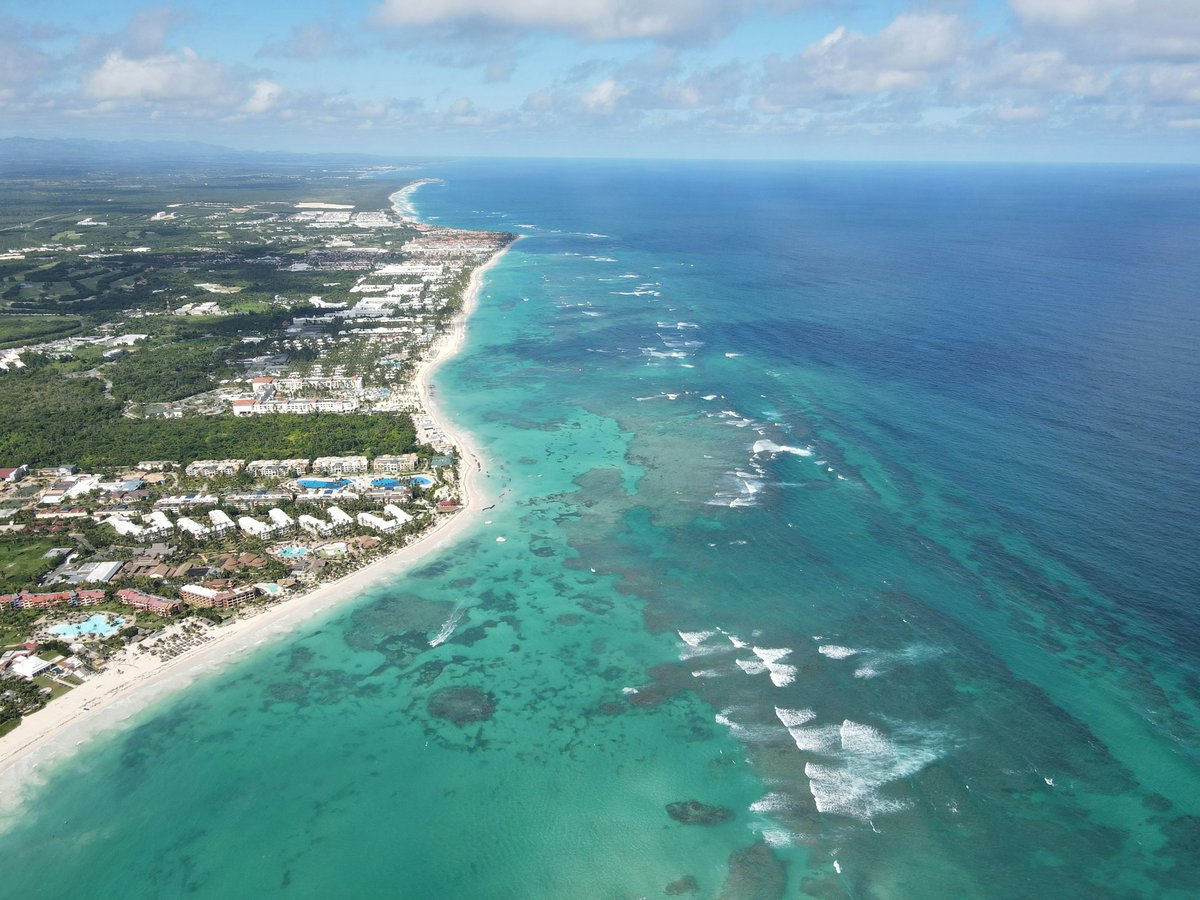
Los Corales, the grid of condo blocks behind Bávaro Beach, is where we'd base ourselves: it's the one pocket of Punta Cana where you can live for a month on foot. Supermercado Iberia, laundries that charge by the pound, and several bakeries are all within a 10-minute walk, and by 8 am the street smells of fryer oil from the empanada carts. Cap Cana and the Cocotal golf compound photograph better on Airbnb, but both are gated, they sit 15 to 25 minutes by car from a grocery shelf, and they go quiet after 7 pm. Verón, inland on the road to Higüey, is where hotel staff live; rents there tend to be about half of Los Corales prices, though motoconchos rattle past all night and fibre coverage changes from one street to the next. A furnished one-bedroom in Los Corales currently runs US$900 to 1,400 a month from May to November, and owners often raise prices by a third between December and April, when Canadian snowbirds book the same units.
Before you book, ask the host for a fast.com screenshot taken that week, and ask whether the line is the unit's own Claro or Altice fibre or a connection shared across the building. In Bávaro, a listing that says "high-speed wifi" can mean 20 Mbps split between eight units, and the signal drops further around 8 pm when everyone starts streaming. Power comes from CEPM, a private utility, rather than the national grid, so the rolling apagones that hit Santo Domingo are rarer here; that said, an afternoon thunderstorm in August or September still tends to cut power for a few minutes and knock the router offline, and the room heats up fast once the air conditioning stops humming. Ask whether the building has an inverter or a planta (backup generator). A prepaid Claro SIM with about 30 GB costs roughly RD$1,000, around US$16 at 61.5 pesos to the dollar, and works as your backup hotspot.
There is no coworking scene in Punta Cana steady enough for a multi-month stay. Desks open in the Bávaro shopping plazas, but they often close or turn into event spaces within a year, so confirm one is still operating before you pay for a month. Most of the time you will work from the condo and use other places for a change of scene. The Downtown Punta Cana mall on Avenida Barceló keeps its air conditioning cold enough that you'll want a hoodie, has outlets near the food court, and nobody hovers once your coffee is finished. Cafes on Avenida Alemania tolerate a laptop for about two hours in the morning, but after 1 pm the tables fill with tour groups and the hiss of the espresso machine competes with bachata from someone's speaker. If you want to stay longer, order a morir soñando, the sweet orange-and-milk drink, for around 150 pesos.
Getting around is where the monthly budget quietly grows. Uber works in Bávaro, but drivers cancel often, and a local taxi from Los Corales to Downtown Punta Cana can cost US$20 to 25. A month's car rental at roughly US$600 often works out cheaper than taxis for anyone who shops weekly. For weekends between work blocks, Hoyo Azul, a turquoise cenote inside Scape Park in Cap Cana, is a half-day trip by car, and the water feels cold against the 30°C air. Catamaran trips to Isla Saona leave from Bayahibe, about 90 minutes south, with pickups from Bávaro usually before 7 am.
Composite of cafe + coworking download speeds and reliability.
Apartment, coworking membership, food, and transit at a comfortable level.
Coworking spaces
- Downtown Punta Cana mall food court on Avenida Barceló (air-conditioned seating with outlets, no membership; check that any Bávaro coworking desk is still operating before paying monthly)
Visa options
Most Western passports get 30 days on arrival, and the tourist card is included in the airfare. To stay longer, apply for a Prórroga de Estancia at the Dirección General de Migración, or pay an overstay fee at Punta Cana airport when you leave, with the fee rising through each band of extra time. The Dominican Republic has no confirmed digital-nomad visa. Long-stayers use rentista residency, which needs proof of steady passive income of roughly US$2,000 a month.
Last verified by automated review (v1.7.2) on . What is automated review?