Stay in Punta Cana in July
4 hotels in the Trip.com pool for Punta Cana, from US$99 a night.
Opens Trip.com on Fri 2 Jul to Sun 4 Jul 2027; change the dates there.
July in Punta Cana means two things at once. It is Atlantic hurricane season, which puts a real, if statistically modest, risk of tropical weather disruption on any trip you plan. It is also deep low season, when resorts across Bávaro and Arena Gorda run well below winter occupancy and rates drop accordingly. Temperatures reach about 30°C (86°F) during the day and settle near 26°C (78°F) at night, with humidity close to 80% that makes the heat feel considerably stickier than those numbers suggest. Rain arrives on roughly 24 of the month's 31 days, though these are usually short, punchy afternoon downpours between 2 and 5 PM that clear within 30 minutes.
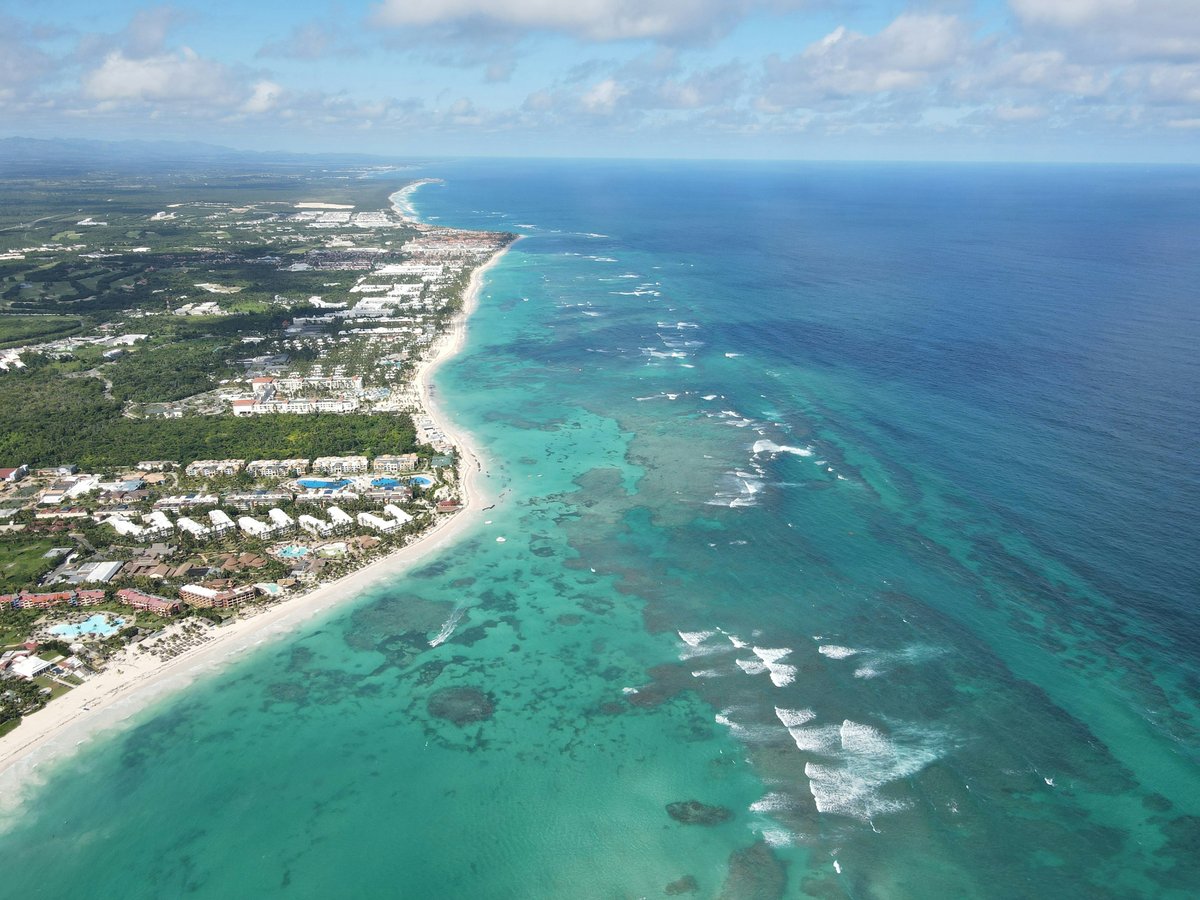
Most mornings stay clear and bright until early afternoon. The water along Playa Bávaro holds that pale turquoise that photographs never quite capture, and the Caribbean Sea runs about 28°C (82°F), warmer than some resort pools. You might have a long stretch of Arena Gorda sand nearly to yourself on a Tuesday. The quiet carries trade-offs, though. Entertainment options thin out during low season, and excursion operators along the Bávaro strip run fewer departures per week.
To be fair, most July weeks pass without any named storm activity near the eastern Dominican coast. The Atlantic basin typically generates 2 to 4 named storms during the month, and the odds of a direct hit on Punta Cana in any given year remain low. Travel insurance with named-storm coverage is non-negotiable for a July trip. If lower rates and empty beaches outweigh the humidity and rain risk for you, July delivers on both.
Why visit in July
- Low-season timing means resorts across Bávaro and Cap Cana offer their most competitive rates of the year, with wide availability even for last-minute bookings.
- Beaches are uncrowded. You can walk 15 minutes along Arena Gorda without crossing another guest's towel on most weekday mornings.
- The Caribbean Sea holds bathwater-warm temperatures in July, ideal for long snorkeling sessions off the Bávaro reef tract without a wetsuit.
- The waters off Punta Cana enter prime blue marlin season starting in June, making July one of the strongest months for deep-sea fishing charters from Cap Cana Marina.
- Tropical vegetation reaches its most vivid green after June rains, and the freshwater lagoons inside Parque Ecológico Ojos Indígenas sit at their fullest levels of the year.
Worth knowing
- Rain falls on the majority of July days, and while showers are typically brief, they can cancel or delay afternoon excursions with little warning.
- Atlantic hurricane season is active. A tropical storm watch or hurricane warning could disrupt travel plans, even if direct hits on the eastern Dominican coast are uncommon.
- Several restaurants and bars in El Cortecito and along the Bávaro tourist strip reduce hours or close entirely during low season, limiting dining options outside resorts.
- High humidity makes sustained outdoor activity between noon and 4 PM genuinely uncomfortable, with the feels-like temperature regularly pushing above 35°C (95°F).
Best for
Think twice if
July brings warm, sticky conditions with little variation between the first and last week. Persistent humidity pushes the perceived temperature well above the actual air reading on most afternoons. Mornings tend to stay clear until early afternoon, offering the most comfortable window for outdoor activity. Convective storms build rapidly and tend to pass before they can derail an entire afternoon. Evenings cool only marginally, with overnight temperatures warm enough that air conditioning is a necessity for comfortable sleep.
Seasonal caution
- July falls within the Atlantic hurricane season, which runs June 1 through November 30. While direct hits on the eastern Dominican coast are statistically infrequent, tropical storm watches and hurricane warnings can develop with 48 to 72 hours of notice, potentially grounding flights and confining guests to resorts. Purchase travel insurance with named-storm cancellation coverage before departure.
Year-round climate
Averages from the last 5 years.
| Month | Avg high (°C) | Avg low (°C) | Rainfall (mm) |
|---|---|---|---|
| Jan | 27 | 23 | 69 |
| Feb | 27 | 23 | 72 |
| Mar | 28 | 23 | 56 |
| Apr | 28 | 23 | 108 |
| May | 29 | 25 | 141 |
| Jun | 30 | 26 | 129 |
| Jul | 30 | 26 | 135 |
| Aug | 30 | 26 | 150 |
| Sep | 30 | 26 | 159 |
| Oct | 30 | 25 | 163 |
| Nov | 29 | 25 | 178 |
| Dec | 28 | 24 | 86 |
Best things to do in July
Blue marlin fishing from Cap Cana Marina
outdoorCharter boats depart Cap Cana Marina for deep-water runs targeting Atlantic blue marlin, white marlin, and dorado. The marina's fleet includes boats from 30 to 60 feet, and half-day charters are available for those who prefer shorter trips.
Atlantic blue marlin migrate through eastern Hispaniola between June and September. July sits in the heart of that run, with some of the highest catch rates of the year.Booking tipBook charters at least a week ahead. Low-season means smaller crew rosters, and popular captains fill their calendars early.
Swimming at Hoyo Azul cenote in Scape Park
natureA natural limestone sinkhole at the base of a tall cliff, filled with cool, mineral-blue water sitting around 18°C. The trail down takes about 20 minutes through tropical forest. Scape Park sits within the Cap Cana development.
The contrast between July's sticky heat and the cenote's cool water is genuinely startling. Low-season crowds mean shorter waits on the access trail and more space in the water.Booking tipArrive when Scape Park opens in the morning. The trail down to Hoyo Azul has limited shade, and midday heat makes the walk harder than it needs to be.
Freshwater lagoon trail at Parque Ecológico Ojos Indígenas
natureTwelve freshwater lagoons connected by forested trails, managed by the Puntacana Ecological Foundation. Five lagoons are open for swimming. The park covers 600 hectares of subtropical forest.
June and July rains fill the lagoons to their highest levels of the year, and the surrounding forest canopy is at peak density. The shade keeps trail temperatures noticeably cooler than the open beach.Booking tipThe park closes during active thunderstorms. Go in the morning to avoid both the afternoon rain and the midday heat.
Snorkeling the Bávaro reef tract
water sportsThe barrier reef off Playa Bávaro runs roughly parallel to the coast, sheltering the beach from open-ocean swells and creating a shallow snorkeling zone with brain coral, sea fans, and schools of sergeant major fish.
The warm sea means no wetsuit is needed, and low-season means fewer snorkel-tour catamarans anchoring over the reef at the same time. Morning visibility tends to be strong before afternoon rain stirs up sediment.Booking tipChoose a morning departure. Afternoon trips risk getting cut short by storm clouds building over the water.
Catamaran day trip to Isla Saona
excursionFull-day catamaran excursions from Bávaro head to Isla Saona, part of Parque Nacional del Este. Stops include a natural sandbar pool and a beach lunch on the island's western shore.
Low-season bookings mean the catamaran might carry 15 passengers instead of the 40 or 50 common in February. The experience feels noticeably more relaxed, and the crew has time for longer snorkeling stops.Booking tipConfirm the operator's cancellation policy for weather. Most reschedule for free if seas are rough, but some charge a rebooking fee.
Visiting Basílica Catedral Nuestra Señora de la Altagracia in Higüey
cultureThe basilica in Higüey, about 35 minutes west of the Bávaro resort zone, is the most important Catholic pilgrimage site in the Dominican Republic. Inaugurated in 1971, its soaring concrete arch dominates the town skyline.
July's afternoon rain makes an indoor cultural excursion more appealing than in dry-season months. Higüey sees fewer tourists in low season, and the basilica's interior stays cool relative to the outside heat.Booking tipCombine the visit with a stop at the Higüey central market for local produce and street food.
Bodyboarding at Playa Macao
water sportsPlaya Macao sits about 20 minutes north of the main resort strip and faces the open Atlantic. It receives stronger surf than the reef-sheltered beaches to the south, and the unmanaged, undeveloped shoreline has a raw feel.
Summer swells from distant Atlantic weather systems produce the best bodyboarding waves of the year at Macao. The beach is quieter in July than in peak season, giving you more room on the break.Booking tipRent boards from the vendors at the beach access point. Check conditions in the morning, and if the red flag is up, respect it.
What to eat in July
In season: fruit
Mango
Dominican Banilejo and Mingolo varieties reach peak ripeness in late June and July. Vendors sell them sliced with lime and salt along the highway to Bávaro, and resort breakfast buffets feature them prominently. The flavor difference between a peak-season Dominican mango and an imported supermarket mango is stark.
Limoncillo
Small green fruits sold in clusters at roadside stands throughout eastern Hispaniola, also called quenepa in other parts of the Caribbean. July and August are peak season. You crack the thin shell with your teeth to reach the tart, slippery seed inside. Addictive once you get the technique down.
On menus now
Pescado con coco
Whole fish poached in coconut milk with peppers and root vegetables, a staple of the eastern Dominican coast. July's fresh catch from local fishing boats means quality tends to be high at the food stands along El Cortecito's beach strip.
What to drink
Morir Soñando
Cold orange juice blended with milk, sugar, and ice. The name means 'to die dreaming,' and in July's humidity the drink earns it. Colmados and beachside bars across Bávaro serve it at local rates, a fraction of what resort poolside bars charge for a tropical cocktail.
Chinola juice
Fresh-squeezed passion fruit juice, tart and intensely fragrant. Chinola vines fruit heavily through the Dominican summer, and July is when you will find the ripest, most aromatic batches at the juice stands near the Bávaro strip.
Regular events in July
Festival del Merengue y Ritmos CaribeñosFree
The Dominican Republic's premier music and dance festival, held along the Malecón in Santo Domingo with live merengue, bachata, and salsa acts on multiple stages. Santo Domingo is about a 3-hour drive from Punta Cana, and some resort tour desks organize day trips for the event.
Late July into early August (dates shift by year)Día de los PadresFree
Dominican Father's Day, a national holiday observed on the last Sunday of July. Restaurants and resorts in the Punta Cana area run special menus, and public beaches fill with Dominican families on day trips. In 2026, this falls on July 26.
Last Sunday of July (July 26 in 2026)Summer billfishing tournament season at Cap Cana Marina
Cap Cana Marina hosts competitive deep-sea fishing tournaments through the summer months, with public weigh-in events at the marina docks drawing spectators in the late afternoon.
Various dates from June through SeptemberBest places this July
Playa Bávaro
beachThe main resort beach stretches along a wide band of white sand fronted by a barrier reef that keeps the water calm and swimmable. In July, the usual density of lounge chairs thins out, and early morning walks along the waterline feel close to private.
BávaroHoyo Azul
natureA turquoise cenote at the base of a limestone cliff inside Scape Park. The trail down passes through tropical forest, and the cool water provides genuine relief after a sticky morning. Fewer visitors in low season mean you might share the pool with only a handful of swimmers.
Cap CanaParque Ecológico Ojos Indígenas
natureThe Puntacana Ecological Foundation's forested reserve, threaded with freshwater lagoons and walking trails. July's rains fill the lagoons high and thicken the canopy overhead, keeping trail temperatures noticeably cooler than the open beach.
Puntacana Resort and ClubPlaya Macao
beachThe go-to spot for bodyboarding in the Punta Cana area, with open-Atlantic swells that pick up noticeably in July. The beach is public and unmanaged, with a raw, undeveloped feel compared to the resort strips to the south.
MacaoEl Cortecito beach and food strip
beach and diningThe public-access beach between the resort zones where Dominican families gather on summer weekends. Food stands sell fried fish, tostones, and cold Presidente beer at local rates. July weekends here feel more like a Dominican beach gathering than a resort experience.
El CortecitoCap Cana Marina
marinaThe marina complex houses fishing charter operators, waterfront restaurants, and a small commercial area. In July, the marina serves as the staging ground for summer billfishing tournaments, and the weigh-in area draws a crowd of spectators most afternoons during tournament weeks.
Cap CanaBasílica Catedral Nuestra Señora de la Altagracia
religious landmarkThe Dominican Republic's most significant Catholic pilgrimage site, in nearby Higüey. The modernist concrete arch is striking from outside, and the cool interior makes it a welcome escape from July's afternoon heat. Fewer visitors in low season give the space a more contemplative atmosphere.
Higüey
Your packing checklist
Tick items off as you pack. Your progress saves in this browser.
All packed — have a great trip.
Insider tips
The reef offshore from Cabeza de Toro sees far fewer snorkel boats than the popular Bávaro tract. In July's low season, local dive operators are more willing to take small groups to these quieter sites, and you will likely see more marine life with fewer fins churning the water.
Buy limoncillo from the roadside vendors along the highway between Punta Cana International Airport and Bávaro. They sell them in large bunches at local rates. The same fruit appears in resort gift shops at a significant markup, if it appears at all.
Watch the sky toward Verón around 1:30 to 2 PM. July's afternoon storms typically build inland first and track east toward the coast over 20 to 30 minutes. You will usually have time to finish your drink, collect your things, and get under a palapa before the first drops hit the sand.
The food stands at El Cortecito's public beach sell pescado frito and tostones at a fraction of what the same meal runs at resort restaurants 500 meters away. The Dominican families eating there on Sunday afternoons are the quality signal.
Avoid these mistakes
- Booking an all-day outdoor excursion without checking the forecast the night before. July's afternoon storms are common enough that a zip-line canopy tour at 3 PM has a real chance of getting rained out, and some operators do not reschedule low-season bookings without a fee.
- Skipping travel insurance or buying a standard policy that excludes named storms. July sits in the active part of Atlantic hurricane season. A cancel-for-any-reason policy is the only type that reliably covers the scenario where your flight gets grounded by a tropical weather system passing 200 km offshore.
- Choosing a resort in Uvero Alto without renting a car. Uvero Alto sits 45 minutes north of Bávaro with almost nothing walkable outside the resort gates. In low season, shuttle services between resorts and the Bávaro strip run less frequently, and some stop entirely.
- Assuming overcast skies mean low UV exposure. Cloud cover in Punta Cana in July filters only a small fraction of ultraviolet radiation, and travelers burn badly on hazy days because they skip sunscreen reapplication.
Practical tips for July
Book accommodations at all-inclusive resorts in Bávaro or Cap Cana at least 2 to 3 weeks ahead for the best low-season rates, though walk-in availability is common at smaller properties in El Cortecito. Most excursion operators along the Bávaro strip reduce their schedules in July, running 4 or 5 days per week instead of daily. Confirm departure times the day before, as afternoon rain patterns sometimes shift morning departure times earlier. Lightweight, breathable clothing works for every occasion here. Even the nicer resort restaurants in Cap Cana accept smart-casual dress in summer. Keep a waterproof dry bag in your beach tote for electronics and travel documents. If you rent a car, note that the highway from Punta Cana International Airport (PUJ) to Bávaro can flood briefly during heavy downpours, particularly the low-lying stretch near Verón. Slow down through standing water and you will be fine. Pharmacies near Palma Real Shopping Village stock reef-safe sunscreen and insect repellent, which can be harder to find in the smaller El Cortecito shops when low-season inventory runs thin.
FAQ
Is July a good time to visit Punta Cana?
July is a fair time to visit, not ideal but not without appeal. You get the lowest resort rates of the year and uncrowded beaches, but you also get daily afternoon rain, high humidity, and the background risk of Atlantic hurricane season. If value and solitude matter more to you than guaranteed sunshine, July works. If you want the best overall experience, the window from January through March offers drier weather and comfortable temperatures, though at significantly higher rates.
What is the weather like in Punta Cana in July?
Warm, humid, and rainy in a predictable daily pattern. Mornings tend to be sunny and pleasant, with clouds building through early afternoon and heavy showers arriving in the mid-to-late afternoon. These storms rarely last more than 30 to 40 minutes. Evenings typically clear for sunset. The heat is persistent but not extreme by Caribbean standards, and the sea stays warm enough for comfortable swimming at any hour.
Is Punta Cana crowded in July?
No. July is deep low season. Resort occupancy across Bávaro and Cap Cana drops well below the 90%+ levels seen from December through April. Beaches feel spacious, excursion boats carry fewer passengers, and restaurant reservations are rarely necessary. The exception is the Día de los Padres weekend, when Dominican families fill El Cortecito's public beaches for the holiday.
Is it safe to travel to Punta Cana during hurricane season?
The risk is real but statistically modest. July is early in the season, and peak activity falls in August through October. Direct hits on the eastern coast remain uncommon in any given year, though watches can develop quickly. The practical safeguard is travel insurance with named-storm cancellation coverage. Solo-traveler safety scores 6.2/10 (see the TTDI Solo-Safety Index) for Punta Cana generally, with the resort zones of Bávaro and Cap Cana being the most well-patrolled areas.
Can you still enjoy the beach in Punta Cana in July?
Yes, especially in the morning. The water along Playa Bávaro and Arena Gorda stays calm and warm, protected by the barrier reef. Mornings are typically sunny and comfortable, giving you a solid 5 to 6 hours of beach time before the afternoon showers roll in. After the rain passes, usually by early evening, the beach is pleasant again through sunset.
Things to Do in Punta Cana in July
 Free cancellation
 Full-Day Santo Domingo City Tour from Punta Cana
Day trip: free cancellation.
via Viator Free cancellation
 Monkeyland and Plantation Safari Tour from Punta Cana
Day trip: 6 hours, free cancellation.
via Viator Free cancellation
 Punta Cana Dune Buggy Adventure and Amazing Water Cave
Outdoor experience: 4 hours, free cancellation.
via Viator Free cancellation
 Half-Day Adventure 4x4 ATV, Water Cave and Dominican Culture
Outdoor experience: 4 hours, free cancellation.
via Viator Free cancellation
 ATV Adventure to Water Cave and Macao Beach in Punta Cana
Outdoor experience: 4 hours, free cancellation.
via Viator Free cancellation
 Punta Cana Airport to or from Hyatt Cap Cana
Day trip: 20 minutes, free cancellation.
via ViatorLast verified by automated review (v1.7.2) on . What is automated review?