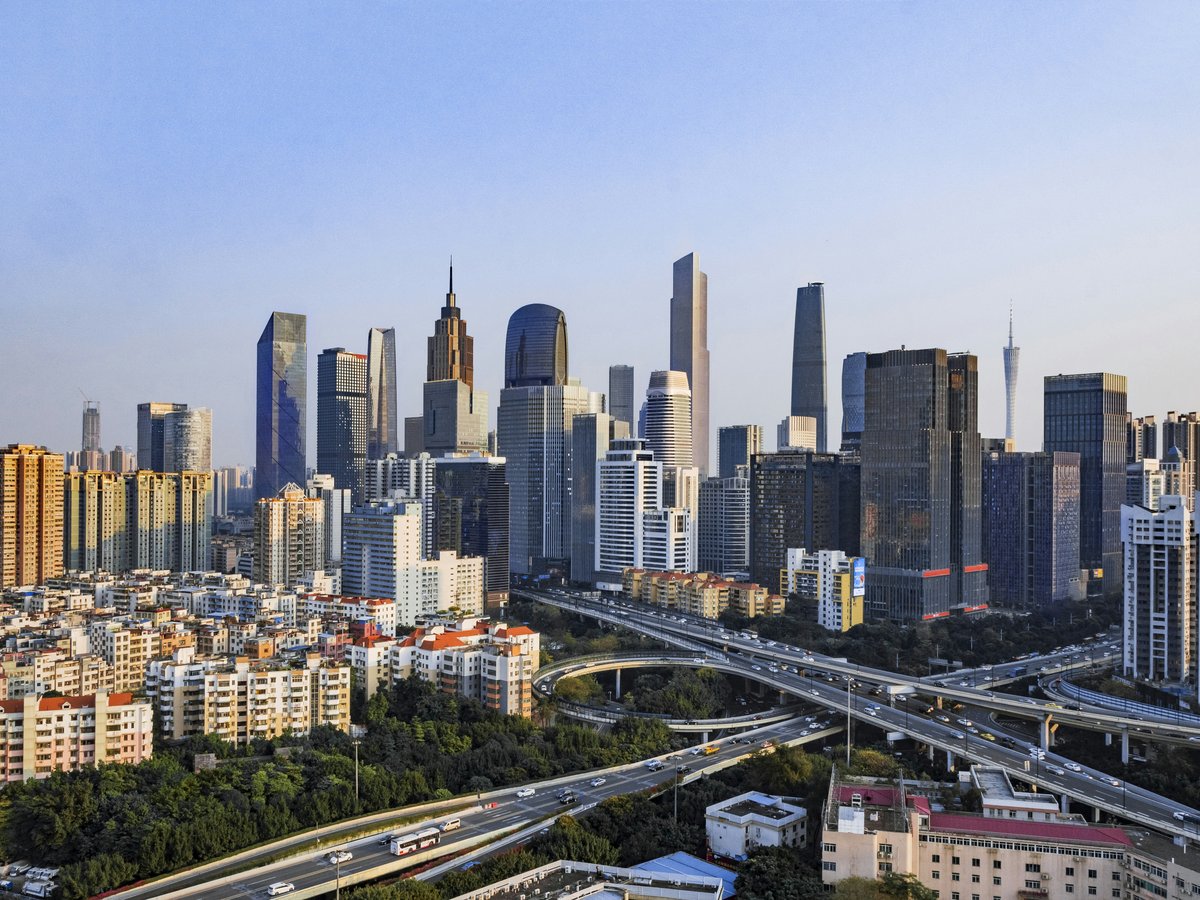
Stay in Guangzhou in January
108 hotels in the Trip.com pool for Guangzhou, from US$15 a night.
Opens Trip.com on Fri 1 Jan to Sun 3 Jan 2027; change the dates there.
January is Guangzhou's driest month. Roughly 21mm of rain falls across about 5 wet days, daytime highs average 19.9°C (68°F), and overnight lows settle near 11°C (52°F). Compare that to July's 33°C peaks and 265mm of rain. The relief is real. Humidity drops to about 60%, and locals treat anything below 15°C as proper winter. You will see down jackets and scarves on the Tianhe metro platforms while visitors from Seoul or Chicago might be comfortable in a light fleece.
The month's character depends on the lunar calendar. Chinese New Year falls in late January roughly every 2 to 3 years, and when it does, Guangzhou's centuries-old Yingchun Flower Fair fills streets across Liwan, Yuexiu, and Haizhu with peach blossoms, orchids, and kumquat trees. Accommodation rates can double during that window, and the city's 3 main rail stations strain under the Chunyun migration. In years when the holiday falls in February, January stays quiet, well clear of the Canton Fair crowds that fill the city each April and October.
January also marks the peak of lawei season across Guangdong province. Walk through Xiguan's lanes and you will see bundles of wax-cured sausage and duck hanging from iron hooks outside shopfronts on Dishifu Lu, their dark reddish-brown skins glistening in the cool air. Claypot rice vendors fire up charcoal stoves on Wenming Lu from mid-afternoon onward. By about 6 PM the sweet, caramelized scent of scorched rice crust drifts through Liwan's narrow streets.
Why visit in January
- The driest month of the year, with only about 5 rainy days and minimal interruption to outdoor plans. Baiyun Mountain and Shamian Island are both far more pleasant to explore without summer humidity.
- Cool temperatures make walking the older neighborhoods in Liwan and Yuexiu comfortable for hours, a sharp contrast to the exhausting heat from May through September.
- Peak season for Cantonese winter comfort food, including claypot rice and wax-cured meats that vendors serve less frequently in warmer months.
- Lower tourist density in non-CNY years compared to Canton Fair months in April and October, which means shorter waits at popular dim sum restaurants and less crowded metro lines.
Worth knowing
- Evenings can feel genuinely cold, especially in older buildings without central heating. Indoor temperatures in budget accommodation may drop below 15°C after dark.
- When Chinese New Year falls in late January (roughly every 2 to 3 years), hotel prices spike, transit becomes chaotic, and many smaller restaurants and shops close for up to a week.
- Gray, overcast stretches of 3 to 4 days are common, which can dampen photography plans and make the city feel subdued compared to autumn's sharper light.
- Some outdoor attractions like the Pearl River night cruise operate on reduced winter schedules, with the last departure moving earlier than in summer.
Best for
Think twice if
Cool and dry by Guangzhou's subtropical standards. Mornings feel genuinely chilly, particularly in older Liwan neighborhoods where concrete buildings hold the overnight cold. By midday, temperatures climb enough for comfortable walking in a light layer. Rain is infrequent and usually light when it arrives. The air lacks the heavy, sticky quality that defines the city from May through September. Visibility across the Pearl River Delta tends to be noticeably better than during the haze-prone summer months.
Seasonal caution
- Cold snaps occasionally push overnight lows to 5°C or below for 2 to 3 days, especially in early January. Most Guangzhou hotels and older apartments lack central heating, so budget travelers should confirm that their accommodation offers at least a space heater or heated blanket.
Year-round climate
Averages from the last 5 years.
| Month | Avg high (°C) | Avg low (°C) | Rainfall (mm) |
|---|---|---|---|
| Jan | 20 | 11 | 21 |
| Feb | 21 | 13 | 80 |
| Mar | 25 | 16 | 126 |
| Apr | 28 | 20 | 282 |
| May | 29 | 23 | 300 |
| Jun | 31 | 25 | 441 |
| Jul | 33 | 26 | 265 |
| Aug | 32 | 26 | 345 |
| Sep | 32 | 25 | 284 |
| Oct | 29 | 21 | 123 |
| Nov | 25 | 17 | 52 |
| Dec | 20 | 12 | 25 |
Holidays and festivals in January
Public holidays
- New Year's Day(元旦)1 January 2027
Headline events
Guangzhou Yingchun Flower Fair (广州迎春花市)
3 days before Chinese New Year's Eve (in January only when CNY falls in late January)
Guangzhou's signature pre-Chinese New Year tradition, running continuously since at least the Ming Dynasty. Flower markets fill major streets in Liwan, Yuexiu, and Haizhu for 3 days before New Year's Eve. Vendors sell peach blossoms for romance, kumquat trees for wealth, and orchids alongside calligraphy and festive snacks. Millions of residents walk the routes, which stay open past midnight. This event occurs in January only when Chinese New Year falls in late January, roughly every 2 to 3 years.
Best things to do in January
Hike Baiyun Mountain (白云山)
outdoorsBaiyun Mountain rises to 382 meters on Guangzhou's northern edge and draws morning hikers year-round. The main trail from the south gate to Moxing Ridge takes about 90 minutes at a steady pace. On clear days, you can see well across the Pearl River Delta from the summit pavilion.
January's minimal rainfall and mild temperatures make this the most comfortable month for the climb. Summer attempts mean pushing through peak heat with high humidity and frequent storm risk.Booking tipNo booking needed. Arrive before 8 AM on weekends to avoid the morning fitness crowd that peaks around 9.
Walk the Shamian Island (沙面岛) colonial architecture loop
sightseeingThis roughly 900-meter-long sandbank island in the Pearl River served as a foreign concession from 1861 to 1943. It still holds over 150 European-style buildings, including the former British and French consulates. The tree-lined central boulevard rewards a slow 45-minute stroll.
The low winter sun creates long afternoon shadows on the neoclassical facades, and January's drier air means fewer hazy days. Summer's flat overhead light washes out the architectural detail.Morning dim sum in a traditional Cantonese teahouse
foodGuangzhou is the birthplace of yum cha culture. Restaurants along Longjin Xi Lu in Liwan still practice the push-cart service where bamboo steamers circulate the dining room. Sessions typically run from about 7 AM to 11 AM.
Lower tourist numbers in January mean shorter waits at the traditional venues that typically have 30-to-60-minute queues during Canton Fair season in October and November.Booking tipWeekday mornings need no reservation. For weekend dim sum, arrive by 7:30 AM or expect a wait.
Evening walk along the Zhujiang New Town waterfront
sightseeingThe 3-kilometer promenade along the Pearl River in Tianhe runs from Haixinsha Island past the Guangzhou Opera House (opened 2010) and the Guangdong Museum to Liede Bridge. Canton Tower, completed the same year at 600 meters tall, lights up across the water after dark.
January evenings in the low teens are comfortable for a 45-minute walk. In summer the waterfront stays above 28°C at 9 PM with thick humidity. Lower winter moisture also sharpens the tower's light reflections on the water.Explore the Chen Clan Ancestral Hall (陈家祠)
cultureThis 19-hall compound in Liwan was completed in 1894. It is the finest surviving example of southern Chinese decorative architecture. The roof ridges carry ceramic sculptures of opera scenes, and interior panels feature intricate Chaozhou woodcarving. It now houses the Guangdong Folk Art Museum.
Cooler temperatures make the open-air courtyards comfortable for the 60 to 90 minutes needed to appreciate the detail. Summer visits in peak heat tend to be rushed.Booking tipOpen daily. Weekday mornings draw the fewest visitors.
Browse the Qingping Market (清平市场) area
foodThe Qingping area in Liwan was once Guangzhou's most notorious live-animal market. It has since been reorganized into a sprawling dried-goods and traditional medicine market. Stalls sell dried seafood, herbs, mushrooms, and specialty ingredients used in Cantonese winter soups. The narrow alleys stretch several blocks south of Shangxiajiu Pedestrian Street.
January is peak buying season for the dried ingredients used in winter tong sui dessert soups and slow-cooked herbal broths. Stock is at its freshest and most varied before the Chinese New Year gifting rush.Visit the Canton Tower (广州塔) observation deck
sightseeingGuangzhou's 600-meter tower offers views from indoor and outdoor observation decks between the 107th and 112th floors. On clear days, visibility extends well past the city center.
January humidity at 60% is the lowest of the year, giving noticeably clearer panoramas than the haze-heavy months from April through September. Late afternoon visits catch the sunset over the Pearl River Delta.Booking tipBook tickets online at least a day ahead for weekend sunset slots, which sell out in peak periods.
What to eat in January
On menus now
Claypot rice (煲仔饭)
A cold-weather staple served from roughly October through March. Each pot cooks over an individual charcoal burner for about 20 minutes. The prized part is the scorched rice crust at the bottom, loosened with a splash of soy sauce. Toppings include lap cheong, salted fish, and minced pork.
Ginger milk curd (姜撞奶)
A warm, silky dessert made by pouring hot buffalo milk into fresh ginger juice, which causes it to set into a soft curd. The dish originally comes from neighboring Shunde but is widely served across Guangzhou. It appears more frequently on menus during the cooler months, and the ginger adds a warming bite that pairs well with January's chill.
Sweet potato soup (番薯糖水)
A warming Cantonese dessert soup made with orange-fleshed sweet potatoes, coconut milk, and rock sugar. Street stalls in Haizhu and near Beijing Road serve it from small carts through the winter months. The sweet potatoes reach their peak starch-to-sugar conversion in the cooler soil temperatures of January.
Street food peaks
Turnip cake (萝卜糕)
White radish peaks in Guangdong's winter harvest from December through February. The cakes are steamed with dried shrimp, lap cheong, and shiitake mushrooms, then pan-fried until crispy outside. The winter version uses fresh radish rather than preserved, and the texture is noticeably softer than what you find in other seasons.
In markets
Lawei (腊味, wax-cured meats)
Peak curing season runs from about November through February, and January is when the selection is widest. Cantonese lawei includes lap cheong pork sausage, cured duck, and pork belly. Shopfronts in Xiguan hang bundles outside to dry in the cool air. The flavor tends to be sweeter and less smoky than northern Chinese cured meats.
Festival food
Laba congee (腊八粥)
Served on Laba Festival, the 8th day of the 12th lunar month, which usually falls in early to mid-January. The congee contains 8 or more ingredients including red beans, lotus seeds, peanuts, dried longan, and jujubes. Temples and some traditional restaurants offer it free on the festival morning.
Regular events in January
New Year's Day (元旦)Free
A 1-day public holiday on January 1. Huacheng Square in Zhujiang New Town hosts a countdown event on New Year's Eve with light displays and live performances.
January 1Laba Festival (腊八节)Free
The 8th day of the 12th lunar month, usually in early to mid-January. Buddhist and Taoist temples including Guangxiao Temple and Liurong Temple distribute free Laba congee to visitors from early morning until supplies run out.
Early to mid-January (varies with lunar calendar)Chunyun (春运) spring travel rushFree
The world's largest annual human migration officially starts 15 days before Chinese New Year. Guangzhou Railway Station, Guangzhou East, and Guangzhou South handle millions of departing migrant workers heading home. Even in years when CNY falls in February, the tail end of January sees rising rail congestion.
Begins roughly 15 days before Chinese New Year, often late JanuaryBest places this January
Yuexiu Park (越秀公园)
parkGuangzhou's largest downtown park at 86 hectares, home to the Five Rams Statue and the Ming-era Zhenhai Tower (built 1380). January's cooler weather makes the hilly terrain more manageable. The winter camellia display near the south gate is typically in bloom through the month.
YuexiuShamian Island (沙面岛)
historic districtA sandbank in the Pearl River with over 150 preserved European-era buildings from the concession period (1861 to 1943). The banyan-lined central boulevard and quieter side streets reward slow photography walks in January's soft winter light.
LiwanSacred Heart Cathedral (石室圣心大教堂)
landmarkOne of the few entirely granite-built Gothic cathedrals in the world, completed after 25 years of construction. The stained-glass windows catch the low January sun at its most dramatic angle in the late afternoon. Located on Yide Lu.
YuexiuBeijing Road Pedestrian Street (北京路步行街)
shopping and historyA major commercial street with a glass-covered archaeological excavation showing road surfaces from 11 dynasties, dating back over 2,000 years. The open-air viewing is more comfortable in January's mild weather than in summer heat. Street food stalls cluster at the southern end.
YuexiuHaizhu Wetland Park (海珠湿地公园)
natureAn 11-square-kilometer urban wetland in central Haizhu, one of the largest in any Chinese city center. January brings migratory waterbirds including egrets and grey herons that spend the winter in the park's fruit orchards and reed beds.
HaizhuShangxiajiu Pedestrian Street (上下九步行街)
shopping and foodA 1,200-meter commercial street lined with qilou (arcade-style shophouses) dating from the early 20th century. The covered colonnades keep you dry on the occasional rainy January day. The area serves as a starting point for exploring Xiguan's food scene.
LiwanGuangxiao Temple (光孝寺)
templeOne of the oldest Buddhist temples in Guangzhou, with documented history stretching back over 1,700 years. During Laba Festival in January, the temple distributes free congee and draws large morning crowds. The courtyard's ancient bodhi tree and iron pagoda are calm during the rest of the month.
Yuexiu
Your packing checklist
Tick items off as you pack. Your progress saves in this browser.
All packed — have a great trip.
Insider tips
The wholesale Lingnan Flower Market in Fangcun (now part of Liwan district) operates year-round, not only during the pre-CNY Flower Fair period. Prices on orchids and bonsai run a fraction of what retail stalls charge elsewhere in the city, and the heated greenhouses are worth the metro ride to Fangcun station.
Baiyun Mountain's western route from the Yuntai Garden (云台花园) entrance is less trafficked than the main south gate. In January the climb stays comfortable even past 10 AM, and the route passes a spring-fed stream that is far easier to appreciate without summer's crowds.
Dim sum restaurants in the Longjin Xi Lu area thin out by about 10:30 AM on weekdays. Arriving after the early rush means shorter waits and the same menu, though the push-cart selection may be smaller by then. Weekend mornings have no quiet window.
If you visit during a cold snap (lows below 8°C), the hot-pot restaurants in Tianhe fill up fast after 6 PM. Cantonese-style coconut chicken hot pot is milder than Sichuan versions and more accessible for visitors who do not eat spicy food. Solo travelers can navigate the city's main districts comfortably. Guangzhou scores 6.5 out of 10 for solo-traveler safety (see the TTDI Solo-Safety Index).
Avoid these mistakes
- Packing for tropical weather because Guangzhou sits in southern China. January lows near 11°C, combined with no central heating in most budget hotels and older buildings, can make nights uncomfortable without proper layers. Travelers from Southeast Asia are especially caught off guard.
- Booking a trip in late January without checking the Chinese New Year date. In years when the holiday falls in January, the final week sees prices spike, transportation gridlock during Chunyun, and many family-run restaurants closed for up to a week.
- Spending all day in Tianhe's modern shopping malls and skipping the Xiguan old quarter in Liwan. The older neighborhood has the best concentration of traditional Cantonese food, from claypot rice to lawei shops, and January's cooler weather makes walking its narrow lanes comfortable.
- Assuming international credit cards work everywhere. Guangzhou runs almost entirely on mobile payments through WeChat Pay and Alipay. Many smaller restaurants and markets do not accept foreign cards. Set up mobile payment before or shortly after arriving.
Practical tips for January
January is a comfortable month for logistics in Guangzhou, but a few things need advance thought. The metro runs from about 6 AM to 11:30 PM on most lines, with no major winter schedule changes. If visiting during a CNY-adjacent January, book trains and domestic flights at least 2 to 3 weeks early, as Chunyun demand fills capacity fast. Most major museums close on Mondays, including the Guangdong Museum in Zhujiang New Town and the Museum of the Mausoleum of the Nanyue King in Yuexiu. Temple visits carry no dress code as strict as in Southeast Asian countries, but covering shoulders and knees is still respectful at Guangxiao Temple and Liurong Temple. Tipping is not customary in Guangzhou restaurants or taxis. For international visitors, check whether the 144-hour visa-free transit policy at Baiyun International Airport applies to your nationality, as it can cover a January stay without a full visa if you hold an onward ticket to a third country.
FAQ
Is January a good time to visit Guangzhou?
January is one of the 3 best months for visiting Guangzhou. It has the lowest rainfall of the year, mild daytime temperatures, and lower tourist density than the Canton Fair months in April and October. The main variable is Chinese New Year, which occasionally lands in late January and brings crowds and price spikes. In non-festival years, the month offers a genuine lull.
What is the weather like in Guangzhou in January?
Expect comfortable winter weather with highs near the 20°C mark and overnight lows that dip into the low teens. Rain is minimal, with roughly 5 wet days across the month. Humidity stays moderate compared to the sticky conditions from May through September. Pack layers for a temperature swing of roughly 9 degrees between morning and afternoon, and bring a jacket for evenings.
Is Guangzhou crowded in January?
In a typical non-CNY January, crowds are moderate. The city sits between its peak periods. The Canton Fair in April and October draws the biggest business crowds, and Golden Week in early October is the domestic tourist peak. If Chinese New Year falls in late January, expect heavy local tourism and significant transit congestion during the final week.
Do I need to speak Mandarin to get around Guangzhou in January?
Guangzhou's primary local language is Cantonese, though most residents under 40 also speak Mandarin. English proficiency is limited outside international hotels and the Zhujiang New Town business district. A translation app on your phone is important for navigating restaurants and markets in older neighborhoods. Metro signage is bilingual in Chinese and English.
What food should I try in Guangzhou in January?
January is peak season for lawei (wax-cured meats) and claypot rice cooked over charcoal, both of which are cold-weather staples that vendors serve less often in summer. Dim sum is excellent year-round, but the winter crowds at traditional teahouses in Liwan are more manageable than during Canton Fair season. If your visit overlaps with Laba Festival (usually early to mid-January), some temples offer free congee in the morning.
Things to Do in Guangzhou in January


Last verified by automated review (v1.7.2) on . What is automated review?