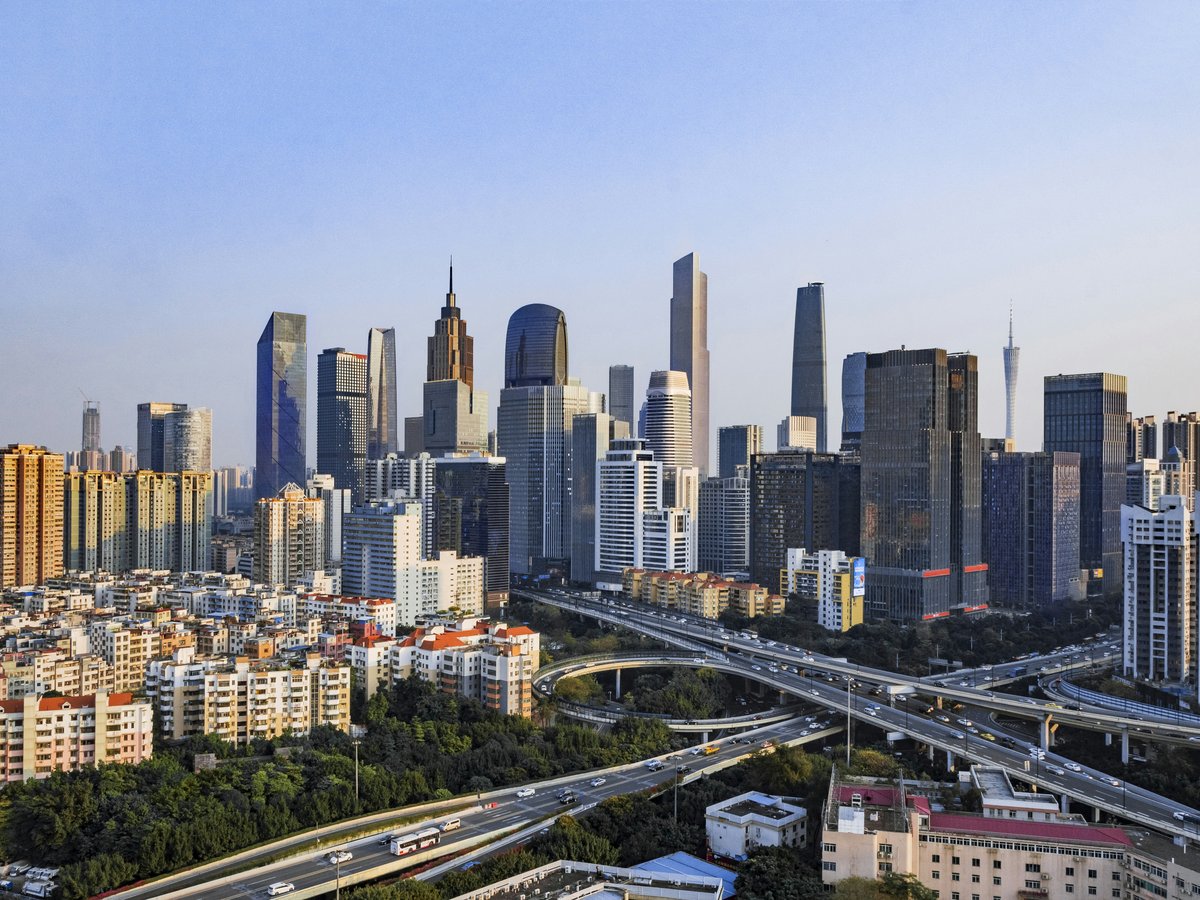
Guangzhou has operated as southern China's commercial capital for over 2,000 years, and that mercantile DNA still runs through the city. The Canton Fair, held twice annually since 1957, draws buyers from 200+ countries to the Pazhou Complex on the Pearl River. But the everyday shopping scene matters more to visitors. Guangzhou tends to organize itself by trade, so entire streets or multi-story buildings specialize in one product category. You'll find a wholesale building dedicated to nothing but zippers, another for buttons, and a third for tea. That vertical specialization means prices often sit 30-50% below what you'd pay in Hong Kong or Shanghai for identical goods. The city is still the country's leading hub for jade, Cantonese ceramics, silk, and traditional herbal goods. With 1 USD currently converting to roughly 6.71 CNY, your money stretches further here than in most Chinese tier-one cities. Worth noting, Guangzhou's humidity tends to hover near 89% in September, so the many air-conditioned wholesale plazas feel like a practical refuge as much as a shopping destination.
Shopping districts
-
Beijing Road Pedestrian Street (北京路步行街)
mid-rangeBeijing Road has been a commercial thoroughfare since the Tang Dynasty, and excavated road layers from the Song and Ming periods are visible under glass panels right in the pavement. The pedestrian zone stretches about 1 km through Yuexiu District, lined with domestic brands like Li-Ning, Anta, and local Cantonese bakeries. The side alleys are where it gets interesting. You might stumble across old herbal medicine shops and family-run gold jewelers that have been on the same block for decades. The crowds peak after 18:00, especially on weekends, when street food vendors set up along the fringes. It still feels like a place Guangzhou residents go, not a zone curated for tourists.
Best for: Domestic fashion brands, street food, historical atmosphere
-
Tianhe District (天河路商圈)
luxury to mid-rangeTianhe is Guangzhou's modern commercial core, anchored by TaiKoo Hui, Grandview Mall, and Tee Mall within a few Metro stops of each other. TaiKoo Hui opened in 2011 and carries the usual international luxury names, from Hermès to Bottega Veneta. Grandview Mall sits directly above the Tianhe Sports Center, originally built in 1987, and skews younger with mid-tier labels and a massive food court in the basement levels. The district serves the city's growing professional class. You'll notice more Mandarin than Cantonese here, reflecting Guangzhou's demographic shift over the past 15 years. On a rainy afternoon, the connected underground walkways between these malls make it possible to browse for 3-4 hours without stepping outside.
Best for: International luxury labels, contemporary Chinese designers, indoor browsing
-
Shangxiajiu Pedestrian Street (上下九步行街)
budget to mid-rangeShangxiajiu runs through Liwan District in old Guangzhou, and the qilou arcade buildings lining it date to the 1920s and 1930s. These Lingnan-style colonnaded shophouses were designed for the subtropical climate, keeping the walkways shaded and relatively dry. The shops lean toward affordable clothing, shoes, and accessories, mostly domestic brands or unbranded goods. The real draw is the surrounding Xiguan neighborhood. Locals still buy dried seafood, Chinese sausage (lap cheong), and preserved meats from shops that weigh everything on hanging scales. Prices here tend to be 40-60% below what Tianhe charges for comparable items.
Best for: Affordable fashion, dried goods, Lingnan architecture
-
Haizhu Wholesale District
budgetHaizhu sits south of the Pearl River and contains several massive wholesale complexes, including the Guangzhou Zhongtai International Shoe City and the Haizhu textile markets. Mind you, these are trade markets first. Some stalls have minimum order quantities of 3-5 pieces, though many will sell singles at slightly higher per-unit prices. The buildings can feel overwhelming, with 4-6 floors of identical-looking stalls, but the prices on leather goods, fabrics, and shoes tend to be the lowest in the city. The area around Changgang Road concentrates footwear wholesalers in a density that's hard to find anywhere else in China.
Best for: Wholesale shoes, textiles, leather goods in bulk or near-bulk quantities
-
Onelink International Plaza and Zhanxi Road
budgetZhanxi Road, near Guangzhou Railway Station, has long been the city's epicenter for wholesale clothing and accessories. Onelink International Plaza is the most organized of the buildings in this cluster, with 5 floors of stalls selling fashion apparel, bags, and jewelry components. The neighborhood can feel chaotic, particularly during Canton Fair season when international buyers fill the sidewalks with rolling luggage. Prices start low and go lower if you're buying in volume. That said, the area has cleaned up considerably since the early 2010s, and many vendors now accept WeChat Pay and have product catalogs on their phones.
Best for: Wholesale fashion, accessories, bags, small-quantity sourcing
-
Fangcun Tea Market (芳村茶叶市场)
mixedFangcun, in Liwan District's western reaches, is likely the largest tea wholesale market in all of China. Hundreds of vendors sell pu'er, oolong, jasmine, and aged white tea across several connected buildings along Fangcun Dadao. Most shops will brew samples for you without obligation, and the better vendors store aged pu'er cakes going back 15-20 years in climate-controlled rooms. Prices per 357g pu'er cake range from under 50 CNY for factory-floor production to several thousand for aged single-origin pressings. Even if you don't buy, the experience of tasting 6-8 teas while sitting at a merchant's gongfu setup is worth the Metro ride to Fangcun station.
Best for: Tea sourcing, pu'er and oolong tasting, specialty tea accessories
Markets
-
Qingping Market (清平市场)
traditional medicine and dried goodsQingping Market sits at the western end of Shangxiajiu in Liwan District and has operated in some form since the late Qing era. It was once infamous for live wildlife, but authorities banned that trade in 2020. Today the market focuses on traditional Chinese medicine ingredients, dried herbs, dried seafood, and spices. You'll find stalls selling dried tangerine peel (chenpi) aged 5, 10, even 15+ years, with prices scaling accordingly. Xinhui chenpi from Jiangmen, about 100 km southwest, is the most prized variety. The herbal medicine section smells like dried licorice root and astragalus. Vendors here tend to be knowledgeable about traditional preparations and will explain dosing if you ask.
Daily, roughly 07:00 to 18:00, with some stalls closing earlier in the afternoon
-
Liwan Plaza Jade Market (荔湾广场玉器城)
gemstone and jadeThe lower floors of Liwan Plaza, right on Shangxiajiu, house one of Guangzhou's densest concentrations of jade and gemstone vendors. Hundreds of small stalls sell Burmese jadeite, Hetian nephrite, agate, and amber. The quality ranges enormously, from machine-carved tourist pieces under 50 CNY to certified A-grade jadeite bangles that might cost tens of thousands. Certification matters here. Reputable vendors will provide a gemological certificate from the Guangdong Province Gem Testing Center. Without that paper, you're guessing. The jade floors tend to feel quieter than the streets outside, with vendors sitting behind glass cases sipping tea, waiting for serious buyers.
Daily, approximately 09:30 to 18:00
-
Hualin Jade Street (华林玉器街)
jade, antiques, and collectiblesHualin Jie, a short walk from Qingping Market, concentrates jade and antique dealers along a narrow street near the Hualin Temple (founded circa 526 AD). The street-level vendors sell more affordable carved pieces, prayer beads, and small jade pendants. A few of the older shops specialize in antique porcelain and Shiwan ceramic figures, though genuine antiques require cautious authentication. Mornings between 07:00 and 10:00 see the most activity, when dealers from Sihui and Jieyang arrive with fresh stock. Bargaining is expected, and starting at 40-50% of the asking price seems to be the local norm.
Daily from early morning, busiest 07:00 to 12:00
-
Guangzhou Night Market at Xihu Road
night marketXihu Road in Yuexiu District comes alive after 19:00 with street vendors selling clothing, phone accessories, small electronics, and snacks. It's not the largest night market in China, but it draws a young local crowd on weeknights, especially university students from nearby campuses. The food stalls along the periphery sell Cantonese-style grilled skewers, stinky tofu, and egg waffles. Prices are low, and the atmosphere feels genuinely local rather than staged. On humid September evenings, the pavement radiates the day's stored heat and the smell of charcoal and chili flakes hangs in the air.
Nightly from roughly 19:00 to 23:00, busiest on Friday and Saturday
-
Yide Road Dried Seafood Market (一德路干货市场)
food wholesaleYide Road runs through Yuexiu District near the Sacred Heart Cathedral, which has anchored this neighborhood since 1888. The street and its branching alleys are lined with wholesale dried seafood vendors selling abalone, scallops, shark fin alternatives, dried shrimp, and fish maw. Guangzhou's Cantonese cooking tradition relies heavily on these ingredients for soups and braises. Even retail buyers can purchase in smaller quantities here, often at prices 30% below supermarket rates. The whole street smells briny and slightly sweet, a concentrated version of the flavor profile that defines Cantonese slow-cooked soup.
Daily, approximately 06:00 to 17:00, with wholesale activity peaking before 10:00
Souvenirs worth bringing home
Guangzhou's most distinctive local products tend to reflect Cantonese culinary and craft traditions. Aged chenpi (sun-dried tangerine peel) from the Xinhui region is probably the most portable and genuinely local souvenir. A 100g pouch of 5-year chenpi might run 30-80 CNY depending on origin and grade. Cantonese lap cheong (dried pork sausage) vacuum-sealed for travel is another solid choice, particularly brands from the Huangshang or Ronghua producers that locals recognize. For tea drinkers, a pu'er cake from Fangcun carries weight as a gift, especially aged pressings with clear provenance. Shiwan ceramic figures, made in Foshan about 25 km southwest, represent a ceramic tradition dating to the Ming Dynasty. Small figurines depicting opera characters or calligraphy scholars typically cost 80-300 CNY for hand-finished pieces. Canton enamelware (guangcai) is rarer now but still produced by a handful of workshops, featuring famille rose-style floral patterns on porcelain. Guangzhou-made sandalwood fans have been a noted local craft since the Qing Dynasty. To be fair, the tourist-grade fans sold on Beijing Road are mostly machine-made, while genuine handcrafted versions require a visit to specialty shops in the Xiguan quarter of Liwan. Cantonese herbal tea packets, particularly Wanglaoji or locally blended varieties from Qingping Market, travel well and cost under 20 CNY for a mixed bundle.
Practical tips
- Bargaining norms
- Bargaining is expected in wholesale markets, jade markets, and street stalls, but generally not in malls or chain stores. In wholesale districts like Zhanxi Road or Haizhu, vendors quote high and expect negotiation. Starting at 40-50% of the quoted price and settling around 60-70% seems to be the local rhythm. At Fangcun tea market, tasting is free, but haggling on tea is gentler. Vendors there are more likely to throw in extra samples than to drop the unit price significantly. In jade markets, price flexibility depends on whether the piece carries a gem certificate. Certified items have less room to negotiate.
- Payment methods
- WeChat Pay and Alipay dominate Guangzhou's retail economy. Even street food vendors at Xihu Road night market typically display QR codes. International visitors can now link Visa or Mastercard to WeChat Pay and Alipay via their respective mini-programs, a change that rolled out across major Chinese cities in 2024. Cash (CNY) is still accepted in traditional markets like Qingping and the jade floors, but some younger vendors in wholesale plazas might not keep change readily. Credit cards work at TaiKoo Hui and other large malls but are rarely accepted in smaller shops.
- Tax refunds
- China's departure tax refund scheme allows foreign visitors to reclaim 11% of the VAT on single purchases over 500 CNY from participating stores. Guangzhou Baiyun International Airport has a tax refund counter in the departure hall. You'll need the original tax refund form (stamped by the store), your passport, and the purchased item for inspection. Processing times can run 20-30 minutes, so arriving early helps. Not all shops participate. Large malls in Tianhe typically do, but wholesale markets and small independent stores generally do not.
- Shopping hours
- Most Guangzhou malls open by 10:00 and close around 22:00. Wholesale markets operate on a different clock, with many stalls at Yide Road and Zhanxi opening by 07:00 or earlier and winding down by 17:00-18:00. Tea merchants at Fangcun tend to keep hours from roughly 09:00 to 20:00, since tea buying is a social activity that stretches into the evening. Night markets don't get going until 19:00 and peak around 21:00. Canton Fair periods (April and October) can shift market hours and crowd levels significantly across the city.
- Getting between districts
- Guangzhou's Metro system is extensive, with 16+ lines as of 2025, and connects all major shopping areas. Beijing Road is at Gongyuanqian station (Lines 1 and 2), Tianhe malls cluster near Tiyu Xilu station (Line 1), and Shangxiajiu is a short walk from Changshou Lu station (Line 1). A single ride costs 2-14 CNY depending on distance. The Metro runs roughly 06:00 to 23:30. DiDi (ride-hailing) is the practical alternative after Metro hours, with typical cross-city rides running 25-60 CNY.
- Counterfeits and quality checks
- Guangzhou's wholesale markets carry a mix of legitimate and questionable goods. Jade is the highest-risk category for uninformed buyers. Always ask for a Guangdong Province Gem Testing Center certificate (GTC) for any jadeite purchase over a few hundred CNY. For electronics, stick to authorized retailers or JD.com rather than market stalls. Clothing quality varies enormously in wholesale buildings. Check stitching, zippers, and fabric weight before buying in quantity. Silk products sold near tourist areas are frequently polyester blends. A burn test (real silk smells like burnt hair, synthetic smells acrid) can distinguish them, though performing it at a stall requires some social confidence.
FAQ
Is Guangzhou safe for solo travelers shopping in markets?
Guangzhou scores 6.5/10 for solo-traveler safety (see the TTDI Solo-Safety Index). The main shopping districts like Beijing Road, Tianhe, and Shangxiajiu are well-lit and heavily trafficked. Wholesale areas near Guangzhou Railway Station can feel more chaotic, and pickpocketing has been reported in crowded market buildings during Canton Fair season. Standard precautions apply. Keep valuables in front pockets, stay aware of your surroundings in dense crowds, and avoid flashing large amounts of cash.
Do Guangzhou shop vendors speak English?
English proficiency is generally low in Guangzhou's traditional markets and wholesale districts. Vendors in Tianhe's international malls tend to manage basic English for transactions. In wholesale buildings near Zhanxi Road, many vendors are accustomed to foreign buyers and can negotiate using a calculator or phone translator. Learning numbers in Cantonese or Mandarin helps enormously. The phrases 'duo shao qian' (how much) and 'pian yi yi dian' (a little cheaper) cover about 80% of market interactions.
When is the best time of year to shop in Guangzhou?
The Canton Fair periods in April and October bring the most wholesale activity but also the largest crowds and highest hotel prices. For retail shopping without the trade-fair pressure, November through February tends to be pleasant, with cooler temperatures around 15-22°C and lower humidity. Chinese New Year (late January or February, depending on the lunar calendar) closes many family-run shops for 1-2 weeks but brings festive decorations and seasonal goods to the streets. Summer months are hot and humid, though the air-conditioned malls in Tianhe make that less of an issue.
Can I ship purchases home from Guangzhou?
Yes, and Guangzhou is well-equipped for it given its wholesale trading heritage. SF Express and ZTO Express have service points throughout the city and handle international parcels. For larger shipments from wholesale markets, many vendors can arrange container shipping through agents in the Baiyun or Haizhu districts. DHL and FedEx operate in Guangzhou for express international shipping, though rates are significantly higher than domestic carriers. Expect to pay roughly 80-150 CNY per kg for express air freight to North America or Europe.
What is the difference between Guangzhou jade markets and those in other Chinese cities?
Guangzhou's jade trade benefits from its proximity to the Burmese border, historically the world's primary source of jadeite. The Liwan Plaza and Hualin Street jade markets receive rough stone and finished pieces from Yunnan's Ruili and Tengchong border markets. Prices tend to be 15-25% lower than comparable pieces in Beijing's Panjiayuan or Shanghai's Dongtai Road, partly because there are fewer intermediaries in the supply chain. The Guangdong Province Gem Testing Center (GTC), based locally, is considered one of China's most reliable jade certification bodies.
Last verified by automated review (v1.7.2) on . What is automated review?