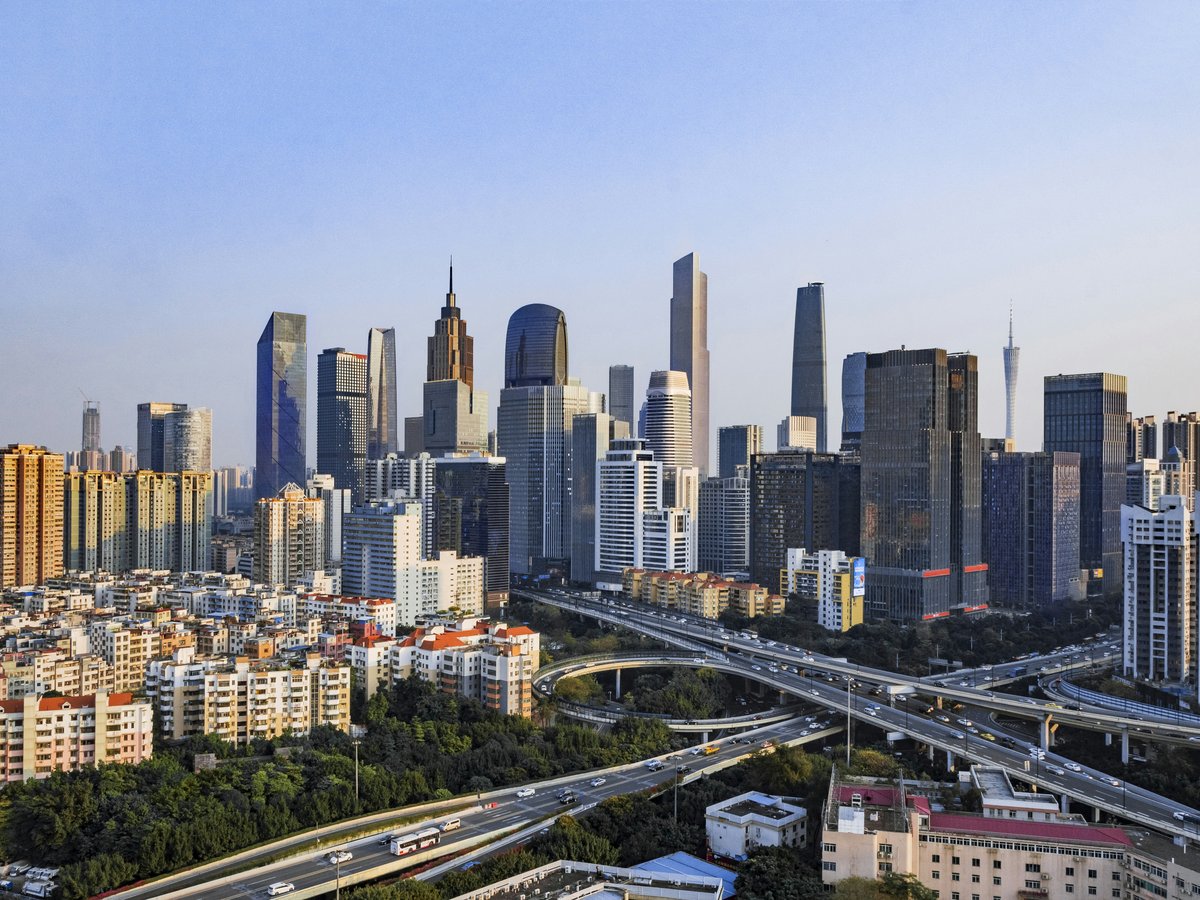
Where do locals actually go in Guangzhou?
Cantonese locals drink morning tea at Lian Xiang Lou in Liwan by 7am, browse Fangcun's tea wholesale market on Saturday mornings, and crowd Dongshan Kou's indie cafes after 2pm on weekdays. Shipai Urban Village in Tianhe serves ¥15 wonton noodles to office workers past 10pm. The tourist circuit rarely touches any of these.
Guangzhou runs on yum cha. Not the tourist dim sum at Garden Hotel. The real morning-tea circuit starts before 7am at places like Lian Xiang Lou on Dishifu Lu in Liwan, where retirees claim tables by 6:30 and the steam from bamboo baskets fogs the windows until mid-morning. A full spread of har gow, siu mai, and cheung fun runs about ¥50 per person, roughly $7.50 at current rates. Panxi Restaurant on Longjin Xi Lu, built around a garden lake in 1947, fills its 1,000 seats by 8am on Sundays. The smell of freshly steamed lotus-leaf rice drifts across the parking lot. You will be the only foreigner. That is the test. Cantonese locals treat morning tea as a 2-hour social ritual, not a meal. They read newspapers, argue about horse racing in loud Cantonese, and leave around 9:30. If you show up at 10, the kitchen is already winding down.
Dongshan Kou, three metro stops east of the old city on Line 1, is where Guangzhou's under-35 creative class spends its off-hours. The Republican-era villas along Shuqian Lu and Meidong Lu have been converted into small studios, vintage shops, and cafes that don't advertise on Dianping. Lof10 on Shuqian Lu does pour-over coffee for ¥32 in a converted 1920s villa with exposed brick walls and creaking wooden stairs. The crowd is freelancers, photographers, and architecture students. Weekday afternoons between 2pm and 6pm hit the best ratio of locals to visitors. By Saturday afternoon the influencer crowd arrives with ring lights, and the whole neighborhood shifts. Mind you, even on weekends the back streets behind Dongshan Kou metro stay quiet. The fruit vendors on Meidong Lu still sell lychees by the jin and don't speak Mandarin if they can avoid it.
Shipai Village in Tianhe sits directly behind the Grandview Mall, but it might as well be a different city. Narrow alleys, 3 meters wide, lined with neon-lit noodle stalls and Sichuan malatang shops. Office workers from the Tianhe CBD pour in after 9pm for ¥15 wonton noodles or ¥20 clay-pot rice. The air is thick with chili oil smoke and the clatter of plastic stools being dragged across tile floors. This is not a food-tourism destination. It is where the 22-year-old intern who makes ¥5,000 a month eats dinner. Tangxia Village near the East Railway Station runs a similar pattern, though the food skews more toward Hunan and Guizhou migrant cooking. Worth noting, urban villages tend to be loud until 1am and dead quiet by 2am. The landlords who own the buildings above the shops enforce this.
Saturday mornings belong to Fangcun Tea Market, south of the Pearl River in Liwan. The wholesale district along Fangcun Dadao North covers several blocks of shop-houses selling pu-erh, tieguanyin, and dancong from eastern Guangdong. Nobody sells to tourists here. Vendors sit behind low tables, brew samples in tiny clay pots, and negotiate by weight. The smell of roasted oolong fills the corridors. Expect to spend 2 hours tasting before buying anything. Xiaozhou Village in Haizhu, near the University Mega Center, draws a younger crowd on Sunday afternoons. The village dates to the Ming Dynasty, and its narrow stone-paved lanes now hold about 30 small galleries and ceramics studios mixed in with the remaining residential households. Iced coffee from the village's 5 or 6 independent cafes costs ¥18 to ¥25. The crowd is art students from the nearby Guangzhou Academy of Fine Arts, not tourists. Guangzhou's digital-nomad suitability scores 3.8/10 (sourced from TTDI's editorial rubric), and these local pockets are the reason the social-integration component still rates above zero.
Where they actually go
Lian Xiang Lou
Liwan (Xiguan): Retirees fill bamboo-chair seats by 6:30am. Steam from stacked dim sum baskets fogs the windows. Cantonese conversation at full volume. ¥50 covers har gow, siu mai, and cheung fun. Kitchen winds down by 10am.
Panxi Restaurant
Longjin Xi Lu, Liwan: 1,000-seat garden restaurant, full by 8am on Sundays. The smell of lotus-leaf rice carries from the kitchen to the lake pavilion. Mostly multi-generational Cantonese families, zero English spoken.
Lof10
Dongshan Kou: Pour-over coffee for ¥32 in a converted 1920s villa. Creaking wooden stairs, exposed brick, freelancers on MacBooks. Weekday afternoons stay local. Saturday brings the ring-light influencer crowd.
Shipai Urban Village
Tianhe: 3-meter-wide alleys lit by neon signs. Chili oil smoke, plastic stools scraping tile, ¥15 wonton noodles. CBD office workers flood in after 9pm. Loud until 1am, dead silent by 2am.
Fangcun Tea Market
Fangcun, Liwan: Blocks of wholesale shop-houses selling pu-erh and dancong. Vendors brew tiny samples in clay pots, negotiate by the jin. Roasted oolong scent fills the corridors. No tourist-facing signage.
Xiaozhou Village
Haizhu: Ming Dynasty village with stone-paved lanes, about 30 galleries mixed with residential households. Art students from the nearby Academy of Fine Arts. Iced coffee ¥18 to ¥25. Quiet on weekdays.
Tangxia Village
Tianhe: Similar to Shipai but skewing Hunan and Guizhou migrant flavors. Spicier food, cheaper rents. Near the East Railway Station. The crowd is newer arrivals to Guangzhou, not the Cantonese old guard.
Best times to visit
Yum cha peaks 6:30am to 9:30am daily, heaviest Sundays. Dongshan Kou cafes are locals-only weekdays 2pm to 6pm. Shipai night-eating runs 9pm to midnight. Fangcun Tea Market works best Saturday mornings before 11am.
Last verified by automated review (v1.7.2) on . What is automated review?