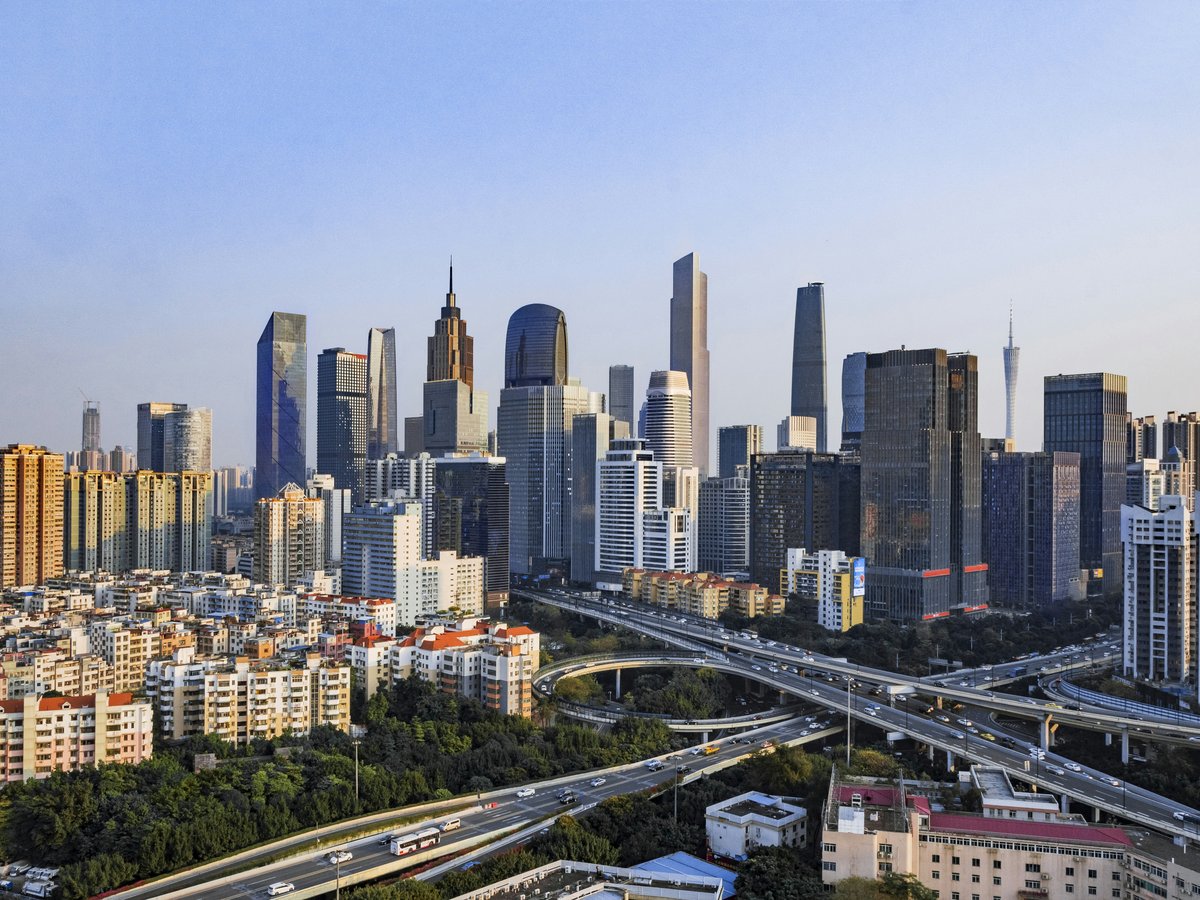
Guangzhou's museums argue for a city that has been the meeting point of empires, trade routes, and revolutions, and its shelves reflect that pileup. There is a general provincial museum in the new central axis, a former customs building on the river, two art institutions that split the modern and the classical between them, a science center on the southern islands, an archaeology hall built over a 2,000-year-old tomb, an ancestral academy loud with tile carvings, a Taoist temple, a revolutionary hall, a generalissimo's mansion, a railway museum, and a private art house south of the Pearl River. Some are civic set-pieces, some are working scholarly institutions, and a few are quiet rooms most visitors never find. The list below is arranged in the order a curious traveler with three days and comfortable shoes might walk them, weighted toward the venues that reward a slow visit over a photo stop. Every address and coordinate below is sourced; opinions are marked as such and are the editor's own.
-
1 Guangdong Museum
珠江东路2号The flagship general museum of the province, in the Zhujiang New Town cultural spine.
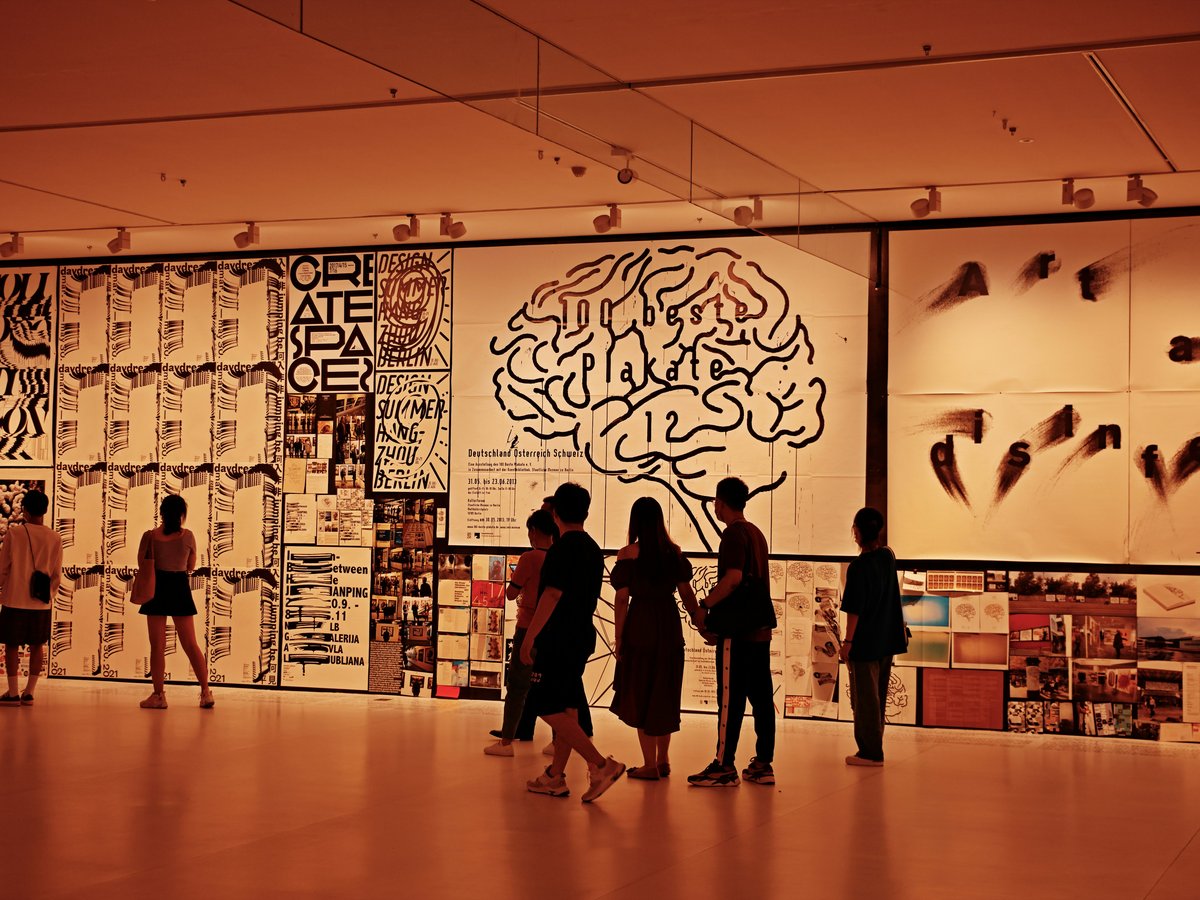
At 珠江东路2号, Guangdong Museum anchors the eastern side of the Zhujiang New Town cultural axis, roughly at 23.1172, 113.3214. Skip the impulse to treat this as a one-hour stop between the opera house and the tower; the collection is the province's general museum, which in practice means natural history, ceramics, calligraphy, and Chaozhou woodcarving all under one roof, and the woodcarving hall alone deserves 45 minutes. The building's carved-box exterior gets the postcards, but the interior is where the case is made. Plan around the official site at gdmuseum.com for the rotating exhibitions, which is where the museum spends its curatorial ambition. Q5613636 on Wikidata if you want to pre-read the collection index before you go.
-
2 Canton Custom House
沿江西路29號The riverside customs building of treaty-era Canton, now a customs museum.
The old Canton Custom House sits on the Pearl River bund at 沿江西路29號, at 23.1100, 113.2459, and it is the single most legible piece of treaty-era architecture left in the city. Avoid the temptation to treat this stretch of 沿江西路 as background for a Shamian Island walk; the building was the customs house of Canton, and the museum inside, catalogued as Q15908709, reads the port through the paperwork it once processed. The house tells you how tea, silver, and opium moved through the harbor, which is a story the guidebooks tend to flatten. Check customsmuseum.cn for opening hours before you cross the river; the interior is small and the light through the arcades is best in the late afternoon.
-
3 Guangdong Museum of Art
23.1105, 113.3018The provincial contemporary and modern art institution.
Mapped at 23.1105, 113.3018, Guangdong Museum of Art is the province's contemporary and modern art hall, and it is the one to visit if you want to see what artists working out of the Pearl River Delta are making now. The locals who follow the scene track the exhibition schedule at gdmoa.org rather than dropping in cold; the standing collection is thinner than the temporary shows, and the temporary shows are where the museum earns its reputation. Wikidata carries the institution as Q11064749, useful if you are cross-referencing artists across regional collections. The building is on the western edge of Ersha Island, a quiet residential pocket that is a pleasant walk in itself, and the museum is best paired with an hour on foot along the river rather than a taxi in and out.
-
4 Guangzhou Museum of Art
23.1037, 113.3205The municipal art museum, weighted toward Chinese painting and Lingnan school work.
Guangzhou Museum of Art sits at 23.1037, 113.3205, and it is the municipal counterpart to the provincial art hall on Ersha Island, not a duplicate of it. Don't bother trying to see both in a single morning; the collections lean in different directions, and this one rewards a reader more than a scroller. The Lingnan school of painting, which is the local classical tradition, is where the museum's holdings are strongest, and the halls hung with ink work are the reason to come. Programming is posted at gzam.com.cn, and the standing collection is what to plan around rather than the temporary shows. The Wikidata record is Q25378279. The building itself is unshowy, which is a mercy, and the galleries are usually quiet on a weekday afternoon.
-
5 Guangdong Science Center
23.0367, 113.3625The province's flagship hands-on science museum, on Xiaoguwei Island.
At 23.0367, 113.3625, on the university island south of the city proper, Guangdong Science Center is the province's flagship science museum and by floor area one of the largest in the country. Skip the assumption that this is a children's stop; the exhibits on shipbuilding, aviation, and the human body are pitched at adults who want to press buttons and read panels, and the building rewards a full half-day. It is a haul from central Guangzhou, so plan it as its own trip, not an add-on, and check gdsc.cn for closures before you commit the metro ride. The record is Q26996788 on Wikidata. Bring water; the halls are cavernous and the cafeteria is functional at best.
-
6 He Art Museum
22.9357, 113.2147A private Chinese art museum in a Tadao Ando-designed circular building.
Mapped at 22.9357, 113.2147, He Art Museum is technically over the city line in Shunde, and it is worth the ride. The locals who care about contemporary Chinese art head here rather than staying in the central district, because the building itself is a piece of work and the curation takes the collection seriously as Chinese art, not as a private-owner's trophy room. Programming is posted at hem.org, and it is worth timing your visit to a temporary exhibition rather than dropping in cold. Wikidata carries the museum as Q85877621. Give yourself the round trip; the museum is 40 kilometers from central Guangzhou, and pairing it with a lunch in Shunde is the way locals structure the day.
-
7 Guangdong Museum of Revolutionary History
23.1243, 113.2650The province's official narrative of the modern revolutionary period.
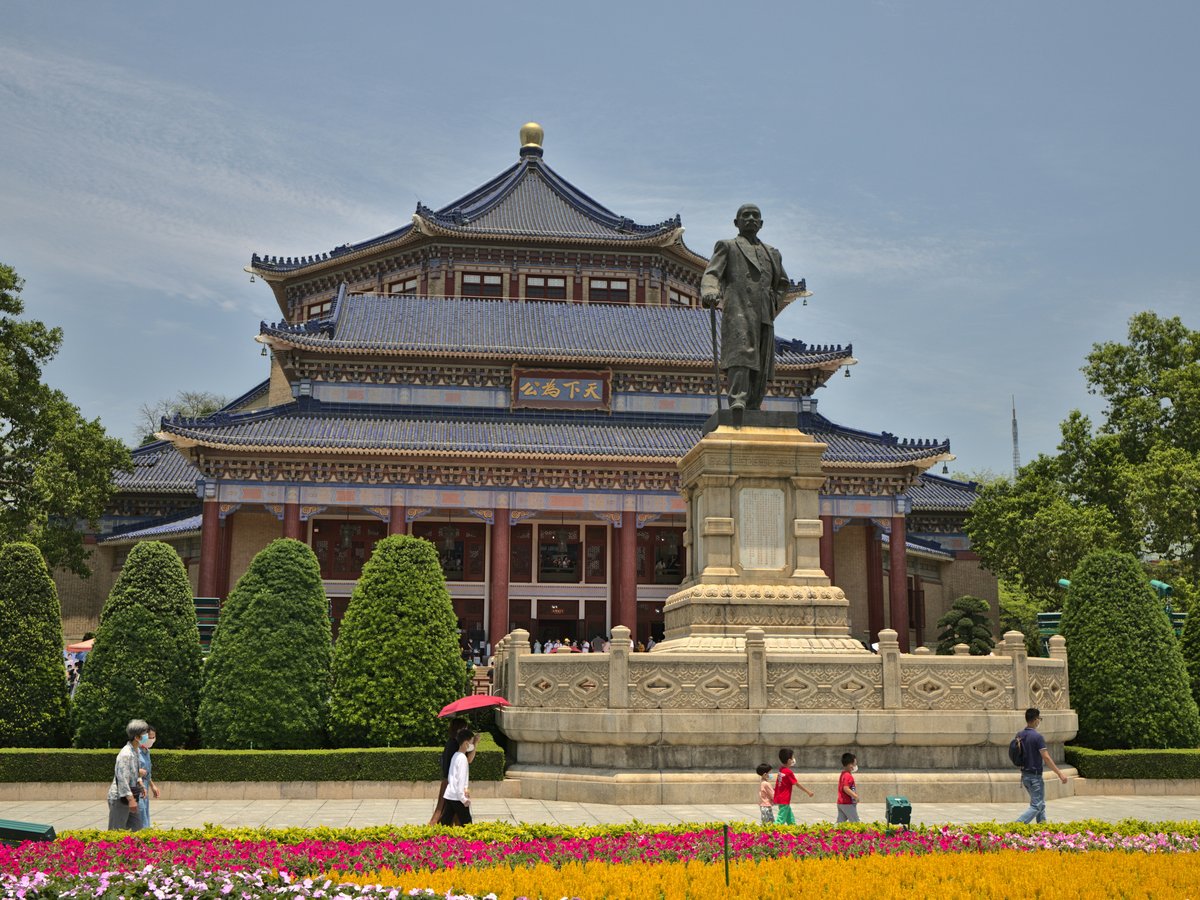
At 23.1243, 113.2650, Guangdong Museum of Revolutionary History occupies a compound in the older city center and tells the province's twentieth-century political story on the state's own terms. Read it as primary source rather than as neutral survey; the museum is Guangzhou's official venue for the revolutionary period, and understanding the framing is part of the visit. The locals who bring visitors here tend to pair it with the nearby Peasant Movement Institute walk, which puts the exhibits in physical context. Wikidata catalogues the museum as Q5613635. Go in the morning when the halls are quiet; the compound is pleasant to linger in and the outdoor grounds are as much of the experience as the interior galleries.
-
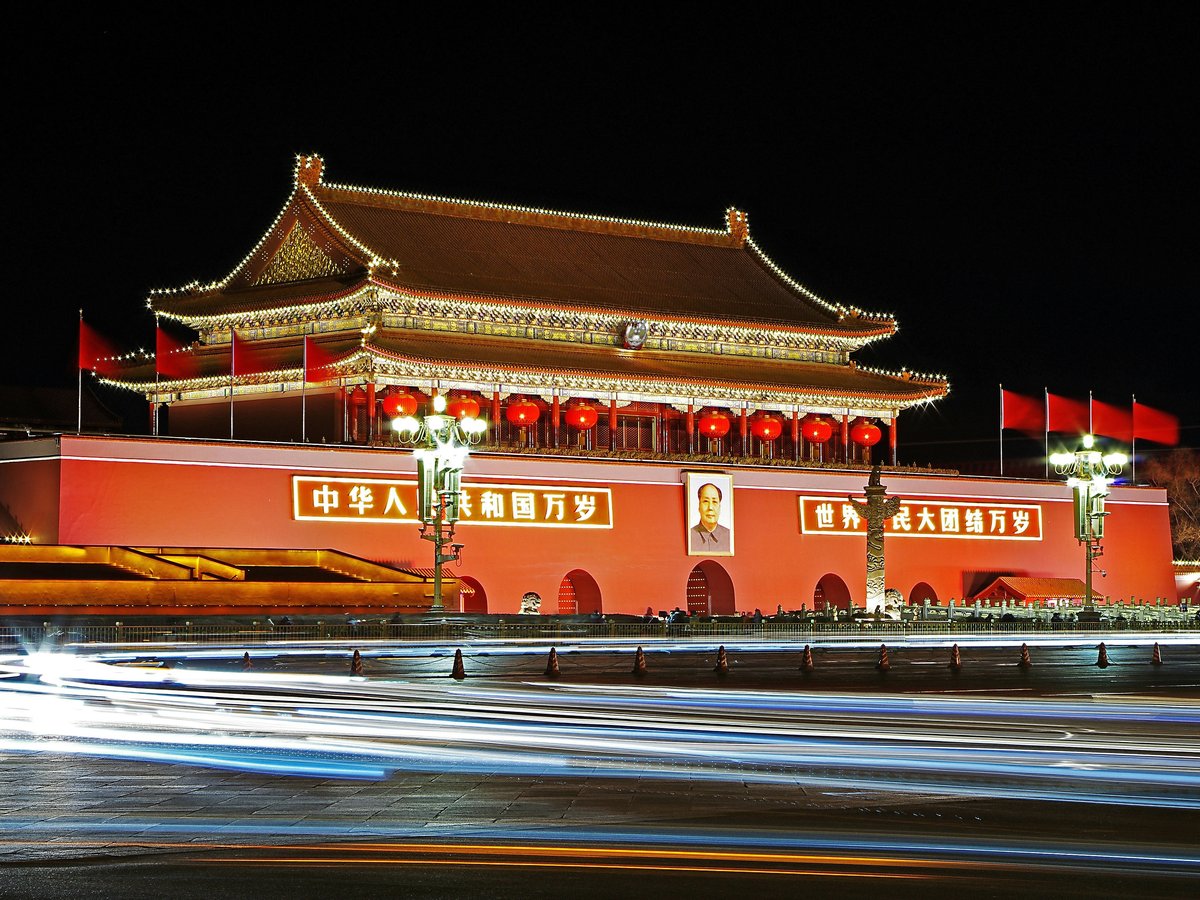
8 Chen Clan Academy
23.1298, 113.2401A late-Qing ancestral academy, now a folk art museum.
Chen Clan Academy sits at 23.1298, 113.2401, and it is the single most rewarding piece of Qing-era Cantonese architecture inside the city. Don't rush the courtyards; the point of the visit is the surface detail, the ceramic ridge figures, the woodcarving over the doorframes, the brickwork in the side courts, and any of them will hold a slow-looking eye for 20 minutes. The academy is now used as a folk art museum, so the interior rooms are hung with lacquer, embroidery, and ivory work rather than lecture-hall furniture. Wikidata records it as Q5090739. The complex is a short walk from the metro station of the same name; the locals go early on a weekday to see it without the tour groups, and the light in the courtyards is best mid-morning.
-
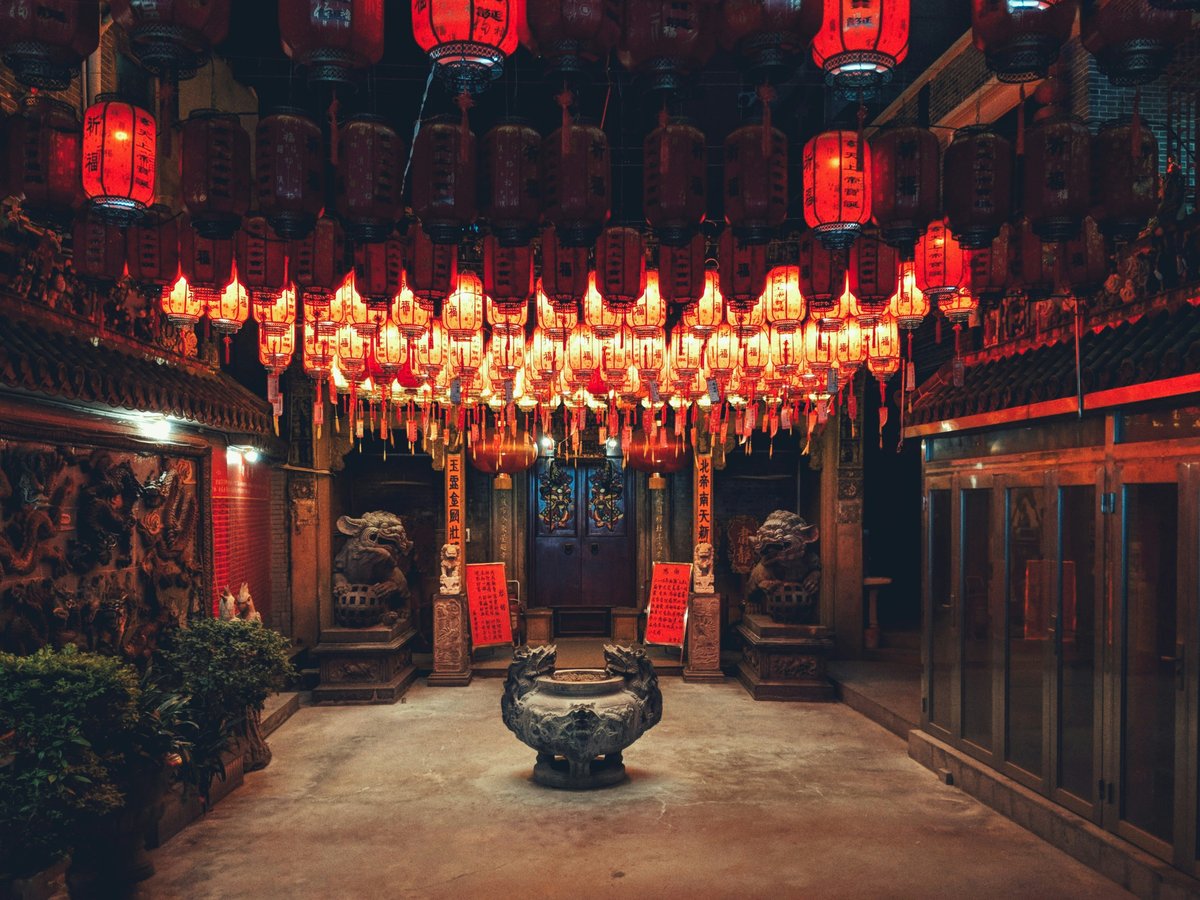
9 Temple of the Five Immortals
23.1230, 113.2545A former Taoist temple, quiet, wooden, and largely overlooked.
At 23.1230, 113.2545, the Temple of the Five Immortals is a former Taoist temple that most itineraries skip, and that is the case for going. The locals who know it treat it as a quiet break from the surrounding retail streets rather than a sightseeing tick, and the compound is small enough to walk in 30 minutes and calm enough to sit in for longer. The founding legend gives the city one of its old names, Goat City, which is why the bronze goats around town make sense once you have been here. Wikidata carries the site as Q10881501. Bring cash for the small admission and go on a weekday morning; on weekends the courtyards can fill with school groups.
-
10 Nanyue King Museum
23.1403, 113.2556A large archaeology museum built over the intact 2nd-century BCE tomb of a Nanyue king.
Nanyue King Museum sits at 23.1403, 113.2556, and it is the single museum on this list that a visitor with only a half day should not skip. The building is a large archaeology museum in Guangzhou, and the reason is that the tomb itself is preserved in situ underneath the galleries; you descend into the stone chambers rather than reading about them upstairs. The jade burial suit and the ritual bronzes are on quiet display in the surrounding halls, and the interpretation is unusually calm for a museum built around a headline object. Wikidata catalogues the museum as Q124682045. Go early; the tomb chambers are narrow and the queue on a weekend afternoon can double the visit time. Two hours is a fair minimum.
-
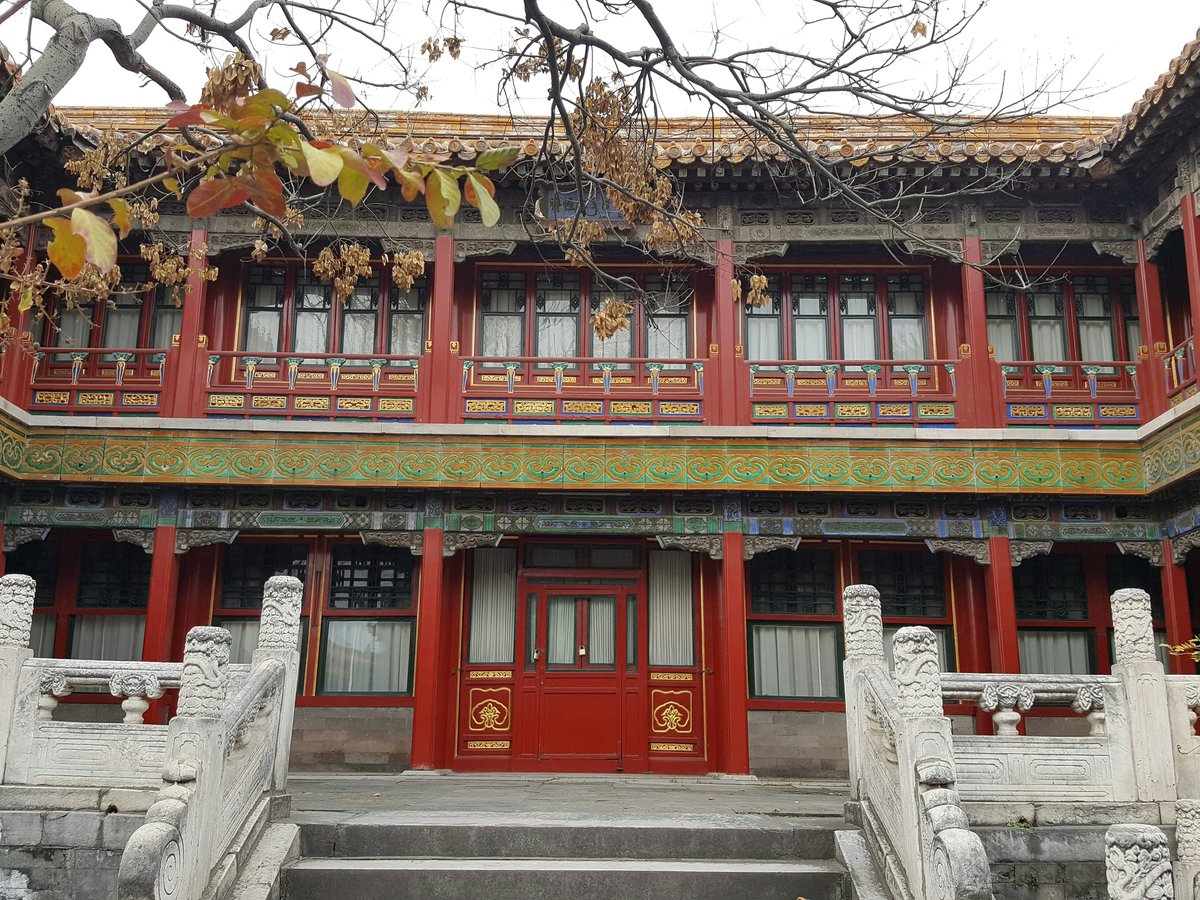
11 Memorial Museum of Generalissimo Sun Yat-sen's Mansion
23.1124, 113.2739The preserved mansion Sun Yat-sen used as a base during his southern government period.
At 23.1124, 113.2739, the Memorial Museum of Generalissimo Sun Yat-sen's Mansion is the smaller, quieter counterpart to the well-known memorial hall further north, and it is the one worth the detour. Don't bother trying to see both if your time is short; this site is the working residence rather than the ceremonial monument, and the rooms are laid out with the domestic detail that makes the political story legible. The garden compound is walkable in under an hour, which makes it an easy addition to a morning on the older side of the river. Wikidata records the site as Q10945435. Weekday afternoons are quiet; the museum is small enough that a tour group of any size fills it, and the reading is better without one.
-
12 Guangzhou Railway Museum
23.1143, 113.2261A transport museum on the site of an old rail yard, with rolling stock outdoors.
Mapped at 23.1143, 113.2261, Guangzhou Railway Museum is a transport museum in Guangzhou on the western edge of the older city, and it closes this list because it is the most specialist stop. Skip it unless you like rolling stock; the appeal is a set of retired locomotives and passenger cars parked outdoors on original track, and the indoor galleries are a straightforward chronological read of the southern rail network. The locals who bring visitors here tend to be enthusiasts, and that shapes the visit; children who like trains will spend 90 minutes happily, and adults who don't will spend 30. Wikidata carries the museum as Q109351546. Pair it with lunch in the surrounding neighborhood rather than a taxi back to the center; the streets around the station are worth an unhurried walk.
Last verified by automated review (v1.7.2_onboard-guangzhou-attractions-museums-2026-09-18) on . What is automated review?