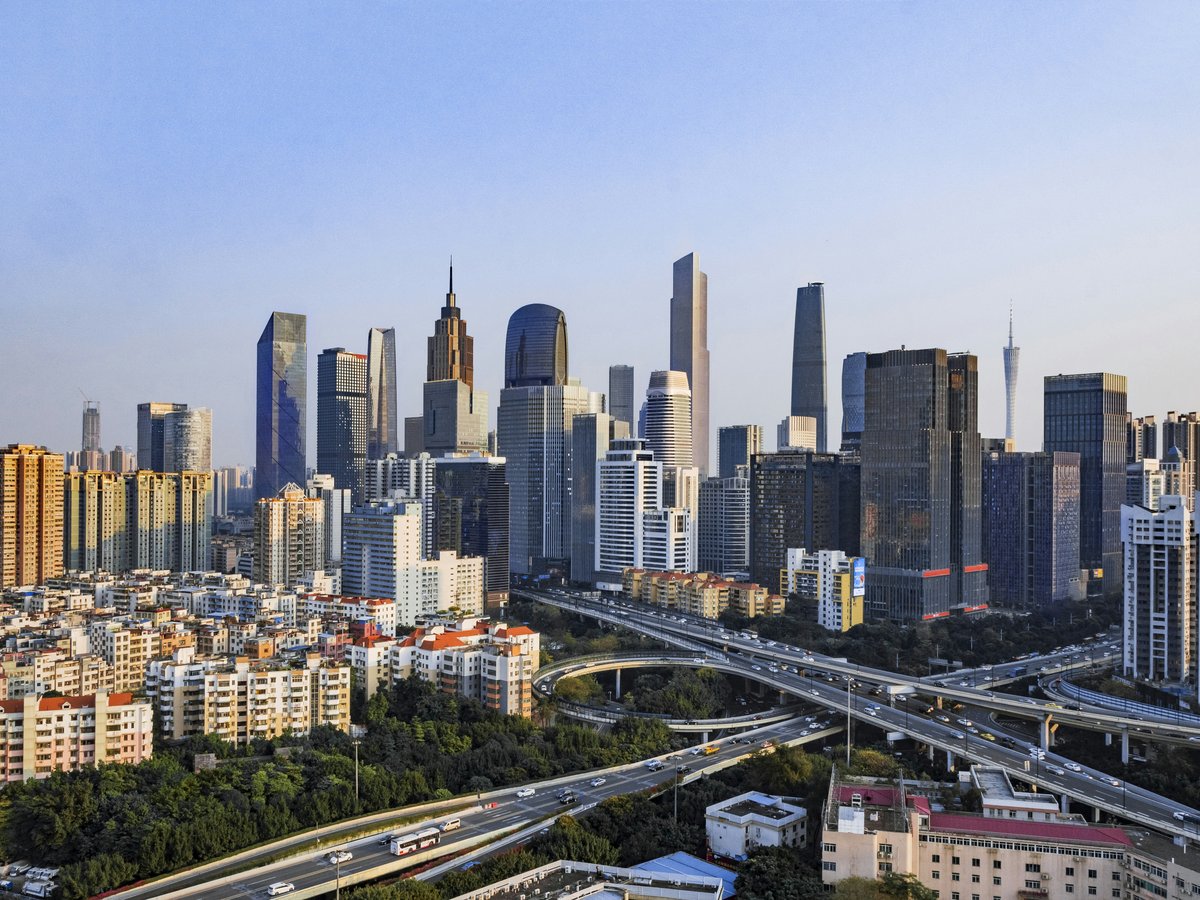
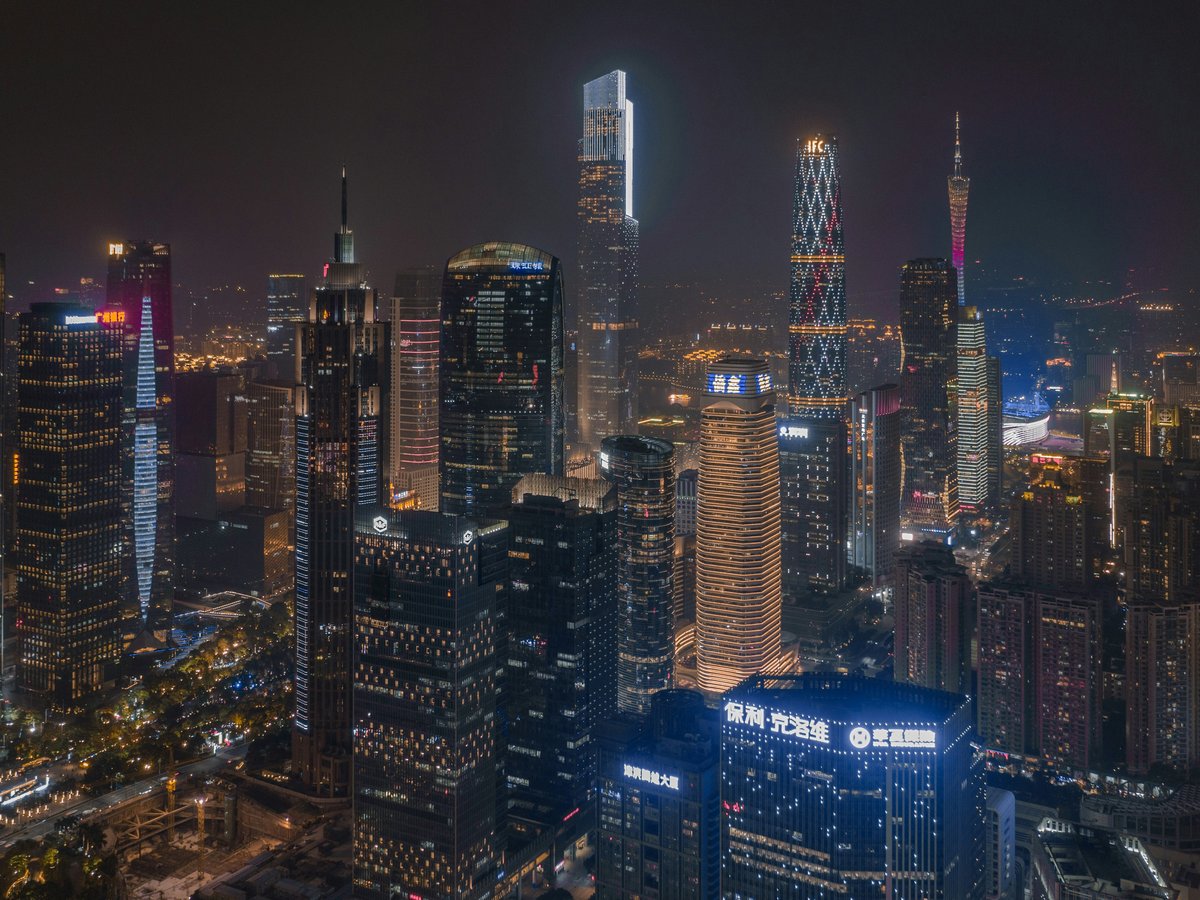
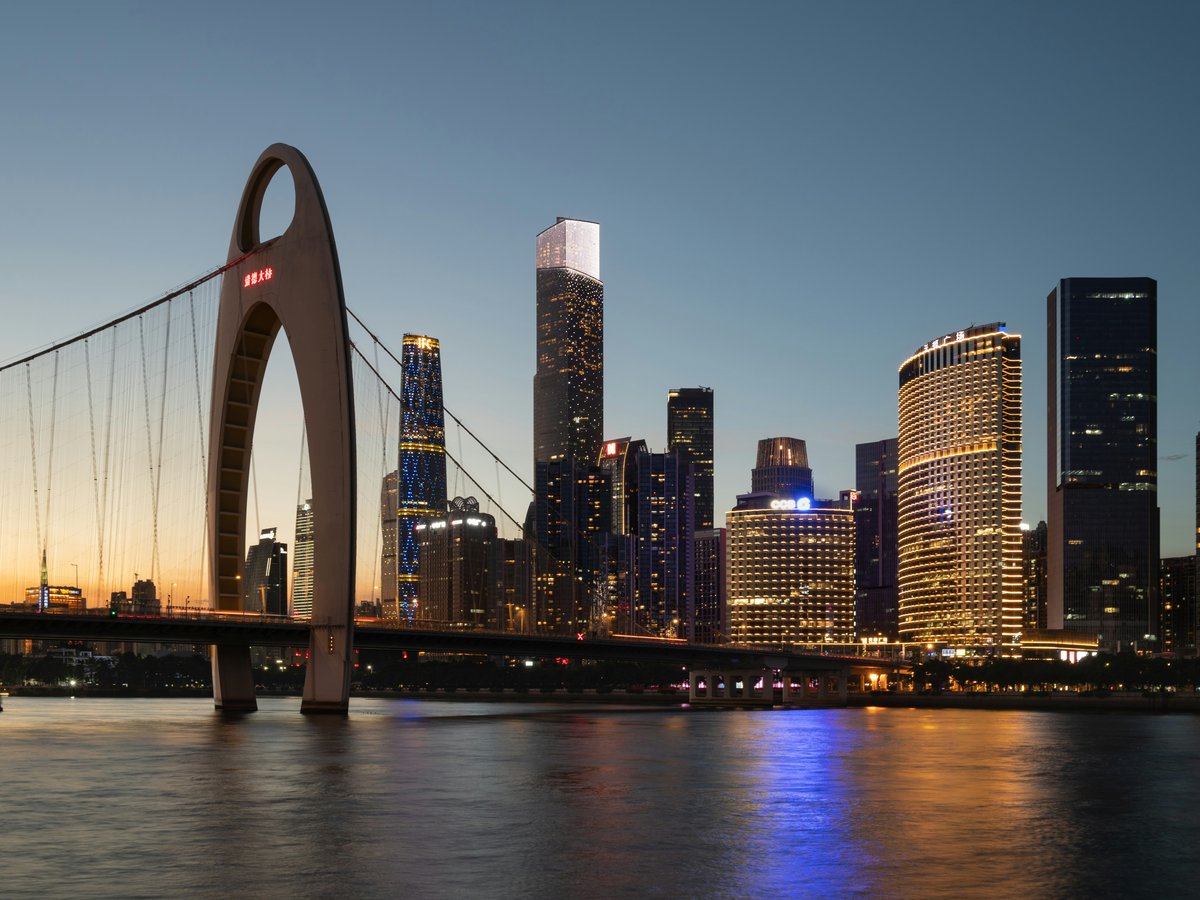
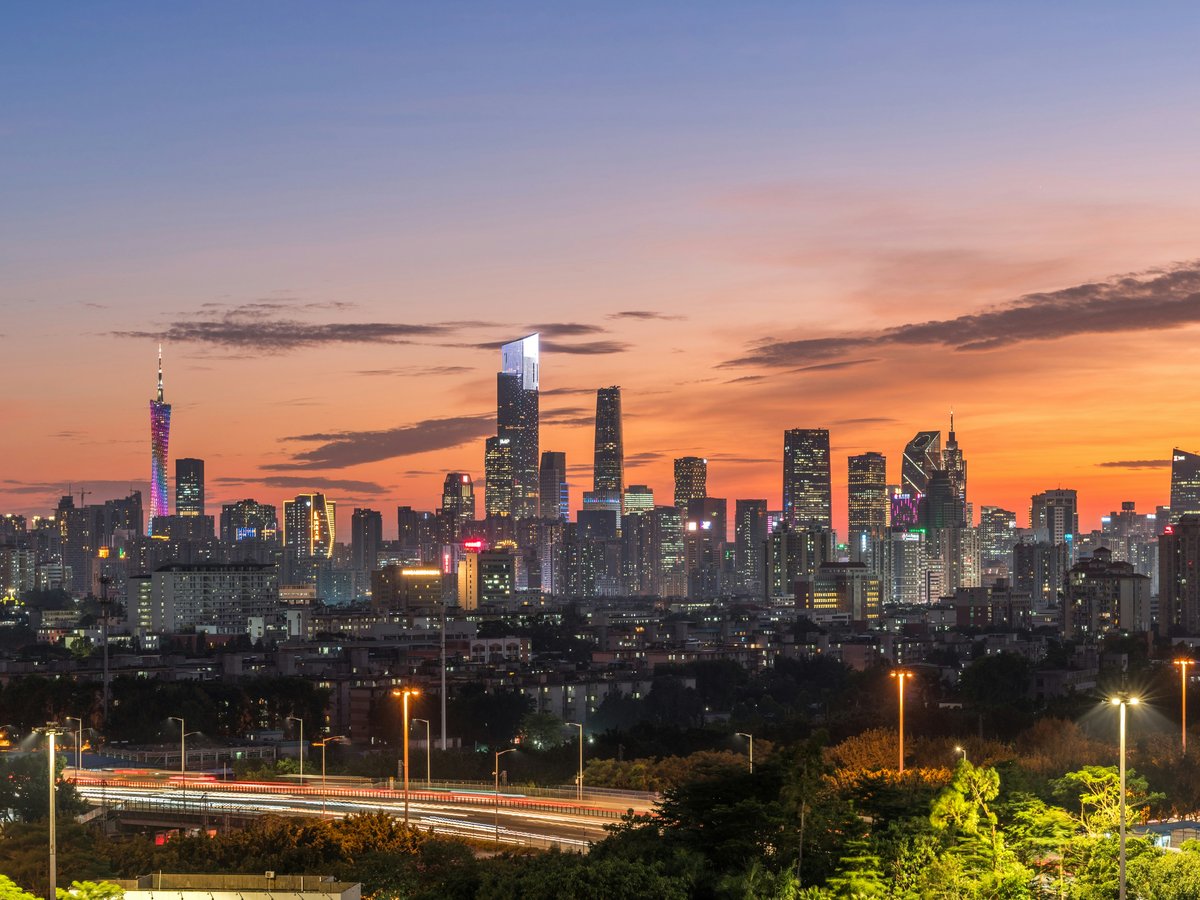
Guangzhou sits where the Pearl River widens into a delta so broad that the city's skyline reflects off water on three sides, a geography that has made it China's most outward-facing port for over two thousand years. Long before Shanghai existed as a treaty port, Guangzhou, known to earlier Western traders as Canton, was the only Chinese city authorized to conduct foreign commerce, and that history of contact left marks you can still trace on foot. The old Thirteen Factories district along the riverfront is gone, but Shamian Island preserves the European-colonial buildings where foreign traders lived under Qing-era restrictions, their banyan-shaded walkways now popular with couples photographing weddings against cream-coloured façades. The city's nearly nineteen million residents spread across districts that feel like separate cities: Liwan holds the older Cantonese neighbourhoods where morning dim sum at places like Panxi still draws retired regulars before seven; Tianhe is the glass-tower business core; the Canton Tower across the river in Haizhu offers observation-deck views back over the full skyline; and Yuexiu contains the oldest parks and the Five Rams Statue, which references the founding myth locals learn as children. What sets Guangzhou apart from Beijing or Shanghai for a first-time visitor is the food: this is where Cantonese cuisine originates, and the difference between eating it here and eating it abroad is the difference between hearing a recording and hearing the orchestra. Breakfast means rice noodle rolls, congee with sliced fish, and char siu bao ordered from carts that circle the dining room. Evenings pull people to Shangxiajiu pedestrian street or the night markets near Beijing Road, where the subtropical climate keeps outdoor eating comfortable year-round. The city runs on China Standard Time, eight hours ahead of London, and the wet summers are intense enough that most visitors plan around them.
Guangzhou in photos
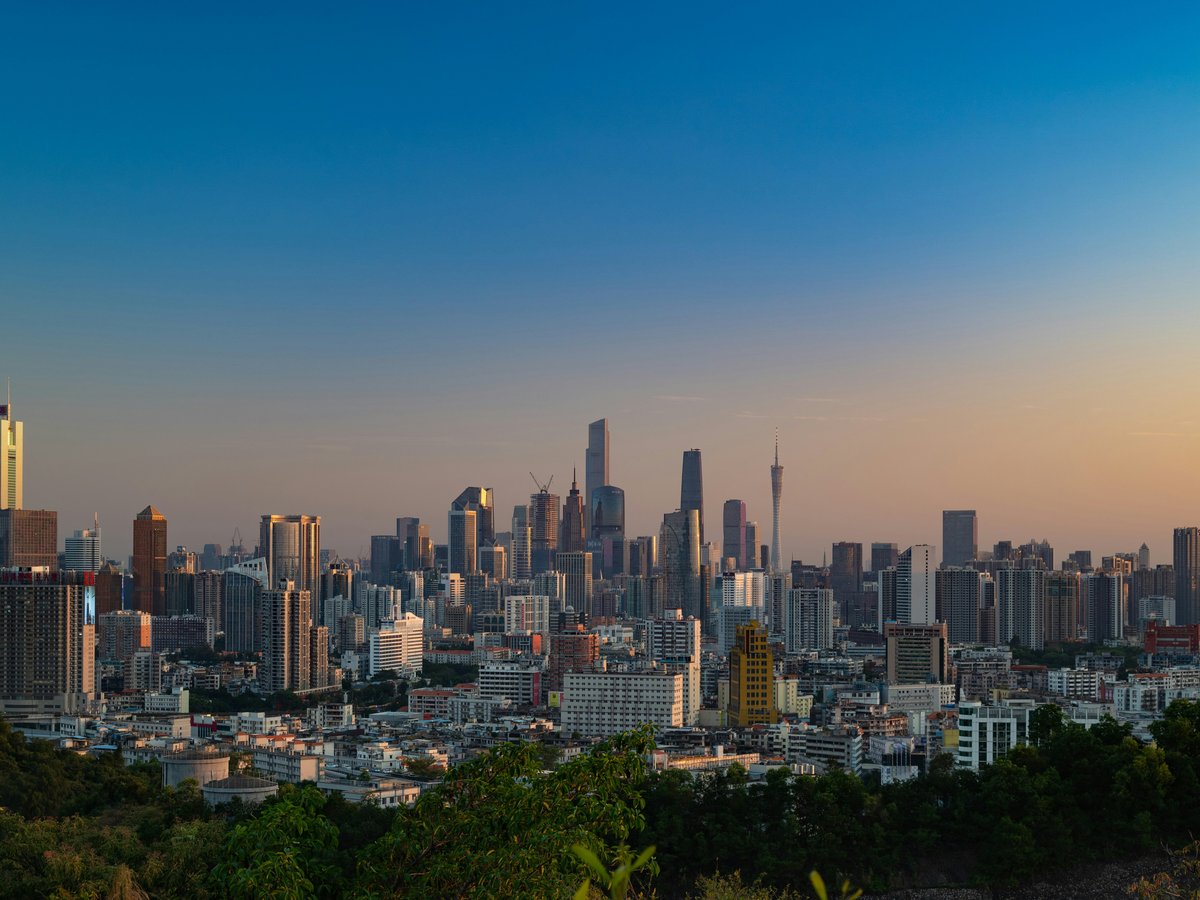
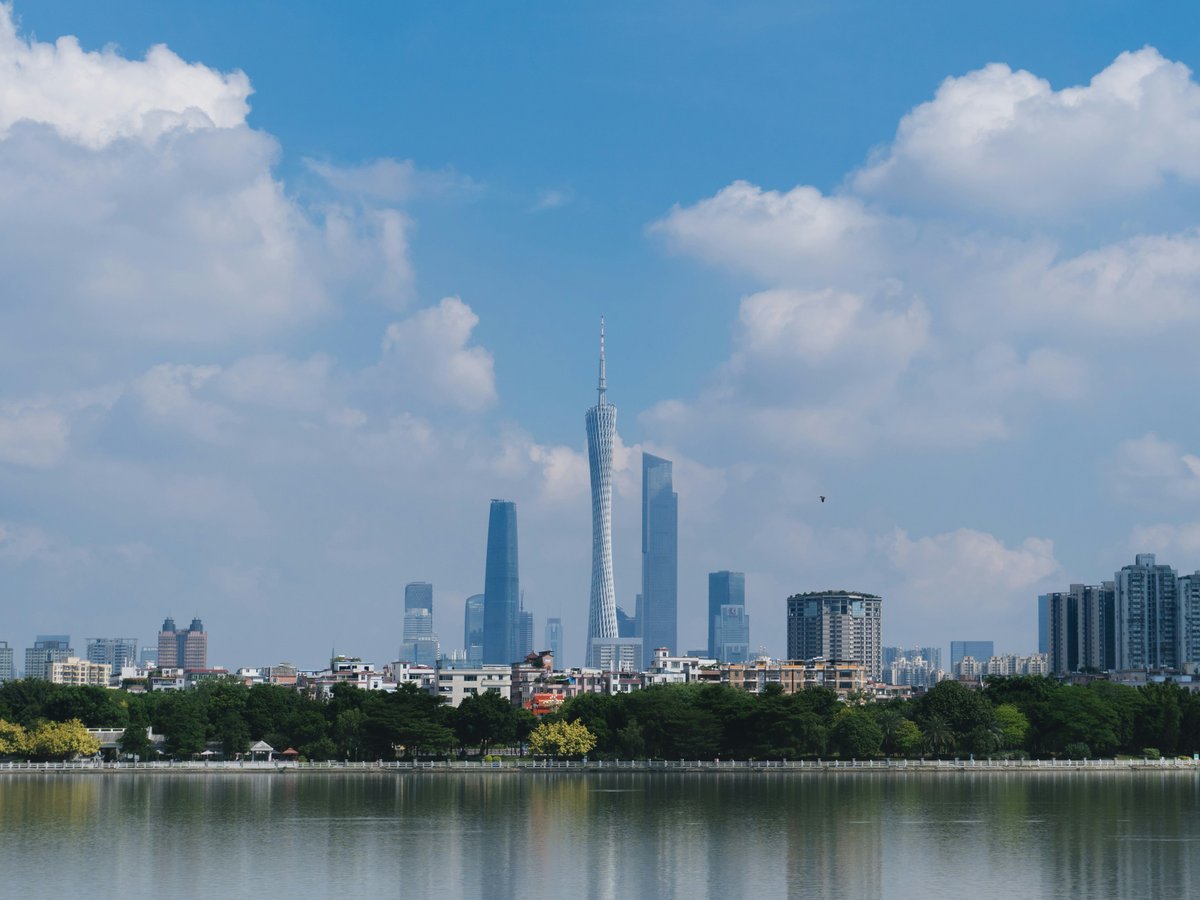
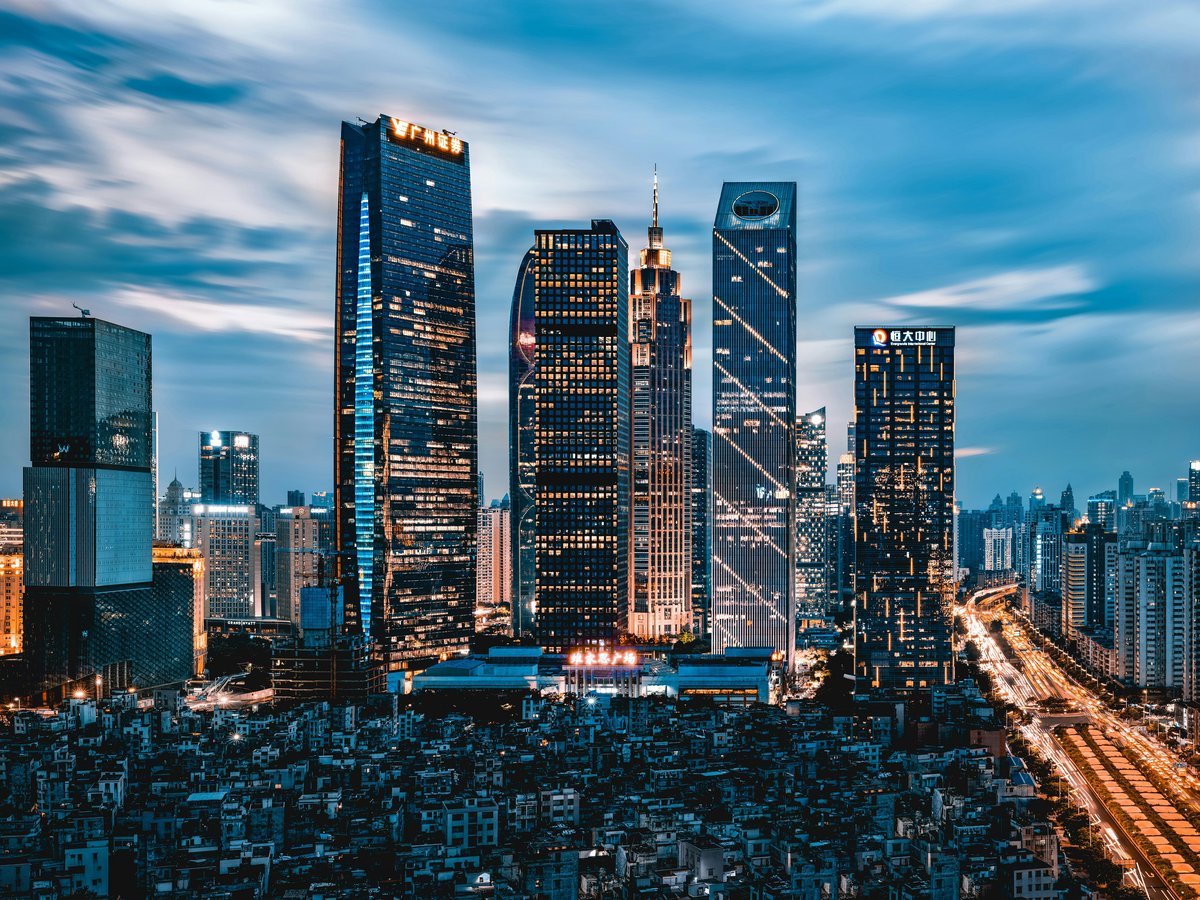
Guangzhou right now
Answers about Guangzhou
-
Airport to city
Take Metro Line 3 from Guangzhou Baiyun International Airport (CAN) to Tianhe district. The ride costs 7 CNY ($1) and takes about 50 minutes to Guangzhou East Railway Station. Trains run from 6:10am to 11:30pm. After midnight, a Didi ride-hailing car to central Tianhe costs 100-130 CNY ($15-19), about 35 minutes.
Read the full answer → -
Best time to visit
October through December is the best window for Guangzhou. Daytime temperatures settle around 20-25°C, the sticky summer haze lifts, and the city's dim sum restaurants stop feeling like saunas. Avoid the Canton Fair weeks in mid-October and mid-April, when hotel rates near Pazhou Exhibition Center triple overnight.
Read the full answer → -
Cost per day
Budget travelers in Guangzhou spend around ¥170/day ($25) on a hostel dorm near Changshou Lu, three canteen meals, and metro rides. Midrange lands at ¥470 ($70) with a Tianhe three-star and sit-down Cantonese dim sum. Luxury reaches ¥1,340+ ($200+) at Zhujiang New Town five-star hotels. WeChat Pay setup and tourist-zone restaurant markups are the hidden costs most guides skip.
Read the full answer → -
Best day trips
Shunde fills a full food day 30 km south by Guangfo Metro. Kaiping's fortified diaolou watchtowers are 75 minutes by CRH from Guangzhou South. Zhaoqing's Seven Star Crags are 30 minutes by high-speed rail to the west. Foshan's Ming-dynasty temples and pottery kilns make a solid half-day. Conghua's forest hot springs, 75 km north, suit couples who want contrasting paces.
Read the full answer → -
Food culture
Guangzhou is the birthplace of Cantonese cuisine, and the city still treats breakfast as a seated, two-hour affair. Morning yum cha at teahouses like Taotaoju on Shangxiajiu starts at 7am. Roast-meat shops sell char siu by weight from noon. Seafood restaurants near Huangsha Market fill up by 6pm. The city eats later, longer, and with more courses than most visitors expect.
Read the full answer → -
Getting around
Guangzhou Metro handles most visitor trips across 16 lines and over 600 km. A Yangcheng Tong card from any station covers metro, bus, and ferry rides at 2-10 CNY per trip. DiDi is the ridehail app for anything the metro misses. Taxis charge a 12-CNY flagfall.
Read the full answer → -
How to get there
Guangzhou Baiyun International Airport (CAN), 28 km north of the city center, handles most international arrivals. No US nonstops exist. North American travelers connect through Tokyo, Seoul, or Hong Kong. China Southern flies direct from London Heathrow in about 11 hours. Hong Kong International (HKG), 130 km south, offers a strong alternative with high-speed rail to Guangzhou South in 48 minutes.
Read the full answer → -
Is it safe?
Guangzhou scores 6.5 out of 10 for solo-traveler safety (see the TTDI Solo-Safety Index). Violent crime against foreigners is rare, but the language barrier is the steepest of China's tier-1 cities. Petty theft clusters around Guangzhou Railway Station and the Baiyun wholesale markets. The metro runs until 23:30 and feels safe at all hours.
Read the full answer → -
Where locals go
Cantonese locals drink morning tea at Lian Xiang Lou in Liwan by 7am, browse Fangcun's tea wholesale market on Saturday mornings, and crowd Dongshan Kou's indie cafes after 2pm on weekdays. Shipai Urban Village in Tianhe serves ¥15 wonton noodles to office workers past 10pm. The tourist circuit rarely touches any of these.
Read the full answer → -
Must-see
Chen Clan Ancestral Hall in Liwan District. Built in 1894, its 9 interconnected halls carry the densest concentration of Cantonese woodcarving, ceramic sculpture, and brick relief anywhere in Guangzhou. The roof-ridge figures alone take 30 minutes to absorb. No reservation needed, 10 CNY entry (about $1.50). Go before 10am when the courtyards are still cool.
Read the full answer → -
3-day itinerary
Day 1 covers Yuexiu and Liwan on foot with Sun Yat-sen Memorial Hall, Shamian Island, Sacred Heart Cathedral, and dinner on Shangxiajiu. Day 2 shifts east to Tianhe for Guangdong Museum, the Opera House, and Canton Tower at sunset. Day 3 starts with dim sum at Lian Xiang Lou, then Chen Clan Ancestral Hall and Litchi Bay. About 30 km across three days.
Read the full answer → -
What to avoid
Skip the 'tea ceremony' invitations near Beijing Road, where a staged tasting ends with a ¥1,500 bill. Avoid unmetered taxis from Baiyun Airport. The Pearl River dinner cruises at ¥200 per seat serve reheated buffet food. Visit outside Canton Fair weeks in mid-April and mid-October, when hotel rates triple across Tianhe.
Read the full answer → -
What to pack
Pack quick-dry synthetics and closed-toe walking shoes for Guangzhou's subtropical heat and persistent humidity. A VPN is non-negotiable. Google Maps, WhatsApp, and most Western apps are blocked in China, so download and test one before your flight. Skip packing sunscreen and umbrellas. Both are cheaper at Guangzhou's pharmacy chains.
Read the full answer → -
Where to stay
Zhujiang New Town in Tianhe district for a first visit. Metro Lines 3 and 5 cross here, Canton Tower and Guangzhou Opera House are within walking distance, and four-star hotels run $70-$130 per night. Yuexiu is the budget alternative at $35-$60, closer to the dim sum restaurants that defined Cantonese cooking.
Read the full answer →
Deep guides for Guangzhou
-
Best Time to Visit Guangzhou, by Season
Guangzhou's average highs range from January's 19.9°C to July's 32.7°C, a 12.8-degree swing that splits the year into 5 months of comfortable weather and 7 months of subtropical heat. The right booking window depends on whether you prize mild air, lower prices, or the narrow weeks when both align.
Read the guide → -
Guangzhou Restaurants: What's Worth It
Ten restaurants in two tiers, six given a full verdict. The splurge tier anchors at the Four Seasons quartet, 5 珠江西路, where four cuisines share one elevator and one reservation line at +86 20 8883 3888. The workaday tier runs from a 09:30 milk-dessert counter on Liwan Dishifu Road to a Tianhe seafood room cooking past 02:00.
Read the guide →
Curated lists for Guangzhou
accommodation
-
Best boutique hotels
Guangzhou spreads across the Pearl River Delta in layers that rarely show up on a first-timer's shortlist. The central business towers around Zhujiang New Town and the old commercial lanes of Beijing Road share almost nothing in tempo or price tier, despite sitting in the same sprawl. Further out, Panyu anchors the theme-park corridor near Guangzhou South Railway Station, while Conghua and Zengcheng push into forested hill country where hot springs replace rooftop bars. The city's metro network links most of these zones within a single fare, so the real question is not how to get around but what kind of morning you want: a Canton Tower sunrise over glass curtain walls, or mist lifting off a mountain waterfall. Mid-range inventory dominates the market here, with strong international brands holding high ratings at prices that undercut peer cities across East Asia. Ten neighborhoods with the deepest boutique inventory, each covered below at street level.
See the picks → -
Best hostels
Guangzhou spreads across the Pearl River Delta in a sprawl that rewards travelers who choose their neighborhood before their room. The city's hostel and budget accommodation clusters in distinct pockets: the pedestrian shopping corridors around Beijing Road, the heritage lanes of Shangxiajiu, the transit hubs feeding the railway stations, and the airport fringe where shuttle buses replace metro lines. Each pocket runs on its own schedule. The old quarter south of Yuexiu Park sleeps early and wakes to dim sum carts; the Tianhe commercial spine around TaiKoo Hui keeps bar lights on past midnight. For budget travelers hunting hostels, the price spread is wide, from $22 near Baiyun Mountain to $77 on Beijing Road's pedestrian strip, and the quality floor is high, with most picks scoring above 9.4 on Trip.com. Choosing an area here is less about price and more about proximity: which transit interchange, which street food corridor, which park do you want at your doorstep before breakfast.
See the picks → -
Best luxury hotels
Guangzhou's luxury hotel market divides across three zones. Zhujiang New Town holds three of the five properties on this list. The Tianhenan zone anchors the fourth along 天河路. Conghua District places the fifth at a dedicated resort. Nightly rates span from USD 215 to USD 260, a range tight enough that the deciding factor is location, not price: which part of the city you want at your door and what the amenity set delivers once you arrive. This list is for visitors who have already decided on luxury tier and need to choose which version of Guangzhou to book.
See the picks → -
Where to stay
Guangzhou spreads along the Pearl River in layers that pay back travelers willing to look past the obvious. The oldest commercial streets sit near the river's north bank, where pedestrian shopping corridors have sold goods for centuries. East of that core, Zhujiang New Town rises in glass and steel, anchoring the city's modern business identity around the Canton Tower and the Guangdong Museum. Between the two, transitional neighborhoods like Taojin and Yuexiu hold parks, consulate-row dining, and hotels that predate the tower boom. The airport district to the north serves early departures and little else. Far northeast, Zengcheng's waterfall country is a rural counterpoint to the urban grid. Accommodation pricing reflects this geography: budget beds in the heritage quarter start near $29 a night, mid-range inventory clusters between $89 and $188, and the luxury tier in Zhujiang New Town asks $260 for serviced apartments with Canton Tower views. Choosing where to stay here is less about distance and more about which version of the city you want outside your door: market noise, riverfront calm, transit convenience, or subtropical quiet.
See the picks →
attractions
-
Best free attractions
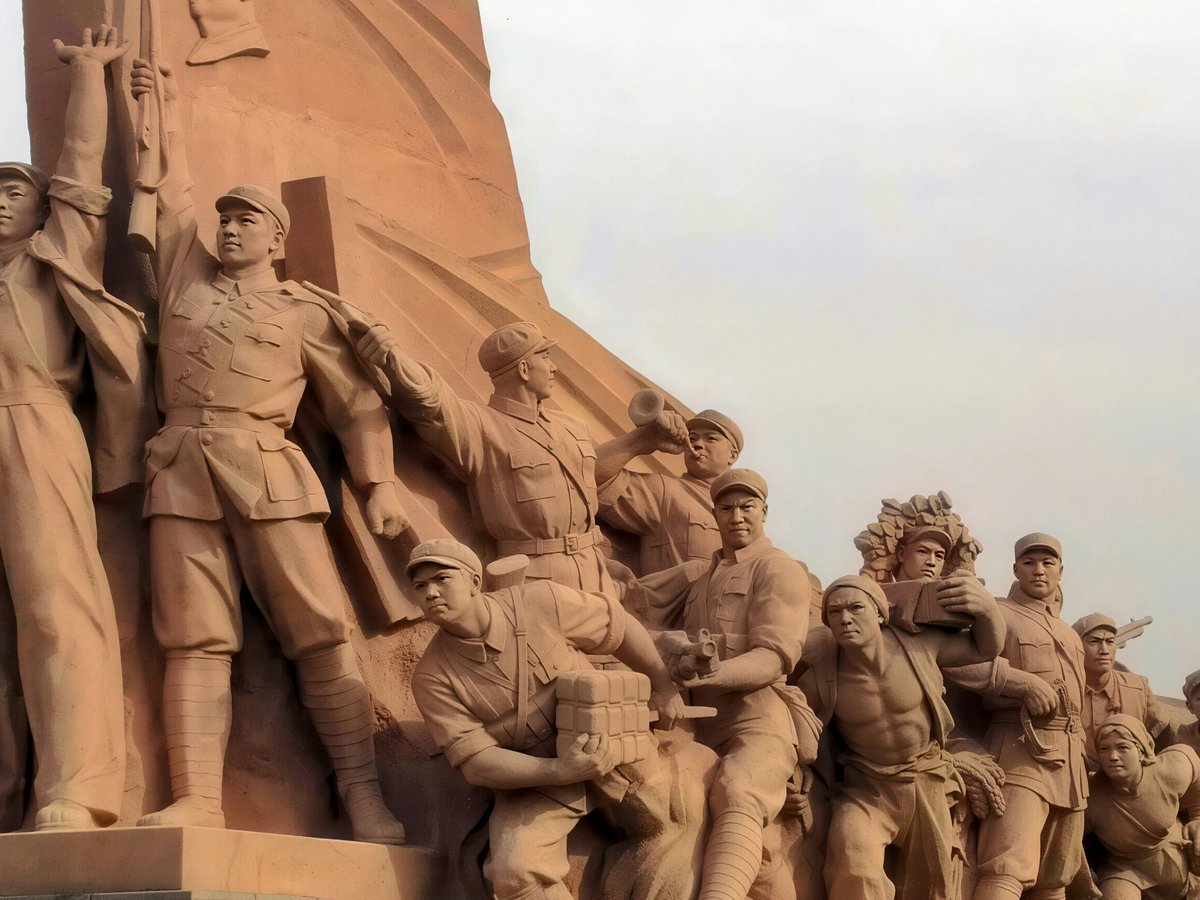
Guangzhou hands out its best hours for free, if you know which gates to walk through. The city's parks and public squares are not filler between paid attractions; they are where Cantonese life happens, from tai chi at dawn to grandmothers arguing over chess at dusk. This list favours the parks on the Baiyun slopes and the civic squares woven into the old core over any single ticketed pavilion. A few are botanical, run by serious institutions with research collections; others are neighbourhood parks that earn their slot by being where locals go when they finally get an afternoon off. Bring cash for a bottle of water and comfortable shoes; almost everything below is a walking day, and the subway drops you within a short stroll of most gates. Read the coordinates as a promise you can verify on any map, not as a substitute for wandering once you are inside.
See the picks → -
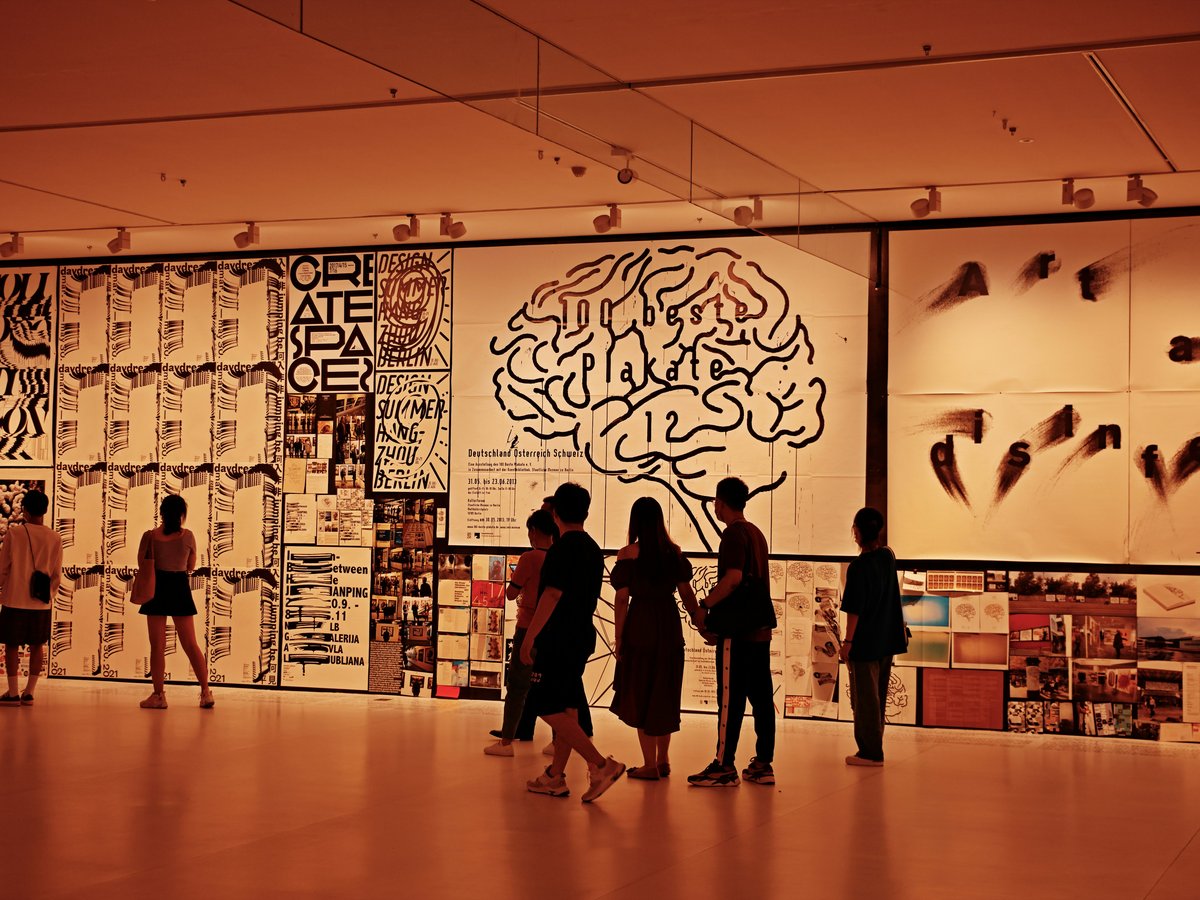
Best museums
Guangzhou's museums argue for a city that has been the meeting point of empires, trade routes, and revolutions, and its shelves reflect that pileup. There is a general provincial museum in the new central axis, a former customs building on the river, two art institutions that split the modern and the classical between them, a science center on the southern islands, an archaeology hall built over a 2,000-year-old tomb, an ancestral academy loud with tile carvings, a Taoist temple, a revolutionary hall, a generalissimo's mansion, a railway museum, and a private art house south of the Pearl River. Some are civic set-pieces, some are working scholarly institutions, and a few are quiet rooms most visitors never find. The list below is arranged in the order a curious traveler with three days and comfortable shoes might walk them, weighted toward the venues that reward a slow visit over a photo stop. Every address and coordinate below is sourced; opinions are marked as such and are the editor's own.
See the picks → -
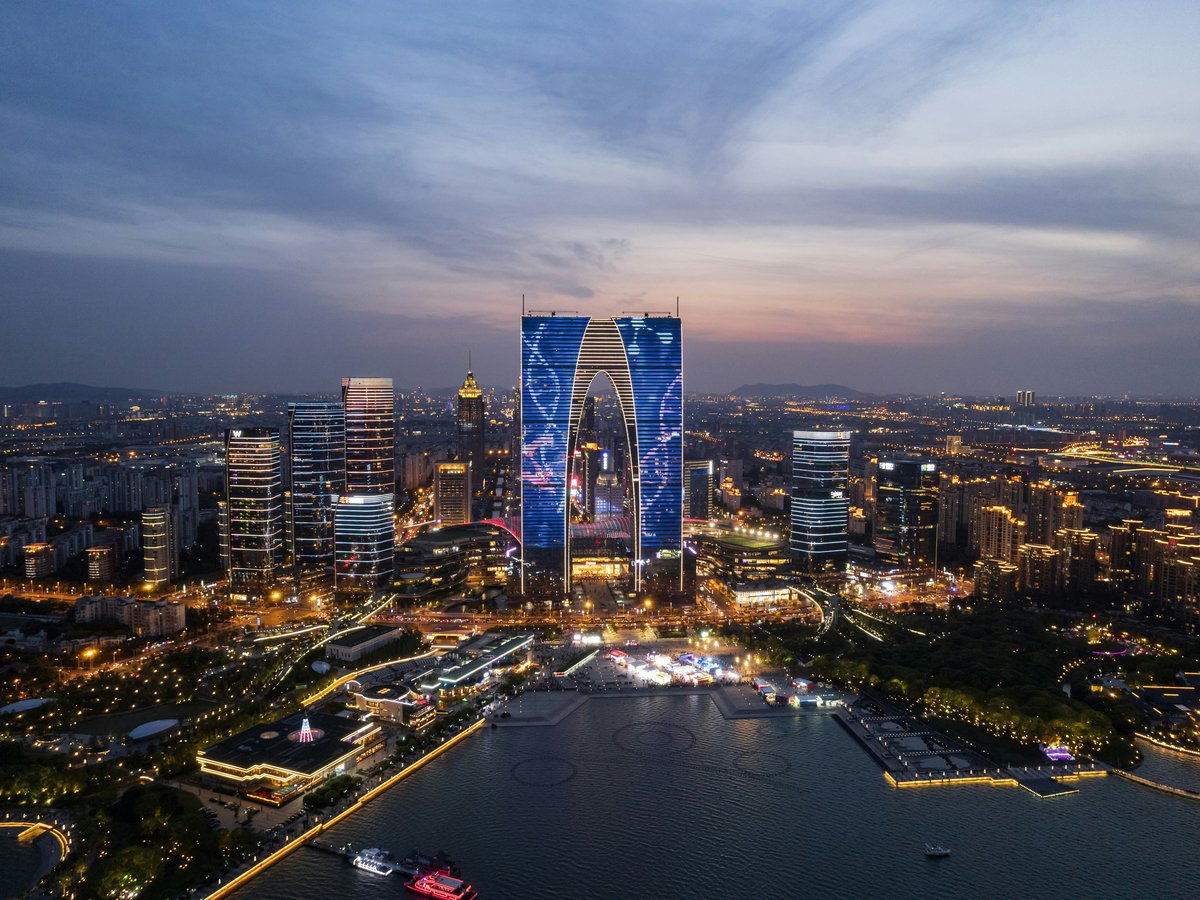
Must-see attractions
Guangzhou rewards the visitor who reads the city as layers instead of a checklist. The twelve anchors below run from a television and tourism tower on the Pearl River to a Roman Catholic cathedral raised in the old foreign quarter, from a Nanyue mausoleum to a mosque in Guangdong and a memorial hall in Canton. This is a working southern capital, and its landmarks argue for that history: Cantonese civic memory, treaty-port religion, Silk-Road-era Islam, a resort in China built for weekends, and skyscrapers that read the skyline as a signature. The list is aimed at the traveler who wants specific addresses, verified coordinates and the shortest path between them, not a highlight reel. Every claim below is anchored to Wikidata or the venue's own site; every opener is a real detail from the record, not a mood. Move through them by district and let each earn its slot.
See the picks →
food
-
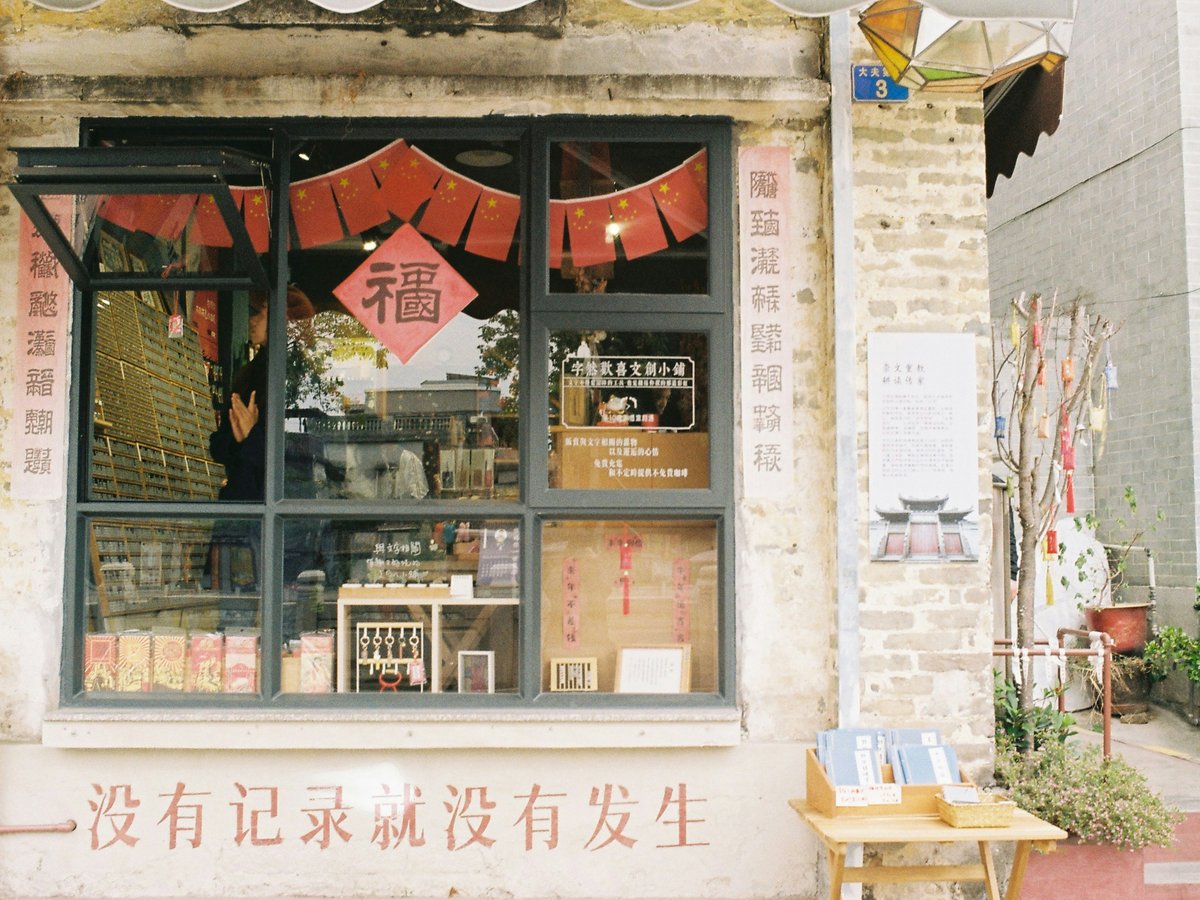
Best cafes
Guangzhou's cafe map does not read like Shanghai's or Chengdu's. This is a Cantonese port city that has spent a century negotiating with foreign taste, from the Shamian concessions to the Facebook-facing bakeries of Dongshan, and the coffee follows the same lines. The nine addresses below sit across five very different Guangzhou moods: the concession-era waterfront of Shamian Dajie, the shaded lanes of Dongshan Kou where private bakeries have moved into old villas, the arcaded qilou of Enning Road, the university-town sprawl of Xiaoguwei island where chains pour student fuel from 07:00, and the tea-forward high street of Tianhe Lu. Some of these places are one-off rooms with a phone number and a Facebook page; others are branches of national chains, kept on this list because the address itself is the reason to go. Read them as a route, not a ranking. The list is written for a visitor who wants to sit down between sights, and for a resident who wants to know which of the neighborhood options has paid for its slot.
See the picks → -
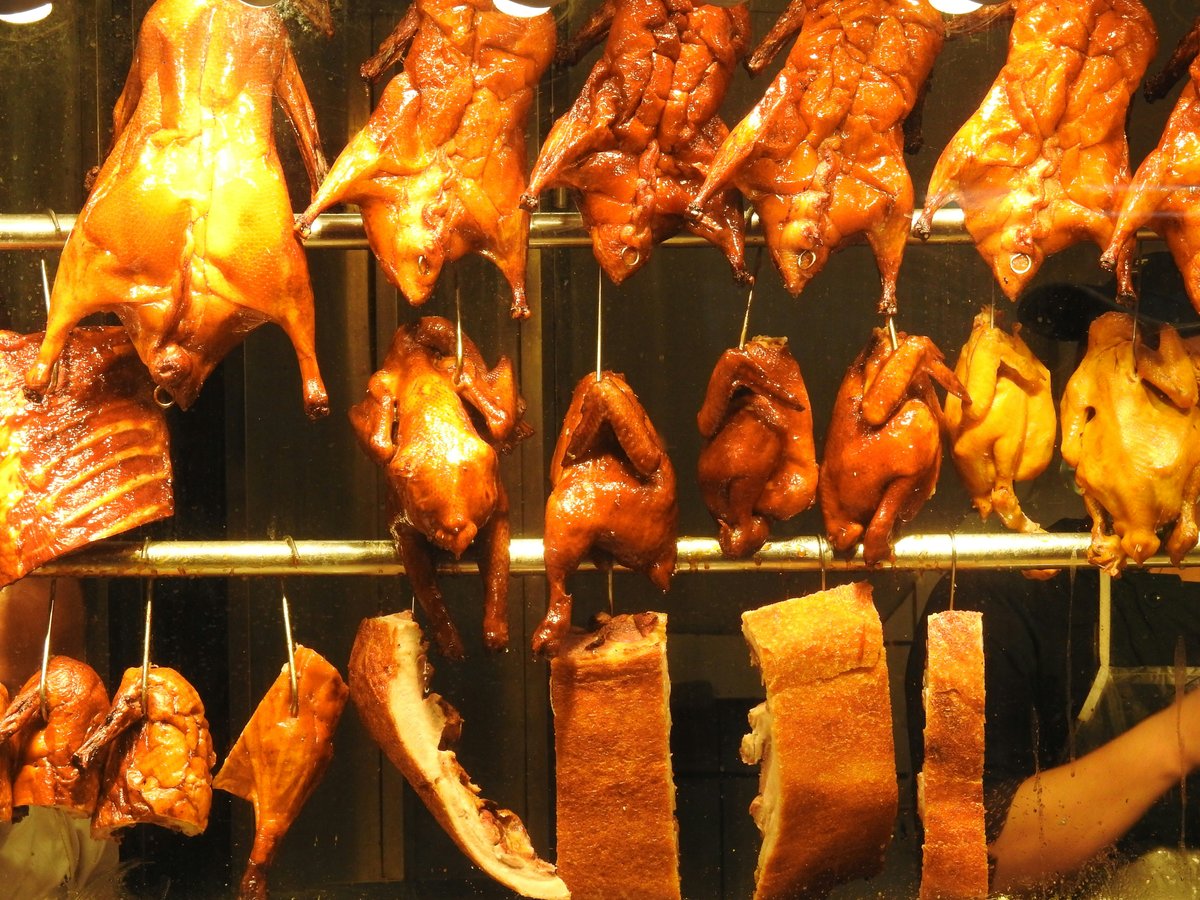
Best restaurants
Guangzhou eats seriously, and it eats in shifts. Cantonese cooking sets the register for the city, but the map that follows widens on purpose: a Four Seasons quartet at 5 珠江西路 in the 510623 postal area, a teahouse on 人民南路, a milk-dessert counter on Liwan Dishifu Road, a Russian-leaning kitchen on 华强路, a Tianhe seafood room that runs past midnight, a Sichuan house on 花城大道, a dumpling shop on 琶洲村新路, and two university-town rooms on 大学城外环西路. These are places to eat when you have already ticked off dim sum on Shamian and want the rest of the city, the tower dining rooms and the neighbourhood counters, the late seafood tables and the campus mess halls that feed Guangzhou.
See the picks →
Browse by traveler type
- For foodies
Guangzhou for foodies
- For families with kids
Guangzhou for families
- For digital nomads
Guangzhou for digital nomads
- For solo travelers
Guangzhou for solo travelers
- For couples
Guangzhou for couples
- For budget travelers
Guangzhou on a budget
- For luxury travelers
Guangzhou for luxury travelers
- For first-timers
Guangzhou for first-time visitors
Book experiences in Guangzhou


Browse by interest
Last verified by automated review (v1.7.2) on . What is automated review?