Stay in St. Augustine in September
50 hotels in the Trip.com pool for St. Augustine, from US$46 a night.
Opens Trip.com on Fri 25 Sep to Sun 27 Sep 2026; change the dates there.
September in St. Augustine is the wettest month of the year. That's the headline. Expect around 201mm of rainfall across 19 rainy days, afternoon thunderstorms that arrive like clockwork between 2 and 5 PM, and the ever-present awareness that this is the peak of Atlantic hurricane season. Daytime temperatures reach about 28°C (83°F) with lows around 24°C (74°F), and the 81% humidity makes every degree feel heavier. Your sunglasses will fog the moment you step out of any air-conditioned shop on St. George Street.
The flip side is worth considering. After Labor Day weekend clears out the last of the summer families, St. Augustine gets genuinely quiet. Hotel rates along A1A and in the Historic District drop to near their annual lows. You can walk through the Castillo de San Marcos without jostling for photo angles, and restaurants in Lincolnville that had 40-minute waits in March will likely seat you on arrival. September 8 marks the city's founding anniversary, the date in 1565 when Pedro Menéndez de Avilés landed and established what became the oldest continuously occupied European settlement in North America. The city tends to mark the occasion, though the scale varies year to year.
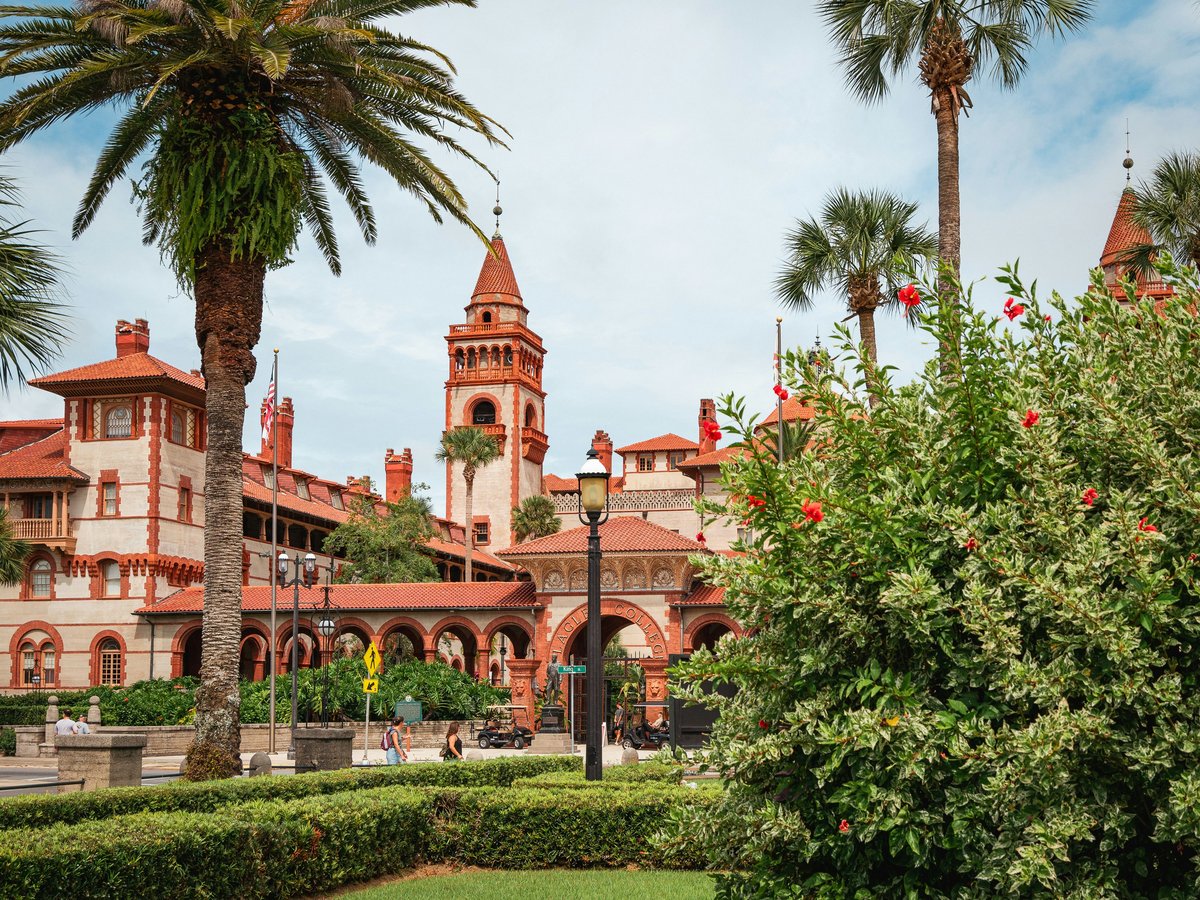
To be fair, this is a month that rewards flexibility. The storms are intense but typically short, dumping warm rain on Plaza de la Constitución for 30 minutes before the sun returns. If you can structure your days around early mornings and evenings, and keep a museum or two in your back pocket for the wet afternoons, September offers a version of St. Augustine that most visitors never see. Fewer crowds, lower prices, and the Spanish colonial architecture looks particularly striking under those dramatic late-summer skies.
Why visit in September
- Hotel rates in the Historic District and along St. Augustine Beach drop 30-40% compared to the March-April peak, making this one of the cheapest months to visit
- Crowd levels at Castillo de San Marcos, the Lightner Museum, and other top attractions fall dramatically after Labor Day, so you can explore at your own pace
- September 8 is the city's founding anniversary, commemorating 1565, and the Colonial Quarter area typically hosts programming and talks around the date
- Water temperatures in the Atlantic still hover around 28°C (82°F), warm enough for comfortable swimming and kayaking around Anastasia Island
Worth knowing
- September averages 201mm of rain across 19 days, the highest total of any month, with heavy afternoon thunderstorms that can force you indoors for 1-2 hours daily
- Peak Atlantic hurricane season runs through September, and St. Johns County sits in a vulnerable coastal zone. Tropical storm watches can appear with little notice, potentially disrupting 2-3 days of plans
- The 81% average humidity combined with 28°C heat creates a persistent sticky warmth that makes extended outdoor walking in the Historic District uncomfortable between 11 AM and 4 PM
- Some seasonal tour operators and smaller businesses reduce hours or close temporarily during the low season lull between Labor Day and the start of Nights of Lights in November
Best for
Think twice if
September stays warm and very wet. Highs reach about 28°C (83°F) and lows settle around 24°C (74°F), so nights offer little relief. Humidity averages 81%, which makes the air feel thick and heavy from morning onward. Rainfall totals roughly 201mm across 19 days, nearly all of it falling in dramatic afternoon thunderstorms. These build quickly from the west, drop heavy warm rain for 20-40 minutes, and often clear by early evening. Morning hours tend to be partly sunny and are the best window for outdoor activity. Ocean water temperatures remain near 28°C (82°F), some of the warmest of the year.
Seasonal caution
- September is statistically the most active month of Atlantic hurricane season. St. Augustine sits on the northeast Florida coast and is vulnerable to both direct hits and sideswipe effects from storms tracking up the Atlantic seaboard. Monitor the National Hurricane Center forecasts starting 5-7 days before travel and maintain flexible booking arrangements.
- Afternoon thunderstorms frequently produce lightning. Open beaches at Anastasia State Park and St. Augustine Beach will close temporarily during lightning warnings. Do not shelter under isolated trees or remain in open water.
- Heat index values can reach 35-38°C (95-100°F) during midday when humidity peaks. The National Weather Service occasionally issues heat advisories for St. Johns County in September.
Year-round climate
Averages from the last 5 years.
| Month | Avg high (°C) | Avg low (°C) | Rainfall (mm) |
|---|---|---|---|
| Jan | 18 | 10 | 52 |
| Feb | 20 | 13 | 61 |
| Mar | 22 | 15 | 84 |
| Apr | 25 | 18 | 82 |
| May | 28 | 21 | 80 |
| Jun | 30 | 24 | 127 |
| Jul | 31 | 25 | 154 |
| Aug | 30 | 25 | 163 |
| Sep | 28 | 24 | 201 |
| Oct | 25 | 20 | 91 |
| Nov | 22 | 16 | 98 |
| Dec | 20 | 13 | 44 |
Holidays and festivals in September
Public holidays
- Labour Day(Labor Day)7 September 2026
Best things to do in September
Morning walk through the Historic District
sightseeingThe 144-block Historic District is best explored before 10 AM in September, when temperatures still hover around 25°C and the humidity hasn't peaked. Start at the City Gate on St. George Street and work south toward the Plaza de la Constitución. The coquina walls of the oldest buildings hold a faint coolness from overnight, and the narrow lanes between the Cathedral Basilica and the Oldest Wooden School House still carry shade.
Post-Labor Day crowds thin to a fraction of peak season, so you can photograph the Spanish colonial facades and browse the shops without sidewalk congestionBooking tipNo booking needed. Wear moisture-wicking clothing and bring water.
Kayaking the Matanzas River
outdoorPaddle the tidal creeks and marshes along the Matanzas River south of the Bridge of Lions. The salt marsh grass stands tall in September, and you'll likely see great blue herons, roseate spoonbills, and dolphins working the channels. The water stays calm in the morning before afternoon winds pick up around 1 PM.
Water temperatures near 28°C make a capsize comfortable rather than dangerous, and the post-summer quiet means fewer motorboats on the IntracoastalBooking tipBook morning departures before 9 AM to avoid afternoon storms. Several outfitters operate near Vilano Beach and along the bayfront.
Castillo de San Marcos visit
historyThe 17th-century coquina fortress, built by the Spanish between 1672 and 1695, sits on Matanzas Bay at the north end of the Historic District. September's low attendance means you can explore the gun deck, the rooms where the Seminole leader Osceola was held in 1837, and the courtyard at your own pace. The coquina stone radiates stored heat, so the shaded interior rooms feel noticeably cooler.
Visitor counts drop sharply after Labor Day, and the fort's thick coquina walls provide welcome relief from the midday heat outsideBooking tipThe National Park Service manages the site. Check nps.gov/casa for current hours, as September schedules sometimes shift.
St. Augustine Beach at sunrise
beachArrive at St. Augustine Beach by 6:30 AM and you'll have wide-open sand stretching south toward Crescent Beach. The water temperature sits near 28°C, warm enough that wading in feels like stepping into a bath. The sand is compact and cool underfoot before the sun heats it. Loggerhead sea turtle nesting season runs through October, and you might spot marked nests along the dune line.
September's warm water, empty beach, and pre-storm morning calm make for the best early swimming conditions of the low seasonBooking tipFree beach access with paid parking at the pier lot. Arrive early on weekends for a spot closer to the pier.
Fort Matanzas National Monument
historyThis small Spanish watchtower fort sits on Rattlesnake Island about 14 miles south of downtown, reachable only by a free NPS ferry from the A1A visitor center. The fort dates to 1742 and guards the southern inlet to the Matanzas River. The ferry ride takes about 5 minutes across the river, and the island has a short trail through coastal scrub.
The free ferry runs with minimal waits in September's low season, and the island's isolation means you'll likely share it with fewer than a dozen other visitorsBooking tipCheck nps.gov/foma for ferry schedules. The ferry does not operate during lightning or high winds, so plan for morning visits.
St. Augustine Lighthouse and Maritime Museum
sightseeingThe 1874 lighthouse on Anastasia Island stands 50 meters tall, with 219 steps to the observation deck. The climb is warm in September, but the view from the top catches the Atlantic breeze and stretches from Vilano Beach to Crescent Beach. The keeper's house museum below covers the city's maritime history and the 1st-order Fresnel lens.
Low September attendance means no queue for the spiral staircase, and the elevated observation deck catches ocean breezes that the street-level Historic District missesBooking tipBuy tickets at the gate or online. The climb is not accessible for those with mobility issues.
Surfing at Vilano Beach
outdoorVilano Beach, on the north side of the St. Augustine Inlet, picks up swell from tropical systems tracking through the Atlantic in September. The beach break is forgiving for intermediates, and the inlet's jetty creates a consistent right-hand wave on incoming tides. Water temperature near 28°C means board shorts are all you need.
September's tropical swells produce some of the best surf of the year along northeast Florida's typically flat coastlineBooking tipLocal surf shops near the A1A corridor rent boards and offer lessons. Check conditions before heading out, as tropical swells can shift quickly.
Lightner Museum afternoon visit
cultureHenry Flagler's former Alcazar Hotel, built in 1888, now houses the Lightner Museum's collection of Gilded Age decorative arts, natural history specimens, and mechanical musical instruments. The building's interior courtyard and thick walls keep the galleries cooler than the streets outside. The collection includes Tiffany glass, Victorian-era scientific instruments, and a mummy from ancient Egypt.
September afternoons bring thunderstorms, and the Lightner's air-conditioned galleries and 2-3 hour browsing depth make it the ideal rain backup in the Historic DistrictBooking tipLocated on King Street across from Flagler College. Check the museum website for current hours, as September schedules may be reduced.
What to eat in September
In season: fruit
Muscadine grapes
Native to the Southeast, muscadines ripen through September in northeast Florida. The San Sebastian Winery in downtown St. Augustine uses them in several wines. The grapes have a thick skin and a musky sweetness that's nothing like table grapes. You might spot them at the Wednesday farmers market near the Amphitheatre.
On menus now
Minorcan clam chowder
The local chowder, distinct from both New England and Manhattan versions, gets its kick from datil peppers. September's fresh datil harvest means the chowder at spots around the Historic District and on Anastasia Island tends to have that bright, peppery bite that the bottled-sauce versions can't quite match. It's a tomato-based broth with clams, potatoes, and that unmistakable datil warmth.
Royal Red shrimp
These deep-water shrimp from the Atlantic shelf off northeast Florida have a sweet, almost lobster-like flavor. September falls within the harvest window, and you'll find them at seafood counters and restaurants around the waterfront and in Davis Shores. They turn red before cooking, which is how they got the name.
In markets
Datil pepper
St. Augustine's signature chile reaches peak harvest in late summer and early fall. You'll find fresh datils at the St. Augustine Amphitheatre Farmers Market and bottled datil hot sauces in nearly every shop on St. George Street. The heat is fruity and sharp, somewhere between a habanero and a Scotch bonnet.
Regular events in September
St. Augustine Amphitheatre concerts
The 4,000-seat outdoor amphitheatre on Anastasia Island hosts touring acts through the fall season. September's lineup varies by year, but the venue's open-air design means shows go ahead unless there's active lightning.
Various dates throughout SeptemberSt. Augustine Farmers MarketFree
The Wednesday market near the St. Augustine Amphitheatre runs year-round and features local produce, baked goods, datil pepper products, and prepared foods. September brings late-summer harvests including muscadine grapes and fresh datils.
Every Wednesday morningFounding Anniversary observancesFree
The city commemorates its September 8, 1565 founding with events that vary in scale from year to year. The Colonial Quarter area and downtown organizations typically host historical talks, reenactments, or small ceremonies around the date.
Around September 8First Friday Art WalkFree
Galleries and studios in the Historic District open their doors on the first Friday evening of each month. The walk covers venues along St. George Street, Cathedral Place, and the surrounding blocks, with many offering refreshments. September's lower crowds make it easier to talk with the artists.
First Friday of SeptemberBest places this September
Castillo de San Marcos
historic siteThe oldest masonry fort in the continental United States, built 1672-1695 from local coquina limestone. September's thin crowds let you linger on the gun deck and explore the vaulted rooms without being herded through.
Historic DistrictSt. George Street
streetThe pedestrian-only main artery of the Historic District, running about 0.5 miles from the City Gate to the Plaza de la Constitución. Lined with shops, restaurants, and 18th-century buildings. September mornings here feel almost private compared to the March crush.
Historic DistrictAnastasia State Park
natureA 1,600-acre park on Anastasia Island with 4 miles of undeveloped beach, tidal marshes, and a brackish lagoon popular for paddleboarding. The park's ancient coquina quarries supplied stone for the Castillo de San Marcos.
Anastasia IslandLightner Museum
museumGilded Age decorative arts housed in Henry Flagler's 1888 Alcazar Hotel. The interior courtyard, Tiffany glass collection, and mechanical music room make it the best rainy-afternoon destination in the city.
Historic DistrictFort Matanzas National Monument
historic siteA 1742 Spanish watchtower on Rattlesnake Island, 14 miles south of downtown via A1A. Free NPS ferry access. The isolation and small scale make it feel like a genuine discovery rather than a tourist attraction.
South of St. AugustineSt. Augustine Lighthouse
landmarkThe 1874 lighthouse on Anastasia Island offers a 219-step climb to panoramic views of the coast. The keeper's house and maritime museum at the base add context on the city's shipping and defense history.
Anastasia IslandVilano Beach
beachA quieter, more local-feeling beach on the north side of the St. Augustine Inlet. The jetty creates surfable waves during September's tropical swells, and the lack of commercial development keeps the sand uncrowded.
Vilano BeachPlaza de la Constitución
public spaceThe central square of the Historic District since 1573, flanked by the Cathedral Basilica of St. Augustine and the Government House museum. The weekend farmers market and founding anniversary events center here.
Historic District
Your packing checklist
Tick items off as you pack. Your progress saves in this browser.
All packed — have a great trip.
Insider tips
The best window for outdoor sightseeing in September is roughly 7 AM to 10:30 AM. By 11 AM, the heat index climbs past 35°C and the humidity becomes genuinely draining. Plan your fort visits and walking tours for early morning, then shift to indoor attractions after 11.
The St. Augustine Amphitheatre Farmers Market on Wednesday mornings is the best place to find fresh datil peppers in September. The bottled sauces on St. George Street are fine, but the fresh peppers from local growers have a brighter, more complex heat that the processed versions lose.
If a tropical system is in the Atlantic forecast, book refundable accommodation. St. Johns County can issue evacuation orders for barrier islands including Anastasia Island, and even a near-miss storm can shut down outdoor attractions for 2-3 days.
The free NPS ferry to Fort Matanzas runs on a first-come basis and stops during lightning. Go early on a clear morning. The island visit takes about 45 minutes total, and the ride across the Matanzas River with the marsh birds is half the experience.
September's low-season pricing extends to dining. Many restaurants along the bayfront and in the Historic District offer lunch specials and reduced prix fixe menus that disappear once the fall tourist season ramps up in October.
Parking in the Historic District fills up even in September by mid-morning. The lot near the Visitor Information Center on Castillo Drive is the most convenient for the Castillo de San Marcos and the north end of St. George Street.
Avoid these mistakes
- Underestimating the afternoon storms. Visitors see a sunny morning and leave rain gear at the hotel. By 2 PM, a thunderstorm drops heavy rain for 30-40 minutes. Always carry a rain jacket or umbrella, regardless of the morning forecast.
- Planning a full outdoor day without a midday break. The 81% humidity makes 28°C feel significantly hotter than the number suggests. Locals avoid extended outdoor activity between 11 AM and 3 PM in September, and visitors who push through end up heat-exhausted.
- Ignoring hurricane season advisories. The statistical peak of Atlantic hurricane season falls in mid-September. Visitors who book non-refundable rates or tight itineraries risk losing days if a tropical system approaches the northeast Florida coast.
- Skipping Fort Matanzas for the more famous Castillo de San Marcos. Both are NPS sites, but Fort Matanzas sits on its own island and feels like a genuine discovery. The free ferry and the quiet setting make it worth the 20-minute drive south on A1A.
- Assuming all attractions keep peak-season hours. Some tour operators, ghost walk companies, and smaller museums reduce their schedules after Labor Day. Check operating hours before making the trip, especially for anything outside the core Historic District.
Practical tips for September
September in St. Augustine rewards a split-day strategy. Use the cooler morning hours from 7 to 10:30 AM for outdoor sites like Castillo de San Marcos, St. Augustine Beach, and Anastasia State Park. Shift to air-conditioned attractions like the Lightner Museum, the St. Augustine History Museum, or a long lunch in the Historic District when the afternoon storms roll in. Most thunderstorms clear by 5 or 6 PM, opening a second window for the bayfront, the Bridge of Lions, and outdoor dining in Lincolnville. Book accommodation with free cancellation, since tropical weather systems can alter plans on short notice. Parking in the Historic District is metered and limited, so arrive before 10 AM or use the shuttle from the Visitor Information Center. Mosquito repellent is a practical necessity for any evening activity near the waterfront or marshes.
FAQ
Is September a good time to visit St. Augustine?
It's a trade-off. September offers the lowest prices and thinnest crowds of the year, but it's also the wettest month, with 201mm of rain, high humidity, and the peak of Atlantic hurricane season. If you're flexible with your schedule and comfortable with daily afternoon storms, you'll get to experience the Historic District, beaches, and restaurants without the usual tourist congestion. It ranks around 10th out of 12 months for overall visit quality.
How bad are the September storms in St. Augustine?
The afternoon thunderstorms are intense but predictable and short. They typically build between 2 and 5 PM, drop heavy warm rain for 20-40 minutes, and clear by early evening. Lightning is the main concern, as it closes beaches and outdoor attractions temporarily. The bigger weather risk is tropical systems. September is the statistical peak of hurricane season, and while direct hits on St. Augustine are relatively rare, near-misses can still bring 2-3 days of wind, rain, and closures.
Can you swim at St. Augustine Beach in September?
The Atlantic water temperature sits near 28°C (82°F) in September, some of the warmest of the year. Swimming is comfortable and the post-Labor Day beach is uncrowded. The main caution is rip currents, which tend to strengthen during tropical swells. Check the daily beach conditions posted at the pier and at lifeguard stations, and swim near a staffed area. Lightning warnings will temporarily close the beach during afternoon storms.
What should I do on a rainy afternoon in St. Augustine in September?
The Lightner Museum in the Historic District is the top rainy-day destination, with 2-3 hours of Gilded Age decorative arts and curiosities inside Henry Flagler's former Alcazar Hotel. The Colonial Quarter offers indoor historical exhibits, and the St. Augustine Distillery on Riberia Street runs tours and tastings in a restored ice plant building. Several of the restaurants along St. George Street and on Aviles Street are worth a slow lunch.
Are there any events in St. Augustine in September?
September 8 marks the city's 1565 founding anniversary, and the Colonial Quarter area typically hosts commemorative programming around that date, though the scale varies by year. The First Friday Art Walk continues through September, and the Amphitheatre hosts touring concerts. It's a quiet month compared to the packed event calendar that runs from Nights of Lights in November through Easter. The Wednesday farmers market near the Amphitheatre runs year-round.
How much cheaper is St. Augustine in September compared to spring?
Accommodation rates in the Historic District and along St. Augustine Beach typically run 30-40% below the March-April peak. Last-minute deals are common outside of Labor Day weekend itself, and you'll find more availability at popular bayfront properties. Dining costs stay relatively stable year-round, but many restaurants offer seasonal lunch specials during the low-season months.
Things to Do in St. Augustine in September
 Free cancellation
 Sunset Cruise of St. Augustine
Cruise: 1.5 hours, free cancellation.
via Viator Free cancellation
 Wine Tasting Cruise in St. Augustine
Cruise: 1.5 hours, free cancellation.
via Viator Free cancellation
 Red Boat Tours - Dolphin Odyssey and Sightseeing Tour
Cruise: 2 hours, free cancellation.
via Viator Free cancellation
 St. Augustine Live Music Sail with Drinks & Sunset Option
Cruise: 1.8 hours, free cancellation.
via Viator Free cancellation
 Red Boat Tours - Adults-Only & Family Friendly BYOB Sunset Cruise
Cruise: 1.5 hours, free cancellation.
via Viator Free cancellation
 Adventure Boat Tours - Sunset Water Tour in St. Augustine
Cruise: free cancellation.
via ViatorFind a flight to St. Augustine
Live fares to St. Augustine appear here once cookies are accepted.
Last verified by automated review (v1.7.2) on . What is automated review?