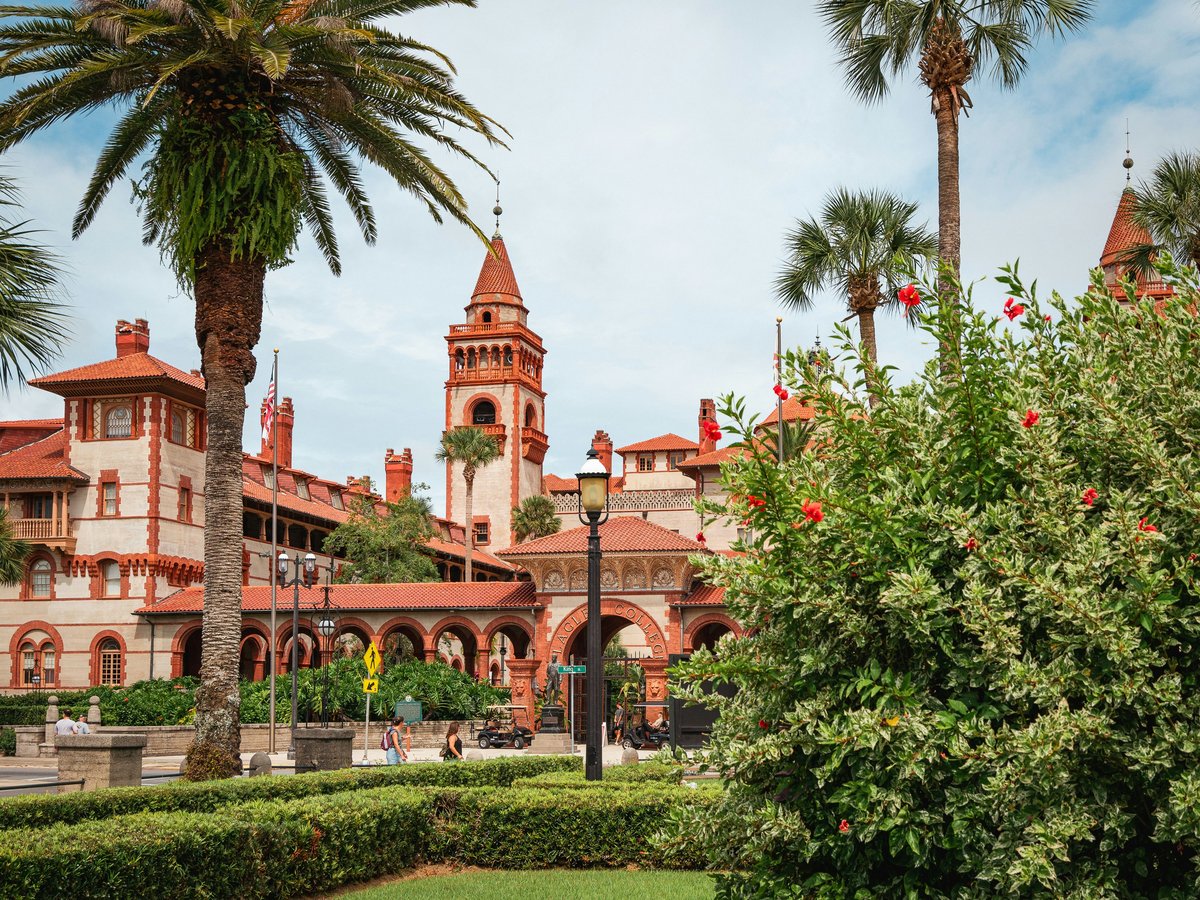
Is St. Augustine safe?
St. Augustine scores 7.8 out of 10 for solo-traveler safety (see the TTDI Solo-Safety Index). St. Johns County reports some of the lowest violent-crime rates in Florida, and the walkable historic district stays active and well-patrolled most evenings. Real risks are heat exhaustion, hurricane-season flooding, and limited transit beyond the pedestrian core. Emergency: 911.
St. Johns County, home to St. Augustine, has reported violent-crime rates roughly 40% below the Florida state average in recent years. The compact historic district feels safe on foot well past sunset. The pedestrian stretch of St. George Street between the City Gate and the Plaza de la Constitución stays lit and foot-patrolled most evenings until about 11pm. You'll hear live guitar from the bars, smell frying shrimp from the restaurants on Avilés Street, and see families out on weekday nights. Pickpocketing is uncommon, nothing like the rates in European tourist capitals. That said, this is still a small American city. Lock your car, keep valuables out of sight at Anastasia Island beach parking lots, and don't leave a bag unattended at the St. Augustine Amphitheatre during concerts like the Modest Mouse show on September 17 or the Brad Paisley date on September 19.
After dark, the blocks between the Castillo de San Marcos and Flagler College stay well-trafficked until midnight on weekends, later on Fridays when bars near the City Gate keep serving. Solo women report feeling fine walking along A1A Beach Boulevard on Anastasia Island, though the stretch of SR-312 between the Bridge of Lions and the beach has no sidewalk for about half a mile and limited lighting. I'd take a rideshare for that segment after 10pm. West Augustine, roughly the area west of US-1 near West King Street, has higher property-crime rates and fewer streetlights. It's not dangerous in an absolute sense, but there is little reason for a visitor to walk through after dark. The San Marco Avenue corridor north of the historic district feels quiet and residential past 9pm, not unsafe, but empty enough that a solo traveler might prefer the lit commercial blocks nearer the Plaza.
The risks that will realistically affect you are not criminal. Florida's hurricane season runs June through November, and St. Augustine sits on a barrier-island coast. Low-lying parts of Davis Shores flood during tropical storms. If you're visiting between August and October, check the St. Johns County Emergency Management alerts before booking. Heat is the daily concern. Summer highs reach 33°C with humidity above 90%. Today the air sits at 24.4°C but feels like 29.4°C at 94% humidity. Heatstroke is a real risk if you're walking the ramparts at the Castillo or the trails at Fort Matanzas National Monument (established 1924, a 30-minute ferry ride south). Carry water, wear a hat, and take breaks in air conditioning. The Lightner Museum and the González-Alvarez House (dating to 1723) both offer cool interiors and admission under $15.
Solo travelers face one practical problem here. Public transit is thin. The Sunshine Bus Company runs limited routes on weekdays, with coverage dropping on weekends and evenings. Without a car, you'll rely on rideshare apps or the Old Town Trolley loop, which stops running around 5pm. The historic core is walkable end to end in about 20 minutes, so wheels aren't necessary downtown, but reaching Anastasia State Park, the Alligator Farm (open since 1893), or Fort Mose Historic State Park (the site commemorated since 1994) needs a 10 to 15 minute drive. Worth noting for solo diners. St. Augustine handles single covers well. The bar at The Floridian on Spanish Street seats solo guests without a wait most evenings, and the counter at Cap's on the Water faces the Intracoastal, where you can smell the salt marsh and watch pelicans work the shallows while eating a shrimp basket for about $16.
Emergency number: 911
Official travel advisories
Normal precautions the most cautious of 1 government assessment
- Government of CanadaLevel 1Take normal security precautions View advisory
Verified from the issuing governments' own feeds.
Areas to avoid
- West Augustine (west of US-1, near West King Street) after dark
- SR-312 sidewalk gap between Bridge of Lions and Anastasia Island after 10pm
Common concerns
- Heat exhaustion in summer (33°C+ with 90%+ humidity)
- Hurricane-season flooding on Anastasia Island and Davis Shores (June through November)
- Limited public transit outside the walkable historic core
- Car break-ins at Anastasia Island beach parking lots
- No sidewalk on parts of SR-312 between Bridge of Lions and the beach
Last verified by automated review (v1.7.2) on . What is automated review?