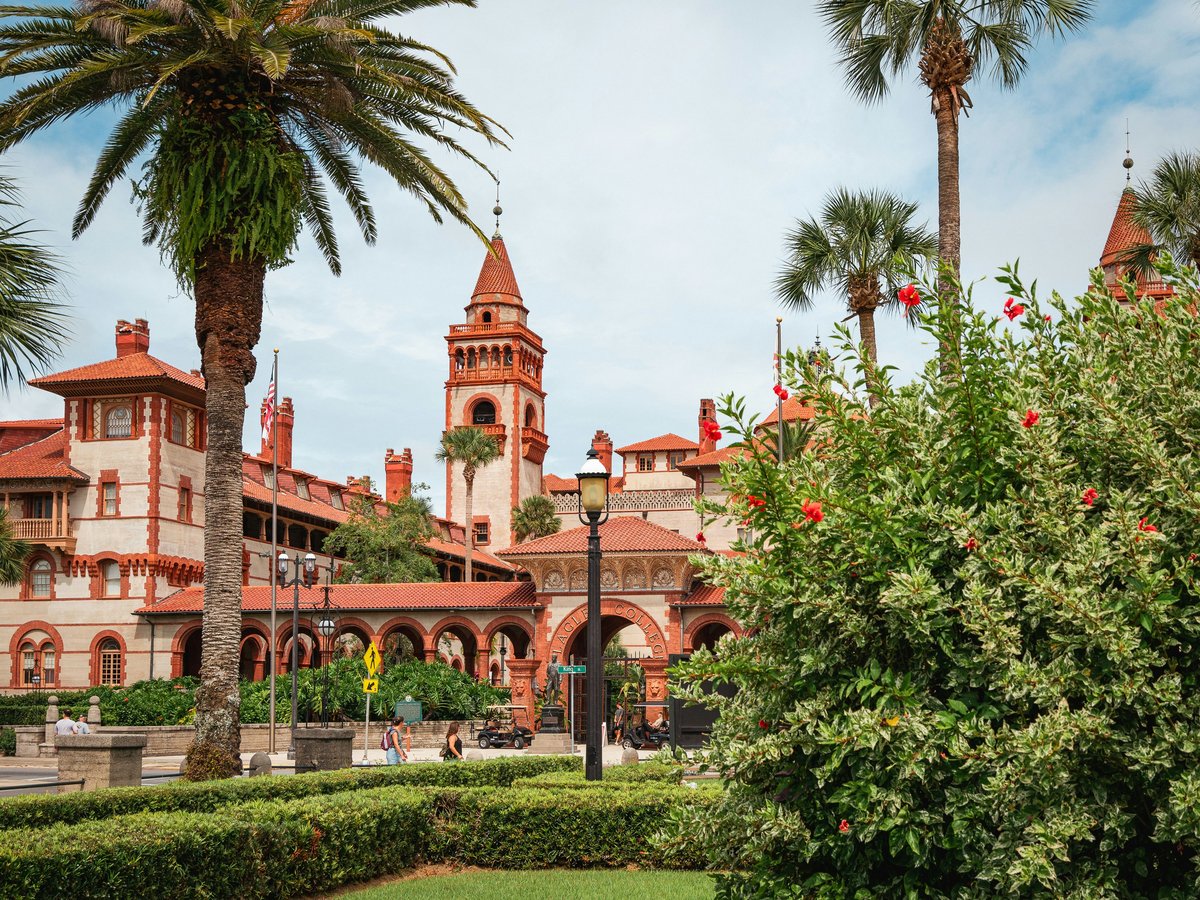
St. Augustine wears its history on its street signs, and its museums are the receipts. This is the oldest continuously occupied European settlement in the continental United States, and the six places below hold the deed to that claim, from a coquina fortress on the harbor to a jail on the north end of town. Expect National Park Service units alongside small, privately run historic homes and thematic collections; expect coquina walls, wooden shutters, and the sort of interpretive plaques that reward reading slowly. None of these are theme-park experiences, and none pretend to be. They reward a visitor willing to walk, to squint at a lintel, to ask a docent a second question. Taken together, they trace a single arc: Spanish colonial garrison, colonial-era domestic life, the medical and carceral apparatus that made a town run, and the coastal defenses that stretched south to Matanzas Inlet. Two days is enough to see them well. Wear shoes you can stand in.
-
1 Castillo de San Marcos National Monument
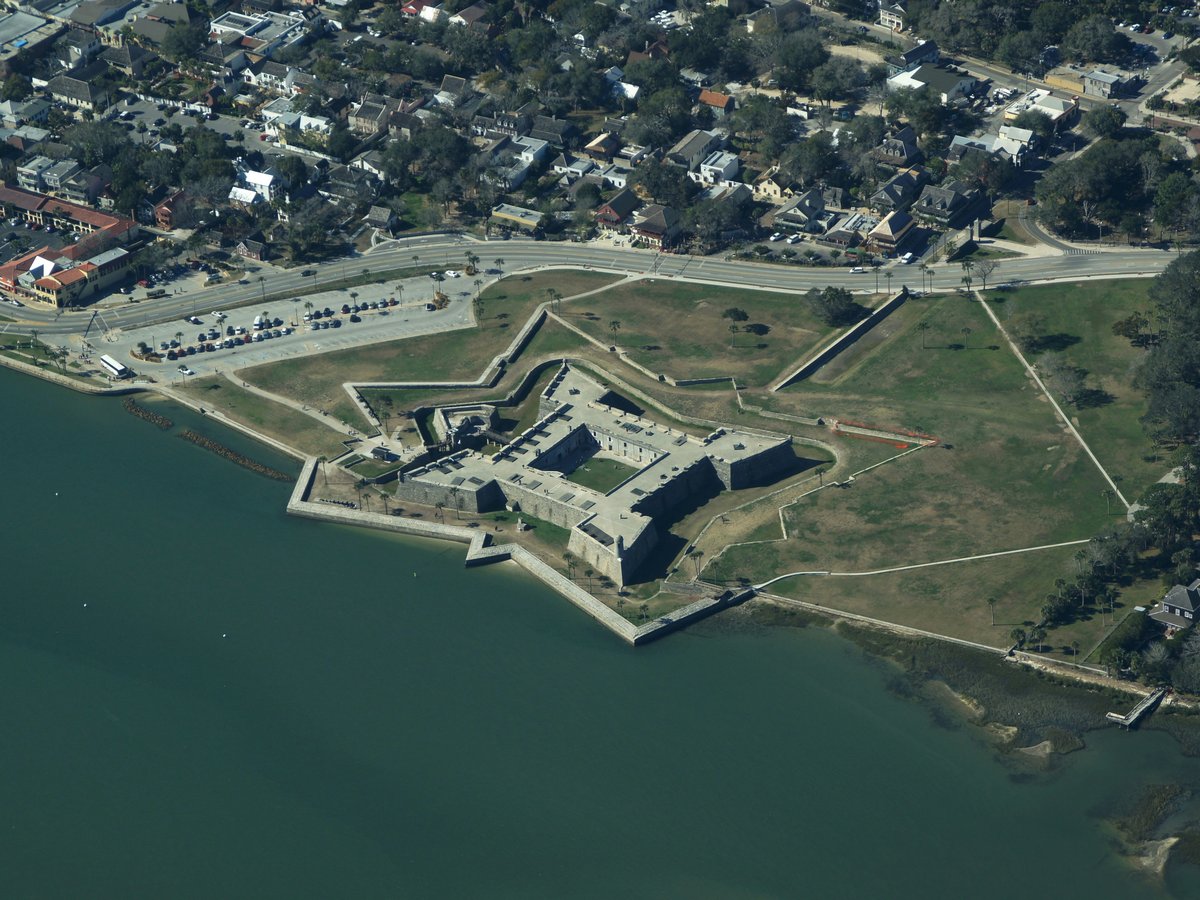
South Castillo Drive, Saint Augustine, FL 32084The coquina-walled Spanish fortress on Matanzas Bay, run by the National Park Service.
At 32084, the seaward wall of Castillo de San Marcos catches first light off Matanzas Bay before the ticket window on South Castillo Drive has opened. Skip the trolley narration and walk the ramparts yourself; the coquina absorbs the sound of the harbor in a way no guide can talk over. This is a National Park Service unit in Florida, which means the interpretation is careful, the price is federal-park modest, and the rangers will answer a real question with a real answer. Plan on two hours if you read the plaques, three if you sit on the gun deck and watch the shrimp boats. The park's own page at nps.gov/casa posts the day's hours and any weather closures; check it before you drive in, because a stiff northeaster shuts the upper level.
-

2 Pirate Soul Museum
12 South Castillo Drive, Saint Augustine, FL 32084A dense, artifact-driven collection of authentic pirate-era objects, a short walk from the fortress.
At 12 South Castillo Drive, 32084, the Pirate Soul Museum sits close enough to the fortress that you can walk between the two without unfolding a map. Skip the costumed street photo-ops on St. George Street; the casework in here is the real argument, a museum dedicated to pirate artifacts rather than the Hollywood version of them. The rooms are small and dim by design, which lets the objects (ledgers, weapons, a signed document or two) do the talking. Give it 60 to 90 minutes; longer if you have a child who reads plaques. The venue's own site at thepiratemuseum.com carries current admission and hours, which shift with the shoulder seasons.
-
3 Spanish Military Hospital Museum
3 Aviles Street, Saint Augustine, FL 32084A reconstructed colonial-era ward on the oldest street in the country, run as a small guided-tour museum.
Aviles Street is narrow and quiet by St. Augustine standards, and the door at 3 Aviles opens into a reconstructed ward that smells faintly of beeswax and old wood. The locals send visiting family here before the wax-figure attractions on the main drag, because this is a historical museum in St. Augustine, FL that relies on actual instruments and actual apothecary shelves rather than animatronics. Tours are short, guided, and cheap; the docents will show you a bone saw and let you decide how you feel about it. It runs on a small footprint, which means you should book through the site at spanishmilitaryhospital.com on a busy Saturday. Give it 45 minutes, an hour if the guide is on form.
-
4 González-Alvarez House
The González-Alvarez House sits within the Oldest House Museum ComplexA historic domestic residence maintained by the Saint Augustine Historical Society as the anchor of a small museum complex.
Set behind a low wall a few blocks south of the plaza, the González-Alvarez House is a historic home in St. Augustine, Florida run as the anchor of the Oldest House Museum Complex under the Saint Augustine Historical Society. The locals prefer this over the more heavily marketed historic-home tours, because the interpretation is done by people who care about the archaeology and are willing to distinguish what is documented from what is inferred. Rooms are furnished sparely, as real colonial rooms were, and the garden out back is worth the extra ten minutes. Plan an hour for the house, another 30 for the small exhibit building and the grounds. The society's page at saintaugustinehistoricalsociety.org carries the current visiting hours, which are shorter than you might expect.
-
5 Old St. Johns County Jail
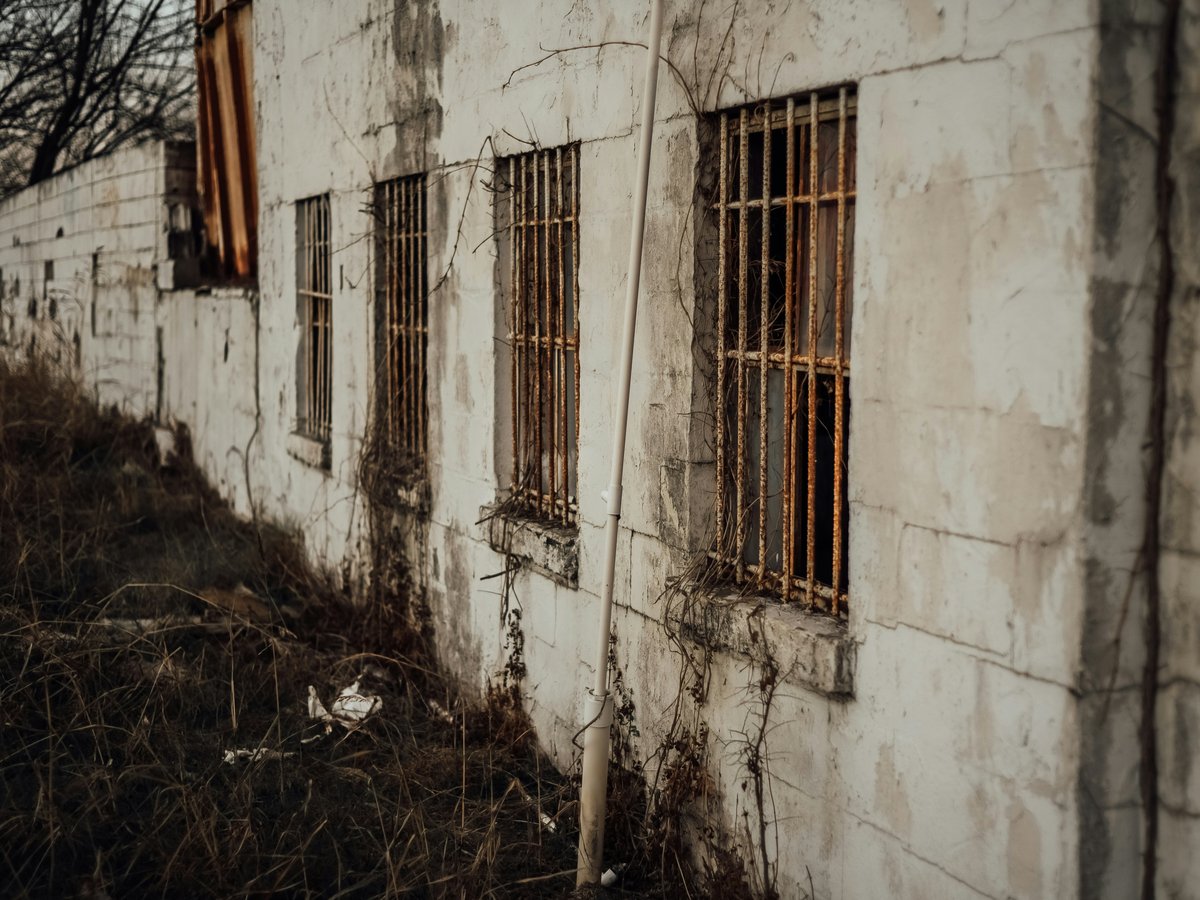
Old St. Johns County Jail, north end of St. Augustine, Florida.A preserved late-nineteenth-century county jail on the north end of town, kept in near-original condition.
Up on the north end of town, well away from the plaza foot traffic, the Old St. Johns County Jail stands as a historic jail in St. Augustine, Florida that has kept its bars, its cell blocks, and its uncomfortable stories largely intact. The locals bring out-of-town teenagers here before the ghost-tour barkers get to them, because the building does not need theatrical lighting to make its point. Tours are brisk, guided, and unsentimental; expect the sheriff's quarters at the front and the cells at the back, and expect a guide willing to talk about who did time here and why. Budget 45 minutes to an hour. It pairs naturally with a short drive further north, which is how most visitors already end up in this corner of the city.
-
6 Fort Matanzas National Monument Headquarters and Visitor Center
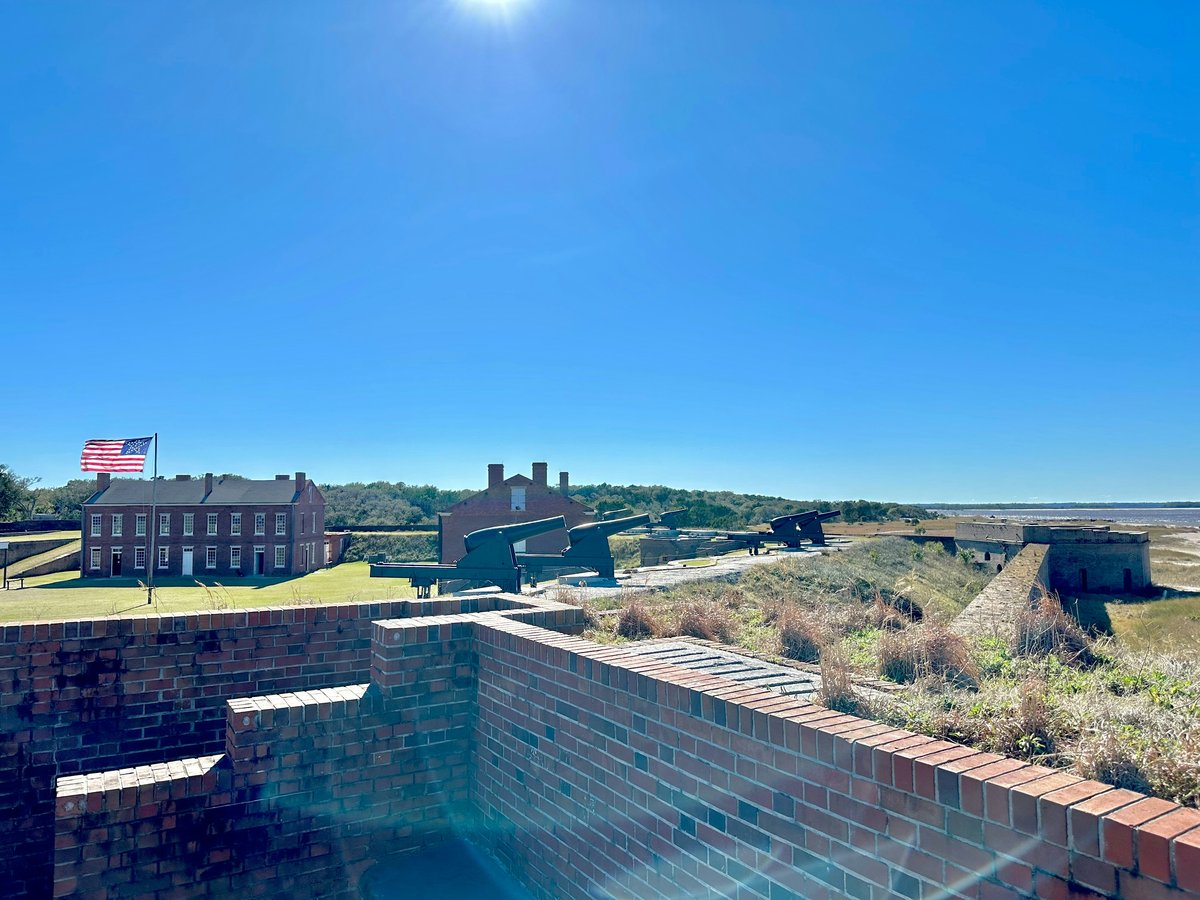
Fort Matanzas National Monument Headquarters and Visitor Center, a building in Florida, United States.The mainland visitor center for Fort Matanzas, where the free ferry to the coquina watchtower on Rattlesnake Island loads.
About 14 miles south of the plaza, the low building at the Fort Matanzas National Monument Headquarters and Visitor Center is where the free ferry to the watchtower loads, and it is worth the drive for that ride alone. Skip the paid boat cruises out of the city harbor; the National Park Service ferry across the inlet is a better use of an hour and costs nothing beyond your patience for the standby line. The visitor center itself is small (more orientation room than museum) but the exhibits establish the fort's role at the southern approach to St. Augustine cleanly. Give the whole outing three hours, including the drive and the wait, and go on a weekday morning if you can. The visitor center's building sits on the mainland side; the fort is the reward on the far bank.
This is an early version of the St. Augustine list. We add picks as we test more places.
Last verified by automated review (v1.7.2_curated-retry-1774-20260916170511) on . What is automated review?