Stay in Cebu in March
73 hotels in the Trip.com pool for Cebu, from US$6 a night.
Opens Trip.com on Fri 5 Mar to Sun 7 Mar 2027; change the dates there.
March is the driest month of the year in Cebu, with rainfall lower than any other month on the calendar. Daytime highs reach 29.9°C (86°F), nights settle around 24.6°C (76°F), and the humidity holds at 82%, the kind that fogs up camera lenses and clings to skin the moment you step outside at Mactan-Cebu International Airport. The seas between Cebu and its neighboring islands tend to stay calm during this window, which opens reliable boat crossings to Bantayan, Malapascua, and the Camotes group.
March has two personalities. Early March carries the quieter rhythm of the dry season, with Mactan beach resorts running at shoulder-season occupancy and downtown Cebu City feeling walkable in a way it rarely does during the monsoon months. Late March shifts. Philippine schools break for summer, families arrive from Manila and Mindanao, and the coastal road through Lapu-Lapu City starts backing up on Friday afternoons. If you want the unhurried version, aim for the first two weeks.
Cebu's Catholic heritage comes into sharper focus during Lent. Friday processions wind through the old downtown neighborhoods of Parian and along Colon Street, the oldest street in the Philippines. In years when Semana Santa falls in late March, these processions grow into citywide events. The scent of melting candle wax and sampaguita garlands fills the plazas near the Minor Basilica of the Holy Child, a church founded in 1739 that becomes the center of devotion for the entire province.
Why visit in March
- The year's lowest monthly rainfall gives you the best odds for dry stretches on island-hopping trips and outdoor heritage walks across metro Cebu.
- Calmer seas between Cebu, Bantayan Island, and Malapascua mean fewer canceled ferry crossings and notably better underwater visibility for diving.
- The first two weeks of March still carry shoulder-season availability at Mactan resorts, before Philippine summer-break demand fills rooms.
- Lenten Friday processions through the old downtown offer a window into Cebu's deep Catholic traditions without the overwhelming scale of Sinulog in January.
- Philippine mango season begins in March, and early-harvest Cebuano carabao mangoes tend to be intensely sweet and fragrant at Carbon Market stalls.
Worth knowing
- Despite being the driest month, rain still falls on roughly 19 of 31 days, mostly as brief afternoon downpours that can soak you in minutes if you are caught without a shell.
- The persistent tropical humidity makes the daytime heat feel considerably heavier than the thermometer suggests, and indoor-outdoor transitions leave you damp.
- Late March brings a noticeable spike in domestic tourists as Philippine schools close for summer, filling Mactan resorts and driving up last-minute rates.
- Cebu's LGBTQ+ friendliness scores 4.5 out of 10 (sourced from TTDI's editorial rubric), and public displays of affection between same-sex couples may draw unwanted attention outside the IT Park area.
Best for
Think twice if
March falls in the transition between the fading Amihan (northeast monsoon) and the yet-to-arrive Habagat (southwest monsoon). This gap between the two systems is why Cebu's rainfall drops to its lowest point of the year. Afternoon showers over Cebu City typically last 30 to 45 minutes before clearing, followed by sun that makes the wet pavement steam. Mornings across metro Cebu are the most pleasant window, with comfortable temperatures before the midday heat builds. Winds are lighter than in January and February, which keeps the sea surface calmer around Mactan and the offshore islands but also reduces any breeze that might cut through the thick air.
Seasonal caution
- The UV index across Cebu runs high throughout March, typically between 10 and 12 on the scale, especially from 10:00 to 14:00. Sunburn happens fast on island-hopping trips where open water reflects UV from every direction. Reapply sunscreen after every swim.
Year-round climate
Averages from the last 5 years.
| Month | Avg high (°C) | Avg low (°C) | Rainfall (mm) |
|---|---|---|---|
| Jan | 29 | 24 | 254 |
| Feb | 29 | 24 | 165 |
| Mar | 30 | 25 | 153 |
| Apr | 31 | 25 | 175 |
| May | 31 | 26 | 240 |
| Jun | 30 | 25 | 299 |
| Jul | 30 | 25 | 283 |
| Aug | 30 | 25 | 265 |
| Sep | 30 | 25 | 232 |
| Oct | 30 | 25 | 349 |
| Nov | 30 | 25 | 273 |
| Dec | 29 | 25 | 222 |
Holidays and festivals in March
Public holidays
- Maundy Thursday(Huwebes Santo)25 March 2027
- Good Friday(Biyernes Santo)26 March 2027
- Holy Saturday(Sabado de Gloria)27 March 2027
Headline events
Semana Santa (Holy Week)
Shifts annually between mid-March and mid-April. Falls in March roughly every other year.
When Easter falls in late March, Cebu transforms for Holy Week. Processions carrying centuries-old santos (religious statues) wind through downtown Cebu, from Parian through Colon Street to the Minor Basilica of the Holy Child. The Visita Iglesia tradition sends families on walking circuits to seven heritage churches across metro Cebu, including the Cebu Metropolitan Cathedral and parish churches in Mandaue and Talisay. Businesses close from Holy Thursday through Easter Sunday, and the entire city takes on a subdued, reflective quality. In years when Easter lands in April, March still carries the Lenten build-up.
Best things to do in March
Island hopping to Bantayan Island
beachBantayan sits off Cebu's northern tip, about 4 hours by bus and ferry from Cebu City. The beaches on the western shore, particularly around Santa Fe, have fine white sand and water so clear you can count fish from the pier. The ferry from Hagnaya port runs on schedule far more often in March than during the monsoon months.
March's calm seas make the 1.5-hour Hagnaya-to-Santa Fe ferry crossing smooth and reliable. During Habagat months, this route cancels frequently.Booking tipBook the morning ferry from Hagnaya (first departure around 06:00) to arrive before the midday heat and the day-trip crowds.
Diving at Moalboal's sardine run
divingMoalboal, about 3 hours southwest of Cebu City, hosts a year-round sardine school numbering in the millions. The sardines swirl in dense, shifting formations off Panagsama Beach, close enough to shore that even snorkelers can reach them. Green sea turtles feed on the seagrass beds nearby, often drifting within arm's reach.
March water visibility at Moalboal tends to reach 15-20 meters, compared to 8-12 meters during the wetter months. Calmer surface conditions also make shore entries easier for less experienced divers.Booking tipWeekday dives are significantly less crowded. Most Cebu City dive shops offer Moalboal day trips with 2 dives included.
Kawasan Falls canyoneering in Badian
adventureThe canyoneering route from Kanlaob River to Kawasan Falls takes about 4 hours. It involves cliff jumps from 3 to 15 meters, natural waterslides, and swimming through narrow limestone gorges. March water levels sit lower than the monsoon months, which means the current is gentler and more of the rock formations are exposed and climbable.
Lower water flow from reduced March rainfall makes the jumps and slides less turbulent. The canyon-rim trails are also less slippery, which matters on the steeper sections.Booking tipStart before 07:00 to avoid the large group tours that depart Cebu City around 04:00 and arrive mid-morning.
Heritage walking tour of downtown Cebu City
culturalA walking loop through downtown Cebu covers Fort San Pedro, Magellan's Cross, and the Cebu Metropolitan Cathedral, all within a 1.5-kilometer stretch. The route threads through the oldest blocks of the city, where Spanish-era coral-stone walls stand next to modern sari-sari stores. Museo Sugbo sits a short tricycle ride north of the main circuit. Budget about 2 hours at a comfortable pace.
March's drier conditions mean fewer interruptions on this outdoor route. The Lenten season adds processions and church activity that give the heritage sites a lived-in quality you will not see in other months.Booking tipStart at Fort San Pedro when it opens at 08:00 to beat the midday heat and the tour-bus groups that arrive after 10:00.
Thresher shark diving at Malapascua Island
divingMalapascua is one of the few places in the world where thresher sharks visit a shallow cleaning station at Monad Shoal, about 20 meters deep. Pre-dawn dives depart around 05:00 to reach the shoal as the sharks rise from deeper water. The island itself is small and walkable, with a quiet beach-town atmosphere far removed from the mainland.
March sits in the window when the northeast monsoon has faded and the southwest monsoon has not started. Sea conditions at Monad Shoal are typically calm, and dive operators report more consistent shark sightings than during rougher months.Booking tipStay at least 2 nights on Malapascua. The first morning dive might not produce a sighting, but a second attempt the next day raises your odds considerably.
Lenten Visita Iglesia church circuit
culturalThe Visita Iglesia tradition involves visiting seven churches in a single day during Holy Week. In metro Cebu, the route typically includes the Minor Basilica of the Holy Child, Cebu Metropolitan Cathedral, San Nicolas Church in the Parian district, and several parish churches in Mandaue and Talisay. Families walk or take jeepneys between stops.
This tradition happens during Holy Week, which falls in late March roughly every other year. Even in non-Holy-Week March years, Lenten Fridays bring smaller processions that follow parts of the same route.Booking tipNo booking needed. The churches are open throughout the day. Early morning visits before 08:00 offer cooler temperatures and fewer crowds.
Snorkeling at Nalusuan Island Marine Sanctuary
marineNalusuan is a tiny island east of Mactan, accessible by a 45-minute bangka (outrigger boat) from the Cordova or Hilton pier areas. The marine sanctuary around it has healthy coral and abundant reef fish. A long wooden boardwalk extends over the water to a small resort on the island.
Reduced March rainfall means less sediment runoff into the Cebu Strait, which improves water clarity around Nalusuan's reef compared to the monsoon months.Booking tipArrange a private bangka through your Mactan hotel rather than joining a group tour. Early morning departures around 07:00 get you calmer water and fewer boats at the sanctuary.
What to eat in March
In season: fruit
Early-harvest carabao mango
The Philippine carabao mango starts its season in March, and the early harvest from Cebu province tends to be smaller but intensely fragrant. Look for the pale-gold ones at Carbon Market, where sellers let you smell before buying. The flesh is almost custard-like, far sweeter than Thai or Indian varieties.
On menus now
Kinilaw na tanigue
Cebu's answer to ceviche uses tanigue (Spanish mackerel) cured in vinegar and calamansi juice rather than lime. March's calmer seas bring fresher catches to the Pasil fish market in Cebu City, where the best kinilaw vendors prepare it while you wait. The fish arrives almost translucent, sharp with acid and softened by a pour of coconut milk.
Street food peaks
Green mango with ginamos
Before the mangoes ripen fully, tart green slices appear at street stalls paired with ginamos, the Cebuano fermented fish paste that is saltier and funkier than Manila's bagoong. Vendors near Colon Street shave the mango fresh and hand you a small bag of paste for dipping. The combination is bracingly sour and umami-heavy.
Tuslob buwa
A street food original from Cebu's Pasil neighborhood. Pig brain and liver are simmered into a bubbling, frothy stew. You dip puso (hanging rice wrapped in woven coconut leaves) directly into the communal pot. It is rich and deeply savory. March evenings are warm enough to eat this outdoors without the monsoon-month downpours that chase you inside.
Festival food
Binignit
A warm, sweet coconut-milk soup loaded with ube (purple yam), kamote (sweet potato), sago pearls, and jackfruit. Visayan families prepare binignit on Lenten Fridays throughout March as a meatless tradition. The texture is thick and starchy, with the coconut milk tying everything together. Neighborhood carinderias around downtown Cebu City serve it on Friday afternoons.
Regular events in March
Feast of San Jose (St. Joseph)Free
Catholic parishes across Cebu observe the Feast of St. Joseph with special masses and small neighborhood celebrations. Several churches in Mandaue and Talisay hold evening vigil masses with food stalls on the parish grounds.
March 19Lenten Friday processions in downtown CebuFree
Every Friday during Lent, parishes in downtown Cebu City and surrounding municipalities hold evening processions. Carved santos (religious figures) are carried through Parian and along Colon Street, accompanied by candle-carrying parishioners. Vendors selling prayer candles and sampaguita garlands line the route.
Every Friday in March during LentPabasa ng PasyonFree
The continuous chanting of the Pasyon, the Tagalog and Cebuano verse narrative of Christ's life, takes place in neighborhood chapels and covered outdoor stages across Cebu. Readers take turns through the night, and the rhythmic singing carries across residential streets. The tradition intensifies during Holy Week but begins earlier in some barangays.
Throughout Lent, peaking during Holy WeekBest places this March
Fort San Pedro
historical siteThe oldest triangular fortification in the Philippines, built by Spanish colonizers in 1565. The interior garden is small but well-maintained, with cannons along the walls and a modest museum covering Cebu's colonial history. March mornings are comfortable for exploring the open-air layout before afternoon showers arrive.
Plaza Independencia, downtown Cebu CityTops Lookout
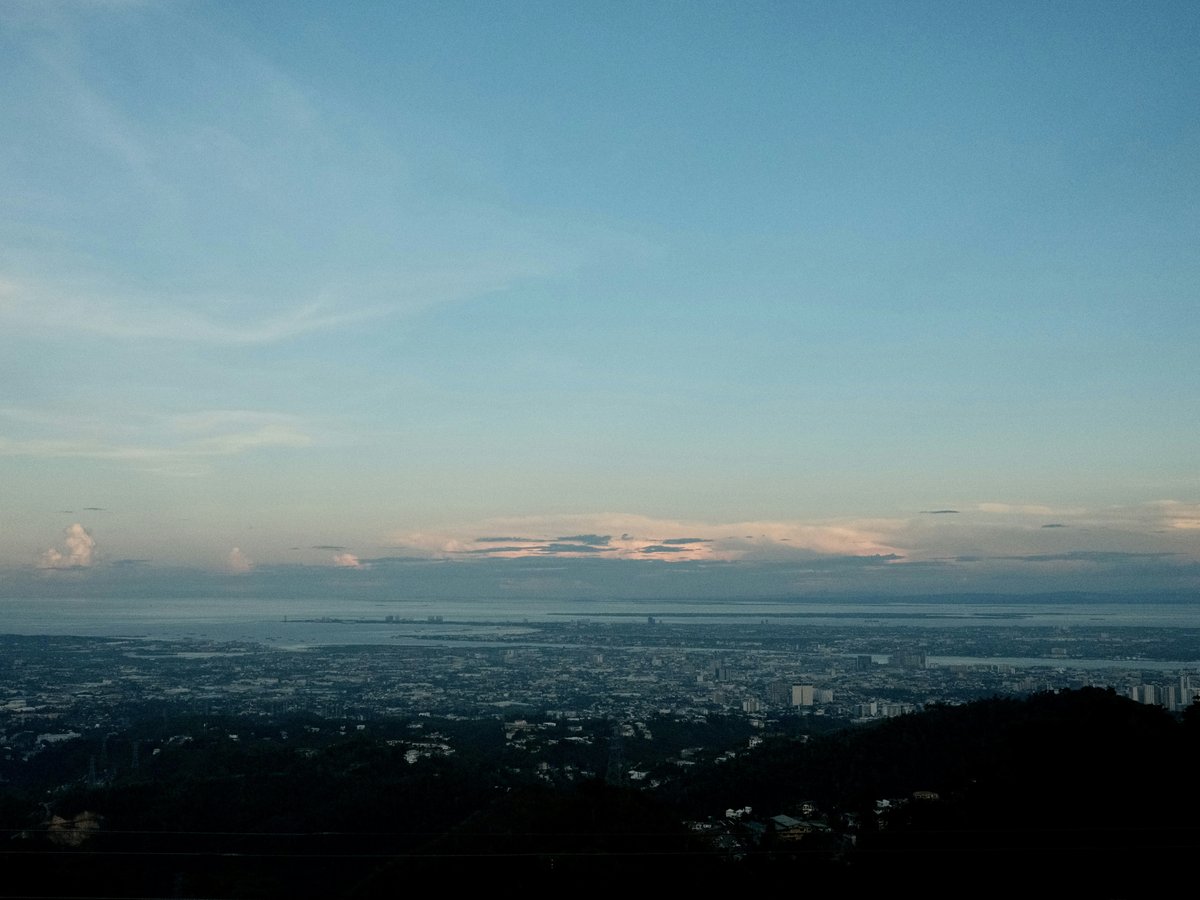
viewpointA hilltop viewpoint in the Busay area above Lahug, about 30 minutes by motorbike from the city center. On clear March mornings, you can see across to Mactan Island and, on the best days, Bohol in the distance. The drier March air improves visibility compared to the haze-heavy monsoon months.
Busay, Cebu CityCarbon Market
marketCebu City's oldest and largest public market sprawls across several blocks near the waterfront. The dry goods section sells dried pusit (squid) and danggit (rabbitfish), while the fruit stalls fill with early-season mangoes. The smell is a wall of dried fish, ripe fruit, and damp concrete. Go before 08:00 for the widest selection and the coolest temperatures.
Carbon, downtown Cebu CitySirao Flower Garden
gardenA hillside garden in the Busay highlands grows celosia and other tropical flowers in terraced rows. March's mix of sun and afternoon rain keeps the blooms at their most colorful. The garden sits at roughly 500 meters elevation, which drops the temperature a few degrees below the coastal city and offers a brief reprieve from the lowland heat.
Sirao, Cebu City highlandsMuseo Sugbo
museumHoused in a converted provincial jail that reopened as a museum in 2008, Museo Sugbo covers Cebu's history from pre-colonial maritime trading networks through the Spanish and American periods. The former cells serve as gallery rooms, which gives the architecture an unusual, slightly eerie quality. March's drier weather makes the walk from downtown comfortable.
M.J. Cuenco Avenue, Cebu CityMactan Shrine and Lapulapu Monument
historical siteThe Lapulapu Monument, erected in 1981, marks the approximate site where Lapulapu's warriors defeated Ferdinand Magellan in 1521. The Magellan Monument stands nearby; it was built in 1866. The two memorials face each other, honoring opposite sides of the same battle. The open-air grounds are best visited in the cooler March morning hours.
Mactan Island, Lapu-Lapu CityIT Park dining district
dining districtThe information technology zone in Lahug has grown into Cebu's most active dining district, especially after dark when the BPO workers finish their shifts. The Sugbo Mercado night market operates on weekends inside IT Park, with stalls selling everything from lechon belly to craft beer. March evenings are warm enough for outdoor tables without the monsoon-season rain that chases diners inside.
IT Park, Lahug, Cebu City
Your packing checklist
Tick items off as you pack. Your progress saves in this browser.
All packed — have a great trip.
Insider tips
Carbon Market's fruit section marks up mangoes nearest the entrance. Walk deeper into the market, past the dried fish stalls, and the same carabao mangoes sell for noticeably less. Sellers in the back cater to local restaurant buyers, not tourists.
The MyBus from Mactan-Cebu International Airport to SM City Cebu is air-conditioned and clearly signed, a far more comfortable and predictable option than negotiating with taxi drivers in the arrivals hall. It runs roughly every 20 minutes during the day.
If you are diving Moalboal midweek in early March, some dive shops will negotiate on multi-dive packages since they are not yet in peak-season mode. This changes sharply after schools break around March 20.
The Sugbo Mercado night market at IT Park runs Friday through Sunday evenings. Saturday draws the biggest crowds. Friday is quieter and the stall operators have fresher stock, which means your lechon belly comes off the spit more recently.
Solo travelers should note that Cebu's solo-traveler safety scores 5.2 out of 10 (see the TTDI Solo-Safety Index). Stick to well-lit areas after dark, especially around Colon Street and the Carbon district. The IT Park area and Banilad feel safer at night due to better lighting and more foot traffic.
Avoid these mistakes
- Scheduling outdoor activities for the afternoon. March showers arrive most predictably between 14:00 and 16:00. Plan island hopping, canyoneering, and heritage walks for the morning, and keep afternoons for indoor options like Museo Sugbo or the mall dining districts.
- Assuming the driest month means rain-free. March still sees showers on more than half the days, and travelers who leave rain gear at the hotel get caught out on island-hopping boats or walking the downtown heritage circuit with no shelter in sight.
- Booking the last week of March without checking Philippine school calendars. The summer-break rush starts around the 20th, and by the final weekend, Mactan beaches and Kawasan Falls are packed with domestic tourists. Shifting your trip one week earlier avoids this entirely.
- Wearing shorts and tank tops to the downtown churches during Lent. Guards at the basilica and the cathedral enforce a dress code more strictly during Lenten season. Travelers who arrive uncovered either borrow a wrap from a limited supply or get turned away at the door.
Practical tips for March
March splits into shoulder and early-peak pricing around the 20th, so flexible travelers should target the first two weeks for better rates and lighter crowds. Ferry schedules to Bantayan, Camotes, and Malapascua run more reliably than during monsoon season, but confirm departures the day before, especially for the smaller inter-island routes. Cebu's Grab rideshare app works throughout metro Cebu and Mactan, though surge pricing hits on Friday and Saturday evenings around IT Park. Holy Week, when it falls in March, closes most banks, government offices, and many restaurants from Holy Thursday through Easter Sunday. ATMs near Colon Street and along Mactan's resort strip tend to run dry during that window, so withdraw cash beforehand. Tipping is not expected at local carinderias but appreciated at sit-down restaurants, where 10% is standard if no service charge appears on the bill. SIM cards from Globe or Smart are available at the airport arrivals hall and give you mobile data for the duration of your trip, which is essential for Grab and for checking real-time ferry schedules.
FAQ
Is March a good time to visit Cebu?
March is one of the best months for Cebu. It has the driest conditions of any calendar month, calmer seas for island hopping to Bantayan and Malapascua, and comfortable temperatures that stay below the more intense heat of late April and May. The main trade-off is that the final 10 days see rising domestic tourism as Philippine schools close for summer break. Early March is the sweet spot for both weather and crowd levels.
What is the weather like in Cebu in March?
Expect warm, humid days and mild tropical nights across metro Cebu. Afternoon showers hit on most days but typically pass within half an hour. Mornings are the best window for outdoor activities, with lower temperatures and calmer air. The northeast monsoon has largely faded by March, which keeps seas around Mactan and the offshore islands notably calmer than during the mid-year southwest monsoon season.
Is Cebu crowded in March?
Moderately. The first two to three weeks feel like shoulder season, with manageable crowds at Mactan's beaches and the downtown heritage sites. Around the 20th, Philippine schools let out, and domestic tourists fill resorts and popular day-trip spots like Kawasan Falls and Moalboal. Weekdays remain noticeably quieter than weekends throughout the entire month.
Can you swim at Cebu beaches in March?
Yes. March is one of the better months for swimming and snorkeling around Cebu's islands. The seas are calmer than during the mid-year monsoon, water visibility improves at sites like Moalboal and Nalusuan, and jellyfish are less common than in the wetter months. Beaches on Mactan, Bantayan, and Malapascua are all swimmable, though conditions can vary by specific stretch of coast.
Do I need to book hotels in advance for March in Cebu?
For the first two weeks, a week or two of lead time usually suffices at most Mactan and Cebu City properties. After schools close around the 20th, booking 3 to 4 weeks ahead is safer, especially for beachfront Mactan accommodations and island stays on Bantayan or Malapascua. Holy Week, when it falls in March, can sell out well-rated properties across the metro area.
Things to Do in Cebu in March
 Free cancellation
 Whale Shark & Tumalog Falls & Sumilon Sandbar & Pescador Island with Sardines
Outdoor experience: 16 hours, free cancellation.
via Viator Free cancellation
 Bohol Countryside Tour from Cebu Loboc River Cruise with Lunch
Day trip: 14 hours, free cancellation.
via Viator Free cancellation
 Whale Shark Encounter and Sumilon Sandbar with Kawasan Falls
Outdoor experience: 14 hours, free cancellation.
via Viator Free cancellation
 From Cebu: Oslob Whale Shark Swimming & Moalboal Sardine Run Tour
Outdoor experience: 14 hours, free cancellation.
via Viator Free cancellation
 Cebu: Oslob Whale Shark Swimming and Kawasan Falls Canyoneering
Outdoor experience: 12 hours, free cancellation.
via Viator Free cancellation
 From Cebu: Island Hopping to 3 islands with BBQ lunch
Day trip: free cancellation.
via ViatorLast verified by automated review (v1.7.2) on . What is automated review?