Stay in Cebu in February
73 hotels in the Trip.com pool for Cebu, from US$6 a night.
Opens Trip.com on Fri 5 Feb to Sun 7 Feb 2027; change the dates there.
February in Cebu offers something the January crowds never get. The Sinulog Festival, the Philippines' largest Santo Niño celebration, floods Cebu City with visitors each January. By the first week of February, the processions, street dancing, and all-night drumming have wound down. Hotels across Mactan and the city center that were fully booked during the fiesta suddenly have vacancies. The streets near the Minor Basilica of the Holy Child, founded in 1739, return to their usual rhythm of prayer groups and sidewalk vendors selling candles.
Cebu's weather cooperates in February. This is the second-driest month of the year, trailing only March, and temperatures stay on the comfortable side of tropical without the peak heat that builds through April and May. Mornings in Lahug and along the Mactan Channel carry enough breeze to walk before noon. The Visayan humidity is still thick, though. You'll feel it in the weight of the air on your skin the moment you step outside Mactan-Cebu International Airport.
February is a solid month to visit. March edges it out by a small margin on dryness alone. But February's lower crowds, steady conditions, and post-fiesta hotel rates make it a strong choice for travelers who want Cebu without fighting for restaurant tables or resort loungers.
Why visit in February
- Second-driest month of the year, with less than half the rain of the October peak and notably drier than the January most travelers compare it to
- Post-Sinulog quiet means shorter queues at Fort San Pedro, Magellan's Cross, and the heritage corridor through the colonial core
- Calmer seas during the dry-season window improve underwater visibility around the islands off Mactan and at Moalboal
- Chinese New Year, when it falls in February, adds a cultural event to a month that otherwise lacks a major festival of its own
Worth knowing
- Rain still falls on most days of the month, and while showers tend to be brief, they can cut into a beach afternoon on Mactan if you have not planned around them
- Some Sinulog-adjacent pop-up markets and temporary art installations from January have already been dismantled by early February
- Humidity above 80% makes midday sightseeing on foot through downtown Cebu City feel heavier than the temperature alone suggests
Best for
Think twice if
February sits in the tail end of the amihan, the northeast monsoon that brings Cebu's cooler and slightly drier conditions. Daytime highs average 28.9°C (84°F), settling to 24.2°C (76°F) after dark. Rainfall reaches 165mm across roughly 19 days, but most of those are short afternoon downpours that clear within 30 minutes. Mornings tend to start warm and clear, with clouds building toward midday. The humidity holds at 83%, which you notice most between 11 a.m. and 3 p.m., when shade becomes a necessity rather than a preference. The real story of February weather in Cebu is predictability. The wet-season storms that dump rain for hours are gone, replaced by quick showers that roll through and leave the sky washed clean.
Year-round climate
Averages from the last 5 years.
| Month | Avg high (°C) | Avg low (°C) | Rainfall (mm) |
|---|---|---|---|
| Jan | 29 | 24 | 254 |
| Feb | 29 | 24 | 165 |
| Mar | 30 | 25 | 153 |
| Apr | 31 | 25 | 175 |
| May | 31 | 26 | 240 |
| Jun | 30 | 25 | 299 |
| Jul | 30 | 25 | 283 |
| Aug | 30 | 25 | 265 |
| Sep | 30 | 25 | 232 |
| Oct | 30 | 25 | 349 |
| Nov | 30 | 25 | 273 |
| Dec | 29 | 25 | 222 |
Holidays and festivals in February
Public holidays
- Chinese New Year(Chinese New Year)6 February 2027
Best things to do in February
Diving at Moalboal's sardine run
divingThe sardine run at Panagsama Beach in Moalboal happens year-round, but February brings clearer water. The sardines school in the thousands about 50 meters offshore, accessible by snorkel or scuba. Nearby Pescador Island offers wall dives with sea turtles and reef sharks at depth.
Late-dry-season conditions bring steadier surfaces and visibility that can reach 15 to 20 meters on clear daysBooking tipBook a Moalboal dive shop at least 3 days ahead for weekends. The 3-hour bus ride from Cebu City's South Bus Terminal means most visitors overnight there.
Canyoneering at Kawasan Falls in Badian
adventureA half-day trek through a series of canyons, cliff jumps, and river crossings in the municipality of Badian, ending at the turquoise pools of Kawasan Falls. The route covers roughly 4 kilometers and takes 3 to 4 hours depending on group size.
Lower water volume through Badian's canyons makes river crossings less forceful and the rock faces easier to grip than in the wet monthsBooking tipMost visitors book through Cebu City tour operators who handle transport and guides. Solo bookings at the canyon entrance are possible but less reliable on busy Saturdays.
Heritage walking tour through downtown Cebu City
cultureA self-guided or guided walk connecting the colonial-era landmarks clustered within a 1-kilometer radius in the Colon Street and Pier area. The route typically covers Fort San Pedro, Magellan's Cross, the Cebu Metropolitan Cathedral, and the surrounding plazas. Each stop is within 10 minutes of the next on foot.
Post-Sinulog crowd levels drop sharply, and February mornings are cool enough for 2 to 3 hours on foot without overheatingBooking tipNo booking needed for self-guided walks. Guided tours from local operators typically run morning-only, departing at 7 or 8 a.m.
Island hopping from Mactan
water sportsHalf-day or full-day boat trips from the Mactan shore to nearby islands including Hilutungan, Nalusuan, and Pandanon. Most trips include snorkeling stops over shallow reef and a seafood lunch on one of the sandbar islands. Bangka boats carry 8 to 15 passengers.
The transition between Cebu's two monsoon seasons brings relatively calm seas around the islands off MactanBooking tipHotel front desks on Mactan can arrange next-day trips, but independent bangka charters from the Maribago or Buyong jetties often cost less.
Sunset at Tops Lookout in Busay
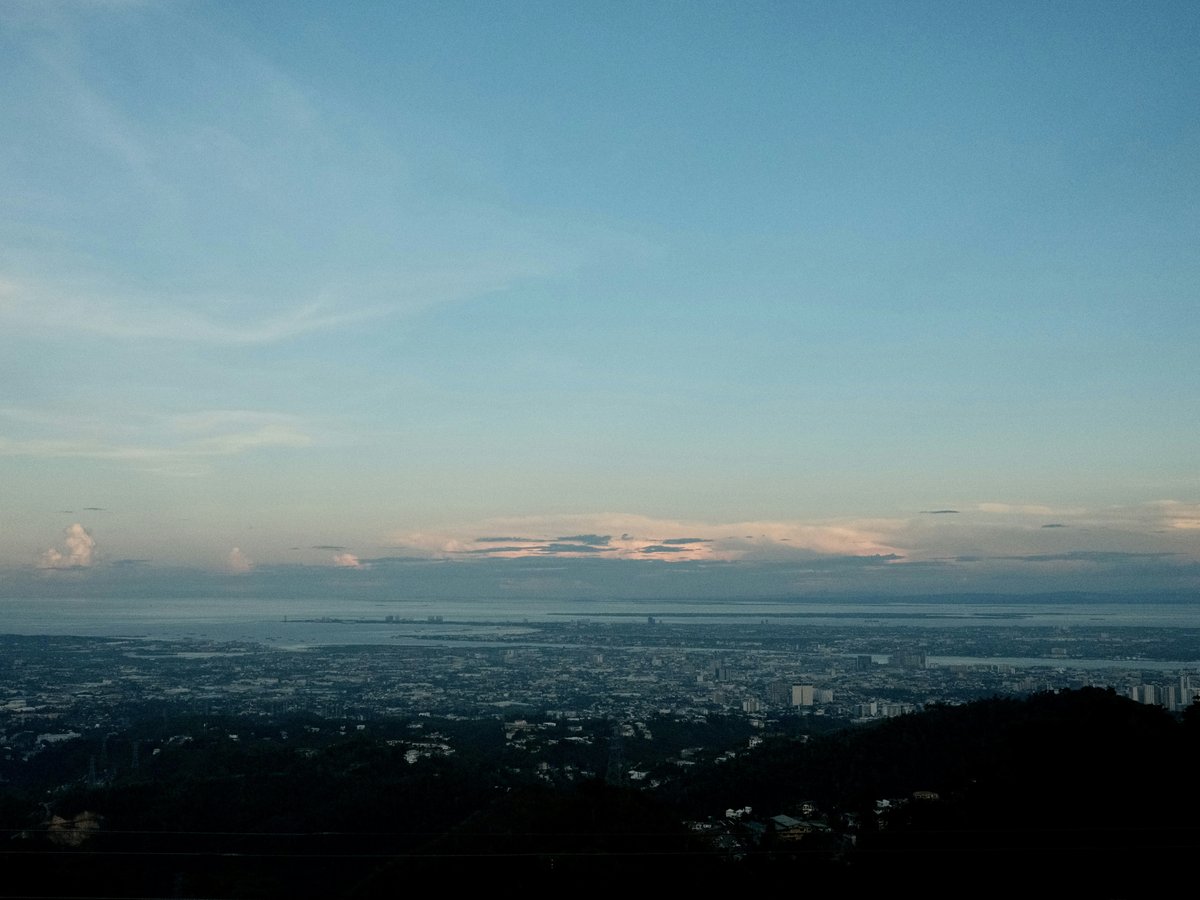
sightseeingA hilltop viewpoint roughly 600 meters above sea level in the barangay of Busay, with panoramic views over Cebu City and the strait toward Mactan Island. The platform area is compact but uncrowded on weekdays. Late afternoon is the sweet spot for photography.
February's lower cloud frequency compared to the wet season improves the odds of an unobstructed sunset view over Cebu CityBooking tipNo booking needed. Habal-habal motorbike taxis from JY Square Mall in Lahug take about 20 minutes to reach the top.
Snorkeling at Sumilon Island sandbar
beachA crescent-shaped sandbar off the southern tip of Cebu in the municipality of Oslob, with shallow turquoise water and a reef drop-off within swimming distance. The sandbar's shape and position shift with the tides and currents, so it looks different on every visit.
The drier months tend to produce a more defined spit of sand and clearer water with less runoff from Cebu's southern riversBooking tipDay trips from Cebu City take about 4 hours each way. Most visitors combine this with a stop elsewhere in southern Cebu to break up the drive.
Hiking Osmena Peak in Dalaguete
hikingThe highest point in Cebu province sits in the municipality of Dalaguete, about 3 hours south of the city. The jagged limestone spires at the summit offer views across the Tanon Strait to Negros Island. The trail from the registration point takes 20 to 30 minutes.
February's lower rainfall keeps the Dalaguete summit trail less muddy and the views across the strait clearer than in the June through November wet seasonBooking tipStart early to reach the summit before midday clouds build. Most visitors pair this with a stop at Kawasan Falls on the way back.
What to eat in February
In season: fruit
Manggang hilaw with bagoong
Green unripe Philippine mangoes dipped in fermented shrimp paste. Early specimens of the approaching mango season start appearing at the markets in February, tart and firm. Peak supply arrives from March onward, but the February crop is already worth seeking out.
Street food peaks
Puto maya
Sticky glutinous rice tinted with ginger and coconut milk, shaped into cylinders wrapped in banana leaves. Cebuanos eat this for breakfast alongside sikwate, and February's milder mornings make the warm pairing more appealing than in the hotter months ahead.
Dried pusit
Squid sun-dried and grilled over charcoal until the edges char and the smoke hangs in the air around the stall. The drier months from January through March produce better curing conditions, and February vendors tend to carry fresher, more pliable stock than what shows up in the rainy season.
What to drink
Sikwate
Cebuano hot chocolate made from locally grown cacao, which reaches peak harvest freshness between November and March. Carbon Market vendors and downtown cafes serve it thick and gritty, closer to melted dark chocolate than anything from a packet.
Festival food
Tikoy
Chinese New Year rice cakes appear in bakeries and market stalls from late January through February, sliced and pan-fried until the edges turn golden and caramelized. They double as gifts and good-luck tokens in Cebu's sizable Chinese-Filipino community.
Regular events in February
Chinese New Year celebrations on Colon StreetFree
Cebu's Chinese-Filipino community, one of the largest in the Visayas, marks the Lunar New Year with dragon and lion dances, firecrackers, and ceremonies at the Taoist Temple in Beverly Hills. Downtown shops offer discounts and hang red lanterns for the week.
Varies by lunar calendar, between late January and mid-FebruaryEDSA People Power AnniversaryFree
National holiday commemorating the 1986 peaceful revolution. Government offices and some businesses close, though tourist sites and malls remain open. Plaza Independencia in downtown Cebu City occasionally hosts civic programs.
February 25Feast of the Presentation of the LordFree
Candlemas is observed at parishes across Cebu with morning masses and the blessing of candles. The Basilica del Santo Nino holds an extended liturgy that draws locals carrying candles and religious images.
February 2Best places this February
Fort San Pedro
historical siteThe oldest triangular bastion fort in the Philippines, dating to 1565, now functions as a shaded park and small museum in the Pier area of downtown Cebu City. February's milder mornings make the gardens and stone ramparts comfortable for walking without the wet-season mud that collects in the courtyards.
Pier areaCarbon Market
marketCebu's oldest public market sprawls across several blocks south of Colon Street. February's drier conditions mean the outdoor produce and dried-fish sections are less waterlogged than in the rainy months. The smell of charcoal-grilled pusit and the sound of vendors calling out mango prices hit you before you see the stalls. Go before 7 a.m. when the fruit vendors from southern Cebu are still setting up.
CarbonTops Lookout
viewpointThe viewpoint in Busay that locals treat as the default sunset spot, roughly 600 meters above sea level with clear sightlines over the city and the channel. February's lower cloud frequency compared to the wet season means you are more likely to catch the full panorama instead of a wall of gray.
BusayMuseo Sugbo
museumThis provincial museum opened in 2008 inside a former Spanish-era jail, covering Cebu's pre-colonial, Spanish, American, and Japanese occupation periods through artifacts and photographs. A solid afternoon option when the rain rolls in, and the thick stone walls keep the interior noticeably cooler than the street.
downtownMagellan's Cross
historical siteHoused in a small octagonal chapel on Magallanes Street, this cross marks the site where Ferdinand Magellan reportedly planted a wooden cross in 1521. The post-Sinulog period means you can often stand in front of it without being shoulder-to-shoulder with a tour group, and the incense smoke from the candle offerings fills the small chapel with a heavy, resinous scent.
downtownSirao Flower Garden
gardenA terraced hillside garden in the Busay highlands, planted with rows of celosia and sunflowers against a mountain backdrop. February's balance of rain and sun keeps the beds in decent shape, though peak color tends to arrive closer to March and April when the dry season fully sets in.
Busay
Your packing checklist
Tick items off as you pack. Your progress saves in this browser.
All packed — have a great trip.
Insider tips
The jeepney routes along Colon Street and through Carbon can look chaotic, but the 01K and 04L routes from SM City Cebu to downtown are the most useful for reaching the heritage sites. Pay with exact change.
For lechon, skip the tourist-oriented restaurants near Magellan's Cross and head to the stalls along M.J. Cuenco Avenue or in Talisay City, just south of Cebu City. The roadside lechon in Talisay tends to be crispier and sold at lower per-kilo rates.
If you are diving at Moalboal, the sardine run does not require a boat. You can enter from Panagsama Beach and swim about 50 meters offshore. The sardines are typically densest between 6 and 8 a.m. before the snorkeling tour groups arrive.
The habal-habal motorbike taxis that climb to Tops Lookout and Sirao Flower Garden in Busay are the fastest option, but negotiate the fare before you get on. The return trip tends to cost more because drivers have to descend empty.
Avoid these mistakes
- Booking a downtown walking tour at midday. The heat peaks between 11 a.m. and 2 p.m. with minimal shade along the route from Fort San Pedro to the Basilica. Start at 7 a.m. or wait until 4 p.m.
- Assuming February's dry-season label means no rain gear is needed. Cebu still receives rain on more days than not, even in its driest months. The showers are brief, but they arrive without warning and you will get soaked if you are caught on an open bangka.
- Scheduling a tight connection through Mactan-Cebu International Airport on weekday afternoons. Traffic on the two bridges connecting Mactan Island to Cebu City can add 45 minutes to an hour to your travel time. Budget 2.5 to 3 hours before a domestic departure.
Practical tips for February
February falls after the Sinulog Festival booking rush, so most hotels along Mactan's beach strip and in Lahug can be booked within a week of arrival without premium pricing. Dress conservatively when visiting the Basilica, the Cathedral, and other downtown churches, with covered shoulders and knee-length bottoms as the minimum. The EDSA People Power Anniversary later in the month closes government offices but not malls, restaurants, or tourist sites. If Chinese New Year falls in February, expect brief closures at Chinese-Filipino-owned shops in the downtown commercial district for a day or two. For diving in Moalboal or island-hopping off Mactan, book at least 3 days ahead for weekend slots. SIM cards with data are available inside Mactan-Cebu International Airport arrivals from Globe and Smart kiosks. Grab works in Metro Cebu for car rides, but habal-habal motorbike taxis are the only option for uphill destinations like Busay and Sirao.
FAQ
Is February a good time to visit Cebu?
February is one of Cebu's better months. It is the second-driest month of the year, with comfortable temperatures and significantly lower crowds than during the January Sinulog Festival. You will still encounter afternoon showers on roughly half the days, but they tend to pass quickly. Overall, it ranks as the second-best month of the 12 for visiting Cebu.
What is the weather like in Cebu in February?
Warm and humid, on the comfortable side of tropical. Daytime temperatures sit in the high 20s Celsius (mid-80s Fahrenheit) and overnight lows barely dip below the mid-20s. Showers are frequent but brief, usually clearing within half an hour. The air feels heavy with moisture, especially between late morning and early afternoon. Pack for heat and sporadic rain, not for cold.
Is Cebu crowded in February?
Less crowded than January, when the Sinulog Festival fills every hotel in the city, and less crowded than Holy Week in March or April. You will share the major heritage sites and beaches with other tourists, but queues are manageable and hotels have availability. The brief Chinese New Year period can create a short-lived spike at restaurants and malls popular with the Chinese-Filipino community.
Is it safe to travel solo in Cebu in February?
Solo-traveler safety in Cebu scores 5.2 out of 10 (see the TTDI Solo-Safety Index). Standard precautions apply. Avoid walking alone in poorly lit areas of downtown Cebu City after dark, particularly around the port area. Tourist-focused neighborhoods like Lahug, IT Park, and the Mactan resort strip feel safer. February does not carry any season-specific safety concerns beyond the usual.
Can you swim at beaches in Cebu in February?
Yes. February's calmer seas make beach conditions at Mactan's resort-facing beaches, Moalboal's Panagsama Beach, and the Sumilon Island sandbar generally good. Water temperatures hover around 27 to 28 degrees Celsius, comfortable without a wetsuit. Afternoon squalls can briefly churn up sediment in shallower bays, but the water typically clears within an hour.
Things to Do in Cebu in February
 Free cancellation
 Whale Shark & Tumalog Falls & Sumilon Sandbar & Pescador Island with Sardines
Outdoor experience: 16 hours, free cancellation.
via Viator Free cancellation
 Bohol Countryside Tour from Cebu Loboc River Cruise with Lunch
Day trip: 14 hours, free cancellation.
via Viator Free cancellation
 Whale Shark Encounter and Sumilon Sandbar with Kawasan Falls
Outdoor experience: 14 hours, free cancellation.
via Viator Free cancellation
 From Cebu: Oslob Whale Shark Swimming & Moalboal Sardine Run Tour
Outdoor experience: 14 hours, free cancellation.
via Viator Free cancellation
 Cebu: Oslob Whale Shark Swimming and Kawasan Falls Canyoneering
Outdoor experience: 12 hours, free cancellation.
via Viator Free cancellation
 From Cebu: Island Hopping to 3 islands with BBQ lunch
Day trip: free cancellation.
via ViatorLast verified by automated review (v1.7.2) on . What is automated review?