Stay in Cebu in July
73 hotels in the Trip.com pool for Cebu, from US$6 a night.
Opens Trip.com on Fri 2 Jul to Sun 4 Jul 2027; change the dates there.
July in Cebu is the thick of the southwest monsoon. Rain falls on most days, though it tends to follow a pattern you can work around. Mornings often start clear, humid, and warm. By early afternoon, dark clouds pile up over the mountains west of the city, and the first heavy drops hit the pavement. The downpour can last anywhere from 30 minutes to 3 hours. Then it lifts, the streets steam, and life picks up again. The air smells of wet concrete and frangipani. If you need guaranteed sunshine for a beach trip, this is honestly not your month.
That said, July has a real upside for the right traveler. The January crowds that pack the Minor Basilica of the Santo Niño, founded in 1565 by Augustinian friars, are months gone. Hotel rates across Cebu City sit well below their annual average. Mornings before the rain are genuinely pleasant for walking the old downtown, where Colon Street still claims its title as the oldest street in the Philippines. You'll find Carbon Market at its most abundant, with wet-season produce piled high at the covered stalls.
Mind you, ferry services to Bohol and the outer islands get disrupted when the habagat kicks up rough seas. If your itinerary depends on boat transfers, pad it with extra days. But if you're the type who can settle into a cafe in IT Park during a downpour, order a third cup of local coffee, and wait out the weather, July delivers low-season rates, half-empty dive sites, and mornings quiet enough to hear the church bells from Cebu Metropolitan Cathedral across the old town.
Why visit in July
- Hotel and guesthouse rates drop roughly 30-40% from the Sinulog-week peak in January, with similar savings on hostel beds across the city
- Dive sites at Moalboal and around Malapascua Island see noticeably fewer divers, which means calmer conditions on the reef walls and better odds of extended thresher shark sightings at Monad Shoal
- Waterfalls in the southern highlands reach peak flow after weeks of steady rain, making canyoneering routes through the limestone gorges near Badian more dramatic than the dry-season trickle
- Carbon Market's covered stalls fill with wet-season fruit shipped from Mindanao, including durian, mangosteen, and rambutan at their ripest
Worth knowing
- Rain falls on roughly 27 of the month's 31 days, with afternoon downpours that can last 2-3 hours and sharply reduce outdoor time
- Ferry services to Bohol, Bantayan Island, and the Camotes group face cancellations when the habagat whips up rough seas, sometimes stranding travelers for a day or more
- Humidity hovers near 85%, making even the moderate temperatures feel sticky and draining by midday, especially in the dense streets of downtown
Best for
Think twice if
The southwest monsoon, locally called habagat, drives the month's rain pattern. Showers tend to arrive in the afternoon, often between 2 PM and 5 PM, and can range from a 20-minute burst to a multi-hour downpour. Mornings between 6 AM and 10 AM typically offer the driest window for outdoor activity. The temperature range is narrow compared to continental climates, with the difference between daily high and nightly low rarely exceeding 5°C. What makes July taxing is the moisture in the air, which can spike above 90% right after a rain event before settling back. Sea surface temperatures hold around 28-29°C (82-84°F), warm enough for comfortable diving without a wetsuit.
Seasonal caution
- July falls within the Philippine typhoon belt's active season, June through November. Cebu's central Visayas position provides partial shelter compared to Luzon and eastern Visayas, but tropical storms can still bring sustained winds above 100 km/h (62 mph) and cause flooding in low-lying downtown areas around Guadalupe and Colon
- Flash flooding hits the channeled rivers near Guadalupe Bridge and along sections of Osmeña Boulevard after prolonged heavy rainfall. Avoid crossing or walking through floodwater in these areas
- Dengue cases in Cebu Province typically rise from July onward as stagnant rainwater creates mosquito breeding sites. Use DEET-based repellent, especially around dawn and dusk
Year-round climate
Averages from the last 5 years.
| Month | Avg high (°C) | Avg low (°C) | Rainfall (mm) |
|---|---|---|---|
| Jan | 29 | 24 | 254 |
| Feb | 29 | 24 | 165 |
| Mar | 30 | 25 | 153 |
| Apr | 31 | 25 | 175 |
| May | 31 | 26 | 240 |
| Jun | 30 | 25 | 299 |
| Jul | 30 | 25 | 283 |
| Aug | 30 | 25 | 265 |
| Sep | 30 | 25 | 232 |
| Oct | 30 | 25 | 349 |
| Nov | 30 | 25 | 273 |
| Dec | 29 | 25 | 222 |
Best things to do in July
Canyoneering at Kawasan Falls, Badian
adventureA 4-hour descent through limestone canyons ending at the turquoise pools of Kawasan Falls. The route involves cliff jumps of 3 to 12 meters, natural waterslides, and swimming through narrow gorges carved into the rock face.
Wet-season rains swell the river to its most powerful flow, making the canyon jumps and waterslides more intense than the dry-season trickle of March and April.Booking tipBook through a licensed guide association in Badian town proper, not through Manila-based tour aggregators. Guides meet you at the jump-off point by 7 AM to beat both the afternoon rain and the midday heat.
Heritage walking tour through downtown Cebu City
cultureA morning circuit connecting Magellan's Cross, Cebu Metropolitan Cathedral, and the surrounding colonial-era streets around Colon. The walk covers roughly 2 km through the oldest urban core in the Philippines.
July mornings run noticeably cooler than the March-through-May peak, making the walk through this exposed, shade-sparse area considerably more comfortable on the skin.Booking tipStart at Magellan's Cross by 7 AM before the tour groups arrive. The kiosk housing the cross gets crowded by 9 AM.
Sardine run diving at Moalboal
divingA wall dive off Panagsama Beach where a resident school of millions of sardines swirls in dense, shifting formations. Turtles, barracuda, and frogfish share the reef. The light filtering through the school creates silver pulses that shift with every current change.
Fewer recreational divers means less fin-kicked silt on the wall, and you'll share the sardine school with a fraction of the dry-season crowd.Booking tipWalk-in bookings at the dive shops along Panagsama Beach are usually fine in July. No need to reserve weeks ahead.
Morning visit to Carbon Market
foodCebu's oldest and largest public market, a covered warren of stalls selling everything from live chickens to dried fish to wet-season tropical fruit. The seafood section at dawn is loud, pungent, and thick with the sound of ice being crushed and fish being sorted by size.
Wet-season harvests fill the fruit stalls with produce that is scarcer and pricier during the drier months. The covered sections keep you dry while the rain falls outside.Booking tipArrive between 5 AM and 7 AM for the freshest seafood and the most active atmosphere. By mid-morning the crowds thin and the best catches are gone.
Mactan island history walk
historyA 2 km coastal walk on Mactan Island connecting the Lapulapu Monument, erected in 1981, to the Magellan Monument, which has stood since 1866. The two memorials face each other near the strait where the Battle of Mactan took place in 1521.
Overcast July skies keep the exposed coastal path cooler than the dry season's direct sun, and fewer visitors at both monuments mean you can photograph them without waiting for groups to clear.Rainy-afternoon cafe circuit in IT Park, Lahug
food and drinkIT Park has become Cebu's densest concentration of specialty coffee shops and co-working spaces. When the afternoon rain hits, the outdoor terraces empty and the indoor tables fill with a mix of freelancers and off-duty call center workers.
The daily rain pattern makes afternoon cafe time a practical necessity. July's low-season quiet means open seats even at the popular spots that fill up during drier months.Day trip to Simala Shrine in Sibonga
cultureA hilltop Marian shrine about 60 km south of Cebu City, built in a castle-like style that draws both pilgrims and architecture-curious visitors. The compound spans several hectares on a ridgeline above the town, and the views from the upper terraces reach the coastline on clear mornings.
The elevated site catches wet-season breezes that the lowland coast misses. July pilgrim traffic is a fraction of what the shrine sees during Holy Week or on Marian feast days in May.Booking tipHire a private car or van for the day. Public buses run from the South Bus Terminal but return schedules get erratic in the afternoon, especially during heavy rain.
What to eat in July
In season: fruit
Durian
Mindanao-grown durian floods Cebu's markets from June through September. The smell hits you from 10 meters away at the fruit stalls, where vendors crack open the spiny shells on the spot. July catches the peak of the harvest season.
Mangosteen
The thick purple rind splits to reveal translucent white segments with a sweet, faintly tart flavor. July through September is the peak window for fruit shipped from the southern provinces, and prices at roadside stalls drop as supply rises.
Rambutan
Red and hairy on the outside, sweet and translucent inside. The wet season triggers the harvest across the Visayas, and sellers set up along the highway heading south from the city with bags of them for a fraction of dry-season prices.
On menus now
Sinigang na bangus
Wet-season comfort food. The tamarind-sour broth comes loaded with kangkong (water spinach), tomatoes, and milkfish. Rainy afternoons in Cebu are when this dish feels most right, served steaming at neighborhood carinderias.
Street food peaks
Puso (hanging rice)
Steamed rice packed into woven palm-leaf diamonds, sold at every lechon stall and barbecue stand. The warm packets carry a faint sweetness from the coconut palm wrapping. A wet-season lunch staple eaten by hand alongside grilled pork belly.
What to drink
Tuba (coconut wine)
Fresh-tapped coconut sap, fermented for a few hours to a mild sourness. Vendors in Talisay and along the coastal barangays south of the city sell it in recycled bottles. The slight fizz and sweet-sour taste pair with grilled seafood on rainy evenings.
Regular events in July
Feast of Nuestra Señora del CarmenFree
The annual feast day of Our Lady of Mount Carmel, centered on the National Shrine in Banawa, Cebu City. A morning procession winds through the neighborhood streets, followed by a special Mass and a small fiesta with food stalls and live music that runs into the evening.
July 16Sandugo Festival, Tagbilaran, BoholFree
A week of cultural events in Tagbilaran City, Bohol, commemorating the 1565 blood compact between Datu Sikatuna and Miguel López de Legazpi. The festival includes street dancing, historical reenactments, and a parade. A 2-hour fast ferry from Cebu connects to the host city, weather permitting.
Late July, typically the last weekPhilippine-American Friendship DayFree
A national observance marking July 4, 1946, when the United States formally recognized Philippine independence. Banks and government offices close for the day. Some cultural centers in Cebu City host small exhibits or film screenings related to the bilateral history.
July 4Best places this July
Fort San Pedro
historic siteThe oldest triangular bastion fort in the Philippines, begun by Spanish colonizers in 1565. The compact stone walls enclose a garden courtyard that stays dry under the canopy of old trees even during rain. A small museum inside covers the colonial period, and the thick walls muffle the traffic noise from the road outside.
Plaza Independencia, downtownMuseo Sugbo
museumA provincial museum opened in 2008 inside a repurposed colonial-era jail. The permanent collection covers Cebu's pre-colonial trading history, the Spanish period, and the Japanese occupation. Rain-proof, air-conditioned, and usually quiet enough in July to hear your own footsteps on the stone floors.
M.J. Cuenco Avenue, downtownCathedral Museum of Cebu
museumAttached to the Metropolitan Cathedral, this small museum houses religious artifacts, ecclesiastical silver, and 18th-century liturgical vestments. Worth 45 minutes on a rainy afternoon. The collection feels personal in a way that larger museums lose.
Downtown, adjacent to the cathedralNational Museum of the Philippines, Cebu branch
museumHoused in the former Aduana (customs house), the Cebu branch covers regional archaeology and ethnography. Free admission. The building itself, with its thick coral-stone walls, stays noticeably cool even without air conditioning, a welcome reprieve from the humid streets.
Plaridel Street, downtownSirao Flower Garden
gardenA terraced hillside garden in the Busay area above the city. The celosia flowers bloom at their most vivid during wet season, and the views over Cebu City extend to Mactan on clear mornings. The terraces can be slippery after rain, so grippy shoes help.
Busay, Cebu City highlandsTops Lookout
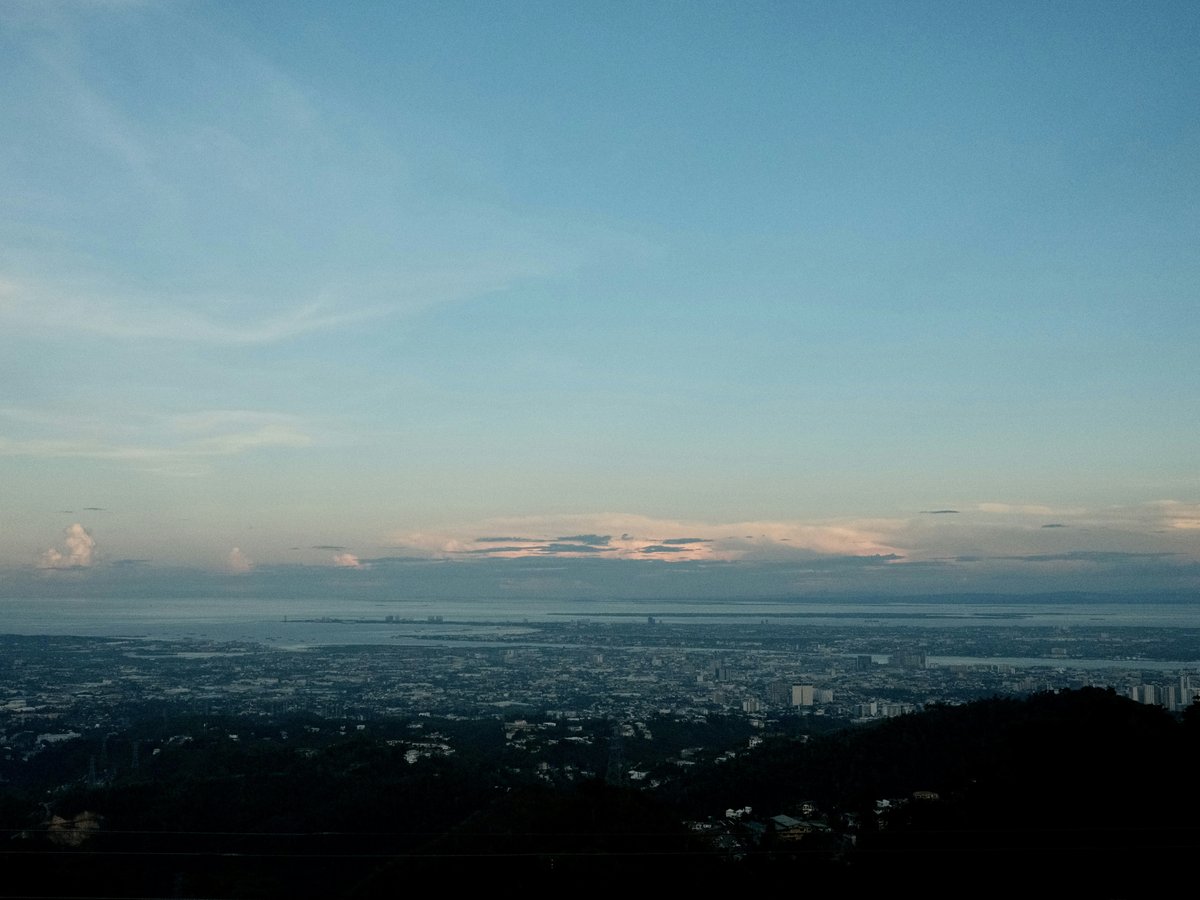
viewpointA viewpoint at roughly 600 meters elevation in the Busay hills, overlooking Cebu City and the strait beyond. Best visited at dawn or in the early evening before the afternoon clouds settle in. On clear July mornings, the view reaches across the water to the outline of Bohol.
Busay, Cebu City highlands
Your packing checklist
Tick items off as you pack. Your progress saves in this browser.
All packed — have a great trip.
Insider tips
Jeepneys on the Colon-to-IT Park route fill up faster during afternoon rains, and some drivers quietly raise the fare. The MyBus rapid transit line from the South Bus Terminal to IT Park runs on a fixed rate regardless of weather and is more reliable when it's pouring.
The lechon stalls in Talisay, about 15 minutes south of the city, sell the same Cebu-style roast pig for noticeably less than the tourist-facing spots along A.S. Fortuna Street in Mandaue. The pork comes from the same suppliers.
Carbon Market's seafood section is cheapest between 5 AM and 7 AM when the night's catch first arrives from the boats. By mid-morning, the markup for walk-in tourists has quietly appeared without anyone announcing it.
If a typhoon signal is raised to Signal No. 1, all fast ferry services to Bohol and Leyte suspend immediately. Don't wait for Signal No. 2 to adjust your plans. The Philippine Coast Guard's regional Facebook page posts advisories faster than any travel app.
Avoid these mistakes
- Booking a full-day island-hopping tour to Nalusuan or Hilutungan without checking the Philippine Coast Guard's weather advisory first. In July, tours get cancelled regularly due to wave height, and most operators keep your payment as a credit rather than issuing a refund.
- Stacking outdoor activities on consecutive days with no rain contingency. At least one afternoon each week will be wiped out by a sustained downpour, and without an indoor alternative planned, you lose the day to aimless waiting.
- Walking through floodwater in flip-flops after heavy rain downtown. Runoff in low-lying streets around Colon and near the Guadalupe river channels can carry debris, raw sewage, and leptospirosis risk. Closed waterproof shoes are worth the sweat on these stretches.
Practical tips for July
Book accommodations in Lahug or Banilad for walkable access to restaurants and cafes when afternoon rain makes venturing further impractical. Ferry tickets to Bohol should be purchased the day before when weather is clear, since seats fill fast when previously stranded travelers compete for the first available departure. The Friendship Day holiday early in the month closes banks and government offices for the day. Tricycle and habal-habal (motorcycle taxi) drivers negotiate fares more willingly during wet season as demand drops. Cebu scores 5.2 out of 10 for solo-traveler safety (see the TTDI Solo-Safety Index), so stick to well-lit main roads after dark in the downtown districts. For LGBTQ+ travelers, the city scores 4.5 out of 10 for LGBTQ+ friendliness (sourced from TTDI's editorial rubric), and public displays of affection draw less attention in cosmopolitan pockets like IT Park than in more traditional neighborhoods. Download the Grab app before arriving for metered, cashless rides when rain makes street hailing difficult.
FAQ
Is July a good time to visit Cebu?
It depends on what you want from the trip. July is deep in the wet season, with rain on most days and limited ferry reliability to neighboring islands. But if you're comfortable working around afternoon downpours and want lower prices alongside noticeably fewer crowds, it's a serviceable month. It sits near the bottom of the annual calendar for weather, so it's far from ideal, though it's not unworkable if you plan indoor alternatives and keep your schedule flexible.
What is the weather like in Cebu in July?
Warm and wet. Highs stay around 30°C (86°F) and the overnight low sits in the mid-20s Celsius range, so the heat is manageable compared to the April peak. The real challenge is rain, which falls on most days and typically arrives in the afternoon. Mornings tend to be clearer and drier. The humidity is high enough that the air itself feels heavy, making even moderate temperatures tiring if you're walking long distances.
Is Cebu family-friendly in July?
Cebu scores 6.8 out of 10 for family friendliness (see the TTDI Family-Friendliness Index). In July specifically, the rain limits beach days and outdoor activities with young children, but indoor options like the provincial museum and the air-conditioned malls of Ayala Center Cebu and SM City Cebu are well-suited to families. The main concern is ferry cancellations if you're planning a family trip to Bohol or other islands with kids who don't handle itinerary disruptions well.
Are typhoons a risk in Cebu in July?
July sits within the active typhoon season. Cebu is partially shielded by its central Visayas position, and direct hits are less frequent than in Luzon or eastern Visayas. Tropical storms still affect the region several times annually, bringing heavy rain, rough seas, and possible flight disruptions. Check PAGASA (the Philippine weather bureau) forecasts daily and keep your itinerary flexible enough to lose a day indoors without it derailing the trip.
Is Cebu crowded in July?
No. July is low season, and the city sees far fewer visitors than the dry months or the January festival weeks attract. Major landmarks have noticeably shorter queues, restaurants rarely need reservations, and accommodation availability is wide open. The trade-off is that some beach businesses on outlying islands operate reduced hours or close entirely until the dry season returns.
Things to Do in Cebu in July
 Free cancellation
 Whale Shark & Tumalog Falls & Sumilon Sandbar & Pescador Island with Sardines
Outdoor experience: 16 hours, free cancellation.
via Viator Free cancellation
 Bohol Countryside Tour from Cebu Loboc River Cruise with Lunch
Day trip: 14 hours, free cancellation.
via Viator Free cancellation
 Whale Shark Encounter and Sumilon Sandbar with Kawasan Falls
Outdoor experience: 14 hours, free cancellation.
via Viator Free cancellation
 From Cebu: Oslob Whale Shark Swimming & Moalboal Sardine Run Tour
Outdoor experience: 14 hours, free cancellation.
via Viator Free cancellation
 Cebu: Oslob Whale Shark Swimming and Kawasan Falls Canyoneering
Outdoor experience: 12 hours, free cancellation.
via Viator Free cancellation
 From Cebu: Island Hopping to 3 islands with BBQ lunch
Day trip: free cancellation.
via ViatorLast verified by automated review (v1.7.2) on . What is automated review?