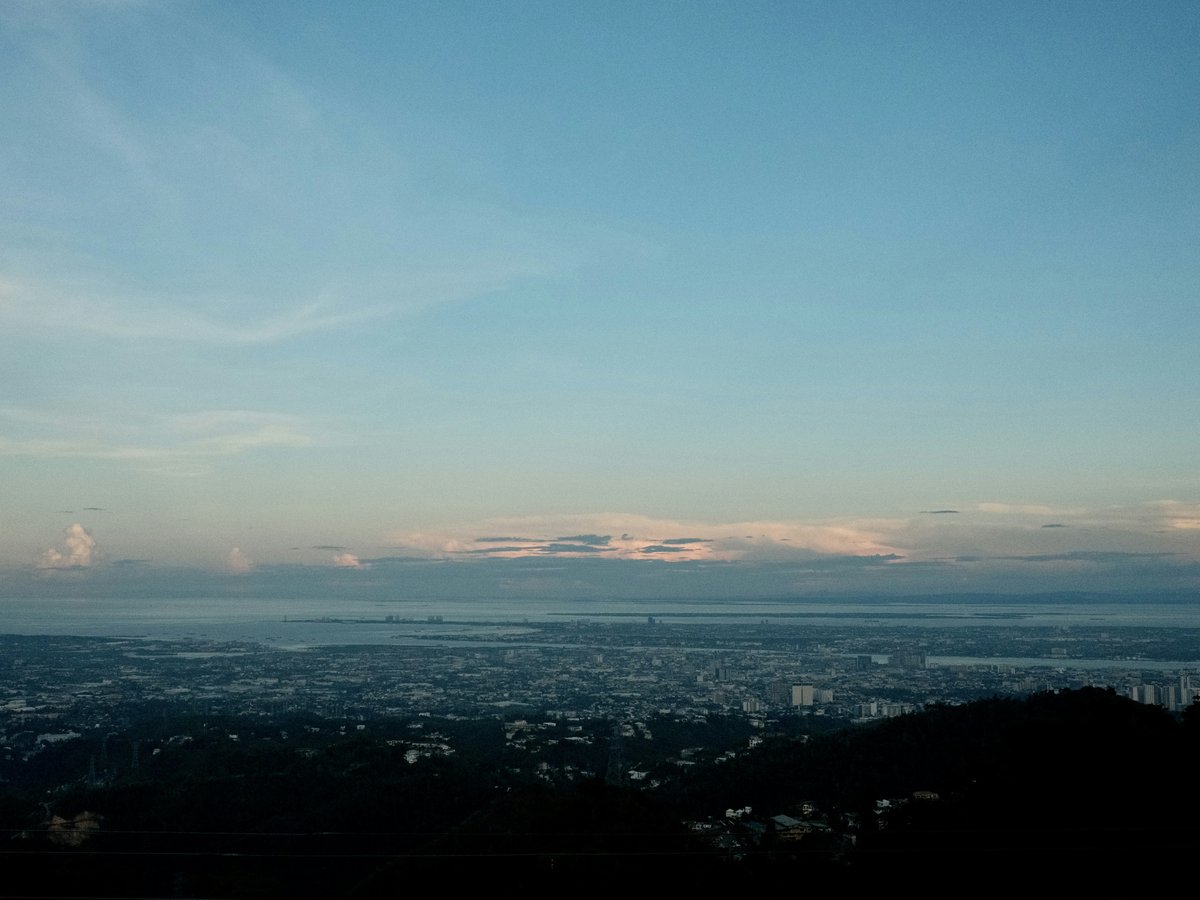
Cebu's must-sees are mostly sacred places and memorials, not theme parks or viewing decks, and most of them are working sites rather than exhibits behind glass. The oldest date in this list is 1565, the year Wikidata gives for Fort San Pedro, and the newest is the 2010 Cebu City Philippines Temple. Between those two points come a minor basilica from 1739 that carries the National Cultural Treasure designation, a historic church from 1913 on Osmeña Boulevard, a Taoist temple from 1972, and a Graeco-Roman church in Talisay City. Across in Mactan there are three memorials: the Magellan Monument, the Lapulapu Monument, and the Liberty Shrine, a public park and memorial. This list is for travellers who read a building the way others read a document. Dress for church, go early, and plan for heat and crowds; do the city's old core on foot, then give Mactan its own afternoon.
-
1 Minor Basilica of the Holy Child
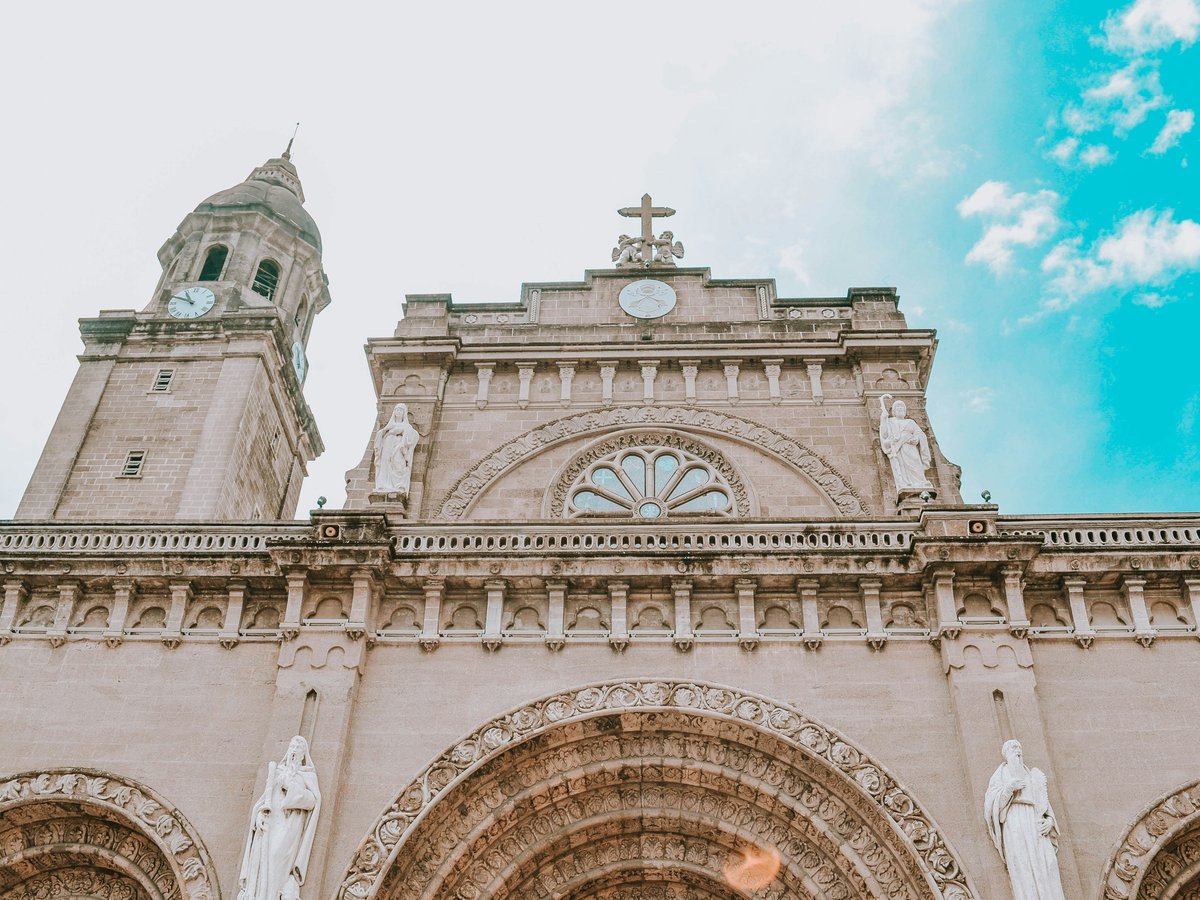
Osmeña BoulevardA working minor basilica protected as a National Cultural Treasure
Since 1739, the Minor Basilica of the Holy Child has held its ground on Osmeña Boulevard. A Roman Catholic minor basilica in Cebu City, it carries the designation of National Cultural Treasure, which makes it a working church the country has chosen to protect, not a museum piece. Skip the souvenir-stall browsing that collects around any famous church door; you come for the interior and for the people who are here to pray, not to take pictures. Dress for a church, keep your voice low, and allow more time than you planned. Check the basilica's own website for the day's schedule before you set out. A building this busy runs on its own calendar, not yours.
Dates from 1739 · National Cultural Treasure
-
2 Cebu Metropolitan Cathedral
P. Burgos StreetThe city's working Roman Catholic cathedral, best seen at an unhurried pace
Cebu Metropolitan Cathedral keeps a plainer face than most visitors expect on P. Burgos Street. It is the Roman Catholic cathedral of Cebu City, a working church first and a showpiece second, and that is exactly why it belongs on this list. Street noise fades once you are through the door, and the low murmur of the regulars echoes off the walls. Skip the tour-bus rush that sweeps through the better-known churches in a single morning; the locals come here to pray, not to pose, and the building rewards an unhurried, unscheduled hour. Sit at the back and stay a while. A visitor who settles quietly into a rear pew will learn more about how this city keeps its faith than one who walks the aisle with a phone held up.
-
3 Fort San Pedro
A. Pigafetta Street, CebuA Spanish-era fortification dating from 1565
The year to carry into Fort San Pedro is 1565, the date Wikidata gives for its inception. It is a Spanish-era military fortification in Cebu City, mapped on A. Pigafetta Street. Of everything on this list it is the most direct physical record of colonial power, built to defend and to control rather than to inspire. Avoid the midday visit; the heat on open stone flattens both you and the experience. Come in the cooler part of the day and walk it slowly, reading the place as a statement of intent. Its purpose was military, and it says so more plainly than any placard.
Dates from 1565
-
4 Magellan’s Cross
Magallanes StreetA Christian cross that anchors Cebu City's colonial-era story
Street life hums around Magellan's Cross on Magallanes Street, and the city's ordinary noise is part of how it feels to stand here. The cross itself is simple: a Christian cross in Cebu City, small next to the weight of the name it carries. Skip the rushed photo-and-go stop that most itineraries give it; stand still for a few minutes, watch who comes to pay their respects and how, and let the plainness register. This is a symbol more than a sight. The visitors who get the most from it come with some idea of why it matters and leave the selfie for the walk away.
-
5 Cebu City Philippines Temple
A temple of the LDS Church, dating from 2010
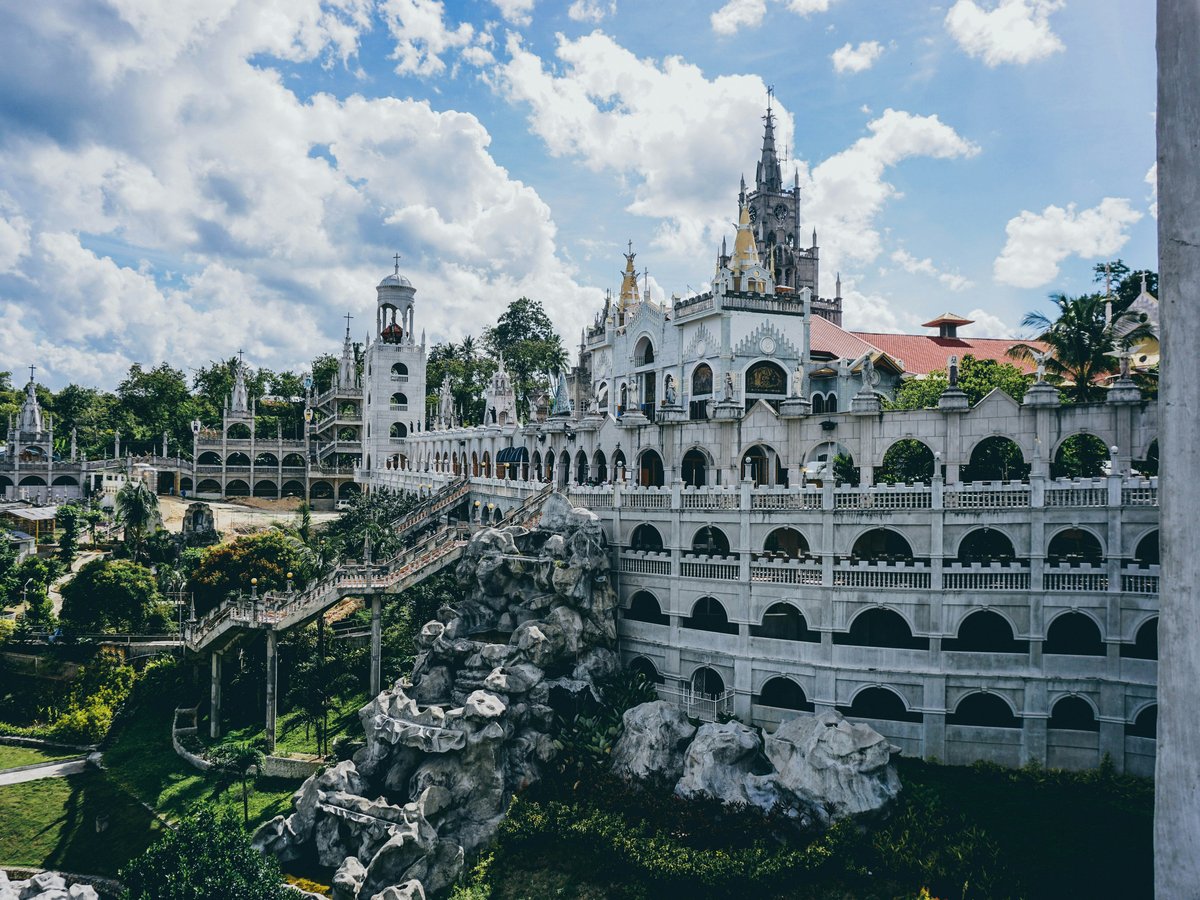
Visitors who know the Cebu City Philippines Temple purely from photographs tend to underrate it. It dates from 2010, which makes it the newest sacred building on this list, and it belongs to the LDS Church. Don't let Cebu's Spanish-era churches set the frame for everything else: this building represents a different faith marking its place in the same city, and it deserves the same respect you'd extend to any working house of worship. Before you go, check the church's official temple page to find out what is open to visitors and when, so you arrive with the right expectations.
Dates from 2010
-
6 Cebu Taoist Temple
A Taoist temple from 1972, open daily 06:00 to 18:00
The Cebu Taoist Temple opens at 06:00 and stays open until 18:00 every day of the week. It is a Taoist temple built in 1972, young by this city's standards, but it carries a tradition the colonial-era sites have nothing to say about. Skip the late-afternoon rush when visitors squeeze it in before closing; come early, when the place is yours to move through at your own pace. Remember that you are a guest at a working temple, so give anyone there to worship the room they need. If your Cebu day has room for one non-Catholic site, make it this one.
Dates from 1972
Hours: Mo-Su 06:00-18:00
-
7 Magellan Monument
An 1866 monument to Ferdinand Magellan in Mactan
Out in Mactan, the Magellan Monument is dedicated to Ferdinand Magellan and dates from 1866, a nineteenth-century answer to a much older story. Read it as a document of how its builders chose to remember, not simply as a marker of what happened. We wouldn't make a separate trip for it alone; build a Mactan afternoon around it, take your time with the monument itself, and think about who commissioned it and for whom. Monuments say as much about the people who raised them as about the person they honour, and this one rewards that kind of attention.
Dates from 1866
-
8 Matilda L. Bradford Memorial Church
85 Osmeña BoulevardA historic church dating from 1913
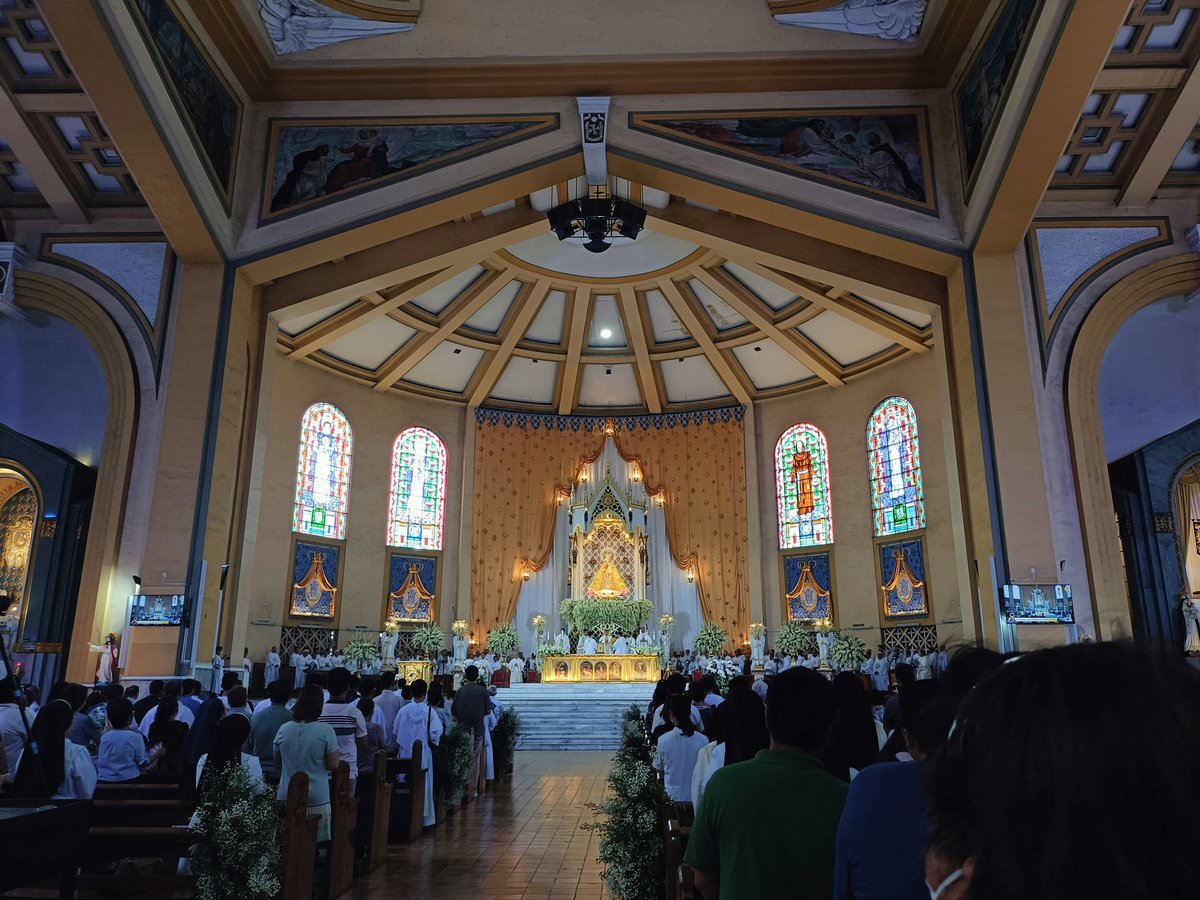
The Matilda L. Bradford Memorial Church at 85 Osmeña Boulevard carries a date of 1913, and it holds a twentieth-century chapter of Cebu City's religious life that the Spanish-era landmarks leave out. The rushed church-hopping circuit that ticks off steeples without looking at any of them is not what this address deserves. Give it a deliberate stop. Look at what the building says about the period it comes from and how different it feels from the older churches. For a visitor trying to read Cebu as layers rather than a single story, this is where the next layer shows.
Dates from 1913
-
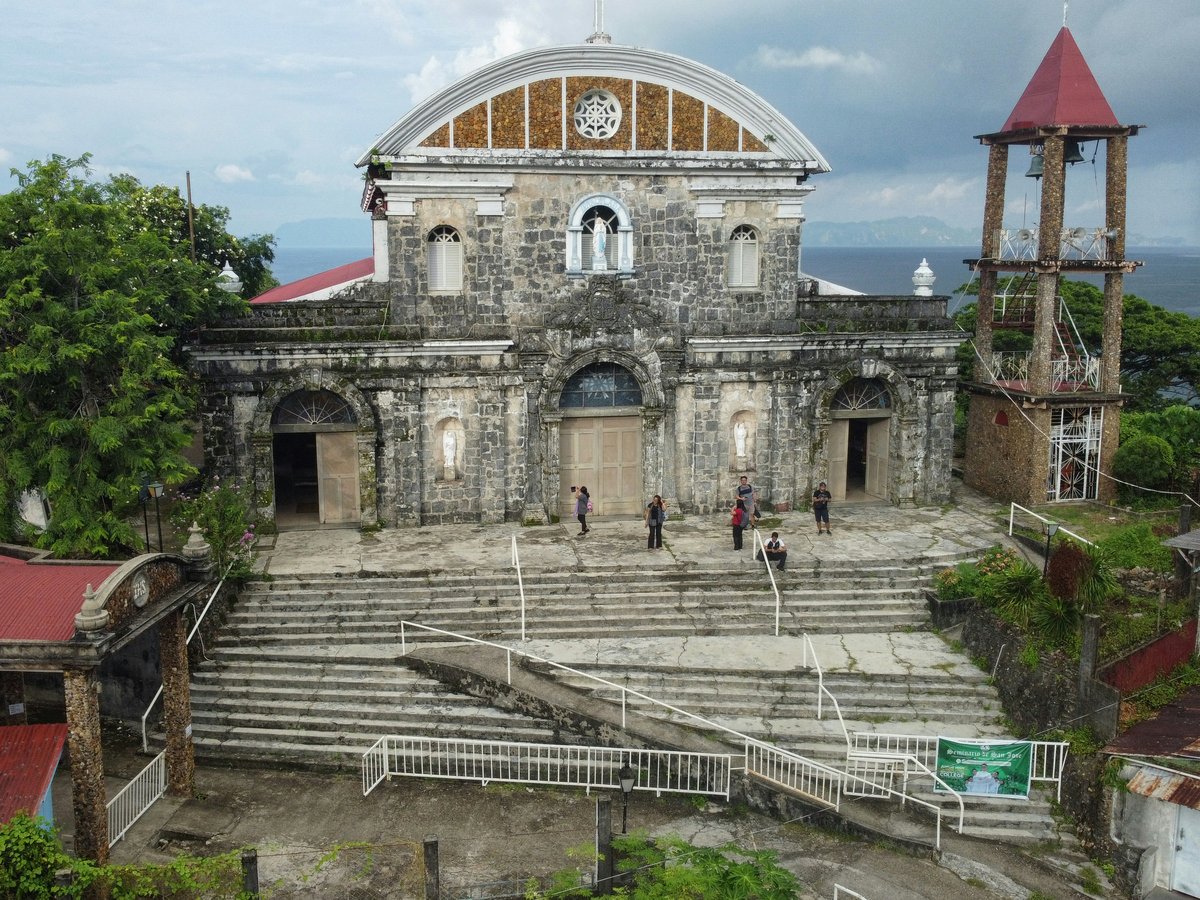
9 Archdiocesan Shrine of Santa Teresa de Avila
V. H. Garces Street, PoblacionAn 1848 Roman Catholic church in Graeco-Roman style in Talisay City
A Graeco-Roman architectural style is not what most people expect from a Cebu parish church, and that surprise is why the Archdiocesan Shrine of Santa Teresa de Avila earns its place. The church is Roman Catholic and sits in Talisay City, on V. H. Garces Street in Poblacion, and dates from 1848. Don't let the assumption that everything worth seeing sits inside Cebu City proper keep you from making the trip. The short journey pays you in a style the rest of this list does not offer. Go when it is quiet, dress as you would for any active church, and give yourself time to take in the whole building.
Dates from 1848
-
10 Lapulapu Monument
A monumental statue of Lapulapu in Mactan, dating from 1981
The Lapulapu Monument stands in Mactan, a statue of Lapulapu dating from 1981, and the year itself is part of the point. This is a late-twentieth-century work, one that shows a nation choosing whose story stands tallest. Skip the reading of Cebu's history that begins and ends with arriving ships; this statue is the counterweight. Come in softer light if you can, when you can look at the scale without squinting. Read the size as an argument. A monument raised this large was making a point, and the point is the reason to come.
Dates from 1981
-
11 Liberty Shrine
A public park and memorial in Mactan
Treat the Liberty Shrine as what it is on paper, a public park and memorial in Mactan, and you will get more from it than visitors who arrive expecting a museum. Open ground comes first here: a place to walk, sit, and take stock after a day of churches and forts. It is not worth cramming into a coach-tour stop with ten minutes on the clock. Give it an unhurried late afternoon instead, when the heat has eased and there is no reason to rush. Let it close your Mactan circuit rather than open it. A memorial set in a park asks you to slow down, and that is the right note to end a Cebu day on.
This is an early version of the Cebu list. We add picks as we test more places.
Last verified by automated review (v1.7.2_nonsight1017-1015-4601-20261017104304) on . What is automated review?