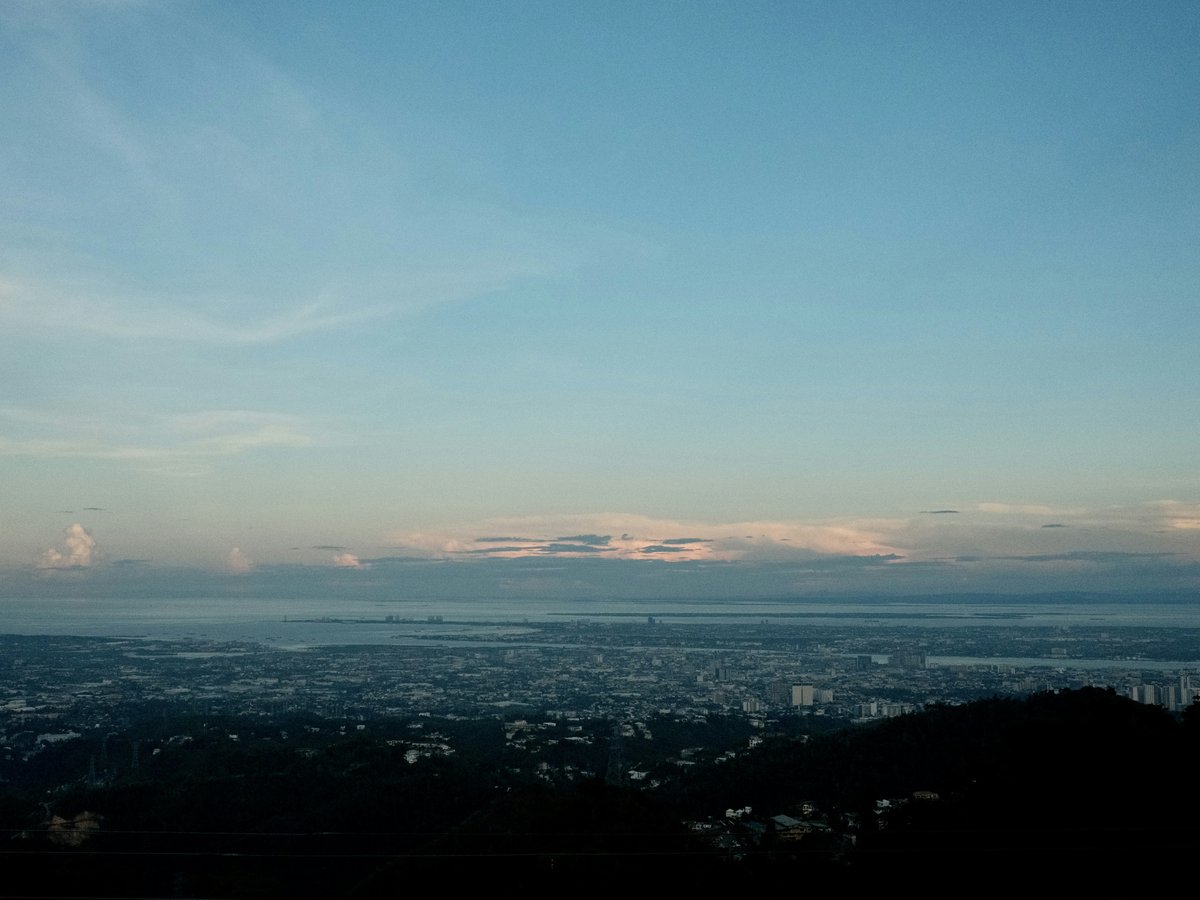
Cebu's position as a trading port predates the construction of Fort San Pedro in 1565, and commerce still defines the city's rhythm. Guitar workshops on Mactan Island have been producing handmade instruments for well over a century, and the dried-seafood depot at Taboan ships vacuum-sealed danggit and pusit across the Visayas and to Manila every morning. Traditional Cebuano sweets fill pasalubong shops from Colon Street to Mandaue. Otap, the brittle layered puff pastry, sits alongside ring-shaped rosquillos and dense peanut masareal on every shelf. At the current rate of roughly 62.73 pesos to the US dollar, market-stall prices tend to feel generous if you carry foreign currency, though mall shopping tracks closer to international norms. Most travelers pass through SM City Cebu or Ayala Center for familiar brands, but the guitar workshops in Lapu-Lapu City and the dried-goods stalls near the port are where Cebuano families direct their own spending.
Shopping districts
-
Colon Street and Downtown Cebu
budgetColon Street claims the title of the oldest street in the Philippines, and the blocks radiating out from it still function as Cebu's most concentrated budget-shopping zone. Narrow storefronts sell clothing, accessories, and electronics at prices that run well below mall equivalents. The area gets noisy and crowded by mid-morning, especially on weekends, when street vendors spread phone cases, sunglasses, and snacks along the sidewalks. The Minor Basilica of the Holy Child, founded in 1739, sits a few blocks away, and shoppers often combine a visit to the church with a browse through the surrounding stalls. To be fair, the area can feel overwhelming for first-time visitors, but the stores closest to the Basilica tend to stock the widest selection of pasalubong sweets.
Best for: Bargain clothing, accessories, pasalubong sweets, and budget electronics
-
Ayala Center Cebu and Cebu Business Park
mid-range to upscaleAyala Center Cebu anchors the Business Park district in the uptown part of the city. International brands share floor space with Philippine chains like Bench and Penshoppe. The Terraces wing opens onto an outdoor dining area lined with restaurants, and a Rustan's department store covers the higher end of the market. The air conditioning runs cold, a welcome contrast to the humidity, which currently hovers around 84% outdoors. The clientele here tends to skew toward BPO professionals from the nearby IT Park and families from the Lahug and Banilad neighborhoods.
Best for: International brands, Philippine designer labels, and sit-down dining
-
SM City Cebu
mid-rangeSM City Cebu sits in the North Reclamation Area and has been the default mall for many Cebuano families since it opened. The tenant mix leans mid-range, with SM Department Store and Uniqlo occupying prominent positions alongside Watsons and Mercury Drug. Weekend foot traffic is heavy, particularly around the food court on the lower levels. The supermarket draws shoppers who combine weekly grocery runs with retail browsing, and the parking structure fills quickly after noon on Saturdays.
Best for: Everyday shopping, groceries, family outings, and department-store basics
-
SM Seaside City Cebu
mid-range to upscaleSM Seaside City opened in 2015 on the South Road Properties reclamation area and tends to feel more spacious than the older SM City. The layout is circular, which means you'll likely walk further between stores than you planned. It draws a slightly younger crowd and has more dining options per square meter than its older counterpart. An IMAX cinema and ice-skating rink fill the entertainment side. The SRP location puts it closer to the Talisay City boundary than to downtown, and getting here from the old city center usually takes 20 to 30 minutes by taxi.
Best for: Weekend outings, entertainment, newer retail tenants, and waterfront dining
-
Mactan Island Guitar and Craft District
budget to mid-rangeThe barangays along the main roads of Lapu-Lapu City on Mactan Island are where Cebu's guitar industry concentrates. Workshops here produce classical, acoustic, and ukulele models from local tanguile and jackfruit wood. Shell-craft shops line the same roads and sell jewelry, capiz-shell lampshades, and ornamental items. The area near the Mactan Shrine, where the Lapulapu Monument has stood since 1981, has a particularly high density of craft stalls. You might notice the distinct smell of wood shavings and lacquer as you walk between workshops. Many of these operations are family-run and have been in the same households for two or three generations.
Best for: Handmade guitars, ukuleles, shell crafts, and mother-of-pearl jewelry
Markets
-
Carbon Market
public marketDowntown Cebu's oldest and largest public market spreads across several buildings near the southern end of Colon Street. The main hall sells fresh produce, meat, and seafood, while vendors call out prices in Cebuano over the general din. Separate sections handle clothing, household goods, and dried goods. The crowds peak between 6 AM and 10 AM, and the aisles get tight with pushcarts and shoppers hauling bags. The market's name comes from the coal depot that occupied this site during the American colonial period. Mango prices here tend to run lower than anywhere else in the metro area.
Daily, from before 5 AM to late afternoon
-
Taboan Public Market
dried goods and foodTaboan sits near the port area and specializes almost entirely in dried seafood. Danggit (dried rabbitfish), pusit (dried squid), and dried mango are the three staples, and vendors stack them in clear bags from floor to ceiling. The smell is immediate and sharp, a mixture of salt and sea that sticks to your clothes. Cebuano families buy their pasalubong here in bulk before flying to Manila or other provinces, so the prices reflect wholesale-adjacent volumes rather than tourist markup. Buyers who arrive before midday tend to find the fullest selection.
Daily, morning through afternoon
-
Sugbo Mercado
night food marketSugbo Mercado operates as a night food market inside IT Park, the BPO district in Lahug. Stalls set up on select evenings, often from around 5 PM until close to midnight. Lechon belly sizzles on grills, plastic utensils clatter, and conversation from dozens of packed tables fills the gaps. You'll find grilled seafood, Korean corn dogs, local ramen variations, and Cebuano street food sold by the plate. The crowd is a mix of call-center workers finishing shifts and families out for dinner. Prices per dish tend to run between 100 and 300 pesos.
Select evenings, typically Thursday through Sunday, from around 5 PM
-
Pasil Fish Market
fish marketPasil Fish Market operates in the Pasil neighborhood, a fishing community along the waterfront south of downtown. The market is smaller and quieter than Carbon but gets its stock directly from the boats that dock a few steps away. Early morning between 4 AM and 7 AM is when the catch comes in, and locals buy tuna, bangus (milkfish), and shellfish at prices that tend to undercut the bigger market by a noticeable margin. Mind you, this is a working fish market, not a tourist stop. Expect wet concrete floors and the heavy mineral smell of the sea. The stalls tend to empty out well before noon.
Daily, best between 4 AM and 7 AM
Souvenirs worth bringing home
Mactan-made guitars are likely the most distinctive purchase you can make in Cebu. Even a modest workshop instrument tends to have better tonewoods and construction than factory-produced models at similar prices, and a playable acoustic typically starts around 2,000 to 5,000 pesos. Shell-craft items from the same island, capiz-shell lampshades and mother-of-pearl jewelry in particular, travel well and pack light. For edible pasalubong, dried mangoes from Cebu are famous across the Philippines and abroad. Danggit from the dried-seafood market near the port makes a strong breakfast souvenir if you can handle the lingering smell in your luggage. The traditional Cebuano sweets mentioned in the overview pack flat, keep for weeks, and cost far less at bakeries in Mandaue and Liloan than at airport shops. For something more unusual, look for handwoven hablon textiles from the Argao area, about 70 kilometers south of the city. Argao's weavers produce these on backstrap looms using patterns that have been handed down within families for generations.
Practical tips
- Bargaining
- Bargaining is expected at the public markets and the Mactan guitar workshops. Start your counter-offer at roughly 60% of the first price and expect to settle somewhere around 70% to 80%. Vendors in these settings price for negotiation, so the asking figure is rarely the real floor. In malls and chain stores, prices are fixed. A friendly, unhurried manner tends to get you better results than aggressive haggling.
- Payment methods
- Cash in Philippine pesos remains the most reliable way to pay in markets and small shops. GCash, the dominant mobile wallet in the Philippines, has been adopted by a growing number of market vendors and is standard in malls. You can load it at any 7-Eleven or Cebuana Lhuillier branch with a Philippine SIM card. Maya (formerly PayMaya) is the second option. International credit cards, primarily Visa and Mastercard, work at malls and branded restaurants but are rarely accepted at public markets. ATMs from BDO, BPI, and Metrobank sit inside every major mall. Wikivoyage's Cebu guide covers additional currency and banking details (https://en.wikivoyage.org/wiki/Cebu#Cope).
- Opening hours
- Malls in Cebu generally open at 10 AM and close by 9 PM on weekdays, with some extending to 10 PM on Fridays and weekends. Public markets follow the opposite pattern. They start before dawn and wind down by afternoon. Plan market visits for early morning to get the widest selection and avoid peak heat.
- Tax refunds
- The Philippines does not currently operate a streamlined VAT refund program for tourists at point of sale, unlike Thailand or Singapore. Duty-free shopping is available at Mactan-Cebu International Airport's Terminal 2 before departure. Keep receipts from larger purchases, but don't plan your shopping itinerary around getting a refund.
- Packing dried goods for travel
- If you buy dried fish or squid from the markets, ask vendors to vacuum-seal your purchases. Most of them do this at no extra cost. Pack vacuum-sealed dried goods in checked luggage rather than carry-on, because airport security will flag anything that looks like loose food. A second layer of plastic over the sealed bags helps contain the smell and protects the rest of your clothing.
FAQ
Is it safe to shop at Cebu's open-air markets?
Keep valuables in front pockets and avoid displaying large amounts of cash, particularly in the more crowded downtown areas. Cebu's solo-traveler safety sits at 5.2 out of 10 (see the TTDI Solo-Safety Index), and awareness of your surroundings in tight market crowds is the main thing to manage. Violent crime against shoppers is uncommon, but phone snatching does happen. Travel with a companion if possible and carry only the cash you plan to spend. Wikivoyage's safety section covers broader precautions beyond shopping (https://en.wikivoyage.org/wiki/Cebu#Stay_safe).
Can I bring dried fish and seafood home on an international flight?
It depends on your destination country's customs rules. Most Southeast Asian countries allow dried seafood in checked luggage without issues. Australia, New Zealand, and parts of the EU tend to restrict dried animal products more strictly. Have your purchases sealed by the vendor, pack them in checked bags only, and declare them at customs on arrival. Domestic flights within the Philippines have no restrictions on dried goods.
Are Mactan guitars good enough for serious musicians?
The better workshops on Mactan produce concert-grade classical and acoustic guitars from local tonewoods like tanguile and jackfruit. Quality varies significantly between operations, so always play the instrument or have someone knowledgeable test it before you commit. Check neck straightness, listen for fret buzz across all positions, and test tuning stability. A ukulele is a more portable alternative that still carries the Mactan craft tradition, and they fit in overhead bins without trouble.
How do I get between Cebu's different shopping areas?
The downtown markets and Colon Street sit close enough to walk between. The SRP malls and Mactan Island require a vehicle to reach. Grab is the most convenient option and shows fare estimates upfront. Metered taxis are an alternative, but confirm the driver will use the meter before you get in. Jeepneys run fixed routes throughout the metro area at fares starting around 13 pesos per ride. Wikivoyage maps out Cebu's transit options and fares in more detail (https://en.wikivoyage.org/wiki/Cebu#Get_around).
What does pasalubong mean and where do locals buy it in Cebu?
Pasalubong is the Filipino custom of bringing food gifts home from a trip, and Cebu takes it seriously. The highest concentration of dedicated pasalubong shops sits along the main road between the airport and the city center, though locals generally consider those shops overpriced. Cebuano families tend to buy directly from the source markets and neighborhood bakeries, where prices run lower and the products are fresher. The dried-seafood market and the Mandaue-area bakeries are where the locals themselves go before a flight.
Last verified by automated review (v1.7.2) on . What is automated review?