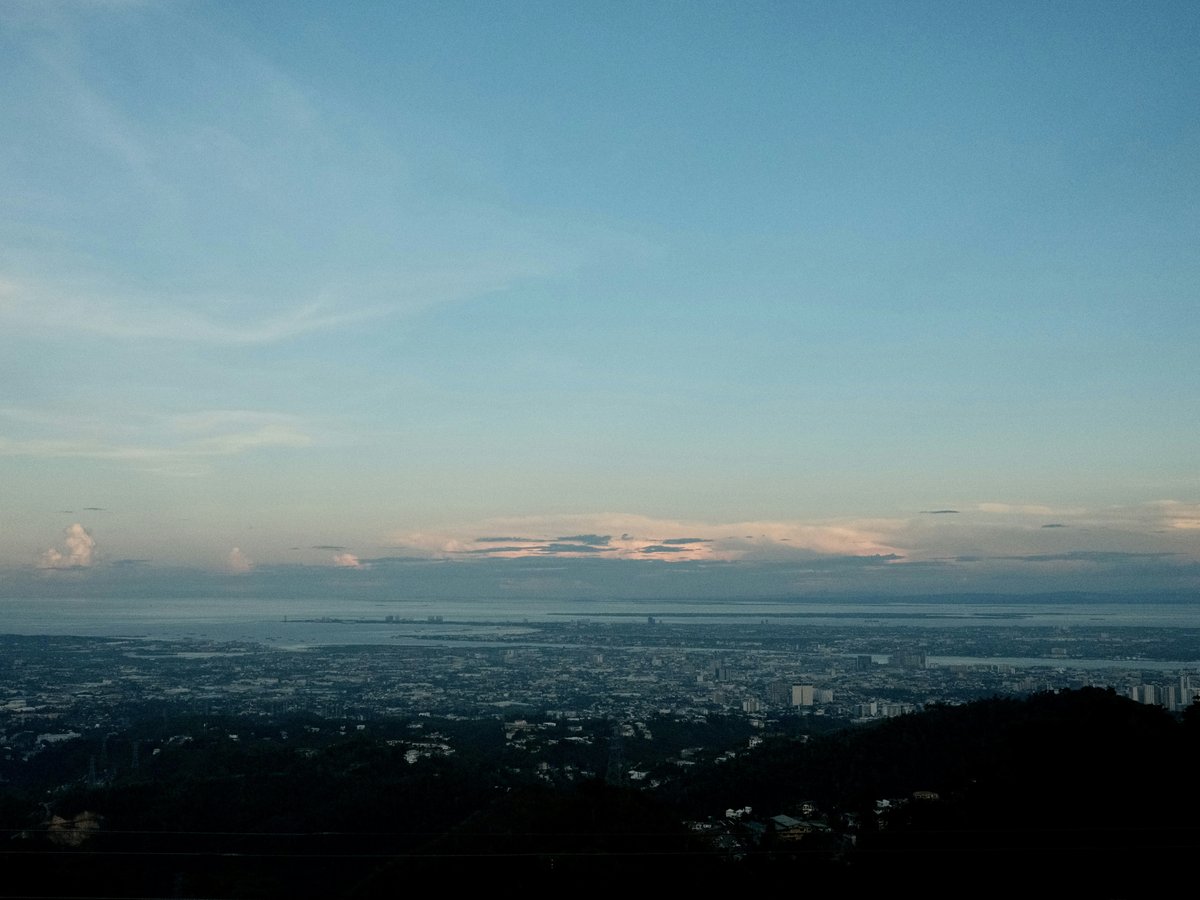
Cebu's nightlife tends to start late and run later. Most locals won't head out until around 10 PM, and clubs don't fill up until closer to midnight. The after-dark character here is shaped by a deep Filipino tradition of communal drinking called tagay, where one glass gets passed around a circle and refilled from a shared bottle of rum or brandy at the center of the table. Since the early 2010s, a younger BPO and IT workforce has layered cocktail lounges and bottle-service spots on top of that older culture. You'll find a city that drinks more Red Horse beer than wine, where live cover bands draw bigger crowds than DJs most nights, and where karaoke counts as a legitimate Friday plan. The scene concentrates along General Maxilom Avenue (everyone still calls it Mango Avenue) and the IT Park district in Lahug. Currently, evening temperatures sit around 27.5°C with overcast skies and 84% humidity, so open-air drinking feels like the natural default.
Where Cebu Drinks
The cocktail bar scene in Cebu has grown steadily since the mid-2010s. It concentrates in IT Park and the Cebu Business Park area near Ayala Center. You'll find places that mix local calamansi and dalandan citrus into gin-based drinks, or work with lambanog, a coconut spirit, in tiki-style preparations. Prices tend to run 250 to 450 PHP per cocktail at these spots. For a broader survey of Cebu's drinking options, Wikivoyage's guide (https://en.wikivoyage.org/wiki/Cebu#Drink) covers more across the city. Dive bars are the backbone of Cebu's drinking culture, though. Mango Avenue has rows of them, and so do the side streets off Colon Street downtown. Expect plastic chairs, a shared table, San Miguel Pale Pilsen in sweating bottles, and a pulutan spread of grilled pork belly, sisig, or dried fish. A bucket of 5 San Miguel bottles at a Mango Avenue dive might run 300 to 400 PHP. Rooftop bars sit mostly atop hotels in uptown Lahug and the business district. They draw the international crowd, with imported spirits, cocktails closer to 350 to 550 PHP, and occasional dress codes requiring closed-toe shoes. Wine bars are rare in Cebu compared to Manila. The few that exist cluster around Banilad and the Crossroads area, catering to expats and the small fine-dining community. A glass of imported wine often starts around 300 PHP. To be fair, Cebu's bar culture is heavily group-oriented. Nobody will bat an eye if you arrive alone, but locals almost always come in groups of 4 or more. That communal glass-passing tradition means a shared bottle at the table is standard at most Cebu dives. Individual cocktail orders are a newer habit, concentrated in the upscale IT Park spots.
Clubs and Dance Floors
Cebu's club scene has been centered on Mango Avenue for years. A newer crop of venues in IT Park is gaining ground with the after-work BPO crowd. The dominant sound is EDM and commercial hip-hop, with Filipino pop remixes on local-heavy nights. Weekend DJs in Cebu lean toward house and progressive. Weeknight sets sometimes drift into reggaeton or K-pop, and the mix depends on who shows up. Dress codes are relaxed by Southeast Asian standards. Most clubs along Mango Avenue allow jeans and sneakers. A handful of spots in hotel lobbies and uptown Lahug require collared shirts, but these are the exception. Flip-flops will get you turned away at Mango Avenue clubs and IT Park lounges alike. Peak hours run from midnight to 3 AM on Fridays and Saturdays. Before midnight, expect half-empty dance floors and cheaper drink deals. Some Mango Avenue venues stay open until 4 or 5 AM, but the crowd thins hard by 3:30 AM. Many places along Mango Avenue skip cover charges entirely on weeknights. Weekend entry at Cebu clubs tends to be modest and often includes 1 or 2 drinks. Ladies' nights on Wednesdays and Thursdays are still common, with reduced entry for women. Bottle service is popular among Cebu's local nightlife crowd. Groups of 8 or 10 book a table and split the cost, which runs cheaper per person than individual cocktails. Mind you, this means some Mango Avenue clubs feel more like private-table territory than open dance floors. If you want room to move, the window between 10 and 11 PM gives you the most floor space.
Live Bands and the Cebu Sound
Cebu might have the strongest live-band culture of any Philippine city outside Manila. Cover bands here play 4- to 5-hour sets that range from Journey and The Eagles to current Billboard hits, often with tight harmonies and sharp guitar work that fills the room. This tradition dates to at least the 1970s, when Cebu's hotel lounges became training grounds for Filipino musicians. Many of those performers went on to work hotel circuits across Singapore, Hong Kong, and Dubai. The best nights for live music are Fridays and Saturdays, though some venues in IT Park and along Mango Avenue run bands 6 nights a week. Genres lean heavily toward classic rock, OPM (Original Pinoy Music), and pop covers. For original Filipino music, smaller spots in the Lahug and Capitol Site areas tend to host singer-songwriters on quieter weeknights, when crowds are thinner and acts get more room to experiment. Bisaya rock, sometimes called Bisrock, is the local genre to know. These bands sing in Cebuano and blend rock, reggae, and folk influences. The style has a loyal following across the Visayas and Mindanao, though it gets less commercial visibility than Manila-based OPM. Karaoke is its own category in Cebu. KTV rooms range from high-end private suites in the business district to coin-operated machines outside neighborhood sari-sari stores. Groups typically rent a private room for 2 to 4 hours. Hourly rates across Cebu run from around 200 PHP at basic rooms to 800 PHP at upscale spots.
Nightlife neighborhoods
-
Mango Avenue (General Maxilom Avenue)
Cebu's original nightlife strip. It runs about 2 kilometers through the heart of the city. Loud on weekends, with neon reflected in rain-wet asphalt, charcoal smoke from isaw vendors between the bars, and a mix of locals, expats, and tourists pressed together after 11 PM. Bass from competing sound systems bleeds across the strip after midnight.
- Best for
- Group nights out on a budget, bar-hopping along the 2-kilometer strip, and late-night eating between rounds.
-
IT Park, Lahug
A newer district that fills with BPO workers when shifts end at 10 or 11 PM. Sleeker bars than Mango Avenue, with warmer lighting, more craft cocktails, and the smell of grilled meat from late-night food stalls between the buildings. The walkable blocks make it easy to move between spots without a Grab ride.
- Best for
- Weeknight drinks with the Cebu BPO crowd, cocktail bars, and late-night dining past midnight.
-
Banilad and Crossroads
Quieter and more residential than the Mango Avenue or IT Park strips. Wine bars, bistros, and lounge-style spots occupy commercial spaces along Governor M. Cuenco Avenue. The crowd tends toward expats, university faculty from the nearby University of San Carlos campus, and couples.
- Best for
- Relaxed evenings, wine by the glass, conversation with Cebu's expat community, and early dinners that drift into cocktails.
-
Downtown Cebu (Colon Street and Parian)
The oldest part of the city, where Fort San Pedro has stood since 1565 and the street grid still follows Spanish colonial lines. Nightlife here is scrappier than Mango Avenue. Fluorescent-lit karaoke rooms, neighborhood spots where the TV plays PBA basketball, and a grittier feel after dark. Not a tourist nightlife zone, but a window into how Cebuanos drink in their own barrios.
- Best for
- Local immersion, cheap San Miguel bottles, and karaoke in Cebuano.
-
Mactan Island
The scene is resort-driven and beach-facing, with hotel bars, seaside lounges, and the occasional beachfront party along the Punta Engaño coastline. The crowd draws largely from the island's resorts and nearby Mactan-Cebu International Airport hotels. Things wind down earlier here than on the mainland, often by midnight or 1 AM. The 1981 Lapulapu Monument near the shore is a useful landmark for getting your bearings.
- Best for
- Sunset drinks at seaside bars, a mellow alternative to Cebu City's main strips.
Safety after dark
TTDI rates Cebu's solo-traveler safety at 5.2/10 (see the TTDI Solo-Safety Index), so the nightlife areas come with a few things to keep in mind.
Use Grab for rides home after dark. Metered taxis exist, but some drivers along Mango Avenue refuse the meter or quote inflated fares after midnight. Set your Grab destination before you leave the bar, and the fare negotiation disappears. For broader transport options, Wikivoyage's guide (https://en.wikivoyage.org/wiki/Cebu#Get_around) covers local transit.
Don't leave your glass unattended in Cebu's crowded bars. Don't accept opened bottles from strangers on Mango Avenue or anywhere else. Sealed beers and cocktails you watched being made are the safest choices in any Southeast Asian nightlife setting.
The Mango Avenue strip after 2 AM can get rowdy, with the occasional scuffle between drunk groups. Petty theft is more common than violent crime in Cebu's nightlife districts. Keep your phone and wallet in front pockets, especially on the more crowded stretches of General Maxilom Avenue. ATM withdrawals are safest at machines inside malls like Ayala Center or SM City Cebu.
LGBTQ+ friendliness in Cebu scores 4.5/10 (sourced from TTDI's editorial rubric). That said, the Philippines is generally more tolerant than many Southeast Asian countries on this front. Cebu is more conservative than Manila, though. Same-sex couples may attract stares in local Cebu neighborhood bars outside the main strips. The more international spots in IT Park and Banilad tend to be more comfortable.
For broader safety considerations, Wikivoyage's safety section (https://en.wikivoyage.org/wiki/Cebu#Stay_safe) covers general precautions for the city.
Practical tips
- Currency
- The Philippine peso (PHP) is the only currency accepted at Cebu bars and clubs. At 1 USD to 62.73 PHP (September 2026 rate), a 300 PHP cocktail works out to roughly 4.80 USD. Cash is the only option at most Mango Avenue dives and street-side spots. Most upscale bars in IT Park and Cebu Business Park accept credit cards.
- Tipping
- Tipping at bars in Cebu is not expected but appreciated. A round-up of 20 to 50 PHP, or about 10% at cocktail bars, is generous by local standards. Check your bill at Cebu restaurants first. Many restaurants and some bars in the business district add a 10% service charge automatically.
- Drinking Age
- The legal drinking age in the Philippines is 18. Enforcement varies across Cebu. Bars along Mango Avenue and in IT Park occasionally ask for ID, especially from younger-looking patrons. A photocopy of your passport's data page is common practice among foreign visitors.
- Peak Days
- Most Cebu bars open between 5 and 7 PM, but real crowds arrive after 10 PM. Sunday nights are the quietest across the city. Thursday has grown as a going-out night among BPO workers, particularly in IT Park. Friday and Saturday remain the busiest.
- Food and Drinking Customs
- Food and alcohol go together in Filipino culture, and you'll rarely see a Cebu bar table without a plate beside the bottles. Common accompaniments at Cebu's local dives include grilled pork, fried squid, and chicharon. Your tab at a Mango Avenue bar may include food whether you ordered it separately or not.
- Language
- Cebuano (Bisaya) is the primary language in Cebu's nightlife scene. Most locals switch to Filipino or English when they notice a foreign visitor. Basic Cebuano phrases earn goodwill at local bars. For communication and language tips, Wikivoyage covers the basics (https://en.wikivoyage.org/wiki/Cebu#Cope).
FAQ
What time does Cebu's nightlife pick up?
Cebu runs on a late schedule. Most bars along Mango Avenue and in IT Park stay quiet until late evening. The weekend scene builds from around 11 PM onward, and the liveliest window is after midnight. Thursday nights in IT Park have become an unofficial start to the weekend for the BPO crowd.
Is it safe to walk around Cebu at night?
The main nightlife corridors like Mango Avenue and IT Park are generally safe with standard precautions. Use Grab for rides home rather than flagging taxis on the street. Keep valuables secure, especially on the busier stretches of General Maxilom Avenue. Side streets in downtown Cebu and around the port area deserve more caution after 1 AM.
What do locals drink in Cebu?
Beer dominates Cebu's bar tables, with strong local lagers on nearly every surface. Filipino brandy and rum are the group-drinking spirits of choice, usually shared from a single bottle. Cocktail culture is growing in IT Park and the business district but hasn't displaced the older traditions. Tuba, a fermented coconut sap traditional to the Visayas, is harder to find in bars than at local markets but worth trying if you come across it.
Are there LGBTQ+-friendly bars in Cebu?
Cebu has fewer dedicated LGBTQ+ spaces than Manila. The international crowd at bars in IT Park and Banilad tends to be welcoming. Filipino culture leans toward personal warmth on an individual level, and most bar staff will be hospitable. Same-sex couples should be aware that bars in areas like Colon Street and Parian may feel less comfortable than the IT Park scene.
How much should I budget for a night out in Cebu?
A casual night at Mango Avenue dives might cost 500 to 800 PHP per person for beer and food. A cocktail-bar evening in IT Park runs closer to 1,500 to 2,500 PHP with food. Club nights with bottle service split among a group can vary widely, but 500 to 1,000 PHP per person covers a shared table and bottle at most spots. Cebu is affordable by regional standards, especially compared to Bangkok or Singapore.
Last verified by automated review (v1.7.2) on . What is automated review?