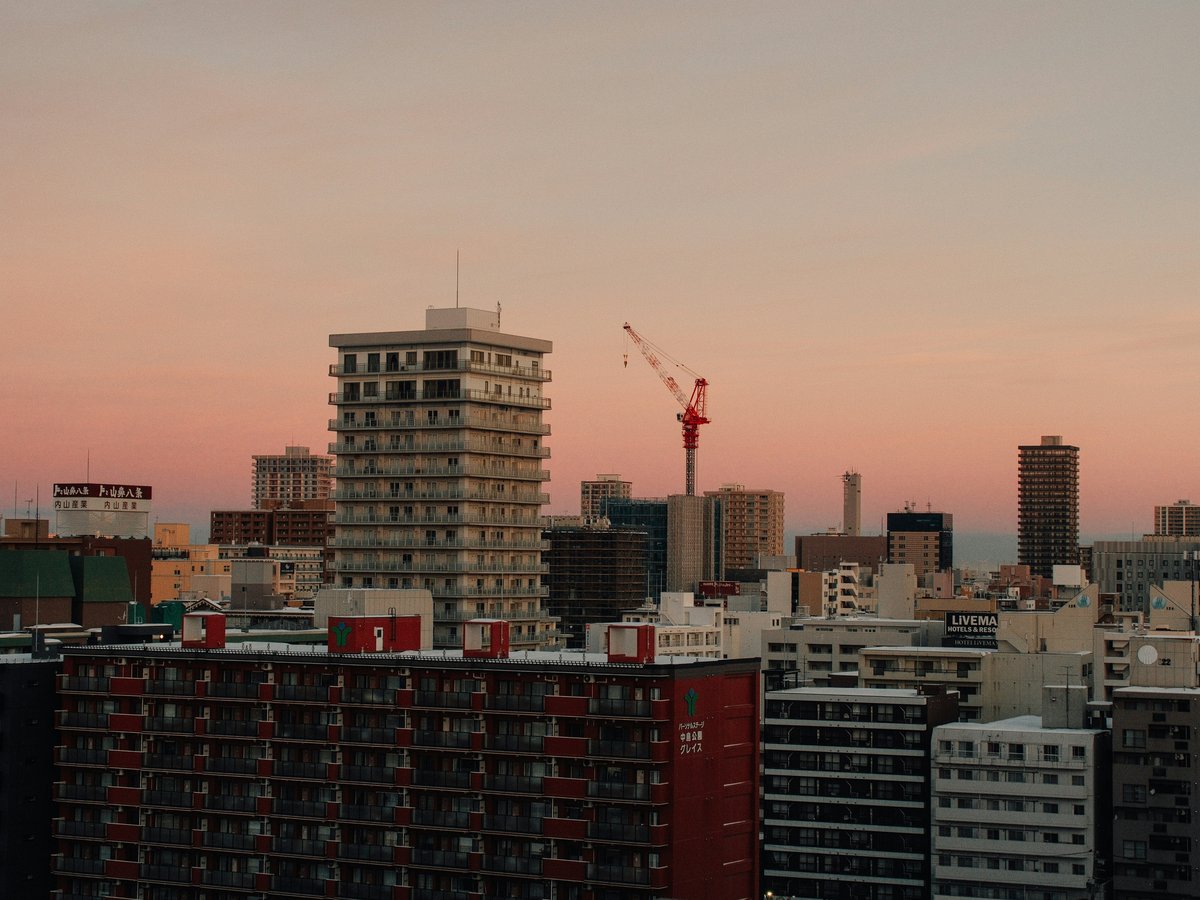
Is Sapporo good for digital nomads in 2026?
Sapporo scores 6.8/10 for digital nomads (sourced from TTDI's editorial rubric). Newer apartments with fibre run to the unit test 300 to 600 Mbps, a furnished monthly flat costs ¥120,000 to ¥180,000, and the Sapporo Library and Information Center has free desks. Budget about $1,700 a month. Most Western passports get 90 visa-free days, but Japan's nomad visa requires ¥10 million in annual income.
Your neighbourhood decides how the month goes. Nakajima-koen and the blocks south of Susukino sit on the Namboku Line, two stops from Odori, with Max Value supermarkets and coin laundries filling most corners with warm, faintly soapy air, and a furnished monthly apartment there usually costs ¥120,000 to ¥150,000. Maruyama, around Nishi 18-chome on the Tozai Line, is quieter, smelling of roasting beans near the Hokkaido Jingu approach, though rents climb toward ¥180,000. Kita 18-jo, beside Hokkaido University, is the budget pick, with student laundromats humming at midnight and ramen under ¥1,000. Don't stay in Susukino itself. By week two, the touts and the 4 a.m. taxi horns wear thin. Before booking, ask the host in writing whether the building uses VDSL. Many Chuo-ku mansions from the 1980s and 1990s bring NTT fibre to the basement and run old copper phone wiring up to each flat, which caps you near 100 Mbps and can drop to 30 Mbps at 9 p.m. Ask for a fast.com screenshot taken in the evening.
For a desk, start with the Sapporo Library and Information Center at Kita 1 Nishi 1, inside the Sapporo Shimin Koryu Plaza: a business library with outlets, free wifi, and the low rustle of turning newspaper pages. The work seats tend to fill by mid-morning on weekdays. Biz Comfort has several Sapporo branches with monthly plans that usually cost ¥10,000 to ¥20,000, and EZOHUB SAPPORO draws a startup crowd. The Regus centres near Sapporo Station cost more and feel like a corporate lobby. Cafes are the weak link. Morihiko in Maruyama serves a dark, slightly smoky drip in a creaking wooden house, but staff discourage laptops, so go there to read. Tully's branches around Odori will put up with about two hours of work, until the 3 p.m. shopping crowd arrives. In winter, the Chi-Ka-Ho underground walkway between Sapporo Station and Odori has benches and free city wifi, and it stays dry when the pavements above turn to packed ice.
Arrive in May or October. From December to March, heating adds ¥15,000 a month, and in the older flats still running on kerosene heaters, the faint smell of paraffin works its way into your clothes. Monthly rates around Odori Park jump during Snow Festival week in early February. In the early hours of 19 October it was 10.6°C in heavy drizzle and felt like 7.2°C, which is a fair preview of November. Groceries run cheap for Japan: Seicomart, Hokkaido's own convenience chain, sells hot katsudon cooked in-store for about ¥500, and a weekly shop at Aeon runs ¥8,000 to ¥10,000. At 158 yen to the dollar, ¥270,000 covers rent, coworking, food and subway fares for a month. The 90-day entry stamp is the usual trap: officers at New Chitose Airport do question travellers who fly to Seoul and come back the same week, and some are refused entry.
Composite of cafe + coworking download speeds and reliability.
Apartment, coworking membership, food, and transit at a comfortable level.
Coworking spaces
- Sapporo Library and Information Center (free desks, Kita 1 Nishi 1)
- Biz Comfort Sapporo
- EZOHUB SAPPORO
- Regus Sapporo Station area
Visa options
Most Western passports get 90 visa-free days, and you cannot extend them for remote work. Japan's Designated Activities digital nomad visa, introduced in March 2024, allows a six-month stay and requires annual income of ¥10 million or more, private health insurance, and a passport from one of about 49 eligible countries. You cannot renew it back to back: once it ends, you must leave Japan and wait six months before applying again.
Last verified by automated review (v1.7.2) on . What is automated review?