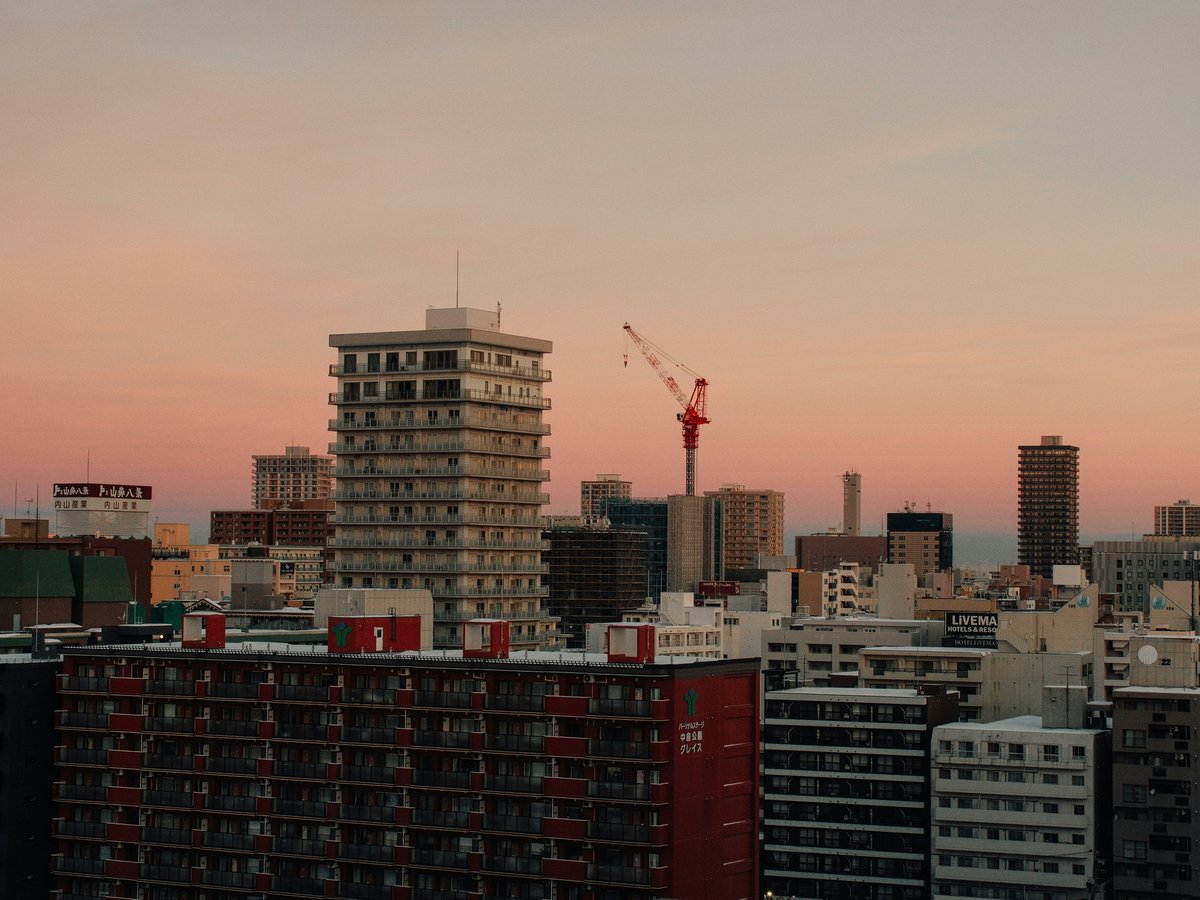
What's happening in Sapporo this week?
Sapporo's weekly rhythm rewards timing. Nijo Market runs daily from 7am for uni and ikura bowls. Miso ramen lines in Susukino's Ramen Yokocho drop midweek. The Hokkaido Museum and most galleries close Mondays. Friday evening switches the city to weekend mode, filling Susukino's izakaya blocks by 9pm.
Sapporo's week has a shape first-timers miss. Monday is dead day. The Hokkaido Museum, founded in 1971, closes its doors, and so do smaller galleries around Sapporo Art Park in Minami-ku. Your best Monday move is Nijo Market, which runs 7 days, or the Sapporo Beer Museum, opened in 1987 inside an old red-brick factory in Higashi-ku. Tuesday through Thursday the city belongs to its residents. The ramen shops have 5-minute waits instead of the 20 to 30 minutes you'll face on weekends. Soup curry spots like Suage+ near Odori take walk-ins without the Saturday crush. The subway feels half-empty. Sapporo runs three lines (Namboku, Tozai, Toho), and a day pass costs ¥830, about $5 at current rates. Friday evening flips a switch. Office workers fill Susukino by 7pm, and by 9pm the izakaya above Tanukikoji arcade are thick with warm yakitori smoke and laughter. Saturday is the busiest day in Chuo-ku. Sunday mornings, families fill Maruyama Park near Maruyama-Koen Station for visits to Hokkaido Shrine.
The food week has its own logic. Nijo Market is the morning anchor. Arrive by 7:30am for the best uni bowls. The stall vendors set out Hokkaido sea urchin, still briny and cold, alongside fat salmon roe that pops between your teeth. A uni-ikura don runs ¥2,500 to ¥3,800 depending on the stall and season. By 10am the tour groups arrive and prices tend to nudge upward. Lunch belongs to miso ramen. Sapporo is where this style started in the 1950s, and the version you'll find at shops along Ramen Yokocho in Susukino is thick, almost chewy broth with a slick of melted lard on top that keeps the heat trapped. The yellow curly noodles are specific to Sapporo. Evening eating splits by neighborhood. Tanukikoji, a covered arcade stretching 7 blocks through Chuo-ku, is good for casual yakitori and draft Sapporo Classic on tap, a Hokkaido-only pour you cannot get in Tokyo. Susukino runs later. Jingisukan, grilled lamb over a dome-shaped iron plate, is the local group-dinner ritual. The sizzle and the smell of rendered fat carry down the block. A plate of lamb at the restaurants along Susukino 4-jo runs ¥800 to ¥1,200.
Sapporo's summer feels like a different country from Tokyo or Osaka. Where those cities sit at 35°C and dripping humidity, Sapporo's daytime highs tend to hover around 24 to 26°C, with mornings that can dip below 17°C. The overcast days carry a dampness, but the air lacks the crushing weight of a Honshu summer. Odori Park, the 1.5-kilometer east-west corridor first laid out in 1869, keeps the outdoor rhythm. Sunday joggers circle it by 6am. By noon on weekdays the grass fills with office workers eating convenience-store onigiri. Afternoon clouds typically build between 2pm and 4pm, and a light rain might pass through, but it rarely lasts more than 40 minutes. Okurayama Ski Jump Stadium, built in 1931 and expanded for the 1972 Winter Olympics, sits 20 minutes west by bus from Maruyama-Koen Station. The observation deck at 307 meters gives you the full grid layout and the Ishikari Plain beyond. The breeze up there runs noticeably cooler than street level.
A note for first-timers on what to skip. The Sapporo Clock Tower, built in 1878 as an agricultural college drill hall, tends to disappoint. It's a small white wooden building squeezed between office towers, and the interior is a single-room exhibit. Worth 10 minutes if you walk past, not worth building a morning around. The Sapporo TV Tower at the east end of Odori Park has a 90-meter observation deck at ¥1,000 per adult, but the Okurayama viewpoint is free and the panorama is wider. For transit, buy a Kitaca IC card at New Chitose Airport's JR station on arrival. It works on the subway, buses, and convenience stores. The rapid train from the airport to Sapporo Station runs every 15 minutes, takes 37 minutes, and costs ¥1,150. Skip the limousine bus unless your hotel is near Susukino's south end. Sapporo scores 8.5 out of 10 for solo-traveler safety (see the TTDI Solo-Safety Index). You'll notice it. Women walk through Susukino's entertainment blocks alone at 1am without drawing a glance.
No verified events are listed for this week. We publish only events we can confirm against an official source, never guesses.
Last verified by automated review (v1.7.2) on . What is automated review?