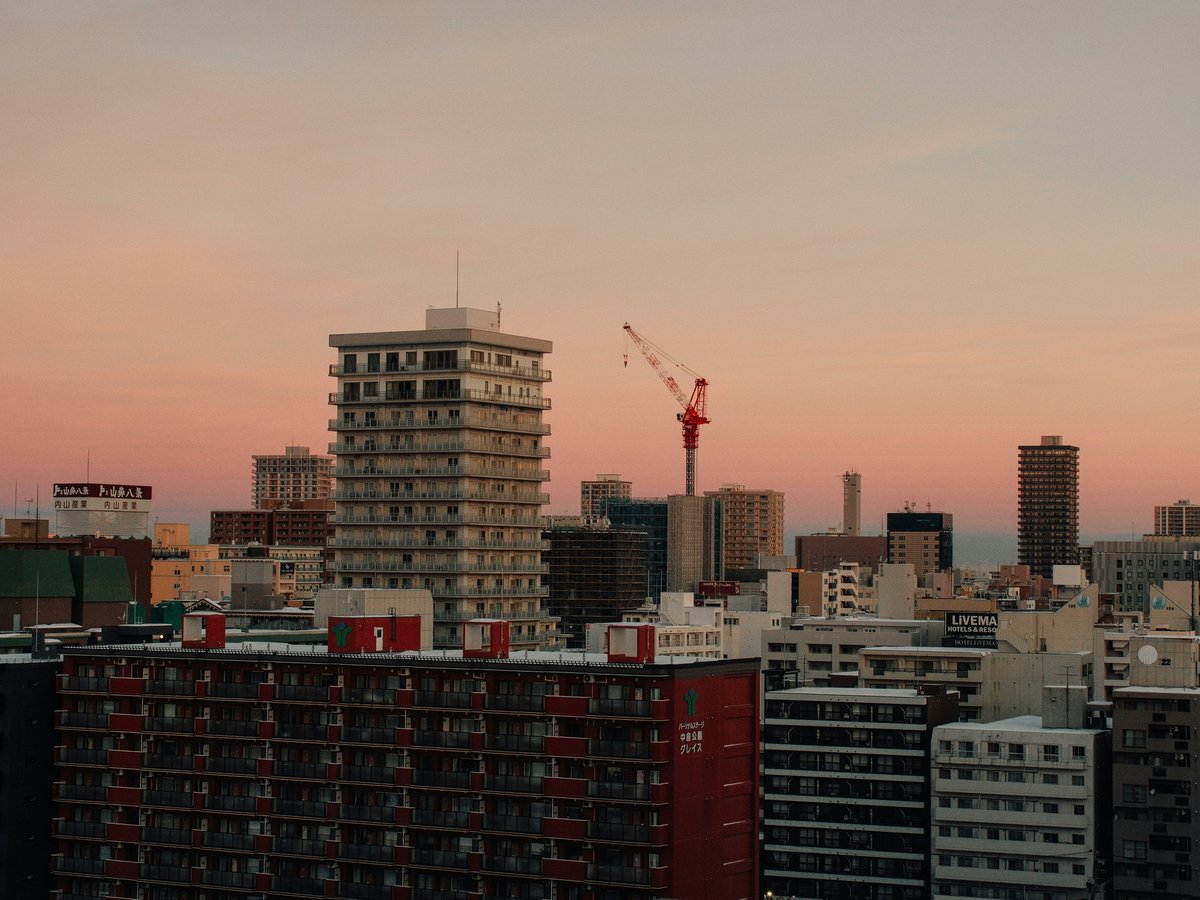
Is Sapporo good for solo travelers?
Sapporo might be the easiest Japanese city to travel alone in outside Tokyo. Counter-seat ramen shops normalize solo dining, a 3-line subway runs until midnight, and business hotels price rooms for single occupancy without a supplement. Winter ski lodges and summer beer gardens at the old brewery provide built-in social structure year-round.
Japan's counter-dining culture makes Sapporo one of the least self-conscious cities on earth to eat alone. Ramen Yokocho, a narrow alley of 17 ramen shops near Susukino Station, has nothing but counter seating. Each shop seats 8-10 people. You buy a ticket from the machine outside, sit down, and eat ¥900 miso ramen while steam from the broth fogs your glasses. Soup curry spots like Suage+ in Kita 3 Jo work the same way, with single diners outnumbering couples at most lunch sittings. The two-person-minimum problem that hits solo diners across Southeast Asia does not exist in Sapporo. Genghis Khan lamb barbecue places like Daruma in Tanukikoji 4-chome do seat groups at shared grills, but the staff will set you at a smaller one without the apologetic look you'd get at a Korean BBQ spot in Seoul.
Sapporo scores 8.5/10 for solo-traveler safety (see the TTDI Solo-Safety Index), and in practice it feels higher. The Namboku, Tozai, and Toho subway lines cover every district a visitor would want, with last trains departing around midnight. Women solo report Odori, Maruyama, and the university district near Kita 18 Jo as comfortable at any hour. Susukino, the entertainment district south of Minami 4 Jo, is safe to walk through even late. The touts at the north end are persistent but not aggressive, and the area thins out by 2am. The specific risk for men is the catch-up-bar overcharge common in Kabukicho and Roppongi. Someone invites you to a 'small bar' off the main drag, and the bill arrives at ¥50,000 (about $308). Decline and walk 2 blocks west toward Tanukikoji, where the mood shifts entirely. Violent crime against tourists in Sapporo is statistically negligible.
Business hotels in Sapporo price rooms for single occupancy, which inverts the penalty solos face in most of Asia. A single room at Dormy Inn Premium Sapporo near Tanukikoji runs around ¥7,500 per night (roughly $46 at current rates) and includes a rooftop onsen and free late-night soba noodles. The hot spring soak at 10pm, when the tile room fills with cedar-scented steam, is worth the stay on its own. For budget stays, Untapped Hostel near Susukino has private rooms from ¥3,500 and a common bar that works as a nightly social hub. Capsule hotels like Nikoh Refre near Sapporo Station run ¥3,000 a night. The capsule fits one person and a carry-on, the curtain pulls shut, and you trade space for a 3-minute walk to the JR platforms.
Meeting people in Sapporo follows the season. From late July through mid-August, the Sapporo Beer Garden at the old brewery in Kita 7 Jo East 9 fills outdoor benches with the smell of lamb fat hitting hot grills. A ¥4,000 all-you-can-eat-and-drink Genghis Khan set runs 100 minutes at communal tables, and the shared format means you will talk to someone. Winter shifts the social center to Teine and Kokusai ski resorts, both 40-60 minutes by bus from Sapporo Station. The après-ski crowd at Teine's base lodge tends to be bilingual enough for real conversation. The Sapporo Snow Festival in early February draws around 2 million visitors over 7 days at the Odori Park site. The park dates to 1869, and the density of solo photographers along its snow sculptures makes small talk easy. Year-round, the tachinomiya standing bars around Tanukikoji 5-chome serve ¥300 highballs and attract regulars who will try their English.
Sapporo's 3-line subway makes solo navigation straightforward. A ride costs ¥210-370, and a Kitaca IC card (or any Suica-compatible card) works on every bus and train, with signs in Japanese and English throughout. Google Maps transit directions are accurate to the minute in Sapporo, which matters when you don't have a travel partner reading platform signs while you check the map. The walk from Sapporo Station south to Susukino takes about 20 minutes through Odori Park. On a clear evening, the Sapporo TV Tower at the park's east end glows orange above the elm trees, and the sidewalk stays well-lit past 11pm. Mind you, Sapporo shuts down earlier than Tokyo. After midnight, your options narrow to Susukino's izakayas and the 24-hour ramen spots along Minami 5 Jo.
Composite of safety, social options, and accommodation.
Safety notes
Near-zero violent crime against tourists. Unlicensed bars in Susukino occasionally overcharge foreign men who accept street invitations. Women traveling solo report feeling safe on transit and in central districts at all hours. The adult-entertainment blocks south of Minami 4 Jo are clearly marked and easy to bypass.
Ways to meet people
- Shared-table Genghis Khan barbecue at the Sapporo Beer Garden (summer), communal seating and all-you-can-drink format
- Tachinomiya standing bars around Tanukikoji 5-chome, cheap highballs and conversation-friendly regulars
- Après-ski at Teine base lodge (winter), bilingual crowd after runs
- Sapporo Snow Festival in early February, high density of solo visitors at Odori Park
- Volunteer walking tours from the Hokkaido-Sapporo Tourism Information Center near Sapporo Station (weekends)
- Hostel common areas at Untapped Hostel or The Stay Sapporo
- Morning browsing at Nijo Market, solo visitors outnumber groups at the seafood counters before 9am
Solo-friendly accommodation
- Business hotels with single-occupancy rooms and rooftop onsen (Dormy Inn Premium Sapporo, Route Inn)
- Capsule hotels near Sapporo Station (Nikoh Refre)
- Hostels with private rooms and social common areas (Untapped Hostel)
- Budget guesthouses for longer stays (Sappolodge in Nishi 18 Jo)
- Compact single rooms at mid-range city hotels (Cross Hotel Sapporo, Vessel Inn)
Last verified by automated review (v1.7.2) on . What is automated review?