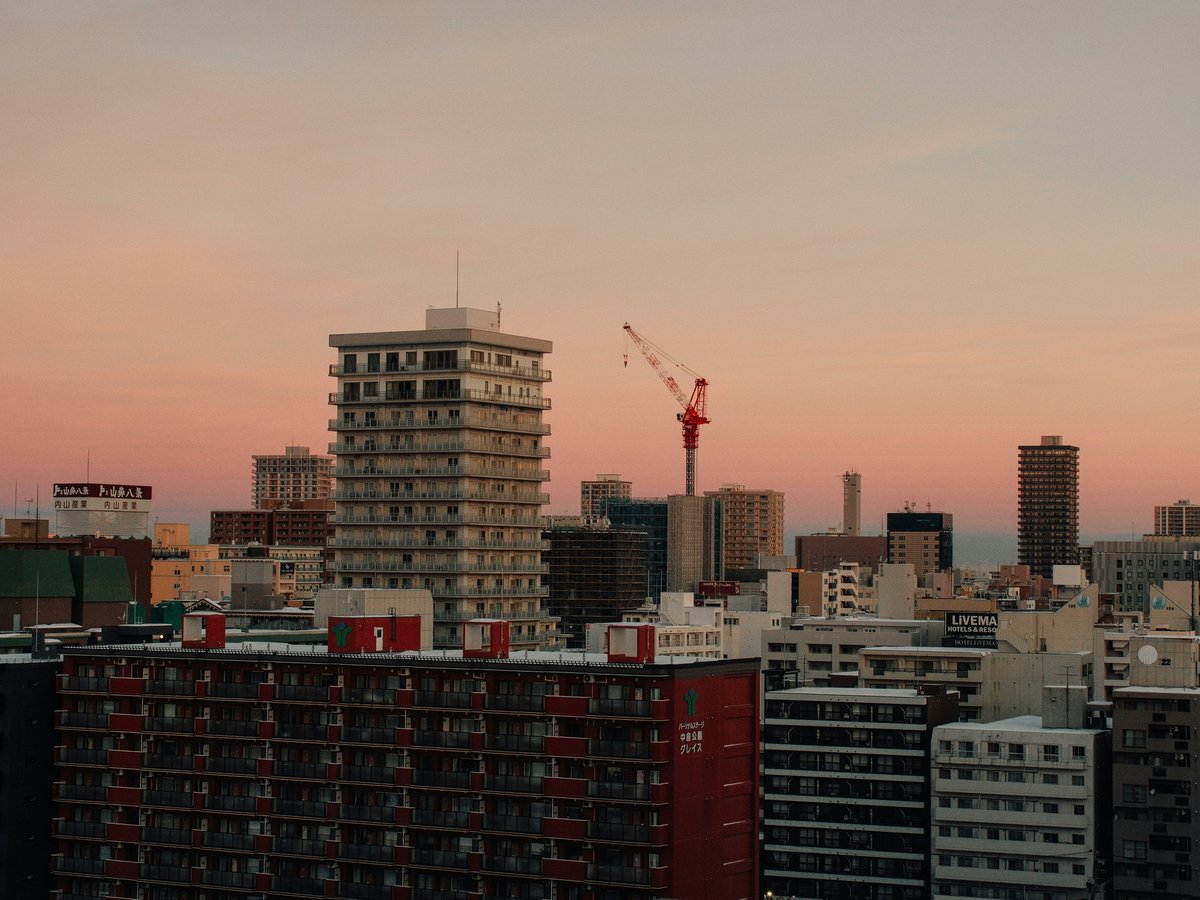
Where do locals actually go in Sapporo?
Sapporo locals work and drink away from the Odori tourist core, taking laptops to the Sapporo Municipal Library information centre at Kita 1 Nishi 1 and coffee to Morihico in Maruyama. Breakfast seafood comes from Jogai Market near JR Soen before 9am. Weeknight beers happen in the izakaya lanes around Kita-24-jo Station, and in winter, office workers eat lunch on the Chi-Ka-Ho benches.
Start with where Sapporo works. The Sapporo Municipal Library information centre (Toshokan Joho-kan) sits inside the Sapporo Shimin Koryu Plaza at Kita 1 Nishi 1, a reference library built for working adults rather than a lending branch. On weekdays, salarymen in grey suits read trade reports at the desks, and the room is quiet enough to hear a pen click. Get there before 10am or you will likely circle for a seat. In January the 520-metre Chi-Ka-Ho walkway runs underground between Sapporo Station and Odori, smelling of baked sweet potato from the kiosks, and it fills at noon with office workers eating konbini onigiri on its benches, dry while the slush piles up on Ekimae-dori above. Public signal down there tends to sag at lunch, so set up your own eSIM on day one. TTDI gives Sapporo a digital-nomad suitability score of 6.8/10 (sourced from TTDI's editorial rubric), and that score reflects the city's thin coworking scene and few English-language meetups, not the quality of its internet.
For coffee, locals go west to Maruyama, where Morihico's main shop is an ivy-covered wooden house a few minutes from Maruyama-Koen Station on the Tozai Line. The floorboards creak, dark-roast smoke hangs under the low ceiling, and a cup currently runs around ¥700. Laptops get tolerated, not welcomed, so treat it as a 90-minute stop rather than an office. Maruyama also works as a one-month base: it has supermarkets near the station, coin laundries on the residential side streets, and Hokkaido Jingu, founded in 1869, for a morning walk among the crows and cedars. Soup curry is the dish Sapporo eats on a cold weeknight, and Garaku, at Minami 2 Nishi 2, draws a queue of students and couples by 6pm. A bowl with crunchy fried vegetables and a broth tasting of cardamom costs roughly ¥1,500, about $9.50.
Mornings belong to the markets, but pick the right one. Nijo Market, near Odori, skews heavily toward tour groups by 9am, while the Jogai outer market beside the Sapporo Central Wholesale Market is the one restaurant buyers use, about a 10-minute walk from JR Soen, one stop west of Sapporo Station. From around 6am you will see rubber boots on wet concrete, styrofoam crates of hairy crab, and kaisendon counters ladling miso soup for drivers. Weekends shift outdoors. Families from Higashi-ku picnic at Moerenuma Park, the Isamu Noguchi-designed park, and climb Mount Moere, where the wind is loud enough to drown out conversation. In late October the ginkgo avenue at Hokkaido University, near Kita 13-jo, turns yellow; locals walk it at dawn while the fallen nuts smell faintly of rancid butter, and tour coaches tend to arrive after 10am.
After dark, skip the Ganso Ramen Yokocho queues in Susukino. Ride the Namboku Line north to Kita-24-jo instead, where low-rise izakaya serve grilled hokke and Hokkaido-only Sapporo Classic to neighbourhood office workers from about 7pm, Tuesday to Thursday; English menus are rare and prices run below Susukino. For one proper cocktail, Bar Yamazaki in Susukino has poured since 1958, and its regulars tend to be older Sapporo professionals rather than visitors. Plan for the weather too. At 2am on 19 October it was 10.6°C with heavy drizzle and 92% humidity, so a packable shell earns its weight from mid-October. Japan's visa-free stay for most Western passports is 90 days, and the digital nomad visa introduced in April 2024 requires annual income of at least ¥10 million.
Where they actually go
Sapporo Municipal Library Information Centre
Kita 1 Nishi 1, Chuo-ku: Reference-only library for working adults. Suited salarymen, soft keyboard clatter, warm dry air when January sits at minus 4°C outside. Weekday desks are taken by 10am.
Morihico (main shop)
Maruyama, Chuo-ku: Ivy-covered wooden house near Maruyama-Koen Station. Creaking floorboards, dark-roast smoke, regulars with paperbacks. Laptops are tolerated for about 90 minutes, not welcomed for a full day.
Jogai outer market (Sapporo Central Wholesale Market)
Near JR Soen, Chuo-ku: Restaurant buyers in rubber boots from around 6am. Wet concrete, crates of hairy crab, the brine smell of tank water, and kaisendon counters steaming miso soup for drivers by 7am.
Kita-24-jo izakaya lanes
Kita-ku, Namboku Line: Smoky yakitori and hokke counters full of neighbourhood office workers on Tuesday to Thursday nights. Sapporo Classic on tap, few English menus, bills below Susukino prices.
Chi-Ka-Ho underground walkway
Sapporo Station to Odori, Chuo-ku: Under Ekimae-dori, a heated concourse lined with benches becomes the sensible lunch spot in February, when students and office workers sit in dry shoes while snow piles up above and the smell of sweet potato drifts from the kiosks.
Moerenuma Park
Higashi-ku: Isamu Noguchi's landscaped park. Higashi-ku families picnic on the grass slopes of Mount Moere at weekends, the summit wind roars, and in winter the hills turn into sledding runs.
Hokkaido University ginkgo avenue
Kita 13-jo, Kita-ku: Students and early joggers walk it at dawn in late October, under yellow leaves and the faint rancid-butter smell of fallen nuts. Tour coaches tend to arrive after 10am.
Bar Yamazaki
Susukino, Chuo-ku: A Susukino cocktail bar pouring since 1958. Low light, the clink of mixing glasses, older Sapporo professionals at the counter rather than visitors: go on a weeknight for a seat.
Best times to visit
Library desks before 10am on weekdays. Jogai Market from 6am to 9am. Kita-24-jo izakaya Tuesday to Thursday from 7pm. Hokkaido University ginkgo avenue at weekday dawn in late October. Chi-Ka-Ho benches at weekday noon from December to March.
Last verified by automated review (v1.7.2) on . What is automated review?