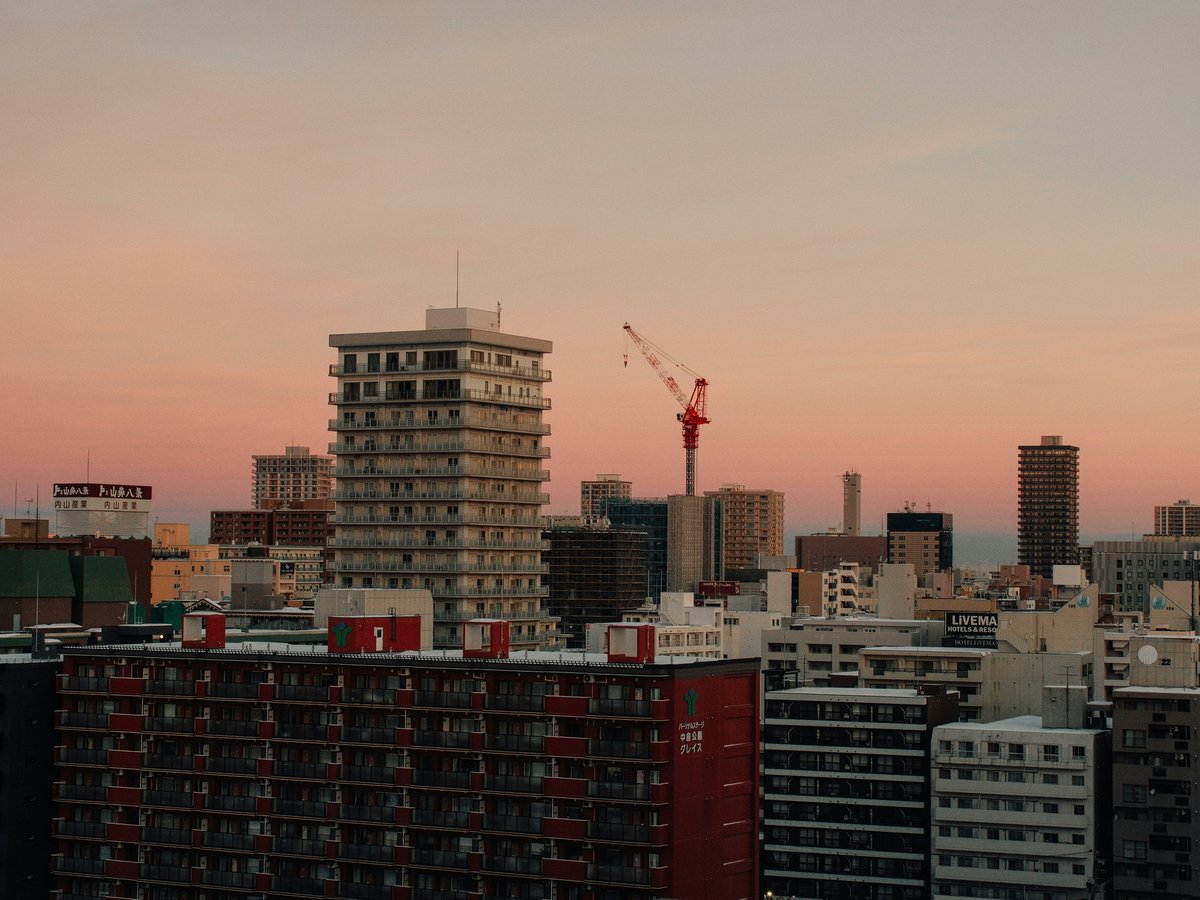
Where should I stay in Sapporo?
Stay in Chuo-ku between Sapporo Station and Odori Park. You're on the Namboku subway line, five minutes from Tanukikoji arcade, ten from Susukino's ramen alley. Budget ¥8,000–15,000 ($50–95) for a business hotel; ¥25,000–40,000 ($155–250) for upper-tier rooms with park views.
Chuo-ku between Sapporo Station and Odori Park. This is the one. The Namboku subway line runs directly underneath, connecting you north to south through the city in under ten minutes. Step out of your hotel on a June morning and the air is cool: around 14°C, damp from overnight rain, the kind of weather where a light jacket works but the down coat stays in the bag. The underground walkway called Chi-Ka-Ho connects Sapporo Station to Odori without going outside, and in February during the Snow Festival, when surface temperatures drop to -7°C and the wind off the Sea of Japan cuts right through you, that walkway stops being a convenience and becomes the whole point. Hotels along Kita 3-jo or Minami 1-jo: the streets flanking Odori Park, which has been the city's central green corridor since 1869: run ¥8,000–15,000 ($50–95) for a business hotel with rooms small by Western standards but spotlessly clean. JR Tower Hotel Nikko sits directly above the station at ¥25,000–40,000 ($155–250); you get park views and a direct elevator to the JR platform.
Susukino starts ten minutes south of Odori on foot, and the north edge (around Minami 4-jo to Minami 6-jo) is where Sapporo concentrates its food. Ramen Yokocho is here: a narrow lane of maybe eight tiny shops where the miso broth steam hits you before you've picked a door. The pork-and-butter-corn ramen is heavy, salty, built for cold weather. Hotels on this north fringe run ¥6,000–10,000 ($38–63) and put you within stumbling distance of dinner at midnight. The trade-off is real, though. South of Minami 7-jo, Susukino shifts into an entertainment district with hostess bars and touts who'll call out to you in English. It's not dangerous (Sapporo is one of the safest large cities in Japan) but it's not where you want to be dragging a suitcase at 11pm on night one. Book the north edge if price matters. Skip the south.
Maruyama, two stops west of Odori on the Tozai line, is where Sapporo residents live and eat. The streets around Maruyama Park have independent coffee shops that smell like fresh-ground beans and butter at 8am, lunch sets at ¥1,200 ($7.50), and a pace that feels nothing like a tourist district. Hotels are scarce (mostly vacation rentals and small guesthouses at ¥7,000–12,000 ($44–75)) but the six-minute subway ride to Odori keeps it practical. This is the pick for a second visit, or anyone staying more than four nights who wants a kitchen and a morning walk through a residential neighborhood. Mind you, Maruyama Park is one of Sapporo's best spots for cherry blossoms in early May, a full three weeks after Tokyo's season ends.
Booking timing matters here more than in most Japanese cities. The Snow Festival in the first week of February fills Chuo-ku hotels six to eight weeks out, with prices jumping 40–60% over baseline. Summer (late July through mid-August) is the second peak; Tokyo residents escape 35°C humidity for Sapporo's 25°C afternoons, and Furano lavender day-trippers fill the remaining inventory. Book three to four weeks ahead for summer, or look at Maruyama and Nakajima-koen-mae station (one Namboku stop south of Susukino) for rooms at closer to normal rates. One practical note: Sapporo's subway closes around midnight. If your hotel isn't walking distance from wherever you're eating, a late taxi within the central wards runs ¥1,000–2,000 ($6–13). That said, most of Chuo-ku is walkable end to end in twenty minutes, which is part of what makes it the right default.
Recommended neighborhoods
Chuo-ku (Sapporo Station–Odori corridor)
First-timer default. On the Namboku line, connected by underground walkway, five minutes to Tanukikoji shopping arcade. Business hotels ¥8,000–15,000 ($50–95).
Susukino north edge (Minami 4–6-jo)
Budget-friendly with direct access to Ramen Yokocho and the izakaya streets. Noisier at night: stick to the blocks north of Minami 7-jo.
Maruyama
Residential neighborhood two Tozai line stops from Odori. Independent cafés, quiet mornings, vacation rentals with kitchens. Better for longer stays or return visits.
Nakajima-koen-mae
One Namboku stop south of Susukino, next to Nakajima Park. Quieter than Susukino, still close to the food. Good overflow when Chuo-ku books out.
Skip these areas
- Susukino south (below Minami 7-jo): Entertainment and red-light district. Safe enough to walk through, but not where you want your hotel. Touts, noise, and flashing signs until 3am.
- Suburban wards (Teine, Atsubetsu, Kiyota): Residential suburbs 20–30 minutes by subway from anything you'd visit. No reason to stay out here unless you're visiting someone who lives there.
Top-rated hotels in Sapporo
Highly rated stays you can book on Trip.com. Prices are indicative: tap through for live availability and the current rate.

SAPPORO STREAM HOTEL
from $105/night View deal
KOKO HOTEL Sapporo Susukino
from $42/night View deal
THE GATE HOTEL SAPPORO by HULIC
from $106/night View deal
Keio Plaza Hotel Sapporo
from $85/night View deal
SAPPORO HOTEL by GRANBELL
from $105/night View deal
Hotel Relief Sapporo Susukino
from $41/night View deal
Nest hotel alt. Sapporo Odori(September 2026 Opening)
from $42/night View deal
Odysis Sapporo Odori Koen Hotel
from $34/night View deal
TTDI earns a commission on bookings made through these links, at no extra cost to you. We never accept payment for placement.
Last verified by automated review (v1.7.2) on . What is automated review?