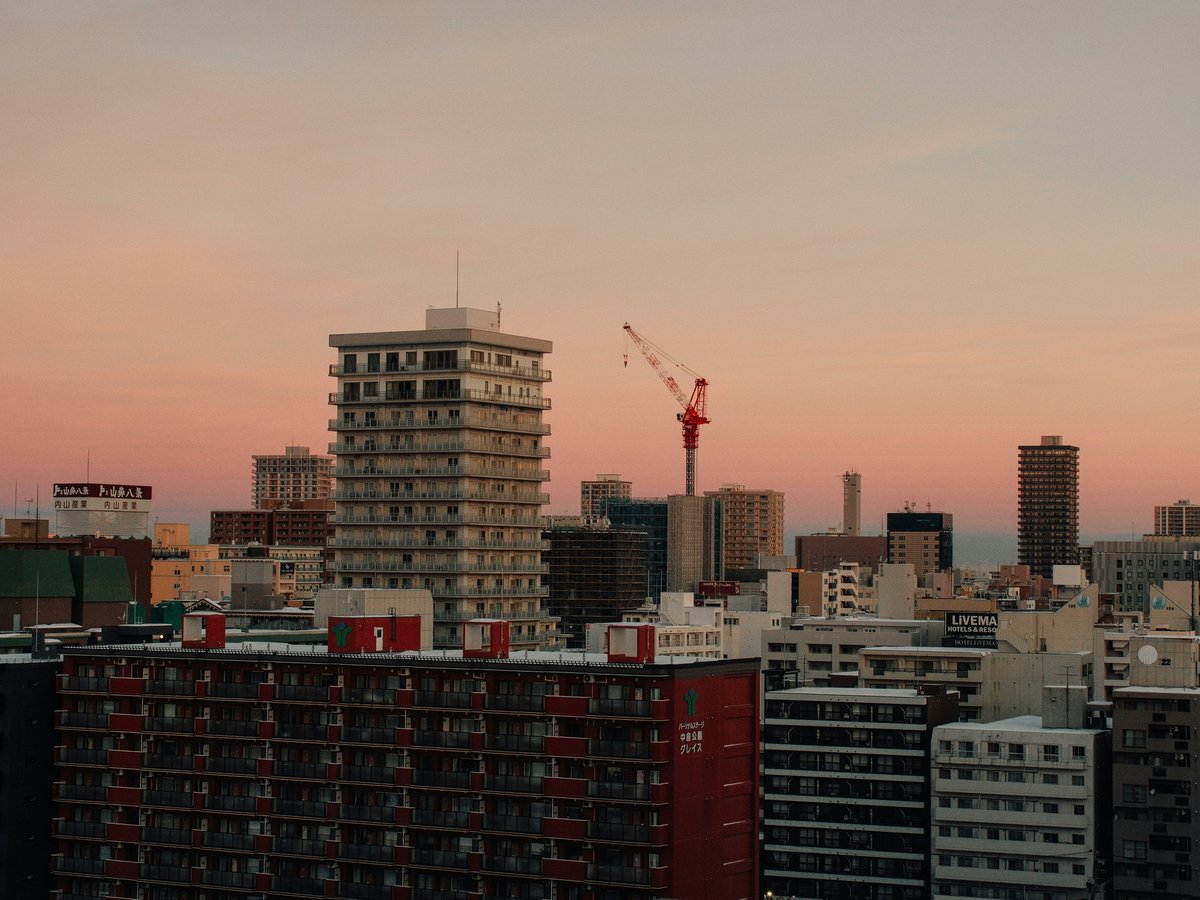
What's a good 3-day itinerary for Sapporo?
Day 1 walks central Chuo-ku: Nijo Market at 7 AM for sea-urchin rice bowls, Odori Park, the 1878 Clock Tower, miso ramen at Ramen Yokocho by evening. Day 2 heads east to Sapporo Beer Museum and Moerenuma Park. Day 3 climbs west to Okurayama's 1972 Olympic ski-jump viewpoint and Hokkaido Shrine. About 24 km of walking over three days.
Sapporo's grid layout is almost comically easy to read: numbered streets run north-south, numbered avenues run east-west, everything measured from the Odori–Soseigawa intersection at the city's center. You won't get lost. The subway has three color-coded lines, and a Kitaca IC card (buy one at New Chitose Airport when you land) works on all of them, but for three days you can walk most of it; the central district is flat, maybe four kilometers corner to corner. The real scheduling question is food, not sights. Sapporo is where miso ramen was born, where Genghis Khan grilled lamb became a citywide obsession, and where soup curry evolved into its own dish in the 1970s. Build each day around two good meals, fit the sights between them, and you'll cover everything that matters without the forced-march exhaustion that ruins most first visits.
Day 1 stays inside Chuo-ku on foot. Be at Nijo Market by 7 AM, when the stall owners are laying glistening uni onto warm rice and the morning air still carries the salt-and-brine smell of fresh crab. A uni-ikura don runs about ¥2,500 (around $16). Walk ten minutes north to Odori Park, the 1.5-kilometer green strip first laid out in 1869 as a firebreak. The TV Tower at its east end has a 90-meter observation deck (¥1,000) that gives you the whole grid at a glance: worth it on your first morning. Keep west to the Clock Tower, a white clapboard building from 1878 that looks like it strayed in from Vermont. Mind you, most visitors find it smaller than expected. See it, note it, keep walking. Lunch at Garaku near Odori: soup curry with a whole chicken leg in tomato broth, about ¥1,300, spice adjustable from 1 to 40. By evening, head south to Ramen Yokocho in Susukino: seventeen ramen shops in a narrow alley where steam fogs the windows year-round. The broth is thick, nearly chewy, sealed under a lard cap that keeps it scalding until your last spoonful.
Day 2 pushes east. The Sapporo Beer Museum sits in an 1890s red-brick former sugar factory in Kita-ku: the self-guided tour is free and takes about forty minutes, but the draw is the tasting hall, where three different Sapporo drafts cost ¥800. Go before noon; tour groups pack it after lunch. Next door, the Beer Garden serves Genghis Khan: thin-sliced lamb sizzling on a dome-shaped iron grill, the fat running into a moat of broth around the edges. The smoke will soak into your clothes. That's normal. After lunch, take the Toho subway line and a bus (about forty minutes total) to Moerenuma Park, a former waste-treatment site that sculptor Isamu Noguchi redesigned as a landscape artwork. The glass pyramid catches afternoon light in ways that photographs tend to flatten. It's a big park: allow ninety minutes. Head back to central Sapporo for dinner; Nemuro Hanamaru near Sapporo Station does conveyor-belt sushi with Hokkaido seafood: the uni plates run ¥300–600. Expect a thirty-minute queue.
Day 3 heads west and uphill. Take the Tozai line to Maruyama-Koen station and walk fifteen minutes through Maruyama Park: tall Hokkaido pines, cool even in June, birdsong louder than traffic. Hokkaido Shrine sits at the path's end, a Meiji-era Shinto complex where the gravel crunches underfoot and the air smells like cedar. From there, bus to Okurayama Ski Jump Stadium, first built in 1931 and rebuilt for the 1972 Winter Olympics. The chairlift to the top costs ¥1,000, and the view from the starting gate (looking straight down the slope toward the city laid flat below) tightens your stomach even as a spectator. The afternoon is deliberately lighter: walk the elm-lined paths of Hokkaido University's campus in Kita-ku, rest at the hotel, then queue at Daruma in Susukino for your last dinner. They've served Genghis Khan lamb here since 1954. The dome-grill smoke will follow you onto the plane.
Walking + transit across the three-day route.
Day one
-
7 AM Chuo-kuNijo Market for uni-ikura don: sea urchin and salmon roe on warm rice (¥2,500, about $16). Cold morning air, salt smell, stalls still setting up.
-
8:30 AM Odori, Chuo-kuWalk north to Odori Park: 1.5 km east to west, laid out in 1869. TV Tower observation deck at the east end (¥1,000) maps the whole grid for you.
-
10 AM Chuo-kuSapporo Clock Tower: 1878 white clapboard building. Smaller than you expect, hemmed in by offices. See it, note it, keep walking. Fifteen minutes.
-
12 PM Chuo-kuSoup curry lunch at Garaku near Odori: tomato-based broth with a whole chicken leg, about ¥1,300. Spice level 1 to 40; try 5 your first time.
-
2 PM Chuo-kuTanukikoji Shopping Arcade: seven covered blocks of shops. Good for Hokkaido snacks, souvenirs, and weather-proofing a slow afternoon.
-
6:30 PM Susukino, Chuo-kuRamen Yokocho in Susukino: narrow alley, seventeen miso-ramen shops. Steam fogs the windows. Sit anywhere; they're all competitive with each other. Twenty-minute wait.
Day two
-
9:30 AM Kita-kuSapporo Beer Museum: free self-guided tour through the 1890s red-brick factory, then the tasting hall for three Sapporo drafts (¥800). Go before noon to beat tour groups.
-
11:30 AM Kita-kuGenghis Khan lamb lunch at Sapporo Beer Garden next door: thin-sliced lamb on a dome grill, fat running into a broth moat. All-you-can-eat sets from ¥3,200.
-
1:30 PM Higashi-kuToho line and bus to Moerenuma Park (forty minutes total): sculptor Isamu Noguchi's landscape artwork on a reclaimed site. Glass pyramid, play mountain. Allow ninety minutes.
-
4:30 PM Chuo-kuBack to central Sapporo. Walk through Sapporo Factory, a repurposed 1876 brewery with a glass atrium: good for cooling off and browsing.
-
7 PM Kita-ku, Sapporo StationKaiten sushi at Nemuro Hanamaru in JR Tower Stellar Place: conveyor-belt sushi, Hokkaido seafood. Uni and ikura plates ¥300–600 each. Thirty-minute queue.
Day three
-
8:30 AM Maruyama, Chuo-kuTozai line to Maruyama-Koen station, fifteen-minute walk through pine forest to Hokkaido Shrine. Gravel paths, cedar smell, quiet at this hour.
-
10:30 AM Okurayama, Chuo-kuBus to Okurayama Ski Jump Stadium (built 1931, rebuilt for the 1972 Olympics). Chairlift to the summit, ¥1,000. The view straight down the jump slope tightens your stomach.
-
12:30 PM MaruyamaLunch back near Maruyama: try handmade buckwheat soba, a Hokkaido staple. Most neighborhood shops serve it for ¥900–1,200.
-
2:30 PM Kita-kuWalk the Hokkaido University campus in Kita-ku: elm-lined paths, the Clark bust, quiet grounds. A deliberate wind-down before the last evening.
-
7 PM Susukino, Chuo-kuFinal dinner at Daruma in Susukino: Genghis Khan lamb on a dome grill, queue outside since 1954. The smoke follows you home.
Last verified by automated review (v1.7.2) on . What is automated review?