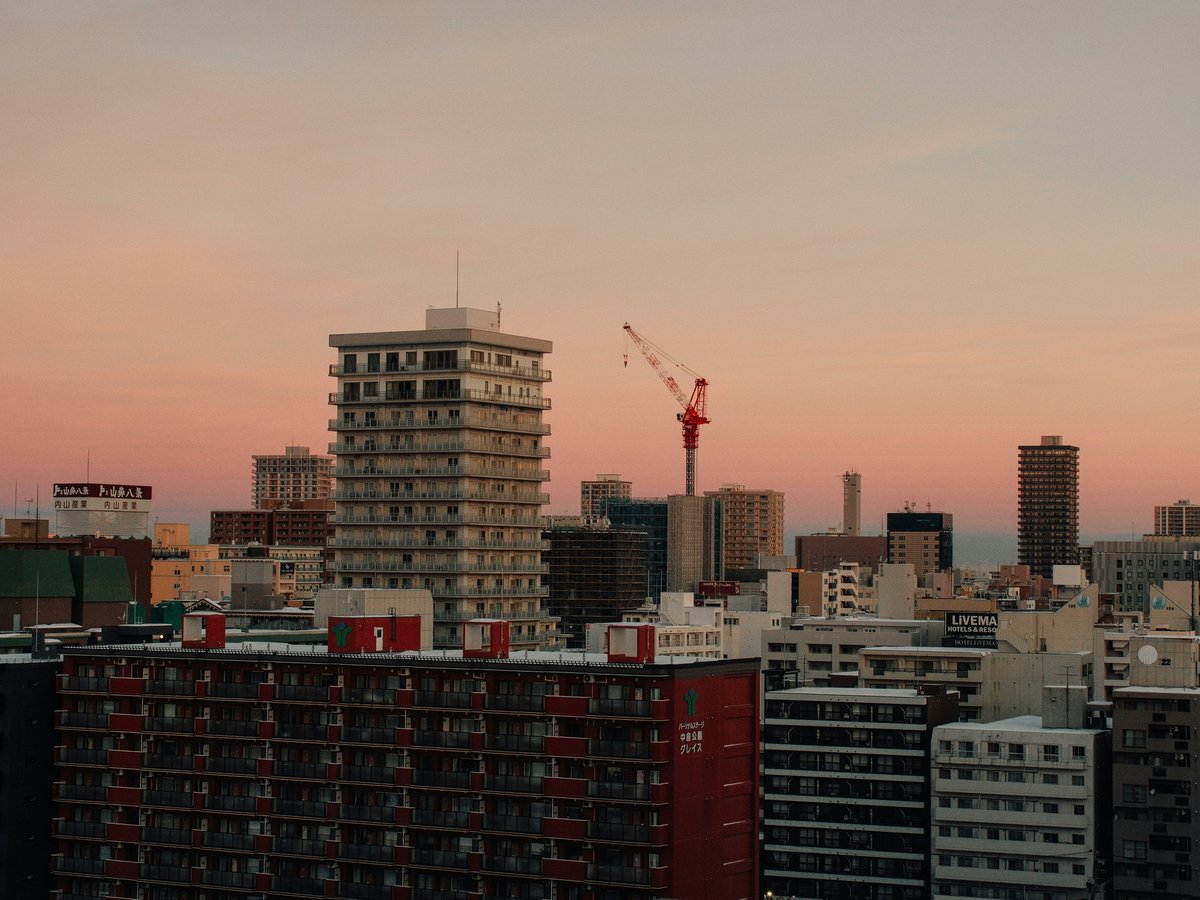
What's the must-see thing in Sapporo?
Odori Park, the 1.5-kilometre green corridor that splits Sapporo's grid in half. Stand at the eastern end near the TV Tower and you can see the city's logic immediately: numbered streets running north-south, mountains closing the western horizon. Free, open all hours, and the single best place to orient yourself before doing anything else in Hokkaido's capital.
Sapporo is the rare Japanese city built on a grid: Meiji-era planners laid it out in 1869 like a prairie town, blocks numbered instead of named. Odori Park runs east-west through the center of that grid for about 1.5 kilometres, and walking its full length is the fastest way to understand how the city fits together. The TV Tower marks the eastern end. From its 90-metre observation deck (¥1,000, roughly $6 USD at current rates) you look straight down the park's tree-lined axis toward the mountains, and the numbered cross-streets click into place below you like a map you can finally read. In summer the park smells like grilled corn from the yatai carts lining the paths. In February it fills with the Snow Festival's ice sculptures and the temperature sits around minus seven. The rest of the year it's just a long, quiet park where office workers eat lunch on benches. That's fine. The point isn't spectacle: it's orientation.
The Sapporo Beer Museum sits about fifteen minutes east of Sapporo Station by bus, inside a red-brick brewery building that dates to 1890. The free self-guided tour is honestly a bit dry: display panels about barley and fermentation you'll skim through in twenty minutes. The paid Premium Tour (¥1,000, reservation needed) is better: a guide walks you through the original copper kettles, and you taste three beers at the end in a hall with exposed brick and timber ceilings that still smell faintly of malt. The real draw, though, is the Sapporo Beer Garden next door, where you eat Genghis Khan: lamb grilled on a domed iron plate at your table, the fat dripping and smoking while you pour your own draft from the table tap. The combination of beer history and jingisukan dinner is specific to this city. You won't find it anywhere else in Japan.
Moerenuma Park is the one most visitors skip, and it might be the best thing here. Isamu Noguchi, the Japanese-American sculptor, designed the entire 188-hectare site as a single landscape artwork: then died in 1988 before construction started. The park opened in 2005 on a former waste-processing site in Sapporo's northeast, about thirty minutes from downtown by bus. The glass pyramid (called Hidamari) catches afternoon light in a way that feels like standing inside a greenhouse crossed with a cathedral. Kids scramble up the grass-covered play mountain while parents sit on the stone benches below. There's a fountain that erupts on a timed schedule and soaks anyone standing too close. It's quiet out here. Bring a picnic. On clear days the sky feels enormous (Hokkaido-enormous) and you might have an entire Noguchi sculpture to yourself.
A note on the Clock Tower, since every guidebook mentions it: the Sapporo Clock Tower is a small white clapboard building from 1878, dwarfed on all sides by office towers. It tends to be cited as one of Japan's most disappointing tourist spots, and the reputation seems earned. The building itself is fine (a preserved American-style schoolhouse with a working Howard clock) but people expect something grander, and the ¥200 entry fee buys you two floors of exhibits you'll finish in ten minutes. Walk past it on your way to Odori Park, look up, take a photo if you want. Don't plan your morning around it.
The top three
Odori Park
The 1.5 km east-west corridor (founded 1869) that makes Sapporo's grid legible at a glance. Free, always open, and the TV Tower at its eastern end gives you a ¥1,000 panorama that turns the numbered streets into a mental map you'll use the entire trip.
Sapporo Beer Museum
Japan's only beer museum, housed in an 1890s red-brick brewery. The Premium Tour (¥1,000, reservation required) ends with a tasting in the original malt hall. Pair it with jingisukan lamb BBQ next door: the combination exists nowhere else in the country.
Moerenuma Park
Isamu Noguchi's final work: 188 hectares of landscape sculpture on a reclaimed waste site, opened posthumously in 2005. The glass pyramid alone is worth the thirty-minute bus ride, and on weekdays you'll likely have it to yourself.
Reservations required for at least one of these.
Verified attractions
Sourced from Wikidata and OpenStreetMap: each entry links to its authoritative page.
-
Odori Park
gardenpark in Sapporo, Japan
View on Wikidata -
Makomanai Open Stadium
stadiumbuilding in Minami-ku, Hokkaido Prefecture, Japan
View on Wikidata -
Sapporo TV Tower
towerTV tower in Sapporo, Japan
View on Wikidata -
Okurayama Ski Jump Stadium
stadiumJapanese ski jump venue
View on Wikidata -
Hokkaidō Jingū
place of worshipShinto shrine in Chūō-ku, Sapporo, Hokkaidō, Japan
View on Wikidata -
Miyanomori Ski Jump Stadium
stadiumski jumping venue in Sapporo, Japan
View on Wikidata -
Sapporo Beer Museum
museummuseum in Sapporo, Hokkaido, Japan
View on Wikidata -
Sapporo Clock Tower
museumbuilding in Chuo-ku, Hokkaido Prefecture, Japan
View on Wikidata -
Hokkaido Museum
museummuseum in Sapporo, Hokkaido, Japan
View on Wikidata -
Historical Village of Hokkaido
museummuseum in Sapporo, Hokkaido, Japan
View on Wikidata -
Hokkaido Museum of Modern Art
museummuseum in Sapporo, Hokkaido, Japan
View on Wikidata -
Hokkaido University Botanical Gardens
museumbotanical gardens
View on Wikidata -
Moerenuma Park
museumpark in Sapporo, Japan
View on Wikidata -
Hokkaido University Museum
museummuseum in Sapporo, Hokkaido, Japan
View on Wikidata -
Miyanomori International Museum of Art, Sapporo
museummuseum in Japan
View on Wikidata -
Sapporo Art Park
museumbuilding in Hokkaidō, Japan
View on Wikidata -
Sapporo Atsubetsu Park Stadium
stadiumbuilding in Atsubetsu-ku, Hokkaido Prefecture, Japan
View on Wikidata -
Sapporo Masjid
place of worshipmosque in Hokkaido, Japan
View on Wikidata -
Guardian Angels Cathedral, Sapporo
churchCatholic Church church building in Sapporo, Japan
View on Wikidata -
Hitsujigaoka Observation Hill
viewpointView on Wikidata -
Makomanai Park
gardenCity park in Hokkaido, Japan
View on Wikidata -
Sapporo Ainu Culture Promotion Center
museumFolklore museum
View on Wikidata -
Sapporo Japan Temple
churchLDS temple in Sapporo, Japan
View on Wikidata -
Hokkaido Archaeological Operations Center
museumbuilding in Hokkaidō, Japan
View on Wikidata -
Hongō Shin Memorial Museum of Sculpture, Sapporo
museumart museum in Sapporo, Hokkaido, Japan
View on Wikidata -
Nopporo Shinrin Kouen Prefectural Natural Park
parknatural park in Hokkaido, Japan
View on Wikidata -
Sapporo Art Museum
museumart museum in Sapporo, Hokkaido, Japan
View on Wikidata -
Sapporo Maruyama Zoo
zoozoo in Hokkaido, Japan
View on Wikidata -
Asahiyama Memorial Park
parkpark in Sapporo, Japan
View on Wikidata -
Ebetsu City Museum
museumHistory museum in Ebetsu, Japan
View on Wikidata -
Ebetsu Kofun Cluster
monumentsatsumon culture burial mounds in Japan
View on Wikidata -
Ebetsu Shrine
place of worshipShinto shrine in Hokkaido, Japan
View on Wikidata -
Hokkaido Governor's Official Residence
historic houseView on Wikidata -
Maruyama Park
parkPark in Sapporo
View on Wikidata -
Nakajima Park
parkJapanese park
View on Wikidata -
Nihon Kirisuto Kyodan Sapporo Church
churchchurch building in Japan
View on Wikidata -
Nishino Shrine
place of worshipShinto shrine in Hokkaido, Japan
View on Wikidata -
Sapporo Buried Cultural Property Center
museumArchaeology museum in Sapporo, Japan
View on Wikidata -
Sapporo Gokoku Shrine
place of worshipShinto shrine in Chuo-ku, Japan
View on Wikidata -
Sapporo Harisutosu Seikyōkai
churchbuilding in Sapporo, Hokkaido Prefecture, Japan
View on Wikidata
Last verified by automated review (v1.7.2) on . What is automated review?