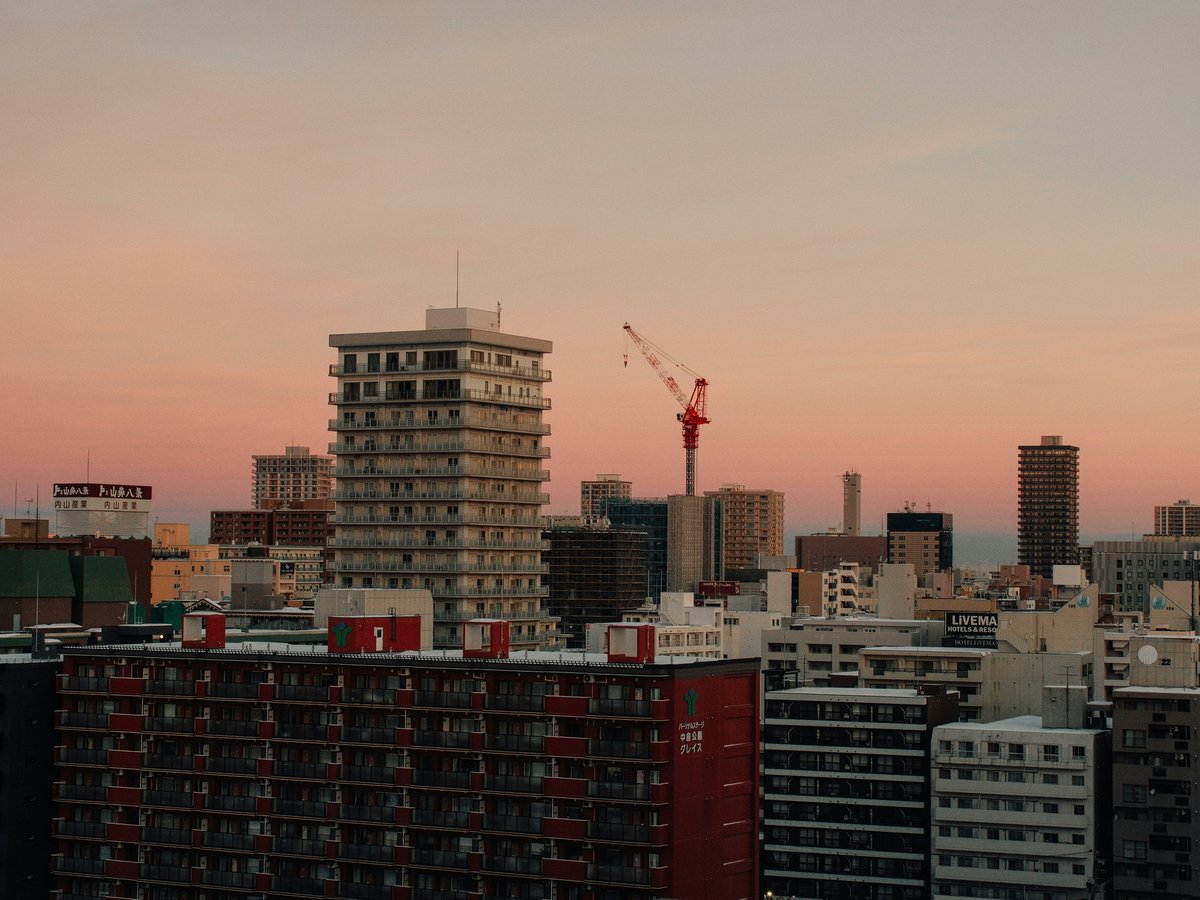
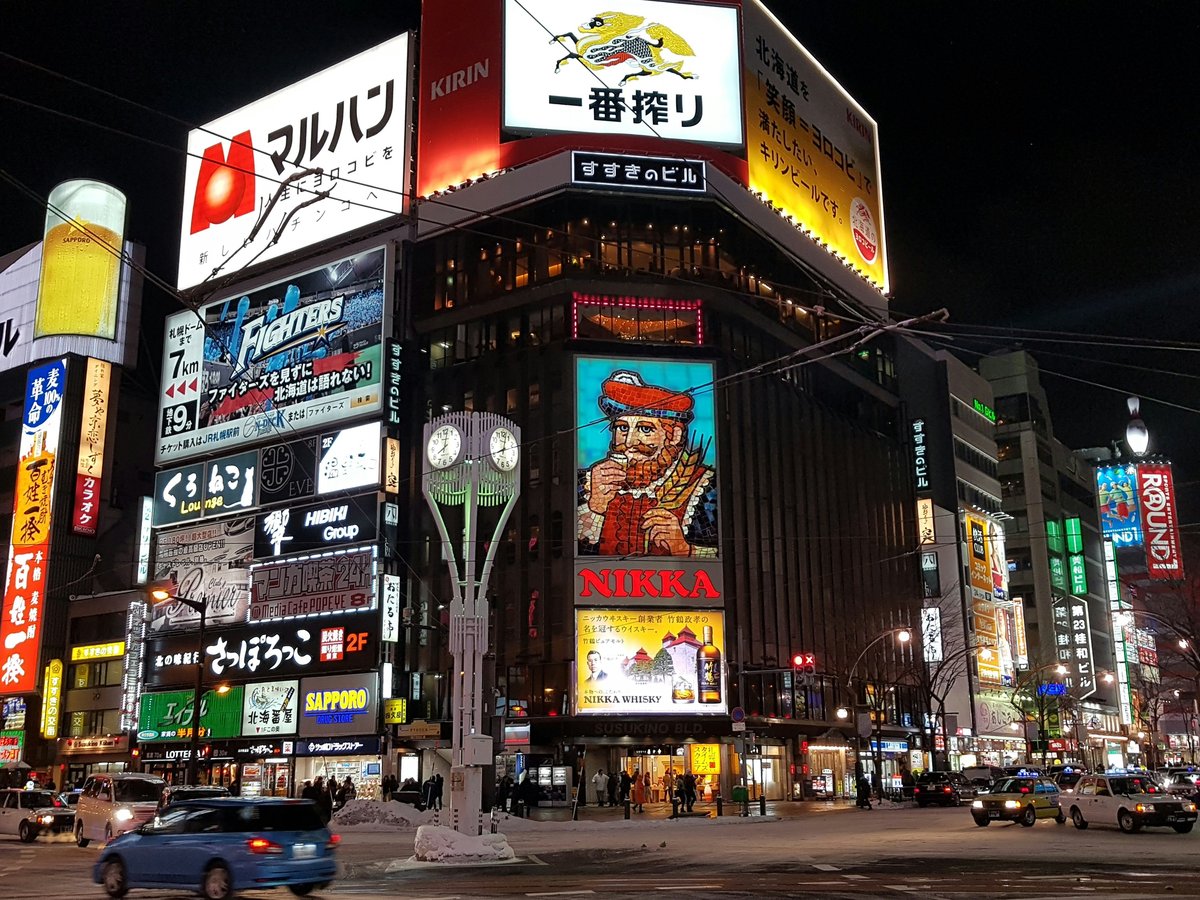
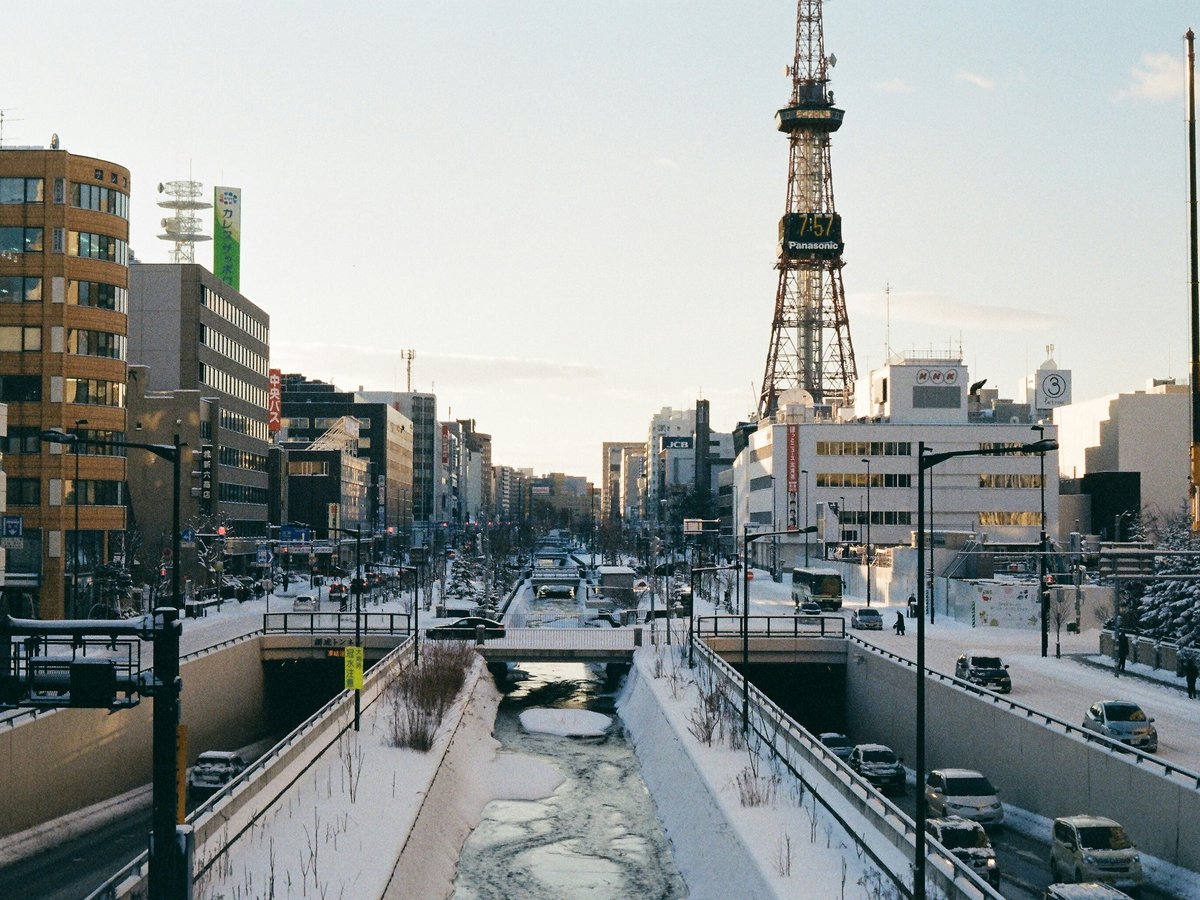
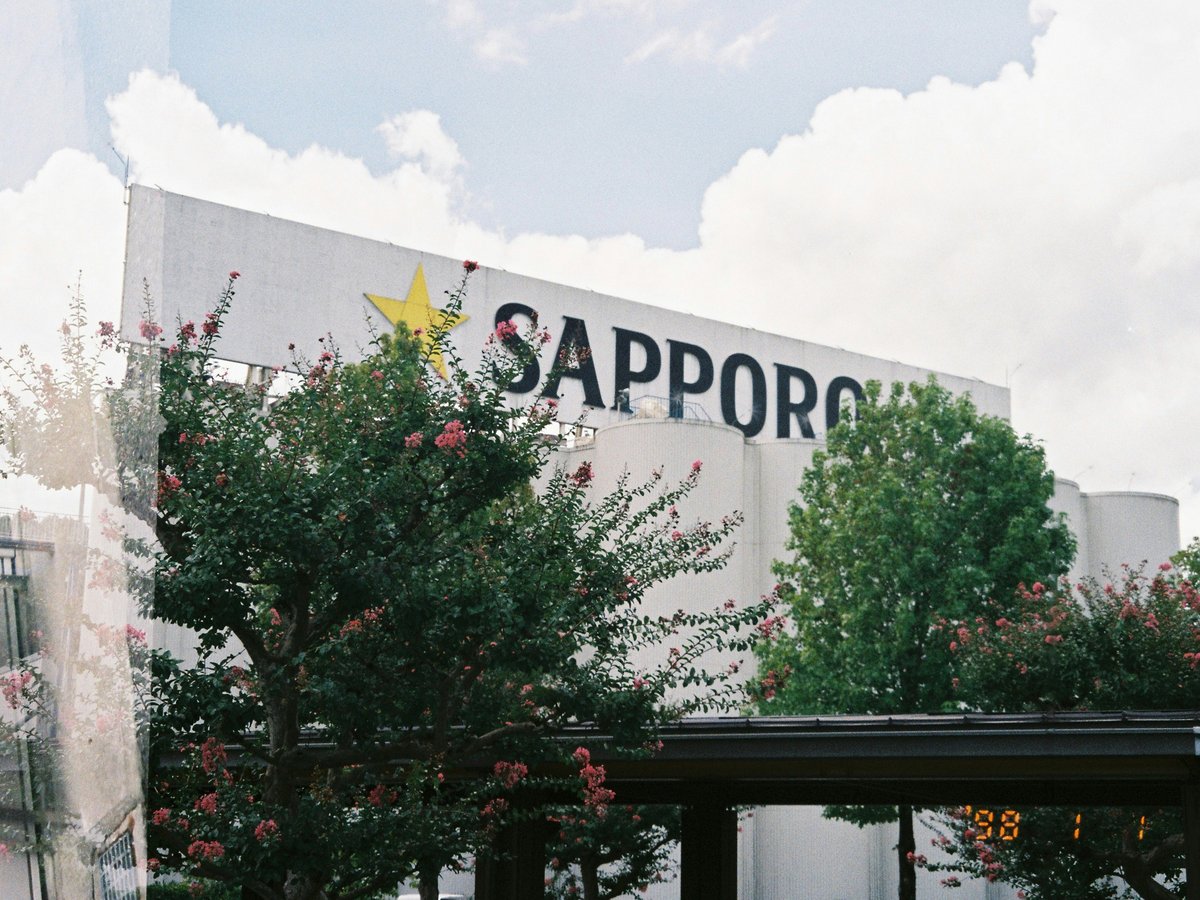
Sapporo sits on a broad plain between the Ishikari River and a ring of low mountains, and everything about its layout reflects that it was built from scratch. In 1869, the Meiji government commissioned a grid of wide, numbered avenues as the administrative capital of Hokkaido, hiring American agricultural advisors to help settle what had been Ainu land for millennia. That planned geometry still defines the city: addresses run by compass coordinates from the intersection of Odori Park and Sosei River, a system so legible that first-time visitors rarely get lost. The park itself is a belt of green cutting east to west through the center, separating the commercial north: where Hokkaido University's poplar-lined campus gives way to quiet residential blocks: from the dense south, where Tanukikoji's covered shopping arcade runs parallel to the neon-lit bars of Susukino. Sapporo's winters are serious. The city receives roughly five meters of snowfall annually, more than any other metropolis of comparable size, and by February the main boulevards host the Snow Festival's enormous illuminated sculptures, drawing two million visitors in a week. But winter also shapes daily life in less photogenic ways: an underground pedestrian network connects Sapporo Station to Susukino across nearly a kilometer, letting commuters skip the surface from November through March. Summer flips the script: temperatures sit in the low twenties Celsius, humidity stays tolerable, and beer gardens take over Odori Park for weeks. The food leans on Hokkaido's agricultural surplus: miso ramen thickened with butter and corn at shops along Ramen Alley, soup curry ladled over rice in Susukino basement restaurants, and jingisukan (lamb grilled on a domed skillet) eaten outdoors with cold Sapporo lager. The city brewed its first beer in 1876, and the original redbrick brewery still stands in the northeast, now a museum ringed by restaurants.
Sapporo in photos
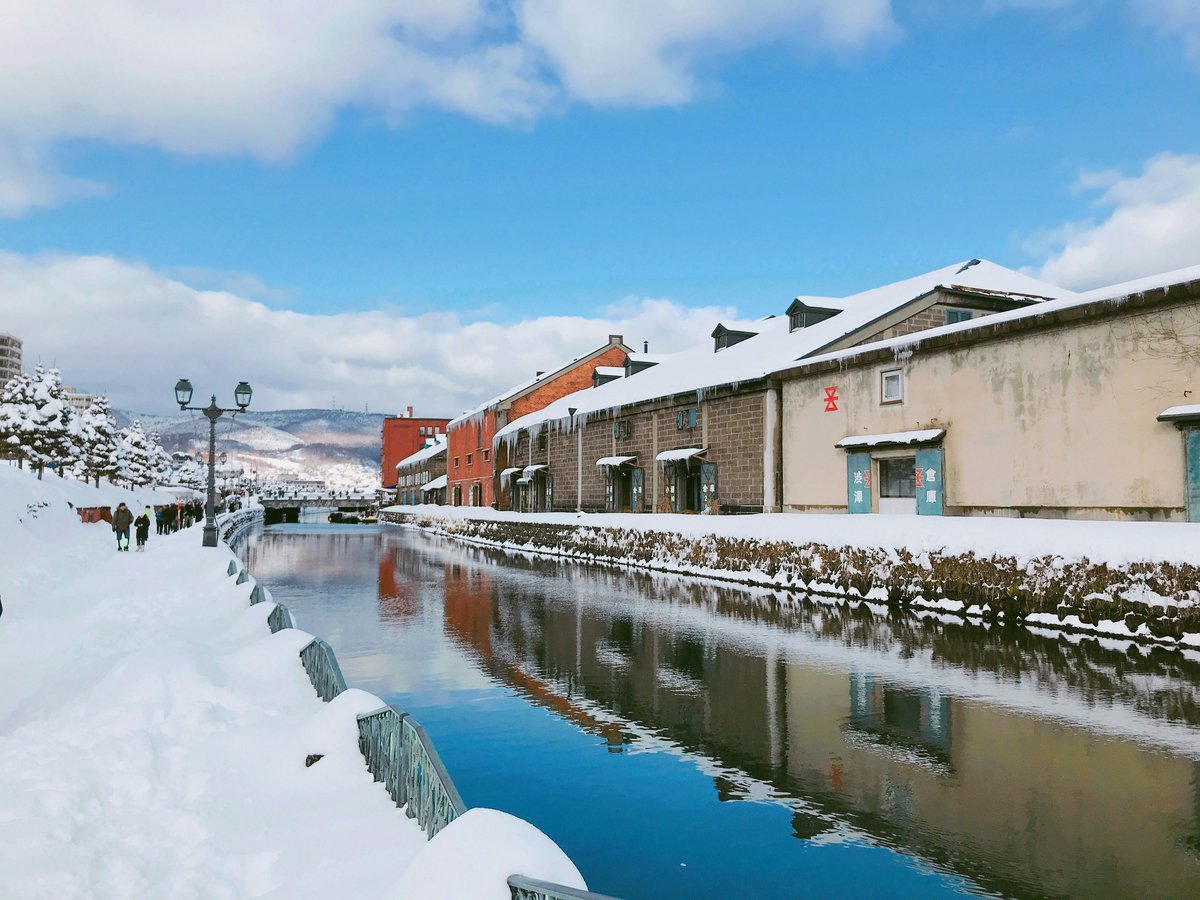
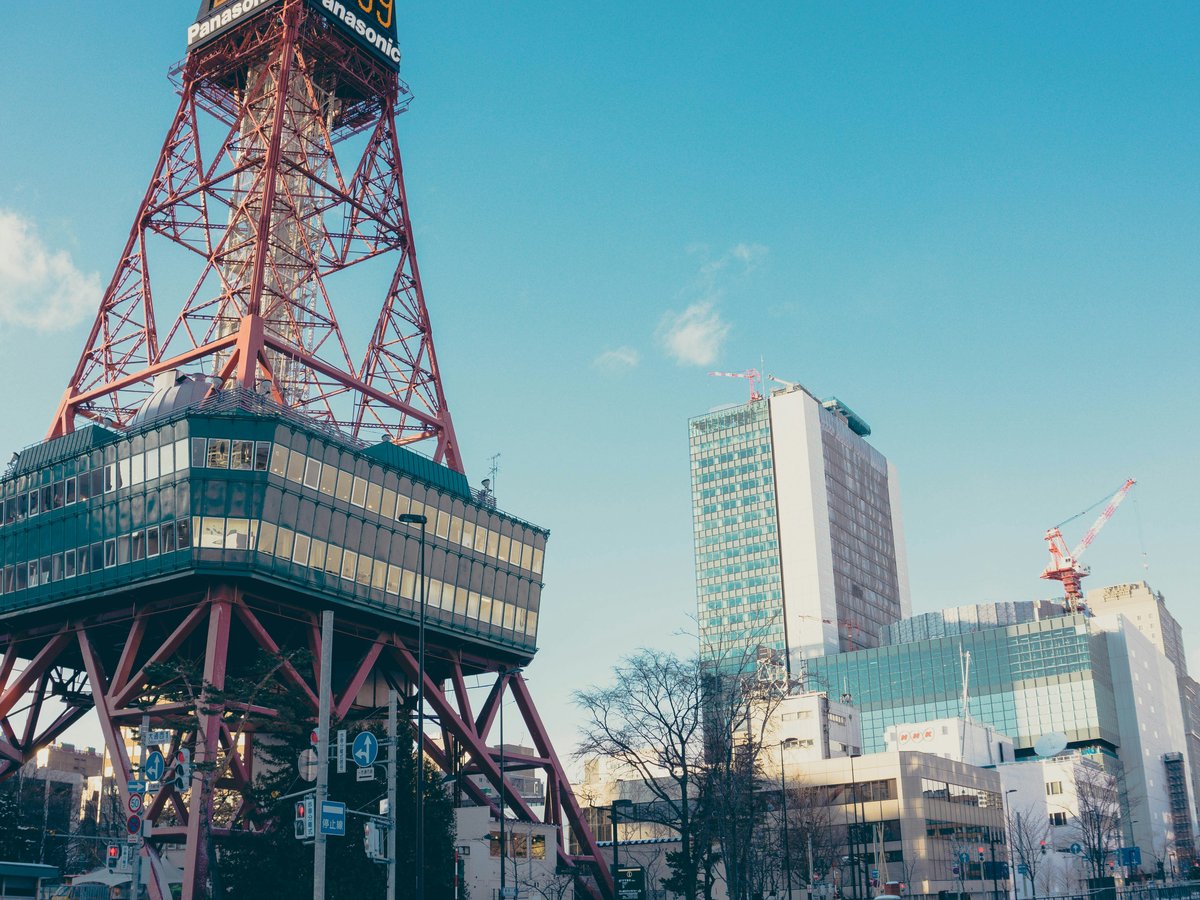
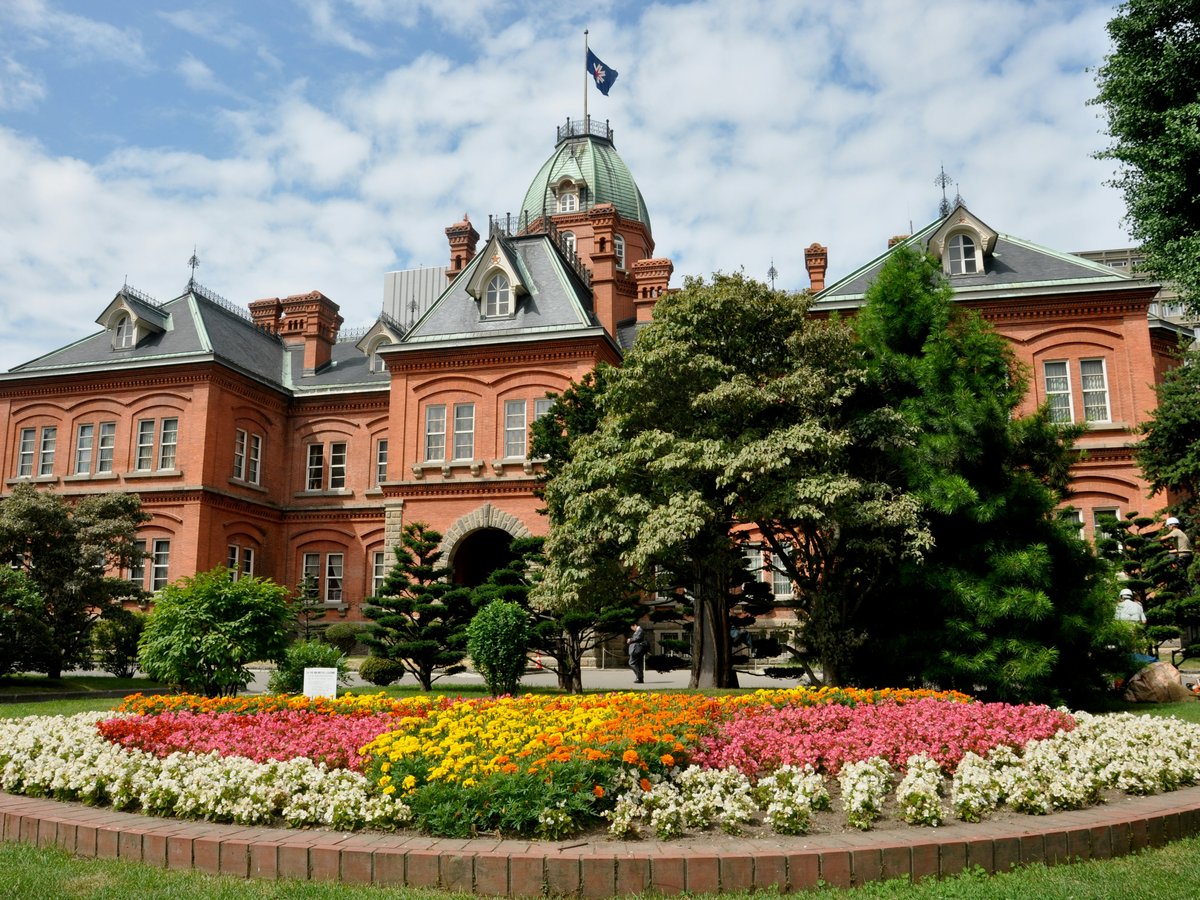
Sapporo right now
Answers about Sapporo
-
Airport to city
Take the JR Rapid Airport train from New Chitose Airport (CTS) to Sapporo Station: 1,150 yen ($7), 37 minutes, every 15 minutes from the basement level. Fastest and cheapest option by far. After the last train around 10:45pm, airport buses still run to major hotels; taxis cost roughly 15,000 yen ($94).
Read the full answer → -
Best time to visit
Go in early February for the Sapporo Snow Festival, or from mid-June to September for dry, mild weather. Hokkaido largely misses the rainy season that soaks Honshu. September is the best-value month: the summer crowds have left Odori Park and hotel prices have come down. Skip March, April, and November, when slush, grey skies, and bare trees take over the city.
Read the full answer → -
Cost per day
Sapporo runs ¥6,400 ($40) per day on a hostel-and-ramen budget, ¥16,000 ($100) midrange with a business hotel and sit-down meals, or ¥48,000 ($300+) for luxury. The budget works because Sapporo's best food is its cheapest. A bowl of miso ramen at a Susukino counter costs ¥850, and most parks charge nothing.
Read the full answer → -
Cultural etiquette
Don't tip anywhere in Sapporo: it confuses staff and can feel insulting. Bow with a shallow 15-degree nod for everyday interactions, remove shoes at any genkan entryway, and keep your voice down on the subway. Slurp your ramen loudly (it's expected), but never stick chopsticks upright in rice: that's a funeral gesture. Hokkaido runs slightly more relaxed than Tokyo, but these basics still hold.
Read the full answer → -
Best day trips
Otaru is the best single-day trip from Sapporo: 35 km west, 32 minutes by JR Rapid Airport train for around ¥750 ($5). Sushi-ya Dōri and the canal district fill a full day without rushing. Jozankei Onsen (26 km, 75 minutes by bus) works as a half-day soak for couples. Noboribetsu and Lake Shikotsu are doable but tighter on time.
Read the full answer → -
Digital nomads
Sapporo scores 6.8/10 for digital nomads (sourced from TTDI's editorial rubric). Newer apartments with fibre run to the unit test 300 to 600 Mbps, a furnished monthly flat costs ¥120,000 to ¥180,000, and the Sapporo Library and Information Center has free desks. Budget about $1,700 a month. Most Western passports get 90 visa-free days, but Japan's nomad visa requires ¥10 million in annual income.
Read the full answer → -
Family-friendly
Sapporo scores 8/10 for families. Wide grid streets handle strollers better than any other major Japanese city. Kids gravitate toward Shiroi Koibito Park's chocolate factory, Moerenuma Park's summer water play areas, and miso ramen that even picky eaters tend to finish. Winter adds snow festivals and sledding. The main trade-off: cold from November through March demands serious layering for small bodies.
Read the full answer → -
Food culture
Sapporo's food identity runs on three pillars: miso ramen born in its postwar noodle alleys, Genghis Khan lamb grilled on dome-shaped iron plates, and soup curry invented here in the 1970s. The cold climate shaped everything: rich, fatty, warming food built for long winters. Hokkaido's dairy and seafood supply chain means ingredients tend to be fresher than almost anywhere else in Japan.
Read the full answer → -
Getting around
Subway and walking cover 90% of a Sapporo trip. Three subway lines converge at Odori Station; load a Kitaca or Suica IC card at any station machine (500-yen deposit, charge 2000 yen for three days). The underground walkway connecting Sapporo Station to Susukino keeps you moving when snow buries the sidewalks. GO taxi app fills the gaps after midnight.
Read the full answer → -
How to get there
New Chitose Airport (CTS), 46 km south of Sapporo, handles all international and most domestic flights. The JR Rapid Airport train reaches Sapporo Station in 37 minutes for ¥1,150. From North America, expect a one-stop connection through Tokyo or Seoul at $800–1,400 round-trip. Budget carriers like Peach fly from Tokyo Narita for as low as ¥5,000.
Read the full answer → -
Is it safe?
Sapporo scores 8.5 out of 10 for solo-traveler safety (see the TTDI Solo-Safety Index). Violent crime against visitors is near zero. The real risks are winter sidewalk ice from November through March, language barriers at smaller clinics, and Susukino bar touts after midnight who steer solo drinkers toward overpriced bottles. Emergency numbers are 110 (police) and 119 (ambulance).
Read the full answer → -
Language basics
Japanese, written in three scripts (hiragana, katakana, and kanji) that most visitors can't read on arrival. English proficiency in Sapporo's tourist zones runs lower than Tokyo or Osaka. Transit signs carry romaji transliterations, but restaurant menus and ticket machines often don't. Your phone's camera-translate function and five memorized phrases will cover 90% of daily interactions.
Read the full answer → -
Layover guide
Yes, with 6 hours or more at New Chitose Airport. The JR Rapid Airport train reaches Sapporo Station in 37 minutes for 1,150 yen. Budget 20 to 30 minutes for immigration each way and 90 minutes for your return buffer. With a shorter connection, stay airside and use the terminal's 4th-floor onsen instead.
Read the full answer → -
LGBTQ-friendly
Sapporo scores 6.5/10 for LGBTQ+ friendliness (sourced from TTDI's editorial rubric). The city recognizes same-sex partnerships and its district court ruled the marriage ban unconstitutional. The queer scene is small, concentrated in Susukino's bars. Same-sex couples face curious glances rather than hostility.
Read the full answer → -
Where locals go
Sapporo locals work and drink away from the Odori tourist core, taking laptops to the Sapporo Municipal Library information centre at Kita 1 Nishi 1 and coffee to Morihico in Maruyama. Breakfast seafood comes from Jogai Market near JR Soen before 9am. Weeknight beers happen in the izakaya lanes around Kita-24-jo Station, and in winter, office workers eat lunch on the Chi-Ka-Ho benches.
Read the full answer → -
Must-see
Odori Park, the 1.5-kilometre green corridor that splits Sapporo's grid in half. Stand at the eastern end near the TV Tower and you can see the city's logic immediately: numbered streets running north-south, mountains closing the western horizon. Free, open all hours, and the single best place to orient yourself before doing anything else in Hokkaido's capital.
Read the full answer → -
Solo travel
Sapporo might be the easiest Japanese city to travel alone in outside Tokyo. Counter-seat ramen shops normalize solo dining, a 3-line subway runs until midnight, and business hotels price rooms for single occupancy without a supplement. Winter ski lodges and summer beer gardens at the old brewery provide built-in social structure year-round.
Read the full answer → -
This week
Sapporo's weekly rhythm rewards timing. Nijo Market runs daily from 7am for uni and ikura bowls. Miso ramen lines in Susukino's Ramen Yokocho drop midweek. The Hokkaido Museum and most galleries close Mondays. Friday evening switches the city to weekend mode, filling Susukino's izakaya blocks by 9pm.
Read the full answer → -
3-day itinerary
Day 1 walks central Chuo-ku: Nijo Market at 7 AM for sea-urchin rice bowls, Odori Park, the 1878 Clock Tower, miso ramen at Ramen Yokocho by evening. Day 2 heads east to Sapporo Beer Museum and Moerenuma Park. Day 3 climbs west to Okurayama's 1972 Olympic ski-jump viewpoint and Hokkaido Shrine. About 24 km of walking over three days.
Read the full answer → -
What to avoid
Skip the paid interior of the Sapporo Clock Tower, the ramen counters of Ganso Ramen Yokocho, and every street tout on the Susukino crossing. From New Chitose Airport, take the JR Rapid Airport train rather than a taxi, since it reaches Sapporo Station in about 37 minutes. In winter, never walk the iced pavements in smooth-soled shoes.
Read the full answer → -
What to pack
Slip-on walking shoes: Sapporo restaurants, izakayas, and ryokan expect shoes off at the door, and fumbling with laces in the genkan while people wait behind you gets old fast. Pack layers for Sapporo's sharp temperature swings, a portable charger for transit-app navigation, and leave the umbrella: any konbini sells better ones for ¥500.
Read the full answer → -
Where to stay
Stay in Chuo-ku between Sapporo Station and Odori Park. You're on the Namboku subway line, five minutes from Tanukikoji arcade, ten from Susukino's ramen alley. Budget ¥8,000–15,000 ($50–95) for a business hotel; ¥25,000–40,000 ($155–250) for upper-tier rooms with park views.
Read the full answer →
Deep guides for Sapporo
-
Sapporo Restaurants: What's Worth It
Twelve rooms in central Sapporo, ranked from the standing rice ball you eat every morning to the charcoal yakiniku you reserve once. The everyday tier, the elevated tier, and six verdicts naming the dishes, the hours, and who each place is really for.
Read the guide → -
Best Time to Visit Sapporo, by Season
Sapporo's climate swings from -10.6°C January nights to 26.8°C July afternoons: a 37-degree range that means each month delivers a fundamentally different city. Here is the honest trade-off between weather, crowds, and price for every season, with one best window named per traveller type.
Read the guide →
Curated lists for Sapporo
accommodation
-
Best boutique hotels
Sapporo's accommodation geography splits along a clean fault line: the grid of the central wards, where JR Sapporo Station and the Odori underground shopping corridor anchor the transit map, and the Jozankei gorge to the southwest, where onsen ryokan sit along the Toyohira River in cedar-lined valleys. Most first-time visitors default to the station cluster, and that works for shopping and ramen runs; but the best-value rooms sit a subway stop or two out, in residential blocks where nightly rates drop and the sidewalks quiet down after dinner. The Jozankei cluster is a different proposition entirely: a hot-spring retreat that happens to be inside city limits, reachable by direct bus from the station. Chitose, near the airport, serves the transit-gap traveler who lands late or flies early. These 10 neighborhoods each carry a distinct walking radius, price band, and character.
See the picks → -
Best hostels
Sapporo's accommodation runs along a north-south spine from JR station through Odori Park into the neon of Susukino. The hostel inventory clusters tightest in Chuo Ward, where the Namboku subway line links the station, the park, and the entertainment district in under ten minutes. Travelers who want walkable ramen alleys, convenience stores open past midnight, and the Tanukikoji covered arcade underfoot will find the central wards deliver all of that without a taxi. Move north into Kita Ward and prices ease alongside the crowds; move south past Susukino and the blocks turn residential, corner izakayas replacing chain restaurants. The far-flung picks in Higashi-Barato and Kita 36-jo trade urban convenience for resort-style space and quiet, useful only for travelers with a rental car or a specific seasonal draw. Sapporo rewards a neighborhood-first approach: the city's grid makes orientation straightforward, but each ward runs on its own rhythm of early-morning fish markets, late-night bar strips, and park-edge calm. These ten areas cover that full range, from $15 dorm beds near Odori Park to boutique rooms in the western residential blocks.
See the picks → -
Best luxury hotels
Sapporo's luxury hotel map does not look like Tokyo's or Osaka's. The city center holds one international property near Nakajima Park; the rest scatter into Jozankei's hot-spring corridor and out to Lake Shikotsu. That geography shapes what luxury means here: most of the nine properties below build their stays around onsen bathing, not lobby design. Nightly rates run from USD 241 to USD 1049, with the midpoint at USD 283, putting the luxury tier within reach for travelers willing to leave the city grid. Trip.com guest ratings span 9.1 to 9.7, a tight band that speaks to Hokkaido's hospitality baseline. This list is for visitors who have already picked Sapporo and want to know which valley, which water, and how far from the station to sleep.
See the picks → -
Where to stay
Sapporo splits into two kinds of stay: the tight grid around JR Sapporo Station and Odori Park, where subway lines converge and ramen alleys steam past midnight; and the onsen valleys of Jozankei and Lake Shikotsu, where the city drops away into gorge forest and sulfur. Most first-timers land in Chuo Ward, and most of them never need to leave it. The station district puts Hokkaido University's ginkgo corridor, the Nijo Market fish counters, and the Susukino neon within walking range of each other, and the subway lines fan out from here to the ski hills and the coast. Jozankei, by contrast, is a destination in itself: a hot-spring gorge that asks you to slow down, eat kaiseki, and watch the Toyohira River from a rotenburo. Chitose sits near New Chitose Airport and the volcanic shore of Lake Shikotsu, useful for travelers splitting time between the city and the caldera country south of it. Budget beds in the station grid start under $50 a night and score above 9.0; the onsen luxury tier crosses $1,000 and earns it with private baths and multi-course dinners. Where you stay in Sapporo is less about convenience, since the subway handles that, and more about whether you want pavement or steam.
See the picks →
attractions
-
Best free attractions
Sapporo rewards the visitor who walks out the door with no plan and an empty wallet, and this list is built around that. All eight picks are parks, but they are not interchangeable: one dates from 1869, another from 1887, and the newest from 1995. One is a national government park, and one is a natural park listed as belonging to Hokkaido rather than to the city alone. We've ranked them for a visitor with a free afternoon, starting with the park you will cross whether you planned to or not, then moving to the ones that justify a longer ride and a packed lunch. Most have an official website, from odori-park.jp to takinopark.com, and we'd check those for seasonal hours and entry terms before you set out, because a Sapporo park in deep winter and the same park in July are different outings. This list is for walkers, people travelling with children, and anyone who would rather spend a morning outside than queue at a ticket desk.
See the picks → -
Best museums
Sapporo's museums don't fit a single mould, and this list makes no attempt to force them into one. Some occupy buildings that are themselves part of the exhibit: the Sapporo Clock Tower dates from 1878 and holds the designation of Important Cultural Property of Japan, and the Hokkaido University Botanical Gardens carry the same status. Others reach beyond the city to tell a broader story, among them the Historical Village of Hokkaido, a museum dating from 1983, and the Sapporo Ainu Culture Promotion Center, a folklore museum. One follows the beer that shares the city's name, at the Sapporo Beer Museum, which dates from 1987. Art spaces round out the range, from the Hokkaido Museum of Modern Art, dating from 1977, to Sapporo Art Park. We've put this list together for the visitor who would rather spend a morning learning how Hokkaido was made than queueing for a photo. Opening hours vary widely and some venues keep seasonal schedules, so read the times in each entry before you plan the day.
See the picks → -
Must-see attractions
Sapporo's must-see list is shorter on spectacle than its reputation suggests, and the better for it. The two landmarks that fill every postcard both sit in the 060 postal district: the TV Tower at 大通 and the Clock Tower at Sapporo Tokei-dai. Beyond them, this list leans hard on places of worship, and that is where the city rewards a patient visitor: a Shinto shrine dating from 1869, a Catholic cathedral, a church with a Registered Tangible Cultural Property listing, and a mosque from 1993. The list ends in Ebetsu, at Satsumon-culture burial mounds designated a Historic Site of Japan. This is a list for travellers who would rather read a building than queue for a viewpoint, and who don't mind that several entries are quiet, local, and light on fanfare. Do the two towers first, because everyone should. Then give the shrines and churches the unhurried hours the tour buses never do.
See the picks →
food
-
Best cafes
Sapporo's cafe map is a study in coexistence. The Chuo Ward blocks around Odori and the station stack Japanese chains (Doutor, Tully's, Saint Marc, Komeda's, Starbucks, Ueshima, Pronto) on top of the sort of small, stubborn kissaten that have kept their own hours for decades. What binds them is not a single house style but a working relationship with the long Hokkaido winter: rooms built to sit in for a while, coffee poured strong enough to justify the second cup, sandwiches and toast treated as a real menu rather than an afterthought. This list stays inside the city core, mostly Chuo Ward with a step into Kita and Higashi, and it mixes the mapped chains that keep long, reliable hours with independents that open late morning and close before dinner. It is written for the traveller who wants a warm room and a real coffee within a short walk of Odori Park or Sapporo Station, and who would rather read the door hours than guess.
See the picks → -
Best restaurants
Sapporo eats like a northern port that grew into a food city on its own terms. The blocks around 中央区 stack ramen counters, soup-curry rooms, teppan griddles and quiet omusubi windows within a few tram stops of each other, and the twelve rooms on this list are worth planning a day around. The locals eat late; kitchens open to 23:00 or 24:00 are the rule, not the exception, which means a 21:00 arrival is still a proper dinner. Skip the department-store food halls chasing the tour-bus lunch rush; the addresses below are where the city cooks, from a 10:00 omusubi counter in 060-0042 to a 17:00 charcoal grill in 060-0062. Every claim in the paragraphs that follow is grounded in the venue's own record, which is the standard we hold ourselves to; hold your dinner plans to the same one.
See the picks →
Browse by traveler type
Book experiences in Sapporo
 Free cancellation
 Mondo's most popular No.1!Private experienceThe king of buckwheat noodles making and Japanese food in Sapporo!A plan to enjoy tempura!
Cooking class: 1.2 hours, free cancellation.
via Viator Free cancellation
 Taste freshly made soba noodles made by yourself at a real local soba shop!Private plan for 1 group only.
Cooking class: 1 hour, free cancellation.
via Viator Free cancellation
 Wagashi traditional japanese sweets class
Cooking class: 2 hours, free cancellation.
via ViatorBrowse by interest
Find a flight to Sapporo
Live fares to Sapporo appear here once cookies are accepted.
Last verified by automated review (v1.7.2) on . What is automated review?