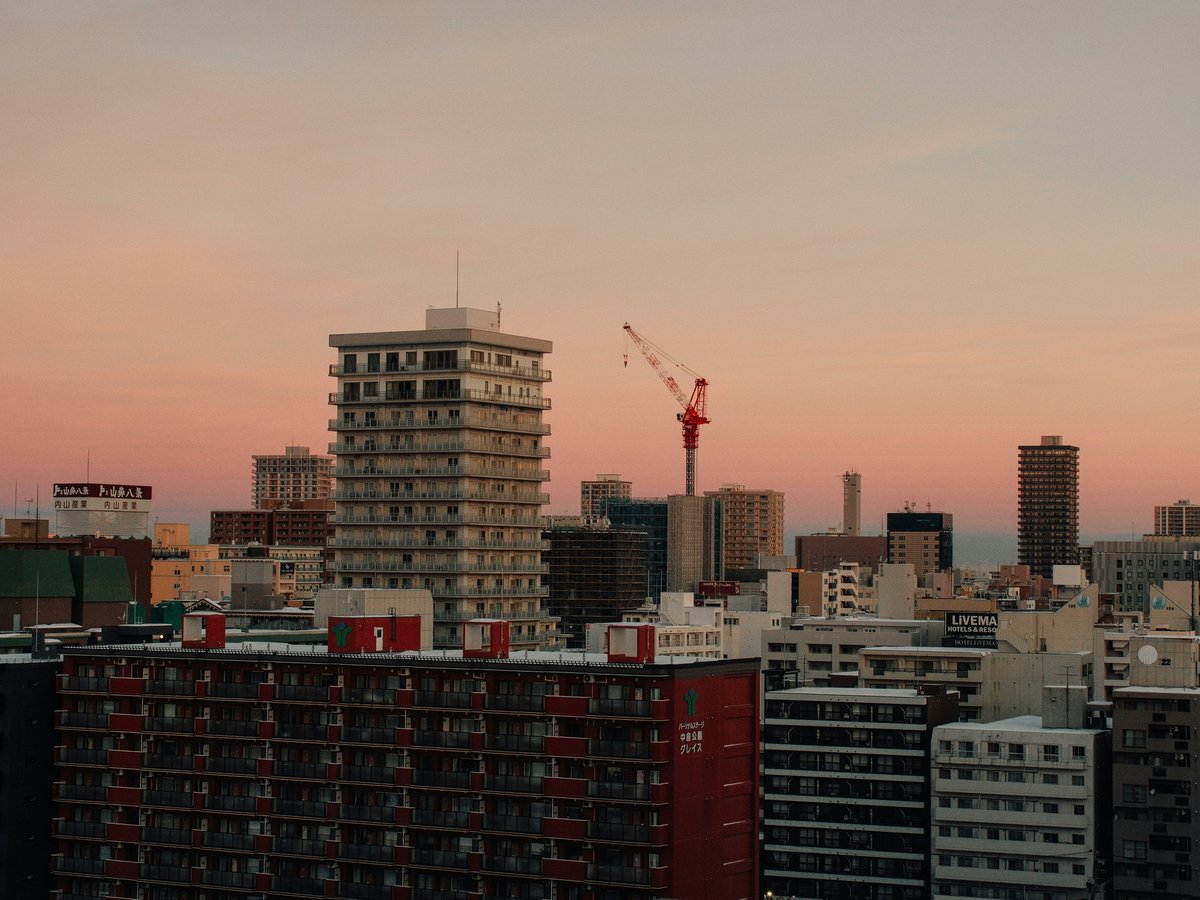
Sapporo tends to catch people off guard as a shopping city. Most visitors come for the snow or the ramen, and the shopping sort of sneaks up on them. The city has a distinctive retail personality shaped by Hokkaido's geography: long winters pushed much of the commercial life underground or into covered arcades, so you'll find yourself browsing in subterranean malls that stretch for blocks beneath the snow. What Sapporo does well is local goods: dairy products that rival anything in Europe, Hokkaido whisky, Ainu-inspired crafts, and confectionery brands that mainlanders travel here specifically to buy. The shopping scene skews practical and food-focused rather than high-fashion, though Tanukikoji and the station area have been creeping upmarket in recent years. Worth noting: Sapporo is where Hokkaido's produce, seafood, and artisan goods all converge before shipping south, so prices on regional specialties tend to be lower here than you'd find at a department store in Tokyo or Osaka.
Shopping districts
-
Tanukikoji Shopping Arcade
budget to mid-rangeThis covered arcade runs about a kilometer through the heart of the city, and it has the slightly worn-in feeling of a place that's been doing its thing since the 1870s. The western blocks lean toward younger fashion and vintage clothing shops, while the eastern end has more traditional goods, tea shops, and old-school restaurants. Some storefronts have clearly been there for decades: the kind with hand-painted signs and dim interiors stacked floor to ceiling. It's not polished, and that's the appeal. On weekday afternoons, it's mostly older locals and the occasional lost tourist. Weekends pick up.
Best for: Vintage clothing, local sweets, browsing without a plan
-
JR Tower and Sapporo Station Area
mid-range to high-endThe area around Sapporo Station has become the gravitational center for conventional retail. JR Tower houses Daimaru and Stellar Place, and the connected underground passageways link to Apia and Esta (or its successor developments). The feel is clean, climate-controlled, efficient: very much a modern Japanese department store experience. Cosmetics counters, brand-name fashion, electronics. If you need something specific and reliable, this is where you go. It lacks the character of the older shopping streets, but when it's minus fifteen outside, nobody's complaining about the underground concourse.
Best for: Department store shopping, electronics, cosmetics, rainy or frigid days
-
Odori Area and Underground Walkway
mid-rangeThe underground shopping corridor stretching from Odori Station toward Sapporo Station (locally called the Chi-Ka-Ho) is more than a pedestrian tunnel. Shops line both sides, and pop-up markets rotate through regularly. You'll find a mix of local fashion boutiques, Hokkaido food gift shops, and seasonal vendors. Above ground, the streets around Odori Park have a scattering of independent shops and cafes. The area has a slightly more curated feel than Tanukikoji, pitched at young professionals and office workers on lunch breaks. During the Snow Festival in February, the above-ground retail gets a significant bump.
Best for: Local fashion, Hokkaido food gifts, pop-up seasonal markets
-
Susukino
budget to mid-rangeSapporo's entertainment district is mostly known for its nightlife, but the surrounding streets have a surprisingly scrappy retail layer. Secondhand shops, vintage streetwear, music stores, and late-night don quijote runs. The vibe is younger and rougher around the edges: neon signs reflecting off wet pavement, the smell of grilled lamb drifting from genghis khan restaurants. Not where you go for a curated experience, but if you're looking for secondhand Japanese denim or obscure vinyl, it might deliver. Shops here tend to open later and stay open later than the rest of the city.
Best for: Secondhand clothing, vinyl records, late-night shopping
-
Maruyama and Roppongi-dori Area
mid-range to high-endWest of the city center, the Maruyama neighborhood has a quieter, residential-meets-boutique feel. Small independent shops selling ceramics, leather goods, local roasters, and handmade accessories sit alongside cafes where the coffee is taken seriously. It reminds me a bit of the slower commercial streets you find in Kyoto's back neighborhoods: nothing flashy, everything considered. This is where Sapporo residents with taste and patience tend to shop. You won't find big brands, and that's the point.
Best for: Independent boutiques, ceramics, specialty coffee gear, artisan goods
-
Kita Ichijo and Nijo Market Area
budget to mid-rangeThe blocks around Nijo Market have a utilitarian, working-market energy. Beyond the market itself, you'll find kitchen supply shops, packaging stores, and wholesale-adjacent retailers selling dried goods and seafood products in bulk quantities. It's not glamorous, but if you want to buy Hokkaido kelp, dried scallops, or salmon roe packed for travel at close to wholesale prices, this is the neighborhood. The streets smell like the sea, especially in the morning.
Best for: Bulk dried seafood, kitchen supplies, wholesale Hokkaido food products
Markets
-
Nijo Market
foodSapporo's central fish market has been operating since the late 1800s, and while it's gotten more tourist-oriented over the years, it still functions as a working market. Vendors sell fresh uni, crab, salmon roe, and seasonal catches: some for eating on the spot, some packed in ice for transport. The covered lanes are narrow and can get crowded by mid-morning. To be fair, prices here are higher than what locals pay at supermarkets, but the quality of the uni and ikura tends to justify it. Get there before ten if you want to see the fishmongers at their sharpest. The scent of brine and charcoal hits you before you even step inside.
Daily, roughly 7:00 to 18:00; individual stall hours vary, some close earlier
-
Sapporo Saturday Flea Market at Hokkaido Jingu
fleaWhen weather permits (typically spring through autumn) a flea market sets up in the grounds near Hokkaido Jingu shrine in Maruyama Park. Local vendors spread blankets with secondhand kimono, old ceramics, Showa-era kitchenware, and assorted household goods. The selection varies wildly week to week. Some Saturdays you'll find beautiful old Ainu-patterned textiles; other weeks it's mostly used baby clothes and chipped dishes. That unpredictability is half the charm. The surrounding park smells like pine and damp earth, and there's something nice about browsing pottery while squirrels argue in the trees overhead.
Select Saturdays, spring through autumn; weather-dependent, typically morning hours
-
Sapporo Autumn Fest at Odori Park
food and artisanTechnically a food festival rather than a market, but the scale of it (weeks long, stretching across multiple blocks of Odori Park) makes it function as an open-air market for Hokkaido's regional food producers. Stalls sell local wine from the Yoichi and Furano valleys, artisan cheese, smoked meats, and seasonal vegetables. You can taste and buy directly from producers who don't normally have retail presences in the city. The air smells like grilled corn and butter. It runs from September into October and draws serious crowds on weekends.
September to early October, daily during the festival period
-
Lilac Sunday Market at Odori Park
artisanDuring the Lilac Festival in late May and early June, a smaller artisan market appears in Odori Park alongside the flower displays. Local craftspeople sell handmade accessories, woodwork, botanical goods, and small-batch foods. It's modest in scale compared to the Autumn Fest but has a gentler pace: the kind of market where you end up chatting with the person who made the thing you're buying. The lilac trees are in bloom, the air is sweet and cool, and Sapporo is shaking off the last of winter.
Late May to early June, during the Lilac Festival
-
Sapporo Factory Christmas Market
seasonal and artisanHeld inside and around the Sapporo Factory complex in late November through December, this market borrows from the German Christmas market tradition: mulled wine, handmade ornaments, candles, wooden crafts. It leans festive and commercial, but the setting inside the old brewery building's atrium with the tall Christmas tree gives it a particular atmosphere. The Hokkaido cold outside makes the warm drinks and indoor lights feel earned. Worth visiting once, especially if you're in the city during the holiday season.
Late November through December, daily during the event period
Souvenirs worth bringing home
The best things to bring home from Sapporo are edible. Shiroi Koibito cookies are the obvious choice and they're genuinely good: buttery white chocolate sandwiched between thin langue de chat wafers. Royce chocolate, made in nearby Tobetsu, is another Hokkaido staple; the nama (fresh) chocolate is exceptional but needs to stay cold, so plan accordingly. LeTAO cheesecake from Otaru is widely available in Sapporo's department stores and train station shops. Beyond the famous brands, look for Hokkaido melon-flavored confections, lavender honey from Furano, and dried seafood: scallop strips and salmon jerky travel well and make surprisingly good gifts. Yoichi whisky from the Nikka distillery carries real weight as a gift; availability fluctuates, but the station area liquor shops and department store basement floors sometimes stock limited editions you won't find elsewhere. For non-food items, Ainu-craft woodwork and embroidered textiles carry genuine cultural significance: look for pieces sold through cultural centers or shops connected to Ainu communities rather than mass-produced imitations. Hokkaido lavender sachets and small carved wooden bears (kibori no kuma) are classic Hokkaido souvenirs, a bit kitschy but honestly charming. Mind you, many of the most popular food souvenirs are available at New Chitose Airport, so you don't need to haul everything through the city, but prices at the source shops and factory outlets tend to be slightly better.
Practical tips
- Bargaining
- Fixed prices are the norm in Sapporo, as in the rest of Japan. Don't try to haggle at shops, department stores, or most market stalls: it will likely create awkwardness. The one exception might be flea markets, where gentle negotiation is sometimes acceptable, particularly if you're buying several items from the same vendor. Even then, keep it low-key.
- Tax-Free Shopping
- Foreign visitors can get an exemption on the 10% consumption tax for purchases over a certain threshold at shops displaying the Tax-Free logo. Department stores, electronics retailers, and larger shops in the station area handle this routinely: bring your passport. The process involves paperwork at a designated counter, and purchased goods are typically sealed in a bag that you're not supposed to open until you leave Japan. Smaller independent shops rarely participate.
- Opening Hours
- Most shops in the station area and department stores open around 10:00 and close between 20:00 and 21:00. Tanukikoji shops often keep slightly shorter hours, and some close on irregular weekdays. Susukino's retail tends to open later, around noon, and stays open until late evening. Convenience stores are 24 hours, obviously, and stock a surprising range of Hokkaido-exclusive snacks and drinks that make decent budget souvenirs.
- Payment Methods
- Cash is still widely used in Sapporo, though credit cards are accepted at department stores, chain shops, and larger retailers. IC cards like Kitaca or Suica work at convenience stores and many vending machines. Smaller independent shops, flea market vendors, and some traditional Tanukikoji businesses may be cash-only. Carrying a reasonable amount of yen is still sensible here: ATMs in convenience stores (Seven Bank, especially) accept international cards.
- Seasonal Considerations
- Winter shopping in Sapporo is heavily underground for practical reasons: when it's snowing sideways, the Chi-Ka-Ho walkway and connected underground malls see peak foot traffic. Summer is the season for outdoor markets and festivals. The best selection of seasonal food souvenirs shifts through the year: melon products peak in summer, autumn brings new-harvest rice crackers and wine, and winter means fresh crab and limited-edition chocolate sets.
- Luggage and Shipping
- If you buy more than you can carry, most department stores offer domestic shipping (takkyubin) and some handle international parcels. The Yamato Transport and Sagawa offices scattered around the city can ship boxes to the airport or your next hotel for a reasonable fee. New Chitose Airport also has shipping counters. For fragile items like pottery or glass, the department store wrapping service tends to be meticulous.
FAQ
What is the best area for shopping in Sapporo?
It depends on what you're looking for. The JR Tower and Sapporo Station area is the most convenient for department store shopping and brand names. Tanukikoji offers a more eclectic, old-school browsing experience. For food souvenirs specifically, the depachika (basement food floors) in Daimaru or Mitsukoshi are hard to beat. Maruyama suits people who prefer small independent shops over commercial retail.
Is Nijo Market worth visiting for shopping or just for eating?
Both, though the balance has shifted toward eating in recent years. You can still buy fresh and dried seafood packed for travel, and the dried goods (kelp, scallop strips, salmon jerky) make practical souvenirs. Prices are higher than a supermarket, but the quality and selection of Hokkaido seafood in one place is convenient. Go in the morning for the best atmosphere and freshest stock.
Can I get tax-free shopping in Sapporo?
Yes. Shops displaying the Tax-Free or Japan Tax-Free logo can process an exemption on the 10% consumption tax for foreign tourists, provided your purchases meet the minimum threshold and you have your passport. Department stores and large electronics shops handle this routinely. Look for the tax-free counter, which is sometimes on a different floor from where you made your purchase.
What food souvenirs from Sapporo travel well?
Shiroi Koibito and Royce chocolate bars (the non-nama varieties) are shelf-stable and packaged for travel. Dried scallop strips, salmon jerky, and Hokkaido kelp are lightweight and keep well. Yoichi whisky travels fine in checked luggage if wrapped carefully. The nama (fresh) chocolate and cheesecakes need cold chain, so either eat them quickly or use the airport shops where they pack them with ice packs for same-day flights.
Are there any good flea markets in Sapporo?
The Saturday flea market near Hokkaido Jingu shrine in Maruyama Park is the most established one, running on select Saturdays from spring through autumn. Selection varies (some weeks are better than others) and weather can cancel it. There are occasional flea markets in other parks and community centers, but they're not on a fixed schedule, so checking local event listings closer to your visit is the practical approach.
Do shops in Sapporo accept credit cards?
Department stores, chain retailers, and electronics shops widely accept major credit cards. Smaller independent shops, traditional businesses in Tanukikoji, and market vendors are more likely to be cash-only. IC transit cards work at convenience stores and some vending machines. Having cash on hand is still advisable, especially if you plan to visit markets or older shopping streets. Seven Bank ATMs in convenience stores are the most reliable option for international card withdrawals.
Last verified by automated review (v1.7.2) on . What is automated review?