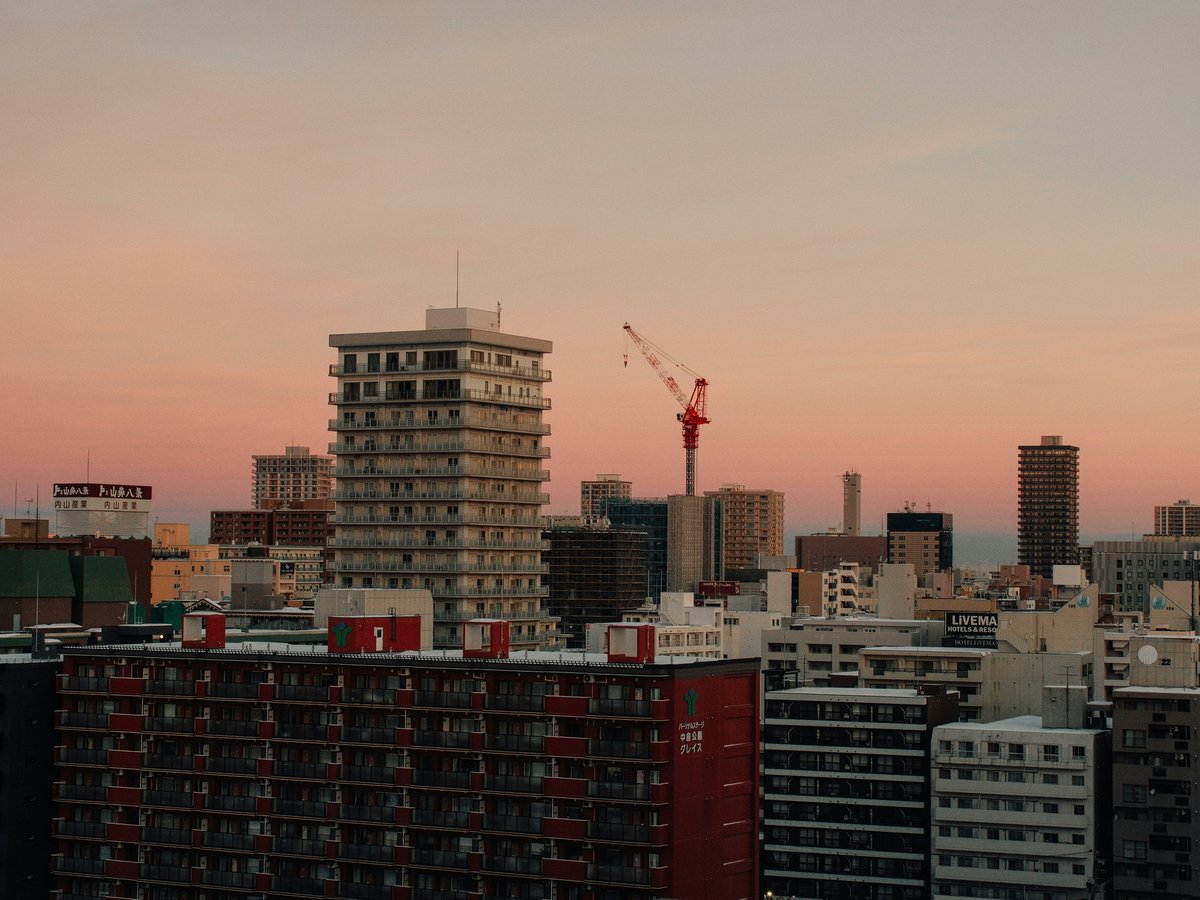
Is Sapporo safe?
Sapporo scores 8.5 out of 10 for solo-traveler safety (see the TTDI Solo-Safety Index). Violent crime against visitors is near zero. The real risks are winter sidewalk ice from November through March, language barriers at smaller clinics, and Susukino bar touts after midnight who steer solo drinkers toward overpriced bottles. Emergency numbers are 110 (police) and 119 (ambulance).
Sapporo earns its high solo-safety rating. Japan consistently ranks among the 10 safest countries on the Global Peace Index, and Hokkaido reports lower crime rates than Tokyo or Osaka. Pickpocketing is the primary risk, concentrated at the Snow Festival in Odori Park each February (over 2 million visitors across 7 days) and at Tanukikoji Shopping Arcade during peak tourist months. It remains rare enough that locals leave bags unattended at cafe tables. I'd walk Chuo-ku, Kita-ku, or Nishi-ku alone at 2am without a second thought. The Namboku, Tozai, and Toho subway lines run until about midnight. Taxis are metered starting at 670 yen (around $4.20 at the current rate of 159.6 yen per dollar), and drivers will not try to overcharge you. Solo women report feeling safer walking Sapporo's residential wards at night than in most North American or European cities.
Susukino, Sapporo's entertainment district south of Odori Park, needs its own assessment. The main strip along Minami 4-jo through Minami 6-jo is well-lit, police-patrolled, and packed with legitimate ramen shops and izakayas open until 3am. You'll smell grilled lamb and miso broth from half a block away. The narrow alleys running east of Ekimae-dori are where solo travelers get into trouble. Bar touts approach in English, offer "free drinks," then present a bottle-keep tab of 20,000 to 50,000 yen ($125 to $313). This targets solo male visitors almost exclusively. Walk past anyone who approaches you on the street. If you want a drink, pick the place yourself. The standing bars along Kita 3-jo west of Sapporo Station are better for solo drinkers. Counter seats, no cover charge, warm sake in a ceramic cup, and the person beside you is likely another solo local willing to split a plate of Genghis Khan lamb.
The risk that catches most visitors off guard is not crime. It's ice. From late November through mid-March, Sapporo's sidewalks freeze solid after sunset. The city lays heating coils under some central walkways in Chuo-ku, but residential streets in Kita-ku and Atsubetsu-ku become treacherous. Hospital ERs near Sapporo Station see a noticeable rise in foreigner visits for wrist and ankle fractures every January. Clip-on ice grippers cost 330 yen at any Daiso or Tsuruha Drug. Temperatures drop to minus 10 Celsius regularly in midwinter, and the dry cold cuts through denim in minutes. An underground walkway runs from Sapporo Station through Odori to Susukino (about 1 km total), letting you avoid surface ice entirely. That tunnel smells like fresh taiyaki from the vendors near its midpoint. Earthquakes are the other serious consideration. The September 2018 Hokkaido Eastern Iburi earthquake (magnitude 6.7) cut power across the island for 2 days. Download the NHK World app for early warnings.
Solo dining here might be the easiest in Japan after Tokyo. Ramen Yokocho in Susukino has 17 stalls, each with 6 to 10 counter seats, and nobody looks twice at a solo bowl of miso ramen at 11pm. A bowl runs 900 to 1,200 yen ($5.60 to $7.50). Soup curry, Sapporo's other signature dish, is served at counter-friendly spots throughout central Chuo-ku. Nijo Market opens at 7am and serves crab legs, uni, and scallops still warm from the grill. You sit on a stool, point at what you want, and eat. No reservation, no two-person minimum. For meeting other travelers, the hostel scene near Tanukikoji and Nijo Market is small but sociable, with several places running communal dinners and walking tours. Single-occupancy rooms in business hotels near Sapporo Station typically run 5,000 to 8,000 yen ($31 to $50) per night, with no supplement penalty over the double rate.
Dial 110 for police, 119 for fire and ambulance. English support on 110 is limited, so ask your hotel front desk to call on your behalf if the situation allows. Sapporo Medical University Hospital in Chuo-ku has an international patient desk staffed on weekdays. Japan's healthcare system is excellent but charges foreign visitors the uninsured rate, so a simple ER visit can run 30,000 to 50,000 yen ($188 to $313). Travel insurance with evacuation coverage matters here. Koban (police boxes) are posted every few blocks in Chuo-ku and Kita-ku. The officers inside rarely speak English, but they will pull out a laminated phrase card or call a translator line. They are open 24 hours and the safest place to go if you feel lost or uncomfortable at night. Bear activity warnings occasionally appear for outer hiking trails like Moiwa-yama and Maruyama Park between June and October. Check posted signs at trailheads before heading out solo.
Emergency number: 110 / 119
Official travel advisories
Normal precautions the most cautious of 3 government assessments
- Government of CanadaLevel 1Take normal security precautions View advisory
- UK Foreign OfficeLevel 1No FCDO travel restriction View advisory
- US State DepartmentLevel 1Exercise Normal Precautions View advisory
Verified from the issuing governments' own feeds.
Areas to avoid
- Susukino side alleys east of Ekimae-dori after midnight (bar-tout scam zone targeting solo foreigners)
- Nakajima Park paths after dark in winter (unlit, icy, isolated)
Common concerns
- Winter sidewalk ice causing falls and fractures (November through March)
- Susukino bar-tout bottle-keep scam (fraudulent tabs of 20,000 to 50,000 yen)
- Language barrier at police boxes (koban) and smaller clinics
- Earthquake preparedness (Hokkaido seismic zone, magnitude 6.7 in September 2018)
- Uninsured medical costs for foreign visitors (ER visits 30,000 to 50,000 yen)
- Bear activity warnings on outer hiking trails (Moiwa-yama, Maruyama Park) June through October
Last verified by automated review (v1.7.2) on . What is automated review?