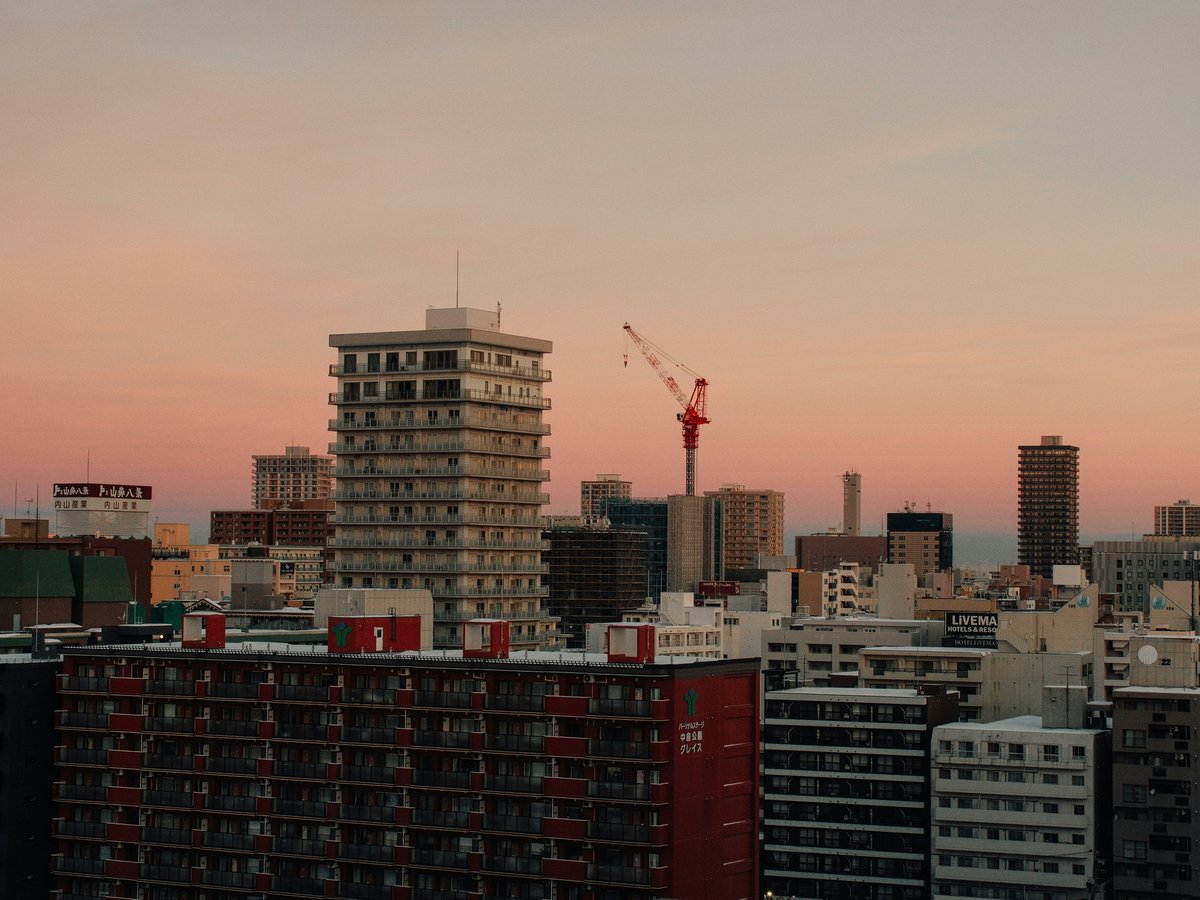
Sapporo after dark is a different creature from Tokyo or Osaka. The pace is slower, the crowds more forgiving, and the cold (that deep Hokkaido cold from November through March) shapes everything about how people drink here. Locals tend to start early, often around six or seven, ducking into tiny bars straight from work while snow piles up outside. The city's nightlife clusters tightly, mostly within walking distance in the Susukino district, which means you can wander between spots without fumbling for a taxi. There's a warmth to the drinking culture that might catch you off guard: bartenders remember your order, regulars make room at the counter, and nobody rushes you out. Sapporo is a beer city at heart (Sapporo Breweries was born here) but the whisky and shochu scene has been quietly growing for years. Things don't rage until dawn the way they do in Roppongi. Most places wind down by two or three, though a handful of spots keep their lights on later. The overall feeling is convivial rather than hedonistic. People come out to talk, to eat, to warm up.
Sapporo's Bar Scene: Intimate Counters, Strong Pours, Cold Nights
The cocktail bar scene in Sapporo tends to be quieter and more meticulous than what you'd find in Tokyo's Ginza corridor, but the skill level is genuinely high. Many of the city's best bars seat eight or ten people at a single counter: you'll hear ice being hand-carved, the clink of mixing glasses, and not much else. Japanese bartending culture runs deep here, and the formality of the pour is part of the experience. Expect classically trained bartenders in vests working through precise jigger measurements, often with that theatrical hard shake that looks like it might dislocate a shoulder. Whisky is a serious draw. Hokkaido has its own distilling identity (Nikka's Yoichi distillery is only an hour away by train) and you'll find bars with Yoichi and Miyagikyo selections that would be difficult to source elsewhere. Some places carry dusty bottles of discontinued single malts behind the counter, the kind of thing a collector would weep over. Worth noting: these whisky-focused bars often charge by the pour rather than the glass, and rare bottles can get expensive quickly. Dive bars (or what locals might call 'snack bars') are their own category entirely. Scattered through the upper floors of Susukino's buildings, these are small, mama-san-run establishments where one woman tends bar, picks the karaoke playlist, and keeps conversation going with five or six regulars. The drinks are simple: beer, highballs, shochu with water. The cover charge, called a 'charm fee' or otoshi, typically includes a small dish of food you didn't order: pickled vegetables, edamame, a few slices of kamaboko. It's not optional. You eat it, you pay for it, and honestly, it's part of the charm. Rooftop bars aren't really Sapporo's thing. The winters are too brutal, and the building codes in Susukino don't lend themselves to open-air terraces. That said, a few hotel bars on higher floors offer views across the city grid toward the mountains: the beer gardens on department store rooftops operate in summer only, roughly June through August, and they're more about all-you-can-drink Sapporo Classic on draft than craft cocktails. Wine bars have been creeping into the scene, particularly around the Tanukikoji and Odori areas. Hokkaido wine (from the Yoichi and Furano regions) is still relatively unknown internationally, and some of these bars pour local vintages you genuinely can't get outside the island. The reds tend toward lighter, cooler-climate styles. Not for everyone, but if you're curious, this is the place to try them.
Clubbing in Sapporo: Compact, Unpretentious, and Colder Than You Think
Sapporo's club scene is modest compared to Tokyo or even Fukuoka, but it has a loyal following and a particular personality. Most of the clubs are concentrated in Susukino, packed into basements and mid-floor spaces in commercial buildings: you'll walk past ramen shops and karaoke parlors on your way in. The genres lean toward house, techno, and hip-hop, with hip-hop nights drawing the largest crowds, particularly on weekends. EDM in the Tokyo mega-club sense isn't really a thing here. The rooms are smaller, the sound systems range from surprisingly good to adequate, and the DJs are often local residents who've been holding down weekly slots for years. Dress codes are loose by Japanese standards. Most places won't turn you away for wearing sneakers and jeans, though showing up in shorts and sandals (even in summer) might get a look. The vibe is casual enough that you'll see people in work clothes who clearly came straight from the office. Cover charges vary but typically sit in the range of a couple of thousand yen, often including one or two drink tickets. Some events charge more, especially when touring DJs from Tokyo or abroad come through. Things start late. Really late. Most clubs don't see a real crowd until midnight, and peak hours run from around one to three in the morning. On weeknights, some places struggle to fill a room, so Friday and Saturday are your best bet unless there's a specific event. One quirk of the Sapporo scene: because last trains run around midnight and the subway doesn't restart until roughly six in the morning, going clubbing often means committing to being out until dawn. Taxis are the alternative, but they're not cheap. Plenty of people just stay out, grab ramen at four in the morning, and catch the first train home. The fumeiyo ('disreputable') reputation that Susukino sometimes gets in guidebooks is overstated for clubs. The venues that cater to tourists and the ones that cater to local clubbers are generally different places, and you'll figure out which is which pretty quickly.
Live Music in Sapporo: Small Stages, Devoted Crowds
Sapporo has a genuine live music culture, though it operates on a smaller scale than the Tokyo or Osaka circuits. The city's live houses (the Japanese term for small music venues) are mostly clustered around Susukino and the streets south of Odori Park. These tend to be basement rooms with capacity for fifty to two hundred people, low ceilings, and sound that ranges from carefully calibrated to charmingly rough. The local scene skews toward indie rock, punk, and a style of melodic pop-rock that's distinctly Hokkaido: bands that tour the Sapporo-Asahikawa-Hakodate circuit before maybe making the jump to Tokyo. Jazz has a quiet but persistent presence. Sapporo has maintained a handful of jazz bars and small jazz venues for decades, and some of these rooms have a lived-in quality that's hard to replicate: worn leather seats, cigarette-stained walls, a baby grand piano that's been retuned a thousand times. Weekend evenings tend to have the most consistent programming. Cover charges at live houses usually include one drink and sit in the mid-range: call it somewhere between the cost of a decent meal and a minor splurge. The atmosphere at most shows is attentive and respectful; Japanese audiences listen carefully, applaud generously, and don't typically talk over the music. During summer, the Sapporo music scene opens up considerably. Outdoor events and festivals bring in acts from across Japan and occasionally international performers. The energy shifts: people are out later, the parks host informal gatherings, and the city feels like it's exhaling after months of snow. If you're visiting between June and September and wondering what night to go out for live music, check local listings closer to your trip. Schedules change seasonally and lineups are usually announced a few weeks in advance.
Nightlife neighborhoods
-
Susukino
The gravitational center of Sapporo nightlife: block after block of neon signs stacked vertically up narrow buildings, with bars, clubs, restaurants, and karaoke boxes occupying every floor. The sensory overload is real: flashing signs, the smell of grilling lamb from jingisukan restaurants, touts calling out from doorways. It's dense, loud, and a little chaotic in the best way. Feels most alive between ten at night and two in the morning on weekends.
- Best for
- Anyone who wants variety: you can drink at a formal whisky counter, stumble into a standing-room-only izakaya, and end the night at a karaoke box, all within a three-block radius. Best on Friday and Saturday nights when the full spectrum opens up.
-
Tanukikoji and Odori
A mellower counterpoint to Susukino's intensity. The covered Tanukikoji shopping arcade has a few bars tucked into its side streets, and the area around Odori Park attracts an older, more settled crowd. Wine bars, quiet izakayas, and the occasional craft beer spot. The mood is conversational: people leaning across small tables, sharing plates, keeping voices low. In summer the beer gardens on the rooftops near Odori are a local institution.
- Best for
- A calmer evening out, date nights, or anyone who wants to eat well and drink thoughtfully without navigating Susukino's chaos. Weeknight-friendly: places here don't depend on weekend energy to stay interesting.
-
Kita-nijūyo-jō (North 24th Street / Kita 24 area)
A residential neighborhood north of the city center that has slowly accumulated a handful of small, personality-driven bars and cafes. This isn't a nightlife district in any traditional sense: it's a few scattered spots run by people who wanted to be slightly off the beaten path. The bars here tend to feel like someone's living room with a liquor license. Quiet, warm, sometimes playing vinyl on a turntable. Not all are open every night, so checking ahead is wise.
- Best for
- Repeat visitors who've done Susukino and want something more intimate. People who like discovering places that feel like a local secret. Any night of the week: the pace doesn't change much.
-
Sōsei River East (Factory District / Sōsei-gawa East)
The area east of the Sōsei River has been slowly repurposed: old warehouses and commercial spaces turning into craft breweries, event spaces, and the occasional gallery bar. It's still rough around the edges in places, and whether it becomes a fully realized nightlife district or stays charmingly half-formed is an open question. At the moment it feels like a neighborhood in transition, which gives it a certain raw energy that Susukino's established grid lacks.
- Best for
- Craft beer enthusiasts, people interested in the creative and startup side of Sapporo's scene, and anyone who doesn't mind walking a few extra blocks from the subway for something slightly different. Weekends tend to be livelier.
Safety after dark
Sapporo is genuinely safe by global standards, and walking around Susukino at two in the morning is something locals (including women) do routinely without much thought. That said, a few things are worth keeping in mind. The most common issue for visitors is the tout situation in Susukino: people standing outside certain bars and clubs will try to pull you inside with promises of cheap drinks or friendly conversation. These places (sometimes called 'catch bars') occasionally hit you with a bill that's several times what you expected. The simple rule is: if someone on the street is aggressively inviting you in, keep walking. Places that need touts to fill seats are usually not where you want to be. Drink spiking is rare but not unheard of in any bar district globally: the same common sense applies here. Keep your drink in your hand, don't accept drinks from strangers in contexts that feel off. Getting home is the bigger practical concern. The Namboku, Tōzai, and Tōhō subway lines all stop running around midnight and don't resume until roughly six in the morning. Taxis are plentiful (you'll find ranks near the major Susukino intersections) but a ride to outlying hotels or residential areas can run several thousand yen. In winter, be careful on sidewalks after midnight; the packed snow turns to ice and even locals slip regularly. Wear shoes with grip. One more thing: some smaller bars in Susukino's upper floors are membership-based or semi-private, and walking into one uninvited can create an awkward moment. If there's no visible menu or price list near the entrance, it might be worth asking before sitting down.
Practical tips
- Otoshi (table charge)
- Almost every sit-down bar and izakaya will bring you a small dish you didn't order: edamame, a tiny salad, pickled something. This is the otoshi, and it functions as a cover charge, typically a few hundred yen per person. It's not optional and it's not a mistake. Declining it is considered rude and will just create confusion. Think of it as the cost of sitting down.
- Tipping
- Don't tip. Anywhere. It's not expected and in many places it will genuinely confuse the staff. At higher-end cocktail bars, the service charge (if there is one) is already in the bill. Leaving coins on the counter or rounding up the bill isn't a thing. If you want to show appreciation, a sincere thank you and returning another time is the local way.
- Last order and closing time
- Bars will typically announce a 'last order' (rasuto ōdā) thirty minutes to an hour before closing. When you hear it, order what you want; trying to order after last call is a losing battle. Most bars in Susukino wind down between midnight and two on weeknights, with weekend hours stretching to three or occasionally later. Some spots close abruptly at their posted time regardless of how busy they are: Japanese punctuality applies to closing as much as opening.
- Cash vs. cards
- Carry cash. Sapporo has been slowly adopting card payments and IC cards like Kitaca or Suica work in many chain establishments, but smaller bars (especially the snack bars, standing bars, and older izakayas) are still cash-only. A few thousand yen in your pocket saves you from an awkward moment at a counter with no card reader. Convenience store ATMs (7-Eleven is most reliable for foreign cards) are open around the clock.
- Winter considerations
- From roughly December through March, walking between bars means navigating packed snow and ice. The underground walkway connecting Sapporo Station to Susukino (called the Pole Town and Aurora Town passages) keeps you out of the cold for a good stretch, but once you surface into the side streets, you're exposed. Dress warmly and wear boots with traction. Bar-hopping in heels on February ice is a recipe for a hospital visit. Some izakayas have shoe-removal entryways, so wearing something easy to take on and off helps.
- Smoking
- Japan's smoking laws changed nationally, but enforcement and culture vary. Many smaller bars in Sapporo still allow smoking indoors, and at the counter of a tiny six-seat bar, there's nowhere to hide from it. If smoke bothers you, check before sitting down: larger establishments and newer places are more likely to be non-smoking or have separated areas. The haze in a packed Susukino snack bar at midnight is, for better or worse, part of the atmosphere.
FAQ
What time does nightlife start and end in Sapporo?
Most people start heading out between six and eight in the evening for food and early drinks. The bar scene picks up around nine or ten. Clubs don't see real numbers until midnight or later, and peak hours tend to be one to three in the morning. By three or four, most places have closed, though a few late-night spots and all-night karaoke joints keep going until the first subway trains around six.
Is Susukino safe to walk around at night?
Generally, yes. Susukino is Sapporo's main entertainment district and thousands of people move through it every night. The streets are well-lit and busy. The main things to be cautious about are aggressive touts trying to pull you into overpriced bars, just politely decline and keep walking. Violent crime targeting visitors is quite rare, but the usual urban common sense still applies: watch your belongings and stay aware of your surroundings.
Do I need to speak Japanese to enjoy Sapporo's bars?
It helps, but it's not a hard requirement. In Susukino's more popular spots, staff are increasingly used to foreign visitors and some have basic English menus. At smaller bars and snack bars, you might be navigating entirely in Japanese, which can be part of the fun: pointing at bottles, using a translation app, or just letting the bartender choose for you. A few phrases go a long way: 'osusume wa?' (what do you recommend?) tends to earn goodwill.
What do locals drink in Sapporo?
Beer is king: Sapporo Classic, the Hokkaido-only draft lager, is what most people default to for the first round. After that, highballs (whisky and soda) are probably the most common order. Shochu, both straight and mixed, is popular with an older crowd. Sake consumption is steady but less dominant than in some other Japanese cities. Among younger locals, canned cocktails (chūhai) and lemon sours have been trending for a while. Wine is growing but still niche.
How do I get home after the subway stops running?
Taxis are the main option. You'll find taxi ranks near the big Susukino intersections, and hailing one on the street is usually straightforward. The ride can be pricey depending on distance: figure several thousand yen to reach outlying areas. Some people simply stay out until the first trains start running around six in the morning, passing the time in all-night restaurants, karaoke boxes, or manga cafes. Ride-sharing apps are not widely used in Sapporo.
Are there any cover charges at bars in Sapporo?
Most bars don't have an explicit 'cover charge' in the Western sense, but nearly all sit-down establishments charge an otoshi: a small appetizer fee that's automatically added to your bill, usually a few hundred yen per person. Clubs typically charge a door fee that often includes one or two drink tickets. Standing bars and some casual izakayas may skip the otoshi entirely. When in doubt, check near the entrance for posted prices or ask before you sit down.
Last verified by automated review (v1.7.2) on . What is automated review?