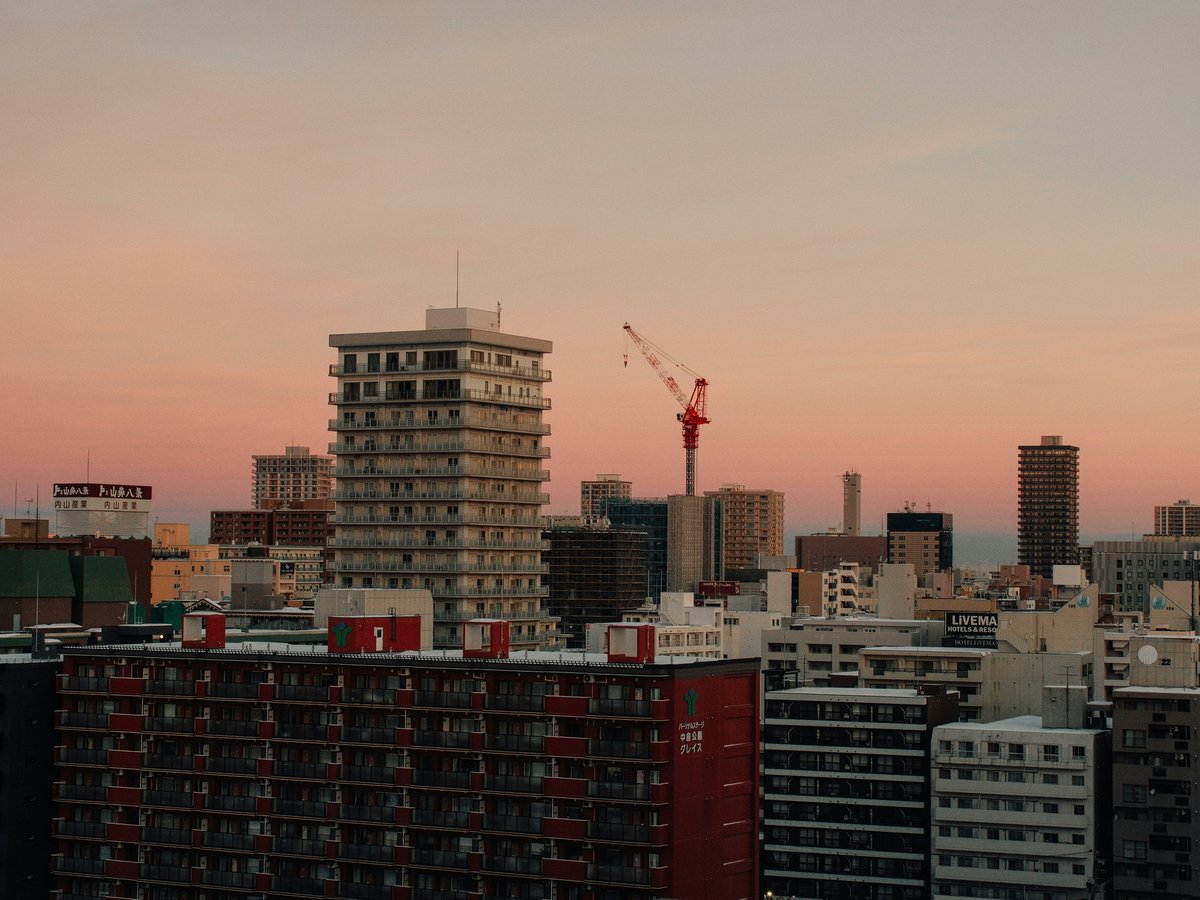
Sapporo on a budget
Here's Sapporo through the lens of budget travelers: the canonical questions worth asking before you book a flight, the curated lists worth opening when you want a shortcut to local expertise, and the live right-now data below ready to inform your next decision about when, where, and how to spend your time on the ground.
Sapporo for budget travelers, in numbers
- Picks on this page
- 9 places across 1 lists, led by the b sapporo, Sapporo Grand Hotel, Vessel Inn Sapporo Nakajimakoen
- budget-tier hotels
- 57 in the Trip.com poolfrom US$12 a night
Questions budget travelers ask about Sapporo
-
Cost per day
Sapporo runs ¥6,400 ($40) per day on a hostel-and-ramen budget, ¥16,000 ($100) midrange with a business hotel and sit-down meals, or ¥48,000 ($300+) for luxury. The budget works because Sapporo's best food is its cheapest. A bowl of miso ramen at a Susukino counter costs ¥850, and most parks charge nothing.
Read the full answer → -
What to avoid
Skip the paid interior of the Sapporo Clock Tower, the ramen counters of Ganso Ramen Yokocho, and every street tout on the Susukino crossing. From New Chitose Airport, take the JR Rapid Airport train rather than a taxi, since it reaches Sapporo Station in about 37 minutes. In winter, never walk the iced pavements in smooth-soled shoes.
Read the full answer → -
Getting around
Subway and walking cover 90% of a Sapporo trip. Three subway lines converge at Odori Station; load a Kitaca or Suica IC card at any station machine (500-yen deposit, charge 2000 yen for three days). The underground walkway connecting Sapporo Station to Susukino keeps you moving when snow buries the sidewalks. GO taxi app fills the gaps after midnight.
Read the full answer → -
Airport to city
Take the JR Rapid Airport train from New Chitose Airport (CTS) to Sapporo Station: 1,150 yen ($7), 37 minutes, every 15 minutes from the basement level. Fastest and cheapest option by far. After the last train around 10:45pm, airport buses still run to major hotels; taxis cost roughly 15,000 yen ($94).
Read the full answer → -
Food culture
Sapporo's food identity runs on three pillars: miso ramen born in its postwar noodle alleys, Genghis Khan lamb grilled on dome-shaped iron plates, and soup curry invented here in the 1970s. The cold climate shaped everything: rich, fatty, warming food built for long winters. Hokkaido's dairy and seafood supply chain means ingredients tend to be fresher than almost anywhere else in Japan.
Read the full answer →