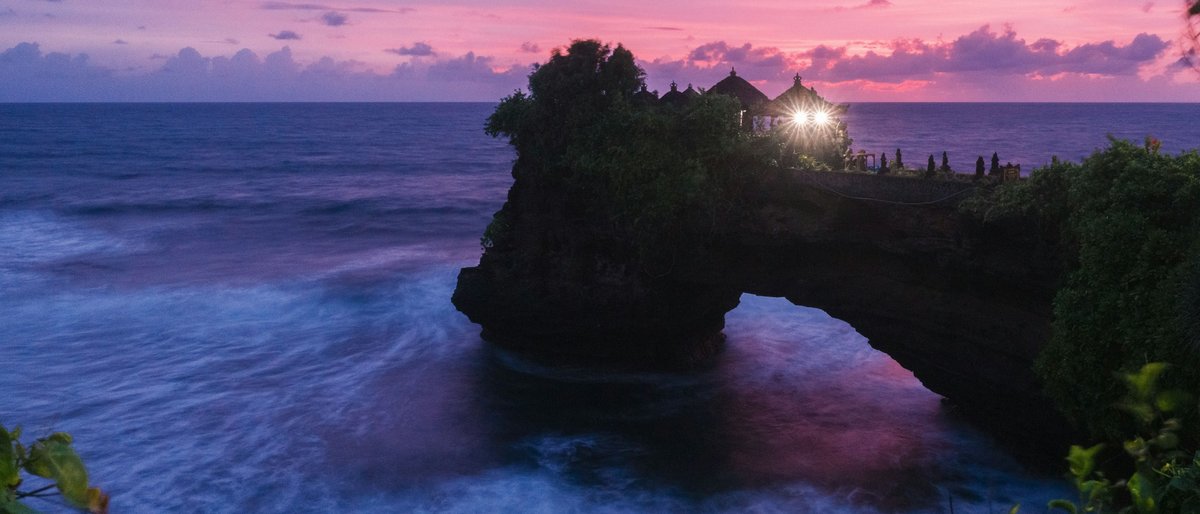
March in Bali sits right at the tail end of the wet season, and that single fact shapes everything about your trip. You're looking at around 222mm of rainfall spread across roughly 25 days of the month — which sounds worse than it is, because most of those showers come as intense afternoon downpours that clear within an hour or two. Mornings tend to be warm and relatively dry, with temperatures hovering around 29.6°C (85°F) during the day and dropping to a sticky 24.1°C (75°F) at night. The humidity sits at about 86%, the kind that fogs up your sunglasses the moment you step out of air conditioning.
That said, March is improving compared to January and February. Rainfall drops noticeably — from 285mm in February down to 222mm — and you can feel the season turning. The rice terraces are at their most intensely green, fed by months of rain, and the waterfalls run at full force. There's a rawness to the landscape that the dry-season crowds never see. To be fair, though, the biggest event of March in Bali isn't weather-related at all: Nyepi, the Balinese Day of Silence, typically falls in March (it follows the Saka lunar calendar, so dates shift). The entire island shuts down for 24 hours. No flights, no cars, no restaurants, no walking on the beach. Nothing. If you're not prepared for it, Nyepi can wreck your plans. If you are prepared, the Ogoh-Ogoh parades the night before are one of the most extraordinary things you'll witness anywhere in Southeast Asia.
March is not Bali's best month. The dry season from May through September offers more reliable weather, lower humidity, and calmer seas for diving. But March has its own appeal — lower prices, thinner crowds at the temples, and that particular lushness that only comes from months of tropical rain. You just need to be the kind of traveler who doesn't mind getting caught in a downpour now and then.
Why visit in March
- Rice terraces at peak green intensity — Tegallalang and Jatiluwih look almost unnaturally lush after months of steady rain
- Nyepi and the Ogoh-Ogoh parade offer a once-a-year cultural experience that most tourists never witness
- Hotel rates drop 30-50% compared to the July-August and December-January peaks, with genuine bargains in Seminyak and Ubud
- Waterfalls like Sekumpul and Gitgit run at maximum flow — far more impressive than their dry-season trickle
- Crowds thin out considerably at major temples like Uluwatu and Tanah Lot, meaning you can actually enjoy them without jostling for photos
Worth knowing
- Rain on roughly 25 of 31 days — not all-day rain, but you will get wet repeatedly
- 86% humidity makes even 30°C feel oppressive, if you're not accustomed to tropical climates
- Nyepi shuts down the entire island for 24 hours: no flights land or depart, hotel guests are confined to their property, and the airport closes completely
- Surf conditions on the west coast are inconsistent; strong swells and currents make some popular breaks unsafe for intermediate surfers
Best for
Think twice if
March is warm, wet, and humid — the tail end of the monsoon but noticeably drier than January or February. Expect heavy afternoon showers most days, often preceded by building cloud cover through late morning. The rain tends to come in sharp bursts: 30 to 90 minutes of serious downpour, then clearing skies. Mornings are usually the driest window. The heat is less about the raw temperature and more about the humidity — 30°C with 86% humidity creates a real-feel temperature closer to 36-37°C (97-99°F). Nights offer minimal relief, rarely dropping below 24°C (75°F). The sea temperature sits around 28-29°C (82-84°F), so ocean swimming feels like stepping into a warm bath.
Seasonal caution
- Heavy rainfall averaging 222mm across 25 rainy days — flash flooding can affect low-lying roads in Kuta and parts of Denpasar, after sustained afternoon downpours
- Strong ocean currents and larger swells along the southwestern coast make swimming riskier at beaches without reef protection; pay attention to local warning flags
- Mosquito populations peak during the wet season — dengue risk is elevated, so repellent and long sleeves in the evenings are worth taking seriously
Year-round climate
Averages from the last 5 years.
| Month | Avg high (°C) | Avg low (°C) | Rainfall (mm) |
|---|---|---|---|
| Jan | 29 | 24 | 310 |
| Feb | 29 | 24 | 285 |
| Mar | 30 | 24 | 222 |
| Apr | 30 | 24 | 141 |
| May | 29 | 24 | 132 |
| Jun | 29 | 24 | 115 |
| Jul | 27 | 23 | 90 |
| Aug | 28 | 23 | 58 |
| Sep | 28 | 23 | 112 |
| Oct | 30 | 23 | 107 |
| Nov | 30 | 24 | 213 |
| Dec | 30 | 24 | 268 |
Headline events
Nyepi — Balinese Day of Silence
Shifts yearly with the Saka lunar calendar — typically falls in March, occasionally early April. Check exact dates before booking.
The entire island of Bali goes completely silent for 24 hours. No one leaves their home or hotel. The airport closes. No lights, no fires, no entertainment. The night before, enormous papier-mâché demon statues called Ogoh-Ogoh are paraded through every village and then burned at crossroads. It's the Balinese New Year according to the Saka calendar, and there is nothing else like it anywhere on earth. The silence is so complete that on clear Nyepi nights, the Milky Way becomes visible even from Kuta.
Best things to do in March
Watch the Ogoh-Ogoh Parade
culturalThe night before Nyepi, communities across Bali parade enormous hand-built demon effigies through the streets accompanied by gamelan orchestras, chanting, and controlled chaos. Each banjar (neighborhood) builds its own Ogoh-Ogoh, and the competition between villages is fierce. The statues get burned at crossroads afterward. The whole thing feels less like a tourist event and more like something you've stumbled into.
Ogoh-Ogoh only happens once a year, the evening before Nyepi, which typically falls in March following the Saka lunar calendar.Booking tipNo booking needed — just show up along any main road in the late afternoon. Denpasar and Ubud tend to have the most elaborate processions.
Chase Waterfalls in the North
natureSekumpul, Gitgit, Aling-Aling, Banyumala — the waterfalls in Bali's north are at their most powerful after months of wet-season rain. Sekumpul in particular goes from a modest cascade in August to a thundering multi-stream fall that you can hear before you see it. The trek down is slippery in March, but that's part of the deal. The mist alone cools you down.
Peak water flow from months of accumulated rainfall makes waterfalls dramatically more impressive than during the dry season.Booking tipGo early morning before the clouds build. A local guide for Sekumpul is worth it — the trail gets tricky when wet.
Walk the Campuhan Ridge at Dawn
natureThis narrow ridge walk just outside Ubud cuts between two river valleys, with tall grass swaying on either side. In March, everything is saturated green — the kind of green that almost hurts your eyes. The morning light before 7am tends to be golden and soft, often with mist still sitting in the valleys below. Short walk, maybe 30 minutes each way, but it sets the tone for the whole day.
Wet-season rainfall keeps the ridge grass at its tallest and greenest, and March mornings often have lingering valley mist that burns off by mid-morning.Booking tipFree and open to everyone. Start before 6:30am to beat both the heat and other walkers.
Explore the Rice Terraces at Jatiluwih
natureThe UNESCO-listed terraces at Jatiluwih spread across 600 hectares of sculpted hillside, and in March the paddies are flooded and impossibly green. You'll see farmers knee-deep in mud, the subak irrigation channels running full, and reflections of clouds in the standing water between rice shoots. It's quieter than Tegallalang and far more expansive — you can walk for hours.
March marks peak lushness after months of rain, with paddies actively flooded and the full irrigation system visible and working.Booking tipHire a local guide at the entrance for context on the subak water management system — it's the real story here, not just the views.
Take a Balinese Cooking Class
foodWhen the afternoon rain hits — and it will — a cooking class is the perfect wet-weather activity. You'll start with a morning market visit to pick out ingredients while the skies are still clear, then spend the afternoon grinding spice pastes by hand, wrapping satay, and learning the base genep and base rajang spice blends that underpin most Balinese cooking. The smells of lemongrass and galangal cling to your clothes for the rest of the day.
Afternoon rains make indoor activities practical, and wet-season markets tend to have the best selection of fresh herbs and tropical produce.Booking tipClasses in Ubud are generally better than the resort-attached versions in Seminyak — look for ones that include the market visit.
Snorkel or Dive at Amed
water sportsThe east coast around Amed stays calmer than the south and west during March, and visibility is still reasonable at 15-20 meters on good days. The Japanese shipwreck sits in shallow water teeming with reef fish, and you don't need to be certified to snorkel right over it. The black volcanic sand beach is a jarring contrast to the turquoise water.
The east coast is sheltered from the worst of the wet-season swells that batter the south, making it the most reliable dive and snorkel spot in March.Booking tipConditions vary day to day — check with local dive shops the morning of, and be flexible with your schedule.
Visit Tirta Empul Temple for a Purification Ceremony
culturalThis sacred water temple near Tampaksiring has been used for ritual purification for over a thousand years. You wade through a series of fountain spouts, each with its own significance, letting the cold spring water pour over your head and shoulders. With Nyepi approaching, the temple sees increased activity from Balinese worshippers preparing spiritually for the new year. The water is cold — a shock after the humid walk in.
Pre-Nyepi spiritual preparation brings more Balinese worshippers to the temple, making the experience feel less like a tourist attraction and more like participation in a living tradition.Booking tipArrive before 9am to avoid tour bus crowds. Bring a sarong or rent one at the entrance. Be respectful — this is an active place of worship.
What to eat in March
In season: fruit
Mangosteen
March sits in central mangosteen season. The thick purple rind cracks open to reveal translucent white segments that taste like a cross between lychee and peach. Street vendors sell them by the kilo for next to nothing — look for fruit with dark, slightly soft rinds rather than rock-hard ones.
Salak (Snake Fruit)
Bali's signature fruit peaks through the wet season. The crisp, slightly tannic flesh has a flavor somewhere between apple and pineapple. The Salak Bali variety from the village of Sibetan in Karangasem is noticeably sweeter than what you'll find elsewhere in Indonesia.
Durian
Love it or run from it. The wet season brings durian to roadside stalls across Bali, and the smell hits you from a distance. The custardy, pungent flesh is worth trying at least once — the Balinese variety tends to be milder than what you'd find in Malaysia or Thailand. Mind you, most hotels ban it from rooms for good reason.
On menus now
Lawar
This finely chopped mix of vegetables, coconut, and spices appears at every Balinese ceremonial meal, and with temple ceremonies ramping up around Nyepi, March is when you'll find the freshest versions at warungs near village temples. The red variety uses blood, the white doesn't — both carry that distinctive mix of galangal, turmeric, and shrimp paste.
Regular events in March
Melasti Purification CeremoniesFree
In the days leading up to Nyepi, elaborate processions carry sacred objects from temples to the sea or nearest water source for ritual cleansing. Beaches across southern Bali fill with hundreds of worshippers in ceremonial white, gamelan music, and offerings. Kuta Beach and Sanur are common gathering points.
3-4 days before Nyepi (shifts with the Saka calendar)Tawur KesangaFree
The major exorcism ritual held at crossroads across Bali the day before Nyepi. Priests lead ceremonies to drive out negative spirits, with offerings placed at key intersections. It's less visible to tourists than the Ogoh-Ogoh parade but important to the Balinese calendar.
Day before NyepiUbud Writers & Readers Festival (some years)
This literary festival occasionally falls in late March or early April, drawing Southeast Asian and international authors to Ubud for readings, panels, and workshops. Worth checking the schedule if you're in Ubud at the right time — the venues are scattered through town in gorgeous open-air settings.
Late March or October, depending on the yearBest places this March
Jatiluwih Rice Terraces
natureUNESCO-listed terraces at their most photogenic in March — flooded paddies reflecting clouds, impossibly green shoots, and the traditional subak irrigation system running at full capacity. Far less crowded than Tegallalang.
TabananSekumpul Waterfall
natureBali's most dramatic waterfall runs at full force in March, with multiple streams cascading down a jungle-covered cliff face. The trek down is steep and slippery — wear proper footwear and expect to get wet from the spray alone.
SingarajaTirta Empul Temple
templeSacred spring temple where Balinese Hindus perform purification rituals. The weeks before Nyepi bring heightened spiritual activity, and the cool spring water is a welcome relief from March humidity.
TampaksiringUbud Monkey Forest
natureThe long-tailed macaques are active during the wet season, and the moss-covered temple ruins look their most atmospheric when everything is damp and green. The canopy keeps you sheltered from light rain.
UbudSidemen Valley
natureA quieter alternative to the Ubud rice terrace circuit. March turns Sidemen's patchwork of paddies and palm trees into a vivid green panorama, and you're likely to have the walking paths to yourself. Mount Agung looms behind it all when the clouds part.
KarangasemTanah Lot Temple
templeThe well-known sea temple perched on a rock formation offshore. March low-season crowds mean you can actually photograph it without fifty heads in the frame. Sunset visits are still popular, but nothing like the dry-season crush.
TabananMunduk
villageThis highland village in the north feels like a different island from the southern beach towns. Cool air, coffee plantations, clove trees, and multiple waterfalls within walking distance. March mist gives the whole area an almost moody atmosphere — bring a light layer for the evenings.
Buleleng
Your packing checklist
Tick items off as you pack. Your progress saves in this browser.
Insider tips
The real Ogoh-Ogoh action happens in residential neighborhoods, not tourist areas. Ask your hotel staff which local banjar has the best reputation — the village-level parades tend to be more passionate and less staged than anything along the main tourist strips.
If your flight schedule overlaps with Nyepi, check carefully: the airport closes for the full 24 hours, and airlines won't rebook you for free since the date is published years in advance. Build a buffer day on either side.
March mornings before 10am are often dry and clear — front-load your outdoor activities and save indoor plans (cooking classes, spa visits, museums) for the afternoon rain window.
Negotiating room rates works best in March because occupancy is low. Walk-in rates at mid-range properties tend to beat what you'll find online, in Ubud and Canggu where competition between guesthouses is fierce.
The Melasti ceremonies at the beach a few days before Nyepi are visually impressive and largely overlooked by tourists. Sanur Beach and the beaches near Tanah Lot often host large processions with hundreds of participants in white.
Avoid these mistakes
- Booking flights on Nyepi day itself — the airport shuts down completely, and no amount of complaining at the check-in counter will change that. The closure date is available years ahead; there's no excuse for missing it.
- Packing only for beach weather and getting caught unprepared in the highlands. Munduk and Kintamani sit above 1,000 meters, and evenings there feel cool, after rain.
- Assuming rain means the whole day is ruined. March showers are typically intense but short — an hour, maybe two in the afternoon. Planning around the rain pattern instead of against it makes all the difference.
- Skipping sunscreen on overcast days. The UV index near the equator stays high regardless of cloud cover, and wet-season tourists get some of the worst sunburns because they let their guard down.
- Renting a motorbike without considering wet roads. March rain makes Bali's already chaotic roads significantly more dangerous, and drainage in places like Kuta and Canggu can be poor. If you're not an experienced rider, this is not the month to learn.
Practical tips for March
March in Bali demands a bit more flexibility than the dry season. Plan outdoor activities for the morning — you'll typically get clear skies until late morning or early afternoon before the clouds build and the rain arrives. Carry rain gear in your daypack at all times; it's not a question of if you'll need it but when. Check the exact Nyepi date well before booking, and build at least one buffer day around it since the airport closure affects arrivals and departures alike. Grab transport is widely available and tends to be more reliable than flagging down taxis, during heavy rain when drivers get scarce. If you're heading to the north or highlands, bring a light jacket — temperatures drop noticeably above 800 meters, and the combination of rain and altitude can feel surprisingly chilly. Road conditions in rural areas can deteriorate during heavy wet-season rain, so allow extra travel time for drives to places like Sidemen or Munduk. Most, embrace the rhythm of the rain rather than fighting it. Some of the best meals, spa visits, and conversations happen while waiting out an afternoon storm.
FAQ
Is March a good time to visit Bali?
It's not Bali at its best — the dry season from May through September generally offers better weather and calmer seas. But March has genuine appeal if you're flexible: lower prices, thinner crowds, lush green landscapes, and the chance to experience Nyepi. It ranks around 9th out of 12 months, but that still means it's a worthwhile trip if you plan around the rain patterns.
How does Nyepi affect tourists staying in Bali?
Significantly. For the full 24 hours of Nyepi, you're confined to your hotel or villa. No going to the beach, no restaurants, no driving. The airport closes completely — no flights in or out. Hotels typically provide meals and activities within their grounds. Most travelers who know it's coming find it a fascinating experience, but if you're caught off guard, it can feel like a lost day. Check the exact date before you book anything.
Does it rain all day in Bali in March?
Almost never. The typical pattern is clear or partly cloudy mornings, building clouds by midday, and a heavy downpour sometime in the afternoon or early evening that lasts one to two hours. Then it clears up. You'll get wet at some point most days, but all-day washouts are rare. Mornings are your best window for outdoor activities.
Can you still surf in Bali in March?
Yes, though conditions are less consistent than the dry season. The east coast spots tend to be more sheltered and manageable, while the popular west-coast breaks can get big and messy with onshore winds and strong currents. Experienced surfers still find good sessions, but intermediate surfers might want to stick to calmer spots or consider waiting for the May-September season.
What should I budget for Bali in March compared to peak season?
March is one of Bali's cheapest months. Accommodation rates typically run 30-50% below what you'd pay in July-August or over the December holidays. Dining and activity costs stay fairly consistent year-round, but you'll find operators more willing to negotiate, and last-minute availability for popular experiences opens up. Overall, your daily spend is likely to be noticeably lower than a peak-season visit.
Is it safe to swim in the ocean in Bali in March?
It depends on the beach. Protected beaches like Sanur, with its offshore reef, tend to stay calm enough for swimming. The south and west coast beaches can have strong currents and bigger swells during the wet season. Always check local flag warnings — red flags are common at beaches like Kuta and Seminyak in March. When in doubt, ask a lifeguard or local before getting in.
Things to Do in Bali in March
 Free cancellation
 Ubud Private Tour - All Inclusive Premium Experience
Day trip — free cancellation.
via Viator Free cancellation
 Nusa Penida Premium Day from Bali: Manta Rays, Yacht & Land Tour
Day trip — free cancellation.
via Viator Free cancellation
 Best of Ubud Full-Day Tour with Jungle Swing
Day trip — 10 hours, free cancellation.
via Viator Free cancellation
 Ubud: Monkey Forest, Jungle Swing, Rice Terrace and Water Temple
Day trip — free cancellation.
via Viator Free cancellation
 Private Uluwatu Sunset Tour with Kecak Dance and Dinner
Day trip — 7 hours, free cancellation.
via Viator Free cancellation
 Tanah Lot and North Bali Tour: Scenic Journey
Day trip — free cancellation.
via ViatorFind a flight to Bali
Live fares to Bali appear here once cookies are accepted.
Last verified by automated review (v1.7.1) on May 26, 2026. What is automated review?