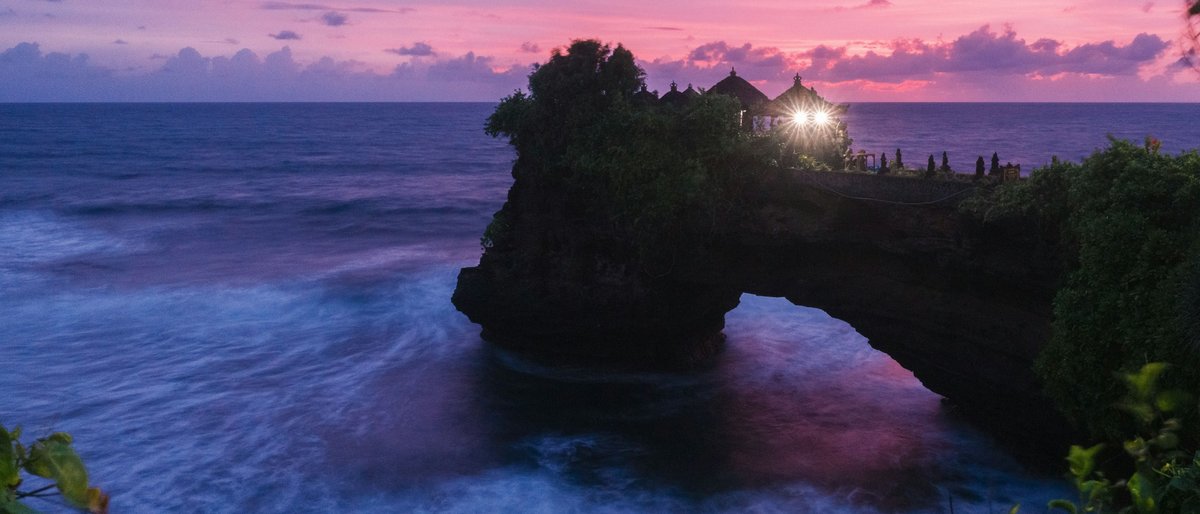
January in Bali is wet. That's the single most important thing to know. This is the peak of the rainy season, with roughly 310mm of rainfall spread across 27 days of the month — meaning you'll likely see rain on almost every single day of your trip. Temperatures hover around 29°C (84°F) during the day and dip to about 24°C (75°F) at night, so the heat itself is manageable, but the humidity sits at a thick 86% that makes everything feel heavier. The rain tends to come in intense afternoon downpours rather than all-day drizzle, which is worth understanding — mornings are often clear enough for a temple visit or beach walk before the sky opens up around 2 or 3 PM.
That said, January has a strange duality. The first week still carries the energy (and pricing) of the holiday season, with New Year's crowds lingering in Seminyak and Canggu. By mid-January, though, the island exhales. Tourists thin out noticeably, villa owners get flexible on rates, and you can actually get a table at places that were fully booked in December. The landscape is at its most dramatic — rice terraces glow an almost unreal shade of green, rivers run full and fast, and waterfalls that barely trickle in August become impressive.
Is it the best time to visit? No, not by a long stretch. If you're coming specifically for beach days and reliable sunshine, you'll likely be disappointed. But if you're the type who doesn't mind adjusting plans around the weather, and you appreciate the trade-off of fewer crowds and lower prices for occasional soggy afternoons, January has a moody, lush character that the dry season simply can't match.
Why visit in January
- Rice terraces at Tegallalang and Jatiluwih are their most intensely green — January rainfall keeps the paddies flooded and luminous, which is peak conditions for photography
- Waterfalls like Sekumpul, Gitgit, and Nungnung reach their most powerful flow during peak rainy season, a completely different experience from the trickles you'll find in August
- Hotel and villa rates drop sharply after the first week of January — expect 25-40% below December peak pricing for comparable accommodation in Seminyak, Ubud, and Canggu
- Fewer tourists at major temple sites like Tirta Empul and Uluwatu mean you can actually experience ceremonies without fighting through crowds of selfie sticks
Worth knowing
- 310mm of rainfall across 27 rainy days means you'll almost certainly have plans disrupted — outdoor excursions need flexible scheduling
- Humidity at 86% is the kind that soaks through your shirt within minutes of stepping outside, and nothing dries overnight
- Sea conditions on the west and south coasts get rough, with strong currents and reduced visibility making snorkeling and diving significantly worse than dry-season conditions
- Some dirt roads to remote waterfalls and rice terraces become muddy and occasionally impassable, on motorbikes
Best for
Think twice if
January is the wettest month in Bali's calendar. Expect warm, heavy air from the moment you step outside. Mornings often start with hazy sunshine and temperatures that climb quickly to around 29°C (84°F). By early afternoon, clouds typically build into towering grey formations, and the rain arrives — sometimes as a 30-minute deluge, sometimes as hours of steady downpour. Nights cool slightly to around 24°C (75°F), which sounds pleasant on paper but the humidity rarely breaks below 80% even after dark. The rain has a particular smell here — warm earth, frangipani flowers, and that unmistakable tropical petrichor. You'll get used to planning your days in two halves: morning activities and evening activities, with a siesta-shaped gap in between.
Seasonal caution
- Heavy tropical rainfall averaging 310mm can cause localized flooding in low-lying areas, around Kuta and parts of southern Bali — check conditions before driving through unfamiliar roads at night
- Rip currents and rough surf along western and southern beaches are at their strongest in January — swimming flags should be taken seriously, and several beaches that are calm in dry season become dangerous
- Lightning storms are common during afternoon downpours — avoid exposed ridges, open water, and rooftop venues when you hear thunder approaching
Year-round climate
Averages from the last 5 years.
| Month | Avg high (°C) | Avg low (°C) | Rainfall (mm) |
|---|---|---|---|
| Jan | 29 | 24 | 310 |
| Feb | 29 | 24 | 285 |
| Mar | 30 | 24 | 222 |
| Apr | 30 | 24 | 141 |
| May | 29 | 24 | 132 |
| Jun | 29 | 24 | 115 |
| Jul | 27 | 23 | 90 |
| Aug | 28 | 23 | 58 |
| Sep | 28 | 23 | 112 |
| Oct | 30 | 23 | 107 |
| Nov | 30 | 24 | 213 |
| Dec | 30 | 24 | 268 |
Best things to do in January
Chase waterfalls at peak flow
natureSekumpul, Nungnung, Tibumana, and Gitgit waterfalls are at their most powerful in January. Sekumpul in particular transforms from a scenic cascade into a thundering wall of water that you can hear from the parking area. The mist alone soaks you before you get close. The jungle paths are slippery and muddy, which is part of the experience — this feels like proper adventure, not a manicured tourist trail.
Peak rainy season means rivers and waterfalls are at maximum flow — some waterfalls that are underwhelming in dry season become dramaticBooking tipHire a local guide at Sekumpul village rather than booking an organized tour — they know which paths are safe after heavy rain and the cost is a fraction of tour packages
Walk the flooded rice terraces
sightseeingTegallalang gets all the attention, but the terraces at Jatiluwih (a UNESCO site) are far more rewarding in January. The paddies are flooded and reflecting the sky, the rice is young and impossibly green, and the farmers are actively working the fields. Go early morning when mist still hangs in the valleys — the light is soft and the place is almost empty before the tour buses arrive around 10 AM.
January's rainfall keeps the subak irrigation system fully charged, flooding the terraces and creating the classic mirror-on-green landscape that defines Bali postcardsBooking tipNo booking needed — arrive before 8 AM to beat crowds and catch the best light conditions
White water rafting on the Ayung River
adventureThe Ayung River near Ubud runs significantly higher and faster in January than during dry season. The rapids bump up a grade, the gorge walls drip with ferns and moss, and the whole experience has more energy to it. Operators run trips rain or shine — you're going to be wet regardless. The stretch through the carved canyon near Payangan is where the scenery peaks.
River levels are at their highest, creating stronger rapids and a more thrilling ride compared to the relatively tame dry-season flowBooking tipBook the morning departure — afternoon trips risk the heaviest rainfall plus lightning delays that can cancel runs entirely
Ubud spa and wellness marathon
wellnessJanuary's afternoon rain pattern creates the perfect excuse to spend hours in Bali's wellness scene. Ubud has dozens of spas ranging from simple Balinese massage spots to full-day wellness centers. A traditional Balinese massage with the sound of rain hammering a thatched roof overhead is one of those sensory experiences that sticks with you. Flower bath rituals feel less performative and more meditative when the weather outside is grey.
Rainy afternoons make indoor wellness activities feel purposeful rather than like you're missing beach time — and off-peak pricing means better rates at higher-end spasBooking tipWalk-ins are usually fine at smaller spas, but book a day ahead for popular spots in central Ubud during weekends
Balinese cooking class
culturalSeveral families in Ubud and Sidemen run cooking classes out of their home compounds. January's pace — slower, quieter, fewer tourists competing for spots — means you're more likely to get a small group or even a private session. You'll typically start with a market visit to pick ingredients, then spend hours learning to make basa gede (the base spice paste), satay lilit, and lawar. The rain on the kitchen roof while you cook is its own kind of soundtrack.
Smaller class sizes in low season mean more personal attention, and the rainy-day atmosphere makes an indoor cooking session feel well timed rather than like a fallback planBooking tipClasses in Sidemen are typically less crowded and more traditional than the popular Ubud options
Sunrise hike on Mount Batur
adventureThe pre-dawn hike up Batur still runs in January, and when the clouds cooperate, the sunrise over the caldera lake is extraordinary. The catch — and it's a real one — is that January mornings are hit-or-miss. Maybe half the time you'll get a clear sunrise; the other half you'll stand in cloud and see nothing. But the mornings that do clear are striking, with rain-washed air giving the kind of visibility and color saturation that hazy dry-season mornings lack.
Rain-cleaned air on clear mornings produces unusually sharp visibility and saturated sunrise colors — when it works, it's the best sunrise of the year. When it doesn't, you've had a good workout.Booking tipBook with a flexible cancellation policy — reputable guides will reschedule for free if conditions look dangerous rather than just cloudy
Temple ceremonies during Galungan preparations
culturalDepending on the year, late January may coincide with preparations for Galungan, one of Bali's most significant Hindu celebrations on the 210-day Pawukon calendar. Even if Galungan itself falls in February, the weeks leading up see communities crafting elaborate penjor (bamboo poles decorated with offerings) along every road. Visiting family compounds and village temples during preparation periods has a more intimate cultural window than the festival day itself, when things get crowded.
The Pawukon calendar occasionally places Galungan preparations in late January, giving visitors rare access to the buildup of Bali's most meaningful Hindu ceremonyBooking tipAsk your accommodation host whether any local ceremonies are happening — Balinese families are often welcoming of respectful visitors who ask permission first
What to eat in January
In season: fruit
Mangosteen
January falls right in central mangosteen season in Bali. The thick purple rind cracks open to reveal segments of white flesh that taste like a cross between lychee and peach — cool, sweet, slightly tart. Fruit vendors along the roads in Bedugul and the morning markets in Ubud sell them by the kilo for very little. Eat them cold if you can.
Rambutan
These hairy red fruits are everywhere in January. The flesh inside is translucent, sweet, and clings to the seed in a way that's slightly annoying but part of the charm. Roadside sellers pile them in enormous mounds, and they're often included as a free garnish at warung meals during peak season.
Durian
January marks the start of Bali's durian season, which runs through February. The fruit that divides humanity — its custard-like flesh smells like old gym socks to some and tastes like vanilla cream to others. Roadside stalls along the northern coast near Singaraja tend to have the freshest supply. Worth trying at least once, ideally outdoors.
On menus now
Lawar
A traditional Balinese dish of finely chopped vegetables, coconut, and minced meat mixed with rich spices and sometimes fresh blood. January's temple ceremonies mean lawar appears more frequently at community feasts and warung specials. The red version (lawar barak) is the one to seek out — fragrant with galangal and turmeric, with a texture somewhere between a salad and a rough pâté.
What to drink
Es Daluman
A chilled dessert drink made from green jelly (daluman leaf), coconut milk, and palm sugar. In January's heat and humidity, this is what locals reach for — you'll find it at most traditional markets and warung for a few thousand rupiah. The combination of the slightly grassy jelly with sweet coconut is refreshing in a way that iced coffee just cannot match.
Regular events in January
Ubud Writers & Readers Festival planning eventsFree
The main festival typically runs later in the year, but January sometimes sees pre-festival literary events, readings, and workshop announcements in Ubud's cultural venues. Check local listings at Ubud's tourist information center.
Varies by yearFull Moon ceremony (Purnama)Free
Balinese Hindus observe Purnama at temples across the island on the full moon each month. January's full moon sees ceremonies at major water temples including Tirta Empul and Ulun Danu Beratan. Visitors can observe respectfully from designated areas — the sight of hundreds of worshippers in white with incense smoke curling through torchlight is moving.
Full moon date varies (typically mid-January)New Moon ceremony (Tilem)Free
The counterpart to Purnama, observed at temples across the island on the new moon. Less dramatic visually but considered equally important in Balinese Hinduism. Smaller village temples hold intimate ceremonies that are less tourist-oriented than the major temple events.
New moon date variesBest places this January
Sidemen Valley
valleyWhile most tourists cluster in Ubud and Canggu, Sidemen in eastern Bali is where the rainy season shows its best face. The valley floor is carpeted with rice terraces that glow green under overcast skies, and Mount Agung looms behind when the clouds part. Accommodation here is sparse and budget-friendly in January. The pace is slow — expect roosters, not DJ sets, as your morning alarm.
East BaliMunduk
highland villageThis highland village in the north sits above the worst of the coastal humidity and is surrounded by clove plantations, coffee farms, and a cluster of waterfalls within walking distance. January rain keeps everything dripping and atmospheric — the twin falls at Banyumala are at full power and the trail through the jungle smells like wet earth, clove, and moss. Noticeably cooler up here at night, which is a relief after the coast.
North BaliTirta Gangga Water Palace
historic siteThe royal water palace in Karangasem is surrounded by rice terraces that flood dramatically in January. The koi-filled pools and tiered fountains framed against the green terraces and moody sky make this one of the most photogenic spots on the island during wet season. Visit in the morning — by afternoon the rain often obscures the mountain backdrop.
East BaliUbud Monkey Forest
natureThe forest canopy provides natural shelter from afternoon showers, making this one of the few outdoor attractions that actually works better in rainy season. The moss-covered stone temples and pathways are slick and atmospheric when wet. The macaques are slightly less aggressive in the cooler, damp conditions — slightly.
UbudUlun Danu Beratan Temple
templeThe lake temple in Bedugul sits on the shore of Lake Beratan, which fills to its highest level in January. When morning mist hangs over the water and the multi-tiered meru shrines appear to float above the surface, this is probably the single most atmospheric temple scene on the island. Gets foggy by midday, so arrive early.
Bedugul HighlandsCampuhan Ridge Walk
walkThis paved ridge path just west of central Ubud runs between two river valleys. In January, the long grass on either side grows tall and thick, and early morning walks (before 7 AM) catch the mist rising from the valleys below. The path is short — maybe 30 minutes each way — but the light at dawn, before the clouds build, is worth setting an alarm for.
UbudSanur Beach and morning market
beach and marketSanur's east-facing beach is somewhat sheltered from the worst of January's western swells. The morning market along Jalan Danau Tamblingan is a good wet-season activity — local food stalls, art vendors, and significantly fewer tourists than Seminyak's commercial strips. The promenade walk along the beachfront is pleasant in early morning before heat and humidity build.
Sanur
Your packing checklist
Tick items off as you pack. Your progress saves in this browser.
Insider tips
The rain pattern in January is predictable enough to plan around — mornings are usually clear until noon or 1 PM, with the heaviest rain between 2 PM and 6 PM. Schedule outdoor activities for the morning and save indoor things (cooking classes, spas, restaurants) for the afternoon. Locals structure their entire day this way.
Negotiate villa and hotel rates directly after January 7th, for stays of a week or more. Many owners would rather fill a room at a discount than leave it empty during the slowest stretch of the month. This works well in Ubud and Sidemen where independent properties outnumber chain hotels.
If you're driving a motorbike in January, the roads around Ubud and the highlands develop standing water and hidden potholes after heavy rain. Locals know which stretches flood — ask your host before heading out. The road between Ubud and Tegallalang is bad after sustained downpour.
Skip the popular beach clubs in Seminyak and Canggu during January — the vibe is flat compared to dry season and you're paying premium prices for grey-sky pool lounging. Instead, eat at the warung tucked behind the main tourist strips where the food is better and a full meal costs less than a single cocktail at a beach club.
January is peak season for tropical fruit at Bali's traditional markets. The morning market at Gianyar (Pasar Senggol Gianyar) has the best selection and prices on the island — mangosteen, rambutan, salak, and early durian at a fraction of what tourist-area fruit stalls charge. Go before 8 AM for the best picks.
Avoid these mistakes
- Booking a packed outdoor itinerary with no flexibility — travelers who schedule back-to-back temple visits, rice terrace walks, and beach time often lose half their plans to afternoon rain and end up frustrated. Build in at least one backup indoor activity per day and accept that some things will get rescheduled.
- Underestimating January's mosquitoes — the wet season brings a real spike in mosquito populations across Bali, and dengue fever is a genuine health concern, not just an inconvenience. Travelers who skip repellent or choose open-air bungalows without proper screens in rural areas are taking an unnecessary risk.
- Planning snorkeling or diving trips to Nusa Penida or Nusa Lembongan without checking conditions — January seas between Bali and the Nusa islands are rough, visibility drops significantly, and boat crossings get cancelled regularly. Travelers who've booked non-refundable day trips end up either stuck on the dock or having a miserable crossing.
- Arriving in the first week of January expecting low-season prices — the New Year holiday pricing hangover lasts until roughly January 7-10, and some hotels in Seminyak and Uluwatu maintain peak rates through the second week. The real deals start mid-month.
Practical tips for January
Book accommodation with covered outdoor areas or enclosed living spaces — open-air villas that feel magical in August become impractical when it rains every afternoon. Confirm that your villa or hotel has reliable hot water, as the combination of rain and highland elevation can make cold-water showers unpleasant in Munduk or Kintamani. Grab drivers and transport should be booked an hour earlier than you think — Bali's roads flood and traffic slows dramatically during heavy rain, and what normally takes 30 minutes from Ubud to the rice terraces can take over an hour. Pharmacies in Ubud and Seminyak stock basic rain-season essentials like electrolytes, mosquito repellent, and anti-diarrheal medication, but carry your own supply of any prescription medications. Temple dress codes (sarong and sash covering the legs) apply year-round, rain or shine — most major temples rent them at the entrance, but carrying your own saves time and the rental ones are often damp from the previous visitor. Data SIM cards from Telkomsel work reliably across the island and are essential for checking weather radar apps before heading out — the BMKG weather app gives reasonably accurate hourly precipitation forecasts for specific regions of Bali.
FAQ
Is January a good time to visit Bali?
It's not the best month — January ranks last among all twelve for weather, with 310mm of rainfall and 27 rainy days. That said, it's still Bali. The temperature sits at a comfortable 29°C (84°F), the cultural scene runs year-round, and the landscape is at its greenest. If you're flexible with your schedule and don't mind afternoon rain disrupting outdoor plans, mid-to-late January offers good value and thin crowds. But if you have limited time and want reliable sunshine, August through October is a safer bet.
What is the weather like in Bali in January?
Hot, humid, and wet. Average highs reach 29°C (84°F) with lows around 24°C (75°F), but the 86% humidity makes it feel hotter than those numbers suggest. Rain falls on roughly 27 of 31 days, mostly as heavy afternoon downpours that last anywhere from 30 minutes to several hours. Mornings are typically clearer. The highlands around Munduk and Kintamani are cooler and foggier. Sea conditions on the south and west coasts are rough with strong currents.
Is Bali crowded in January?
The first week carries leftover New Year's crowds, in Seminyak, Canggu, and Uluwatu. After about January 7th, tourist numbers drop noticeably and Bali enters one of its quieter periods. By mid-January you'll find popular restaurants with empty tables, temples without queues, and accommodation owners willing to negotiate. It's medium crowd levels overall — lighter than dry-season months but not deserted.
Can you swim at Bali's beaches in January?
Some beaches are fine, others are dangerous. Sanur on the east coast is relatively sheltered and usually swimmable. Nusa Dua's reef-protected beaches are also generally safe. But the popular west and south coast beaches — Kuta, Seminyak, Canggu, and the Uluwatu cliff beaches — develop strong rip currents and rough surf in January. Always check the flag system, swim where lifeguards are posted, and don't assume a beach that was calm in August will be calm now.
Is January monsoon season in Bali?
Yes. January falls in the middle of Bali's wet season, which runs roughly from November through March. The monsoon brings daily rainfall, high humidity, and occasionally dramatic thunderstorms. It's not the kind of monsoon that shuts the island down entirely — flights operate normally, most roads stay passable, and businesses stay open. But it does shape your daily routine around the weather, and some outdoor activities become impractical or less enjoyable compared to dry season.
Things to Do in Bali in January
 Free cancellation
 Ubud Private Tour - All Inclusive Premium Experience
Day trip — free cancellation.
via Viator Free cancellation
 Nusa Penida Premium Day from Bali: Manta Rays, Yacht & Land Tour
Day trip — free cancellation.
via Viator Free cancellation
 Best of Ubud Full-Day Tour with Jungle Swing
Day trip — 10 hours, free cancellation.
via Viator Free cancellation
 Ubud: Monkey Forest, Jungle Swing, Rice Terrace and Water Temple
Day trip — free cancellation.
via Viator Free cancellation
 Private Uluwatu Sunset Tour with Kecak Dance and Dinner
Day trip — 7 hours, free cancellation.
via Viator Free cancellation
 Tanah Lot and North Bali Tour: Scenic Journey
Day trip — free cancellation.
via ViatorFind a flight to Bali
Live fares to Bali appear here once cookies are accepted.
Last verified by automated review (v1.7.1) on May 26, 2026. What is automated review?