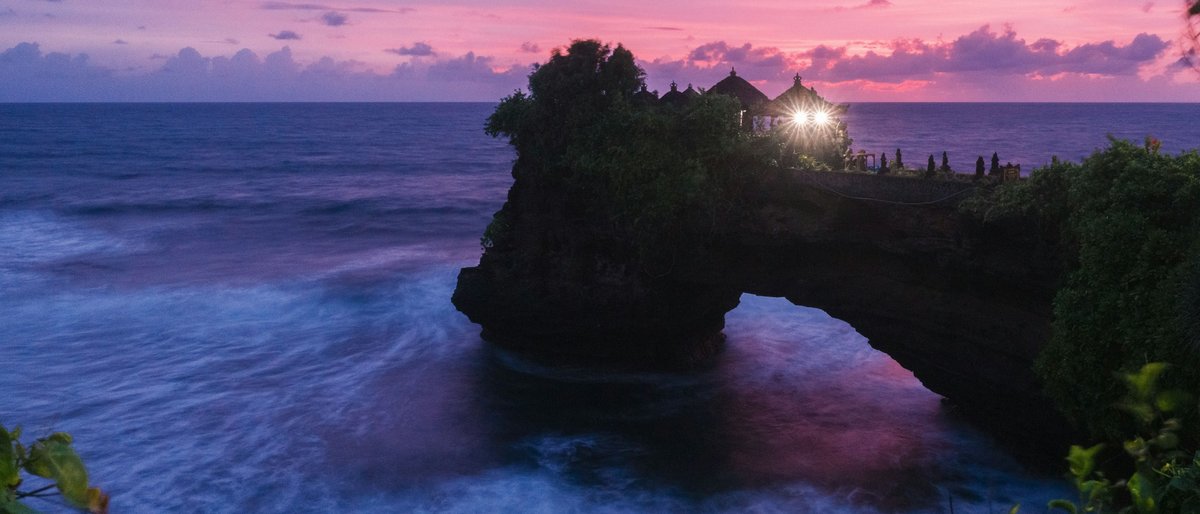
February in Bali is wet. That's the single most important thing you need to know. You're walking into the second-wettest month of the year — roughly 285mm of rain spread across 26 of the month's 28 days. Read that again. It rains almost every single day. Not all-day grey drizzle like London, mind you. The pattern tends to be tropical downpours that roll in hard during the afternoon, hammer the tin roofs for an hour or two, then clear out. Mornings are often surprisingly calm and bright. But that 87% humidity? That you feel constantly — the kind of thick, clinging air that fogs your sunglasses the moment you step out of anywhere with air conditioning.
Daytime temperatures sit around 29°C (85°F), which sounds pleasant on paper, but paired with that humidity it feels heavier than it reads. Nights cool to about 24°C (75°F), which is comfortable enough for sleeping if your accommodation has decent ventilation. The upside — and there is one — is that this is deep low season. The tourist crowds thin out considerably, hotel rates drop, and the landscape turns an almost unreal shade of green. The rice terraces in Tegallalang and Jatiluwih look like they've been retouched in Photoshop. They haven't. That's just what 285mm of rain does to a volcanic island.
To be fair, February isn't the worst month — January holds that title with even more rainfall. And plenty of people have well good trips in Bali's wet season. You just need to plan around the rain rather than pretending it won't happen. Build your days around mornings and early evenings. Accept that one or two days might be mostly rained out. If you can do that, you'll find a quieter, cheaper, and in some ways more authentic version of the island.
Why visit in February
- Hotel rates drop 30-50% compared to July-August peak season — villas and guesthouses across Seminyak, Ubud, and Canggu go for a fraction of their high-season rates, and many properties are open to negotiation
- The island is at peak greenness — rice terraces, jungle valleys, and temple grounds look extraordinary with all the rain
- Far fewer tourists at major sites like Tirta Empul, Uluwatu Temple, and Tanah Lot, meaning you can actually experience them without fighting through crowds
- Waterfalls across the island — Sekumpul, Gitgit, Tegenungan — are running at full force, which is spectacular even if the trails get muddy
Worth knowing
- Rain on 26 of 28 days means you need to build significant flexibility into any itinerary — outdoor plans will get disrupted
- The humidity at 87% makes everything feel damp: your clothes, your towel, your bag, your mood after a few days
- Some unpaved roads in rural areas and around lesser-known temples become slippery or muddy, making motorbike travel riskier than usual
- Ocean conditions on the east coast are rough, and some dive operators reduce their schedules or close certain sites due to reduced visibility and stronger currents
Best for
Think twice if
Full-on wet season. Daily temperatures hover around 29°C (85°F) during the day, dropping to 24°C (75°F) at night. The heat alone is manageable, but combine it with 87% humidity and you'll feel sticky from morning to night. Rainfall hits 285mm across the month, with rain on roughly 26 of 28 days. Most precipitation comes as intense afternoon or evening downpours — mornings tend to be clearer and are your window for outdoor activities. Overcast skies are common even when it isn't actively raining, so sunburn sneaks up on you through the cloud cover. Winds pick up occasionally, along the southern coast.
Seasonal caution
- Heavy monsoon rainfall — 285mm across 26 rainy days can cause localized flooding in low-lying areas, around Kuta and parts of southern Denpasar. Check drainage conditions before booking ground-floor accommodation.
- Ocean currents along the southern and eastern coasts become significantly stronger during wet season. Rip currents at beaches like Kuta, Dreamland, and Padang Padang are more frequent. Swim only at beaches with lifeguard presence and pay attention to posted flags.
- Mosquito populations spike with the standing water from daily rains. Dengue fever risk increases during wet season — bring strong repellent with DEET and consider long sleeves in the evenings.
Year-round climate
Averages from the last 5 years.
| Month | Avg high (°C) | Avg low (°C) | Rainfall (mm) |
|---|---|---|---|
| Jan | 29 | 24 | 310 |
| Feb | 29 | 24 | 285 |
| Mar | 30 | 24 | 222 |
| Apr | 30 | 24 | 141 |
| May | 29 | 24 | 132 |
| Jun | 29 | 24 | 115 |
| Jul | 27 | 23 | 90 |
| Aug | 28 | 23 | 58 |
| Sep | 28 | 23 | 112 |
| Oct | 30 | 23 | 107 |
| Nov | 30 | 24 | 213 |
| Dec | 30 | 24 | 268 |
Best things to do in February
Waterfall chasing in northern Bali
natureSekumpul, Gitgit, Aling-Aling, and Banyumala waterfalls are all running at peak volume in February. The trails can be slippery and muddy, so wear proper footwear, but the payoff is seeing these cascades at their most powerful — the roar of water and mist on your face is something else entirely.
Peak rainfall means peak water volume — these falls are at their most dramatic and photogenic during wet season.Booking tipHire a local guide for Sekumpul rather than going independently. They know which sections of trail are safe when wet and can get you to the best vantage points.
Cooking classes in Ubud
cultureWhen the afternoon rain rolls in, being inside a covered kitchen learning to make basa gede spice paste, sate lilit, and lawar from a Balinese family is about as good as it gets. Most classes start with a morning market visit when the produce is freshest, then move into hands-on cooking. You eat everything you make.
Rain-proof activity that fills the afternoon hours well. Classes are easier to book with fewer tourists competing for spots.Booking tipBook morning classes that start with the market visit — you'll beat the heat and the rain.
Spa and wellness retreats in Ubud
wellnessUbud's concentration of spas, yoga shalas, and wellness centers is unmatched in Southeast Asia. February's low crowds mean you can often walk into places that require weeks of advance booking in high season. The sound of rain on the roof during a Balinese massage adds an atmosphere that's hard to replicate.
Low season means lower prices, easier availability, and a quieter atmosphere that suits the whole wellness purpose.Temple visits at dawn
cultureTirta Empul, Pura Lempuyang, Uluwatu, Tanah Lot — February mornings tend to be clear before the afternoon rain sets in, and you'll share these sacred spaces with a fraction of the usual crowds. The wet greenery surrounding the temples makes the stone carvings and moss-covered walls even more striking.
Minimal crowds and clear mornings create a contemplative atmosphere that high-season visitors rarely experience at major temples.Booking tipArrive right at opening time. By mid-morning the clouds start building and humidity climbs.
White water rafting on the Ayung River
adventureThe Ayung River near Ubud swells with rain runoff in February, making the rapids more exciting than during dry months. You'll paddle through a deep gorge with carved rock faces, past rice paddies and dangling vines. Getting wet is the whole point, so rain during the trip barely matters.
Higher water levels from monsoon rain create stronger rapids and a more thrilling ride than dry-season trips on the same river.Booking tipGo with operators who provide transport from your hotel — the roads to the put-in point get muddy.
Rice terrace walks at Jatiluwih
natureThe UNESCO-listed Jatiluwih terraces in Tabanan are at peak green in February. Walking the paths between paddies, with mist curling off the ridgelines and the occasional farmer knee-deep in water tending plants, feels like stepping into a painting. The terraces stretch wider and quieter than Tegallalang.
Maximum rainfall means maximum green — the terraces are flooded and planted, creating the mirror-like reflections that define Bali's well-known landscape.Snorkeling at Menjangan Island
adventureWhile south and east coast waters get rough, the sheltered northwest coast near Menjangan Island in West Bali National Park still offers decent visibility in February. The coral walls here drop off steeply and the reef life is some of the best on the island. It's a longer drive from the south but worth it for wet-season snorkeling.
One of the few spots in Bali where underwater conditions remain reasonable during wet season, thanks to the island's sheltered position.Booking tipThis is a full-day trip from south Bali. Consider staying a night in Pemuteran to break up the drive.
What to eat in February
In season: fruit
Mangosteen
The queen of tropical fruits hits its stride during wet season. The thick purple rind cracks open to reveal white segments that taste like a cross between lychee and peach — sweet, tart, and cold from the fruit vendors who keep them on ice. You'll find them piled high at every traditional market in Bali for next to nothing.
Durian
Love it or run from it. February falls within Bali's durian season, and the local Balinese variety is milder and less pungent than the Thai or Malaysian versions. The wet season warmth and rain produce rich harvests. Vendors set up along roadsides near Bangli and Karangasem — the smell reaches you before you see the stall.
Salak (Snake Fruit)
The salak harvest from the plantations around Sibetan village in eastern Bali tends to peak through wet season. The brown, scaly skin peels away to reveal crisp, slightly dry flesh that tastes tangy-sweet, somewhere between an apple and a pineapple. Worth trying fresh from a roadside stall near Karangasem.
On menus now
Lawar
This traditional Balinese dish of finely chopped meat, vegetables, grated coconut, and spices appears at temple ceremonies and family gatherings that continue through wet season. The version made with young jackfruit and long beans is common in February when temple ceremonies remain frequent. Ask for lawar babi if you eat pork — it tends to have more depth of flavor.
What to drink
Jamu
Traditional Javanese-Balinese herbal tonics made from turmeric, ginger, tamarind, and various roots. Locals drink these year-round but they become appealing in wet season as a way to ward off colds in the damp air. You'll spot women carrying bottles in baskets at morning markets — the bright yellow turmeric version has a warm, peppery bite that lingers.
Regular events in February
Galungan and Kuningan (if falling in February)Free
Bali's most important Hindu holiday cycle celebrating the victory of good over evil. Penjor bamboo poles line every road, families visit temples in ceremonial dress, and offerings pile up at every shrine. The dates shift each year on the 210-day Balinese Pawukon calendar, so check whether it falls in February for your travel year.
Varies by Pawukon calendar — check the Balinese calendar for your specific yearFull moon ceremony (Purnama)Free
Balinese Hindus gather at temples across the island for monthly full moon prayers and offerings. Besakih, Uluwatu, and local village temples fill with families in white. You can observe respectfully from outside the prayer areas — the atmosphere of incense, flower petals, and chanting gamelan is quietly powerful.
Full moon date in FebruaryUbud Writers & Readers Festival planning eventsFree
While the main festival typically falls later in the year, February often sees pre-festival literary gatherings, workshops, and readings hosted at cafes and cultural centers around Ubud. Check local listings when you arrive — these smaller events tend to be free or low cost.
Throughout February, dates varyBest places this February
Tegallalang Rice Terraces
natureThe most photographed terraces in Bali, and in February they earn every shot. The paddies are flooded, the green is electric, and you might have whole sections to yourself in the morning before rain arrives.
UbudTirta Empul Water Temple
templeThe sacred spring temple where Balinese Hindus come for ritual purification. In February, the spring-fed pools feel lush with the surrounding jungle at peak growth. Fewer tourists means a more respectful, less chaotic atmosphere for witnessing the ceremonies.
TampaksiringSekumpul Waterfall
natureWidely considered Bali's most beautiful waterfall, and in February it's at peak flow. The twin falls crash into a pool surrounded by tropical vegetation so green it looks artificial. The steep descent takes about 20 minutes — the climb back up in humidity is the real workout.
SingarajaUbud Monkey Forest
natureThe Sacred Monkey Forest Sanctuary is cooler and less crowded in February. The canopy drips with moisture, the moss on the stone carvings seems to glow, and the long-tailed macaques are slightly less aggressive with fewer tourists to steal from.
UbudSeminyak and Canggu
neighborhoodWet season means the beach scene shifts indoors to the restaurants, bars, and boutiques lining Jalan Kayu Aya and Batu Bolong. The sunsets can still be spectacular on evenings when the clouds break — worth checking the sky around 5:30pm even on rainy days.
South BaliJatiluwih Rice Terraces
natureBroader, quieter, and less touristy than Tegallalang, the UNESCO-listed Jatiluwih terraces sprawl across the slopes of Mount Batukaru. February turns them into an endless patchwork of water-filled paddies reflecting the moody sky. The on-site restaurant serves lunch overlooking the whole valley.
TabananPura Lempuyang
templeThe 'Gates of Heaven' temple complex on the slopes of Mount Lempuyang in east Bali. February's low crowds mean you might actually get photos at the split gate without a two-hour queue. The mist and cloud that drift through the temple grounds add genuine atmosphere that dry-season photos lack.
Karangasem
Your packing checklist
Tick items off as you pack. Your progress saves in this browser.
Insider tips
The morning window between about 7am and noon is your golden time for outdoor activities — plan your temple visits, rice terrace walks, and waterfall trips for the first half of the day. Most heavy rain hits between 2pm and 6pm.
Negotiate accommodation directly for stays of three nights or longer — many mid-range hotels and villas will drop their already-low wet season prices further rather than have empty rooms. Booking platforms sometimes lag behind what owners will accept in person.
February's rain creates ideal conditions for photographing the rice terraces with water reflections. Bring a polarizing filter if you're serious about photography — it cuts the glare on flooded paddies and deepens the sky.
The Balinese calendar operates on a 210-day cycle, so major ceremonies like Galungan don't fall on the same Western dates each year. Check the Pawukon calendar before your trip — catching a ceremony transforms the experience.
If you're heading to waterfalls, wear proper shoes with tread, not flip-flops. The trails turn into mud slides in February and locals will tell you they see tourists take falls weekly on the steps down to Sekumpul.
Local warungs (family-run restaurants) near temples and rice terraces are far cheaper and often better than the tourist-oriented spots on the main roads. Follow the Balinese families — they know which warung has the freshest nasi campur that morning.
Avoid these mistakes
- Planning a packed outdoor itinerary with no rain contingency — every day will likely see rain, so having a backup indoor activity (cooking class, spa, museum) for each afternoon prevents frustration.
- Riding a motorbike on wet roads without experience — wet season roads in Bali are slippery even for experienced riders, and rural roads near temples and waterfalls get treacherous with mud. Consider hiring a driver instead.
- Booking the cheapest ground-floor room in flood-prone areas — parts of Kuta, Legian, and southern Denpasar can see localized flooding after heavy rains. It's worth paying a bit more for upper floors or choosing accommodation on higher ground.
- Skipping sunscreen because it's cloudy — UV radiation still pushes through Bali's overcast skies, and the combination of sweat and humidity means you need to reapply more often than you might think.
- Assuming all beaches are safe to swim — rip currents along the southern coast intensify during wet season. Stick to beaches with lifeguards and pay attention to the flag system. If in doubt, ask a local before going in.
Practical tips for February
Transport in February requires extra thought. Ride-hailing apps work in most of southern Bali but get unreliable in Ubud and the north. Hiring a driver for the day is often the better call during wet season — they know which roads flood, they wait while you explore, and you avoid riding a wet motorbike on unfamiliar roads. Book day drivers through your accommodation for the best rates.
For clothing, pack twice as many tops as you think you need, or plan to wash daily — between the humidity and sudden drenching, you'll go through shirts fast. Laundry services are cheap and plentiful, with most places offering same-day turnaround by the kilogram.
Wi-Fi can be patchy at more remote accommodations during heavy storms. If you need reliable connectivity for work, grab a local SIM card at the airport with a data package — Telkomsel has the widest coverage across the island, including the north coast.
Temple etiquette applies regardless of season: sarongs and sashes are required at most temples. Many provide rentals at the entrance, but carrying your own lightweight sarong means one less thing to deal with. Cover shoulders and knees.
FAQ
Is February a bad time to visit Bali?
It's not good for beach holidays or guaranteed sunshine, but it's far from a write-off. You'll get significantly lower prices, almost no crowds at major attractions, and a lush green landscape that dry-season visitors never see. The rain typically falls in afternoon bursts rather than all day, so mornings are usually clear enough for sightseeing. If you're flexible with your daily plans and don't mind occasional disruptions, February can be a rewarding time to visit.
How much does it rain in Bali in February?
Expect roughly 285mm of rainfall spread across about 26 of the 28 days. That sounds grim, but the pattern matters more than the total — most rain comes as heavy downpours lasting one to three hours in the afternoon or evening. Mornings tend to be clearer and warmer, giving you a solid window for outdoor activities before the clouds build.
Can you still surf in Bali in February?
You can, but the conditions shift. The west-facing breaks around Canggu and Medewi tend to work better in wet season than the east coast spots. Kuta Beach still gets rideable waves, though currents are stronger. Experienced surfers will find sessions, but beginners should stick to spots with instructors who know the wet-season conditions. Water visibility drops compared to the dry months.
What should I wear in Bali in February?
Light, quick-dry fabrics are your best bet. Cotton absorbs moisture and stays damp in the humidity, so synthetic blends or merino are more comfortable. A rain jacket or poncho you can stuff into a bag is essential for daily use. Waterproof sandals handle temple visits and wet streets better than flip-flops. You'll still want sunscreen — UV gets through the cloud cover more than you'd expect.
Is it safe to swim in the ocean in Bali during February?
It depends on the beach. Southern beaches like Kuta, Dreamland, and Padang Padang see stronger rip currents during wet season, so swim only where lifeguards are posted and respect the flag warnings. The calmer waters around Sanur on the east coast and the sheltered bays near Amed can still be reasonable on calmer days. Always check conditions locally before heading in.
Things to Do in Bali in February
 Free cancellation
 Ubud Private Tour - All Inclusive Premium Experience
Day trip — free cancellation.
via Viator Free cancellation
 Nusa Penida Premium Day from Bali: Manta Rays, Yacht & Land Tour
Day trip — free cancellation.
via Viator Free cancellation
 Best of Ubud Full-Day Tour with Jungle Swing
Day trip — 10 hours, free cancellation.
via Viator Free cancellation
 Ubud: Monkey Forest, Jungle Swing, Rice Terrace and Water Temple
Day trip — free cancellation.
via Viator Free cancellation
 Private Uluwatu Sunset Tour with Kecak Dance and Dinner
Day trip — 7 hours, free cancellation.
via Viator Free cancellation
 Tanah Lot and North Bali Tour: Scenic Journey
Day trip — free cancellation.
via ViatorFind a flight to Bali
Live fares to Bali appear here once cookies are accepted.
Last verified by automated review (v1.7.1) on May 26, 2026. What is automated review?