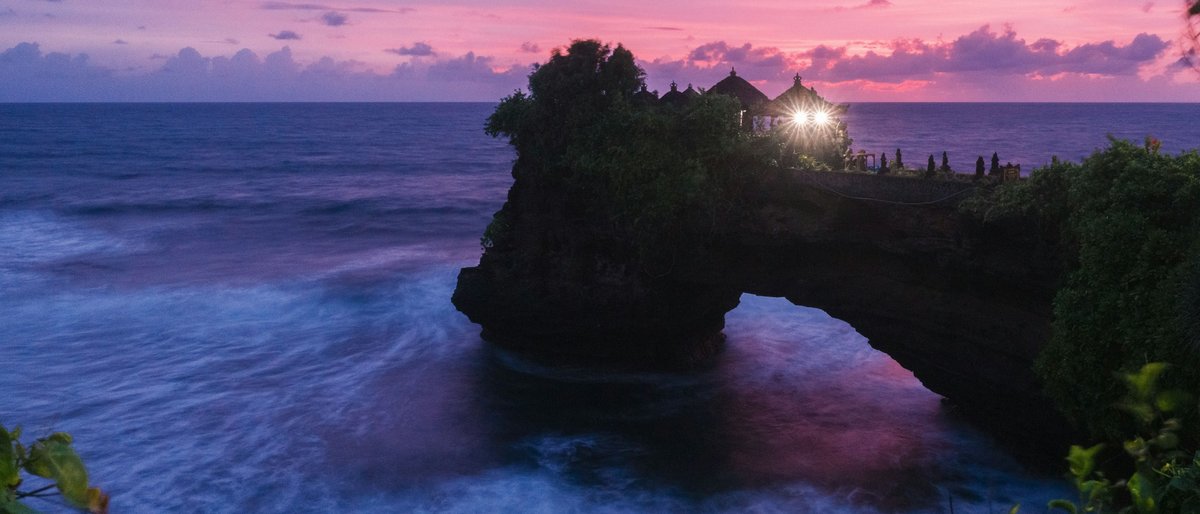
August is Bali's driest month — just 58mm of rain across the entire month — and that fact has not gone unnoticed. This is peak season in the fullest sense. Australian families flood in during school holidays, European visitors arrive in waves, and every beach club from Seminyak to Canggu is running at capacity. Expect daytime temperatures around 27.7°C (82°F) that feel warmer under direct sun, cooling to a pleasant 22.6°C (73°F) at night. The humidity sits at about 82%, which sounds high on paper but feels considerably more comfortable than the sticky wet-season months.
To be fair, the weather really is that good. Clear skies most days, reliable offshore winds along the southern coast, and ocean visibility that divers wait all year for. You'll get the occasional light shower — this is still a tropical island — but nothing like the three-hour downpours of January. The trade-off is straightforward: you're paying a premium for all of it. Hotel rates climb 40-60% above the annual average, popular restaurants need reservations, and that quiet rice terrace walk you saw on someone's feed? You'll likely be sharing it with forty other people at sunrise.
August also brings Indonesian Independence Day on the 17th, which transforms village life across the island. Expect road closures, flag ceremonies, and spirited competitions — sack races, pole climbing, eating contests — that feel refreshingly unpolished compared to the tourist-facing Bali you encounter at the beach clubs. The southern surf breaks fire up with consistent swells, and the annual kite festival fills the skies above Padang Galak beach with enormous traditional kites shaped like fish, birds, and leaves. It's a good month to visit if you can stomach the prices and the company.
Why visit in August
- The driest month of the year with only 58mm of rainfall — you can plan outdoor activities with real confidence that weather won't intervene
- Ocean visibility peaks during August, with underwater clarity reaching 30+ meters at sites like Menjangan and Tulamben, making it the best month for diving and snorkeling
- Consistent south swells produce clean, well-formed waves at Uluwatu, Padang Padang, and Impossibles — this is the month serious surfers target
- Indonesian Independence Day (August 17) has a window into genuine local culture that most tourist experiences can't match, with village-level celebrations across the island
- Cool evenings around 22-23°C mean comfortable sleeping without air conditioning, which matters if you're staying in traditional guesthouses or open-air bungalows
Worth knowing
- Peak-season pricing across the board — expect to pay 40-60% more for accommodation compared to shoulder months like May or October
- Crowds at major sites are at their annual worst. The Tegallalang rice terraces, Tirta Empul temple, and Tanah Lot can feel more like queuing than exploring
- Popular restaurants in Seminyak and Canggu require reservations days in advance, and walk-in waits of 45 minutes or more are common at dinner
- Traffic congestion in southern Bali intensifies significantly — a drive from Kuta to Ubud that takes 90 minutes in April can stretch past two and a half hours
Best for
Think twice if
August sits right in central Bali's dry season, and it shows. Days are warm without being punishing — the average high of 27.7°C (82°F) feels comfortable in the shade, though direct midday sun still demands respect. Nights cool to around 22.6°C (73°F), which feels pleasant after months of sticky wet-season evenings. Rainfall drops to its annual low of just 58mm, typically arriving as brief, light showers rather than the sustained downpours of December through March. Humidity holds at 82%, which sounds damp but the steady trade winds from the southeast keep things feeling drier than the numbers suggest. Skies tend to be clear through the morning and early afternoon, with occasional cloud buildup in the late afternoon over the central mountains.
Year-round climate
Averages from the last 5 years.
| Month | Avg high (°C) | Avg low (°C) | Rainfall (mm) |
|---|---|---|---|
| Jan | 29 | 24 | 310 |
| Feb | 29 | 24 | 285 |
| Mar | 30 | 24 | 222 |
| Apr | 30 | 24 | 141 |
| May | 29 | 24 | 132 |
| Jun | 29 | 24 | 115 |
| Jul | 27 | 23 | 90 |
| Aug | 28 | 23 | 58 |
| Sep | 28 | 23 | 112 |
| Oct | 30 | 23 | 107 |
| Nov | 30 | 24 | 213 |
| Dec | 30 | 24 | 268 |
Headline events
Bali Kite Festival (Layang-Layang)
Late July through mid-August, exact dates vary yearly
Enormous traditional kites — some spanning 10 meters or more — fill the skies above Padang Galak beach near Sanur. Villages from across the island compete with elaborate bebean (fish), janggan (bird), and pecukan (leaf) designs that have been prepared for months. The kites require teams of dozens to launch and can stay airborne for hours. The festival has deep roots in Balinese Hindu tradition, originally intended to send messages to the gods requesting good harvests. The atmosphere at beach level is part competition, part carnival — food stalls, gamelan music, and hundreds of spectators camped on the sand.
Best things to do in August
Surf the Bukit Peninsula breaks
water sportsThe southern tip of Bali comes alive in August with consistent 4-6 foot swells rolling in from the Indian Ocean. Uluwatu delivers long, barreling left-handers that experienced surfers dream about. Padang Padang has a shorter but intense barrel. Impossibles lives up to its name for intermediates but rewards strong paddlers with long, fast walls. The offshore trade winds groom the faces clean through the morning, with conditions typically best from sunrise until around 11am before the wind picks up.
August's prevailing southeast trade winds blow offshore along the south-facing coast, creating the cleanest wave faces of the year. Swell consistency from southern ocean storms is at its most reliable.Booking tipBoard rental shops along the Bukit cliffs get picked over early in peak season. Reserve your preferred board size a day ahead, if you ride anything over 7 feet.
Dive the USAT Liberty wreck at Tulamben
water sportsThis World War II cargo ship sits just 30 meters offshore in Tulamben, encrusted with coral and teeming with life. August's calm seas and minimal rain runoff mean visibility regularly exceeds 25 meters. The wreck starts at about 5 meters depth and drops to 30, making it accessible to every certification level. Dawn dives before the day-trip crowds arrive from south Bali are worth the early alarm.
Dry season means minimal freshwater runoff from rivers, producing the clearest underwater visibility of the year. Calm seas make the beach entry at Tulamben far easier than during wet-season swells.Booking tipBook a local Tulamben-based dive operator rather than a south Bali shop — you'll pay less and avoid the 3-hour van ride each way. Staying overnight in Tulamben lets you hit the wreck at sunrise.
Trek Mount Batur at sunrise
outdoor adventureThe pre-dawn hike up Batur takes about two hours along a well-worn trail of volcanic scree. You summit in darkness and wait for the sun to rise over Mount Agung and the caldera lake below. On clear August mornings — which is most of them — the panorama stretches across Lombok's Mount Rinjani. It's cold at the top, cold by Bali standards, maybe 12-14°C with wind chill. The guides boil eggs in volcanic steam vents at the summit, which sounds gimmicky but is honestly pretty charming.
August's dry weather means the highest probability of clear summit views. During wet season, you're as likely to summit into a cloud bank as to see the sunrise. The trail is also far less slippery when dry.Booking tipBook through your accommodation in Kintamani or Ubud rather than through south Bali tour agencies. The pickup times are more reasonable and the groups smaller.
Snorkel at Menjangan Island
water sportsThe coral walls off Menjangan drop straight down into deep blue water with visibility that can hit 40 meters in August. The island sits in West Bali National Park and sees far fewer visitors than the southern dive sites. You'll spot garden eels, sea fans the size of dinner tables, and if you're patient, possibly a reef shark patrolling the wall edge. The boat ride from Pemuteran takes about 30 minutes across calm dry-season water.
August combines the calmest seas and clearest visibility of the year. The crossing from Pemuteran is smooth, and underwater conditions are as close to perfect as Bali gets.Booking tipStay in Pemuteran village and book directly with a local boat operator. Aim for a morning departure — afternoon winds can make the return crossing choppy even in dry season.
Walk the Campuhan Ridge at golden hour
sightseeingThis narrow ridge path between two river valleys in Ubud is lined with tall grass that turns golden in the dry season. In August, the grass is at its most photogenic — tall, dry, and glowing amber in late afternoon light. The walk itself is short, maybe 30-40 minutes each way, but the views across the valley to coconut palms and distant rice terraces make it feel like more. Get there by 5:30pm for the best light.
The grass along the ridge dries out and turns golden during the dry season, peaking in July-August. By October's early rains, it starts greening up again. The reliable clear skies also mean consistently good sunset light.Booking tipNo booking needed — it's a public path. But parking near the trailhead at the Royal Pita Maha side fills up by mid-afternoon in August.
Watch the Bali Kite Festival at Padang Galak
culturalVillage teams from across the island bring traditional kites the size of small aircraft to Padang Galak beach near Sanur. The bebean, janggan, and pecukan kites — shaped like fish, birds, and leaves — require coordinated teams to launch and can fly for hours at enormous heights. The beach becomes a festival ground with food vendors, gamelan music, and families camped on mats. It's surprisingly mesmerizing to watch these massive structures strain against their lines in the trade winds.
The festival is specifically timed to August's reliable southeast trade winds, which provide the steady, strong airflow needed to keep these enormous kites aloft.Booking tipNo tickets needed. Arrive early morning to watch the launch preparations, which are arguably more interesting than the flying itself. Bring sun protection — there's minimal shade on the beach.
Explore Sidemen Valley without the mud
sightseeingThis quieter valley in east Bali offers rice terrace views that rival Tegallalang without the crowds. The terraces cascade down hillsides with Mount Agung as a backdrop. In August, the paths between paddies are dry and firm, making it comfortable to walk for hours. Some fields are being harvested, others freshly planted, creating a patchwork of greens and golds. You might encounter a total of ten other tourists in a full day.
Dry trails make the valley's network of walking paths between rice paddies accessible and pleasant. During wet season, the same paths become slippery mud tracks that require serious footwear.Booking tipStay at least one night in Sidemen to catch the early morning light on Agung before clouds build. Most Ubud-based day trips arrive mid-morning and miss the best conditions.
What to eat in August
In season: fruit
Mangosteen
August falls right in the middle of mangosteen season, and you'll find them piled high at every pasar (market) across the island. The thick purple rind cracks open to reveal segments of white flesh that taste like a cross between lychee and peach. Look for fruit that feels heavy for its size with a slight give when pressed — rock-hard ones tend to be underripe, and too-soft ones have likely turned.
Salak (Snake Fruit)
Bali's signature fruit hits its stride during the dry season. The best salak Bali comes from the village of Sibetan near Karangasem, where the volcanic soil produces fruit with a honey-sweet flavor quite different from the dry, astringent varieties you find elsewhere in Indonesia. The papery, scale-textured skin peels away easily to reveal crunchy, slightly tannic flesh.
Rambutan
These hairy red fruits cluster at roadside stalls throughout August. The translucent flesh inside is sweet and slightly floral, clinging to a central seed. Buy them by the kilogram from the fruit sellers along the road between Ubud and Kintamani — they're about a third the price of what beach vendors charge in Seminyak.
On menus now
Babi Guling (Suckling Pig)
Available year-round but tied to ceremony season, and August often coincides with temple festivals that demand it. The whole pig is stuffed with a paste of turmeric, coriander, lemongrass, and chili, then spit-roasted over coconut husks until the skin crackles. The version at warung in Ubud tends to be spicier than what you'll find in the south. Get there before noon — the good places sell out.
Lawar
A traditional Balinese dish of finely chopped meat, vegetables, grated coconut, and spices that appears at every ceremonial feast. During August's temple anniversary celebrations (odalan), you'll find it prepared fresh in village compounds. The green version (lawar hijack) uses young jackfruit and long beans. The red version incorporates fresh blood — an acquired taste that most visitors politely decline.
Regular events in August
Indonesian Independence Day (Hari Merdeka)Free
August 17 marks Indonesia's declaration of independence from Dutch colonial rule in 1945. In Bali, celebrations take on a distinctly local flavor — village banjars organize sack races, pole-climbing competitions (panjat pinang), tug-of-war, and eating contests. Red and white flags line every road. Official ceremonies happen at government offices in the morning, but the real action is in the village compounds throughout the afternoon. It has a window into community life that tourist Bali rarely shows.
August 17 (official), village celebrations throughout the weekSanur Village FestivalFree
An annual community festival along the Sanur beachfront promenade featuring food stalls, art exhibitions, traditional dance performances, and live music. The festival celebrates Sanur's identity as a more laid-back alternative to Kuta and Seminyak. Local restaurants set up temporary kitchens, and Balinese craftspeople display their work. The atmosphere is family-oriented and local despite Sanur's tourist presence.
Mid-August, typically spanning 4-5 daysFull Moon Ceremony (Purnama)Free
The monthly full moon ceremony at major temples across Bali. Besakih, Uluwatu, and Tanah Lot temples see large processions with offerings, prayers, and traditional dress. Visitors who dress respectfully (sarong and sash required) are generally welcome to observe from designated areas. The ceremonies at smaller village temples are often more intimate and less tourist-oriented.
Full moon date varies each AugustBest places this August
Padang Galak Beach
beachThe staging ground for the Bali Kite Festival and one of the few beaches near Sanur that doesn't get overrun with sunbed vendors. During kite season, the wide black-sand beach transforms into a launch site for enormous traditional kites. Even outside festival days, local teams practice here in August's reliable winds. The beach faces east, making it a sunrise spot rather than sunset.
SanurTegallalang Rice Terraces
natureYes, they're crowded in August. But the dry season means the terraces display a mix of harvest gold and fresh-planted green that photographs differently than the uniform emerald of wet season. Go at 7am — most tour groups don't arrive until 9:30. The cafes on the western rim have the classic view, but walking down into the terraces themselves reveals a quieter, more textured landscape.
UbudUluwatu Temple (Pura Luhur Uluwatu)
templePerched on a cliff 70 meters above the Indian Ocean, this temple is dramatic in any season. But August's clear skies and low humidity mean the sunset views extend to the horizon without the haze that plagues wet-season evenings. The Kecak fire dance performance at dusk runs daily and is compelling — dozens of men chanting in concentric circles as the sun drops behind them. Watch your sunglasses around the resident monkeys.
Bukit PeninsulaTirta Gangga Water Palace
cultural siteThis former royal bathing complex in east Bali features tiered stone pools, fountains, and gardens with Mount Agung looming behind. August's clear weather means Agung is visible more often than not — during wet season, the mountain hides behind clouds most days. The fish-filled pools are swimmable (for a small fee) and refreshingly cool after the drive from the south.
KarangasemMunduk and the Northern Highlands
natureThe hill village of Munduk in Bali's north offers waterfalls, coffee plantations, and clove-scented air at elevations where August temperatures drop to the low 20s. The twin waterfalls — Munduk and Melanting — flow year-round but are approachable via dry trails in August. The village itself has a handful of guesthouses and homestays that feel like a different planet from Seminyak.
BulelengJimbaran Fish Market and Beach
food and marketThe morning fish market at Kedonganan is where Jimbaran's beachfront seafood warungs source their catch. Arriving before 7am lets you watch the boats unload and the market negotiations happen. In the evening, the beach transforms into an open-air restaurant strip where you pick your fish and it's grilled over coconut husks at your table on the sand. August evenings are warm and calm, good for this.
JimbaranNusa Penida
islandThe island off Bali's southeast coast is best accessed in August when the strait crossing is at its calmest. The dramatic cliff formations at Kelingking Beach, the natural infinity pool at Angel's Billabong, and the manta ray cleaning station at Manta Point are all at their most accessible this month. That said, the island has become extremely popular — Kelingking viewpoint can feel like a theme park queue by mid-morning.
Off Bali's southeast coast
Your packing checklist
Tick items off as you pack. Your progress saves in this browser.
Insider tips
The ATMs at Circle K and Indomaret convenience stores in Ubud and Seminyak reliably dispense 100,000 rupiah notes, which are far more practical than the 50,000 notes some bank ATMs default to. Avoid standalone ATMs in tourist-heavy spots — card skimming remains a real issue in Bali, around Kuta.
If you're renting a scooter, fill up at the official Pertamina gas stations rather than buying from the roadside bottle vendors. The bottle fuel is the same petrol but marked up 30-50%, and you can't verify the quality. The Pertamina stations also tend to be where local mechanics hang out if you have any issues.
For rice terrace views without the Tegallalang circus, drive 20 minutes north to the Jatiluwih terraces — a UNESCO World Heritage site that covers a vastly larger area. In August, you can walk for two hours along the terraces and barely see another tourist. The subak irrigation system here is still actively managed exactly as it has been for a thousand years.
Bali's water temples hold their most significant ceremonies around the full and new moon. If you're near Tirta Empul during either, you'll witness purification rituals that most guidebooks describe but few tourists actually time correctly. Ask your accommodation staff about upcoming ceremony dates — the Balinese calendar doesn't align with the Gregorian one, so online sources are often wrong.
The sunset at Tanah Lot temple is famous but overrated in practice — you're watching it from behind a fence with hundreds of other people. The sunset from the cliffs just south of Balangan Beach is equally dramatic, far less crowded, and you can bring your own drinks. In August, the sun sets directly into the ocean from this vantage point.
Avoid these mistakes
- Booking a villa in Seminyak or Canggu and expecting to easily reach Ubud or the east coast for day trips. August traffic in southern Bali is severe — what Google Maps shows as a 90-minute drive regularly takes 2.5-3 hours. Either base yourself in the area you want to explore most, or accept that you'll lose significant time to transit.
- Assuming you can walk into any restaurant in Seminyak or Canggu at dinner time. In August, the popular spots — along Jalan Petitenget and the Berawa strip — fill up by 7pm. Make reservations for anywhere you specifically want to eat, or plan to dine earlier than you normally would.
- Skipping reef shoes for the boat-to-shore transfer at Nusa Penida. The landing at most beaches involves wading through knee-deep water over sharp coral rubble. At least a dozen tourists per day end up at Nusa Penida clinics with foot lacerations that could have been avoided with basic water shoes.
- Relying entirely on ride-hailing apps like Grab in tourist areas. Local taxi cartels in Ubud, Seminyak, and the Bukit Peninsula actively block app-based drivers from picking up in their territory. In these areas, you'll either need to negotiate with local drivers, rent a scooter, or arrange a private driver for the day through your accommodation.
Practical tips for August
August is the month that demands the most advance planning in Bali. Book accommodation at least 6-8 weeks ahead — premium properties in Ubud and the Bukit Peninsula sell out earlier than that. Dive trips to Menjangan, Tulamben, and Nusa Penida should be reserved 2-3 weeks in advance, for morning slots. Airport transfers are worth pre-arranging; the taxi queue at Ngurah Rai can exceed an hour during evening peak arrivals in August. Money changers on Jalan Legian and in Kuta are notorious for short-changing — use authorized changers inside shopping centers (like those in Mal Bali Galeria) or withdraw from ATMs. Temple dress codes are enforced year-round: sarong and sash covering the legs, shoulders covered. Most temples provide rentals, but bringing your own is more comfortable and hygienic. Pharmacies (apotek) stock Western medications but not always in familiar brands — bring essentials from home. The Australian consulate in Renon handles most Western consular emergencies. Bali operates on WITA (Central Indonesian Time, UTC+8), so factor that into any international calls or remote work scheduling.
FAQ
Is August a good time to visit Bali?
August is one of the best months for weather — it's the driest month of the year with only 58mm of rainfall and comfortable temperatures around 27-28°C. The trade-off is real, though: this is peak tourist season. Expect the highest accommodation prices of the year, crowded temples and beaches, and the need to book most things in advance. If your budget can handle peak pricing and you don't mind sharing popular spots with plenty of other visitors, the weather and conditions for outdoor activities are hard to beat.
What is the weather like in Bali in August?
Warm and dry. Average highs sit around 27.7°C (82°F) with lows of 22.6°C (73°F). Rainfall drops to its annual minimum of 58mm — you might get a brief light shower here and there, but sustained rain is uncommon. Humidity reads 82% but feels lower than that because steady southeast trade winds provide natural cooling. Evenings in Ubud and the highlands are noticeably cooler than the coast, sometimes dropping into the low 20s.
Is Bali crowded in August?
Yes, significantly. August is peak season driven by Australian school holidays and European summer vacations. Southern tourist areas — Seminyak, Canggu, Kuta, the Bukit Peninsula — feel the impact most heavily. Traffic congestion in the south worsens considerably. That said, east Bali (Sidemen, Amed, Karangasem) and the northern highlands (Munduk, Lovina) remain comparatively quiet even in peak season. Choosing where you stay makes a meaningful difference in how crowded your experience feels.
How far in advance should I book hotels in Bali for August?
Six to eight weeks ahead is a reasonable minimum for mid-range accommodation. Premium villas in Ubud and clifftop properties on the Bukit Peninsula often fill up 3-4 months in advance for August. Budget guesthouses are more flexible but still fill during the peak weeks around Indonesian Independence Day (August 17). Dive trips, surf camps, and popular restaurant reservations should be secured at least 2-3 weeks ahead.
What should I wear to temples in Bali in August?
Temples require a sarong and sash covering the legs, plus covered shoulders — this applies regardless of the warm August weather. Most major temples offer sarong rentals at the entrance, but these are shared among thousands of visitors daily. Buying your own at any local market costs very little and is more hygienic. Lightweight, breathable clothing with sleeves that cover the shoulders works well for temple visits and also provides sun protection.
Things to Do in Bali in August
 Free cancellation
 Ubud Private Tour - All Inclusive Premium Experience
Day trip — free cancellation.
via Viator Free cancellation
 Nusa Penida Premium Day from Bali: Manta Rays, Yacht & Land Tour
Day trip — free cancellation.
via Viator Free cancellation
 Best of Ubud Full-Day Tour with Jungle Swing
Day trip — 10 hours, free cancellation.
via Viator Free cancellation
 Ubud: Monkey Forest, Jungle Swing, Rice Terrace and Water Temple
Day trip — free cancellation.
via Viator Free cancellation
 Private Uluwatu Sunset Tour with Kecak Dance and Dinner
Day trip — 7 hours, free cancellation.
via Viator Free cancellation
 Tanah Lot and North Bali Tour: Scenic Journey
Day trip — free cancellation.
via ViatorFind a flight to Bali
Live fares to Bali appear here once cookies are accepted.
Last verified by automated review (v1.7.1) on May 26, 2026. What is automated review?