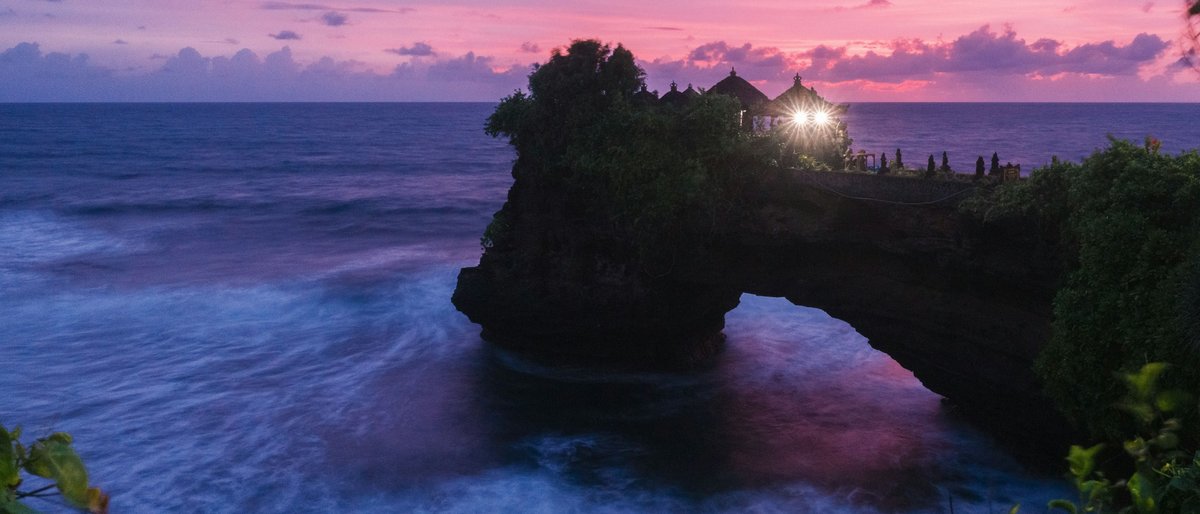
June in Bali marks the real beginning of the dry season, and honestly, that's the single most important thing you need to know. After months of heavy afternoon downpours — January alone dumps 310mm — the rain eases to about 115mm across June, and the days take on a different character entirely. The air still carries that thick tropical weight at 83% humidity, but the skies clear more often, the rice terraces glow a particular shade of green under the lower-angled sun, and you can actually plan outdoor activities without constantly checking weather radar. Daytime temperatures hover around 28.5°C (83°F), dropping to a comfortable 23.7°C (75°F) at night — warm enough for evenings in a t-shirt but cool enough to sleep without blasting the AC all night.
That said, June is also when Bali starts to shift gears from the quieter shoulder months into proper high season. Australian school holidays kick in around late June, and European summer travelers begin arriving in numbers. You'll notice the change most at places like Seminyak beach clubs and the Ubud Monkey Forest — wait times appear, restaurant terraces fill earlier in the evening, and the better-known surf breaks get noticeably more crowded. The flip side is that this influx of visitors means Bali is running at full capacity: every cooking class, every temple ceremony tour, every dive operator is staffed up and firing on all cylinders.
The real draw this month, beyond the weather turning cooperative, is the Bali Arts Festival. It opens in mid-June at the Taman Werdhi Budaya Art Centre in Denpasar and runs for about a month. If you have any interest in Balinese dance, gamelan music, or traditional craft, this is the single best time of year to see it concentrated in one place. Mind you, the festival doesn't draw the same international crowds as, say, Songkran — it's more of a deep-culture experience than a party. But for the right traveler, it's special.
Why visit in June
- Dry season is properly underway — rainfall drops to 115mm from the wet season's 250-310mm, making outdoor plans far more reliable
- The Bali Arts Festival runs from mid-June through mid-July, offering the most concentrated show of traditional Balinese performing arts all year
- Ocean visibility improves significantly on the east and north coasts, with water temperatures around 27-28°C — some of the best diving and snorkeling conditions of the year
- Evening temperatures around 23.7°C (75°F) make for pleasant nights out, whether you're in a Seminyak rooftop bar or a Ubud warung with open-air seating
- Rice terraces in Tegallalang and Jatiluwih are still lush and green from the wet season but now accessible without trudging through mud
Worth knowing
- Prices start climbing sharply — accommodation rates in popular areas like Seminyak and Canggu run 30-50% above the annual average, with late June pushing higher as Australian holidays begin
- Despite being 'dry season,' you'll still encounter rain on roughly 18 days — typically short afternoon showers, but they can disrupt a tightly planned itinerary
- 83% average humidity means you'll feel sticky and damp much of the time, in the low-lying coastal areas around Kuta and Sanur
- Popular surf spots like Uluwatu and Padang Padang get noticeably more crowded as international surfers arrive for the consistent dry-season swells
Best for
Think twice if
June sits right in the early dry season sweet spot. Daytime highs average 28.5°C (83°F), which feels hotter than the number suggests thanks to 83% humidity — expect that damp-shirt feeling by midmorning if you're walking around Ubud or exploring temples. Nights cool to 23.7°C (75°F), comfortable for sleeping. Rain still shows up on roughly 18 days, but the pattern shifts from the wet season's heavy all-afternoon deluges to shorter, sharper showers that tend to hit in the late afternoon and clear within 30-45 minutes. Total rainfall sits at about 115mm — roughly a third of what January brings. The mornings are often clear and bright, with clouds building through the afternoon. Wind picks up slightly from the southeast, which is what drives those consistent surf swells on the western beaches.
Seasonal caution
- Humidity averaging 83% can cause heat exhaustion faster than you'd expect at 28°C — drink far more water than you think you need, during temple visits or rice terrace walks in the middle of the day
- Rip currents strengthen along the southwest-facing beaches as dry-season swells pick up — always swim between the flags at patrolled beaches like Kuta and Legian, and check with local surfers before entering unfamiliar breaks
Year-round climate
Averages from the last 5 years.
| Month | Avg high (°C) | Avg low (°C) | Rainfall (mm) |
|---|---|---|---|
| Jan | 29 | 24 | 310 |
| Feb | 29 | 24 | 285 |
| Mar | 30 | 24 | 222 |
| Apr | 30 | 24 | 141 |
| May | 29 | 24 | 132 |
| Jun | 29 | 24 | 115 |
| Jul | 27 | 23 | 90 |
| Aug | 28 | 23 | 58 |
| Sep | 28 | 23 | 112 |
| Oct | 30 | 23 | 107 |
| Nov | 30 | 24 | 213 |
| Dec | 30 | 24 | 268 |
Headline events
Bali Arts Festival (Pesta Kesenian Bali)
Mid-June through mid-July (opening ceremony usually second or third Saturday of June)
Bali's premier cultural event, running annually since 1979. A month-long celebration of traditional and contemporary Balinese arts held at the Taman Werdhi Budaya Art Centre in Denpasar. Expect daily performances of Legong, Barong, and Kecak dance, gamelan orchestras from across the island's regencies competing against each other, traditional craft exhibitions, food stalls serving regional Balinese dishes, and art installations. The opening parade through Denpasar is the highlight — hundreds of performers in full ceremonial dress winding through the streets. It's the kind of event that connects you to the living culture rather than the tourist version of it.
Best things to do in June
Surf the West Coast Breaks
water sportsJune marks the start of Bali's prime surf season. Consistent southwest swells roll in from the Indian Ocean, hitting the reef breaks along Bukit Peninsula and the beach breaks further north. Uluwatu serves up long, barreling lefts that draw serious surfers from around the world. Padang Padang has a shorter, punchier wave. For something less intense, the beaches around Canggu and Echo Beach have more forgiving breaks.
Southwest swell season begins in earnest, delivering the most consistent waves of the year to Bali's west and south-facing coastlineBooking tipBoard rentals and lessons are widely available walk-up, but if you want a specific instructor at popular schools in Canggu, booking a day or two ahead helps during high season
Dive the USAT Liberty Wreck at Tulamben
divingThe old US Army transport ship sits in shallow water off Tulamben's black volcanic sand beach — close enough to shore that you can wade in. June's calmer seas and improved visibility on the northeast coast make this one of the best months to explore it. The wreck is draped in soft corals and sponges, and you'll likely spot bumphead parrotfish, garden eels, and the occasional reef shark nosing around the hull.
East coast visibility peaks during the dry season, often reaching 20-30 meters, and sea conditions are calmer without wet-season runoff clouding the waterBooking tipMost Tulamben dive operators run morning dives starting around 8am before afternoon winds pick up — plan to arrive early or stay overnight in the village
Attend the Bali Arts Festival Opening Parade
cultureThe opening ceremony of Pesta Kesenian Bali is a spectacle that most visitors miss entirely. Hundreds of dancers, musicians, and performers from every regency on the island march through central Denpasar in full ceremonial dress. The sound of competing gamelan ensembles overlapping from different floats is something you feel in your chest. It's chaotic, colorful, and local — most of the crowd is Balinese families, not tourists.
The festival only runs from mid-June to mid-July, and the opening parade is a single-day event that sets the tone for the entire monthBooking tipNo tickets needed for the parade — just show up along Jalan Nusa Indah in Denpasar early enough to find a spot. The Art Centre grounds host daily performances throughout the festival
Trek the Jatiluwih Rice Terraces
natureUNESCO-listed Jatiluwih sits at about 700 meters elevation in Tabanan regency, and walking through these terraces in June is a different experience from the wet season version. The rice is still green and growing, the paths are dry enough to walk comfortably, and the cooler elevation takes the edge off the humidity. You can hear water moving through the subak irrigation channels — that gentle rushing sound is the background to the whole walk.
Dry season means firm walking paths and clear views across the terraces without rain interruptions, while the rice is still lush from months of wet-season moistureBooking tipGo early morning to avoid both tour bus crowds and midday heat — the terraces face southeast, so the morning light is at its best before 9am
Snorkel with Manta Rays at Nusa Penida
water sportsManta Point off the southern coast of Nusa Penida is one of the more reliable places in the world to encounter oceanic manta rays. These animals have wingspans that can reach three or four meters, and they tend to cruise the cleaning stations here in groups. The water is cool — noticeably cooler than the mainland beaches — and the current can be strong, but the visibility in June is often superb.
Dry season brings calmer surface conditions and clearer water around Nusa Penida, and manta sightings tend to be more consistent from June through OctoberBooking tipBoat trips to Nusa Penida leave from Sanur harbor — book with an operator who limits group sizes, as overcrowded trips can spook the mantas
Take a Balinese Cooking Class
food and drinkWith every cooking school fully staffed for high season, June is a good time to learn Balinese cuisine hands-on. The better classes start with a morning visit to a local market — Ubud's Pasar Seni or the Gianyar night market — where you'll pick out fresh galangal, turmeric leaves, candlenut, and long pepper. Then you're cooking over wood fires, grinding bumbu (spice paste) by hand in a stone mortar. The smell of frying shallots and toasting coriander fills the open-air kitchen.
All cooking schools are fully operational with their best instructors for high season, and the dry weather means reliable conditions for the outdoor market visits that start most classesBooking tipThe most popular classes in Ubud fill up several days in advance during June — book at least three or four days ahead if you have a specific school in mind
Watch a Kecak Fire Dance at Uluwatu Temple
cultureThe clifftop Pura Luhur Uluwatu hosts a nightly Kecak performance at sunset, and the June dry season means you're far more likely to get a clear sky behind the dancers. A circle of fifty or more men chanting 'cak-cak-cak' in interlocking rhythms while a fire dancer leaps through flames at the center — with the Indian Ocean crashing against the cliffs below. The sound reverberates off the stone walls.
Dry season evenings mean clearer sunset skies as the backdrop to the performance, and the reduced chance of rain cancellation makes planning more reliableBooking tipArrive at Uluwatu Temple by 5pm to secure a good seat — the amphitheater fills quickly during high season and the performance starts around 6pm
What to eat in June
In season: fruit
Mangosteen
June is peak mangosteen season in Bali. You'll find them piled high at every pasar (market) — that thick purple rind cracking open to reveal segments of white flesh that taste like some impossible cross between lychee and peach. Eat them cold if you can.
Salak (Snake Fruit)
Bali's signature fruit hits its stride around June. The skin feels exactly like snake scales — dry and papery — but the flesh underneath is crisp, sweet-tart, and slightly astringent. The Salak Bali variety grown around Sibetan in east Bali tends to be sweeter than what you'll find elsewhere in Indonesia.
Durian
Love it or run from it — durian season overlaps with June in Bali. The smell is unmistakable: a thick, custard-sweet funk that divides every room. Street vendors sell it pre-split, so you can try a segment without committing to a whole fruit. The Balinese variety tends to be slightly less pungent than its Malaysian cousins.
On menus now
Babi Guling (Suckling Pig)
Available year-round but tied to temple ceremonies and celebrations that ramp up during dry season. The skin should crackle when you bite through it, and the meat underneath is rubbed with a paste of turmeric, coriander, lemongrass, and chili. The smell alone — that mix of roasting pork fat and lemongrass — tends to pull you in from the street.
Lawar
A traditional Balinese mixed dish of finely chopped vegetables, coconut, and minced meat seasoned with rich spices and sometimes fresh blood. It shows up at almost every ceremonial feast and temple offering, and June's festival season means you'll encounter it more often at warungs and community events. The texture is somewhere between a salad and a mince.
Regular events in June
Galungan and Kuningan (if applicable)Free
Bali's most important Hindu holiday cycle, celebrating the victory of dharma over adharma. Occurs every 210 days on the Balinese Pawukon calendar, so it doesn't fall in June every year — but when it does, the island transforms. Tall penjor (bamboo poles decorated with offerings) line every road, families visit their ancestral temples, and there's a palpable sense of ceremony everywhere you go.
Varies by Pawukon calendar — check the Balinese calendar for the current yearFull Moon Ceremony (Purnama)Free
Balinese Hindus celebrate every full moon with prayers and offerings at temples across the island. You'll see families dressed in white heading to their local pura, and many temples allow respectful visitors to observe. The atmosphere is contemplative — incense smoke, flower offerings, and the sound of small bells.
Full moon date varies each monthSanur Village FestivalFree
An annual community festival held along the Sanur beachfront promenade, featuring food stalls, live music, kite-flying competitions, and cultural performances. It has a distinctly local feel compared to the more tourist-oriented events elsewhere on the island — the kind of thing where you'll see Balinese families out with their kids alongside a handful of visitors who happened to wander in.
Usually held in late June or early July (dates vary annually)Best places this June
Taman Werdhi Budaya Art Centre
cultureHome base for the Bali Arts Festival. The large complex in Denpasar hosts daily dance performances, gamelan competitions, craft exhibitions, and food stalls throughout June and July. Worth multiple visits — the program changes daily.
DenpasarUluwatu Temple (Pura Luhur Uluwatu)
templePerched on a sheer cliff face 70 meters above the Indian Ocean. June's dry-season sunsets light up the temple's silhouette, and the nightly Kecak dance performance is one of Bali's defining cultural experiences. Watch the resident macaques — they're notorious for snatching sunglasses and phones.
Bukit PeninsulaTegallalang Rice Terraces
natureThe most photographed rice terraces in Bali, cascading down a steep valley north of Ubud. In June, the paddies are green and the walking paths are dry. Early morning visits avoid both the crowds and the heat — by 10am, tour buses start arriving in numbers.
UbudAmed and Tulamben
divingBali's northeast coast diving corridor. The volcanic black sand beaches are a world away from the south coast scene, and June's calm seas and clear water make this the best time for both diving and snorkeling. The USAT Liberty wreck at Tulamben is the headline attraction, but the coral gardens along Amed's coastline are just as rewarding.
East BaliNusa Penida
islandThe rugged island off Bali's southeast coast with dramatic cliff formations, manta ray encounters, and far fewer tourists than the mainland. June brings calmer crossings from Sanur and better underwater visibility. Kelingking Beach — the dinosaur-head cliff — is the Instagram shot, but the snorkeling at Crystal Bay and Manta Point is what keeps people coming back.
Off Bali's southeast coastSidemen Valley
natureA quieter alternative to Ubud's rice terrace crowds. This valley in east Bali is all terraced paddies, palm trees, and Mount Agung looming in the background. June's clear skies mean the volcano is visible more often than not, and the lack of tour buses gives the whole area a peaceful, unhurried feeling.
East BaliMunduk
natureA mountain village in north-central Bali surrounded by coffee plantations, clove trees, and waterfalls. The altitude keeps things cooler than the coast, and June's dry weather makes the waterfall treks — Munduk Waterfall, Melanting Waterfall — reliable outings. The smell of cloves drying in the sun along the roadside is distinctive.
North BaliSanur Beach
beachBali's mellower coastal strip on the east side. The reef-protected waters stay calm, the beachfront promenade is walkable for kilometers, and the food scene leans more local than the Seminyak corridor. Also the departure point for fast boats to Nusa Penida and Nusa Lembongan.
Sanur
Your packing checklist
Tick items off as you pack. Your progress saves in this browser.
Insider tips
The Bali Arts Festival's best performances are often the weekday afternoon shows that most tourists skip entirely — the evening headline acts draw bigger crowds, but the daytime regional competitions tend to feature the most technically skilled dancers
June's afternoon showers follow a fairly predictable pattern: clouds build around 2-3pm, rain hits between 3-5pm, and clears by early evening. Plan your outdoor activities for morning and use the afternoon break for a spa, cooking class, or nap
If you're heading to Uluwatu for the Kecak dance, eat dinner in Jimbaran afterward — the seafood warungs on the beach there serve grilled fish and prawns that still smell of the charcoal and sea salt. The sunset should still be coloring the sky if you time it right
The east coast (Amed, Tulamben, Candidasa) operates on a different rhythm from the south. Crowds are lighter, prices lower, and the pace slower — it's a good counterbalance if you spend your first few days in the Seminyak-Canggu corridor
Ubud's Pasar Seni (art market) has two faces: the tourist market runs all day, but if you arrive before 8am, you'll catch the tail end of the local market where Balinese families buy their daily offerings supplies — flowers, palm leaves, incense. Completely different atmosphere
Avoid these mistakes
- Underestimating the humidity — 83% humidity at 28°C feels significantly hotter than the temperature suggests. People push through temple visits at midday and end up with heat exhaustion. Carry water, take shade breaks, and pace yourself
- Booking everything in the Seminyak-Canggu corridor and missing the rest of the island. South Bali has the nightlife and beach clubs, but Ubud, the east coast, and the northern mountains are where Bali's character lives. Plan at least a few nights outside the south
- Assuming 'dry season' means no rain. June still averages 18 rain days — the showers are shorter and lighter than the wet season, but they happen. Build flexibility into your schedule rather than planning minute-by-minute
- Ignoring temple dress codes and then scrambling to rent an ill-fitting sarong at the entrance. Pack your own — it takes zero suitcase space and saves awkward moments at every temple gate
- Trying to do too much in one day because everything looks close on a map. Bali's roads are narrow and traffic in the south can be brutal — a 15km drive from Seminyak to Uluwatu can take well over an hour during peak times. Plan for travel time between activities
Practical tips for June
June is when you need to shift from spontaneous to somewhat planned. Unlike the wet season months where you can walk into most restaurants and hotels, the popular spots in Seminyak, Canggu, and Ubud start filling up — in the last ten days of the month when Australian school holidays begin. Book accommodation and popular activities at least two to three weeks ahead, and make dinner reservations at sought-after restaurants a day or two in advance. Transport-wise, ride-hailing apps work well in the south but coverage drops off outside the main tourist areas. For trips to the east coast or northern mountains, hiring a driver for the day tends to be more practical than navigating Bali's winding mountain roads yourself. The Ngurah Rai bypass road gets congested during morning and evening rush, so schedule airport transfers with generous buffer time. ATMs are plentiful in tourist areas but can run empty on weekends — carry some cash as backup, if heading to smaller villages.
FAQ
Is June a good time to visit Bali overall?
June is one of the better months. The dry season is settling in, temperatures are warm but not punishing, and the island's cultural calendar peaks with the Bali Arts Festival. It ranks around fifth out of twelve months — you're trading off slightly higher prices and building crowds for reliable weather and a full slate of activities. July and August have similar weather but worse crowds and higher prices, so June hits a reasonable balance.
How much rain should I expect in Bali in June?
Rain falls on roughly 18 days in June, but the character of the rain changes dramatically from the wet season. Instead of heavy, multi-hour downpours, you'll get short afternoon showers that typically last 30-45 minutes and clear quickly. Total rainfall sits around 115mm — about a third of January's output. Mornings are usually clear and bright, so front-load outdoor activities before midday.
What should I wear to temples in Bali?
Every temple in Bali requires covered shoulders and knees. A sarong wrapped around your waist over shorts works fine, and you'll need a sash tied around your waist as well. Major temples like Uluwatu and Besakih have rental sarongs at the entrance, but smaller village temples may not. Carrying your own sarong is easier and means you're prepared whenever you pass a ceremony or small temple worth stopping at.
Is it worth visiting during the Bali Arts Festival even if I'm not into traditional dance?
Honestly, yes. Even if Balinese dance isn't your primary interest, the festival creates an energy across Denpasar that's worth experiencing. The opening parade is a visual spectacle, the food stalls serve regional dishes you won't easily find elsewhere, and the craft exhibitions show work from across the island's regencies. It's also free entry, so there's nothing stopping you from wandering in for an hour and seeing what grabs your attention.
How crowded is Bali in June compared to peak season?
June sits in the transition zone between shoulder season and proper high season. Early June still feels manageable — you can find space at popular restaurants and beaches aren't packed. By late June, the Australian school holiday crowd arrives and things tighten noticeably in the south. It's still less intense than the July-August peak, though, and areas like east Bali, Munduk, and Sidemen remain relatively quiet throughout the month.
Do I need to book activities and restaurants in advance for June?
For the first half of June, you can still be somewhat spontaneous with most things. By the second half, the last week, popular cooking classes, dive trips, and well-known restaurants in Seminyak and Ubud start filling up. A good rule of thumb: book accommodation and any must-do activities two to three weeks ahead, and make dinner reservations a day or two before. Anything in east Bali or the mountains tends to be more flexible.
Things to Do in Bali in June
 Free cancellation
 Ubud Private Tour - All Inclusive Premium Experience
Day trip — free cancellation.
via Viator Free cancellation
 Nusa Penida Premium Day from Bali: Manta Rays, Yacht & Land Tour
Day trip — free cancellation.
via Viator Free cancellation
 Best of Ubud Full-Day Tour with Jungle Swing
Day trip — 10 hours, free cancellation.
via Viator Free cancellation
 Ubud: Monkey Forest, Jungle Swing, Rice Terrace and Water Temple
Day trip — free cancellation.
via Viator Free cancellation
 Private Uluwatu Sunset Tour with Kecak Dance and Dinner
Day trip — 7 hours, free cancellation.
via Viator Free cancellation
 Tanah Lot and North Bali Tour: Scenic Journey
Day trip — free cancellation.
via ViatorFind a flight to Bali
Live fares to Bali appear here once cookies are accepted.
Last verified by automated review (v1.7.1) on May 26, 2026. What is automated review?