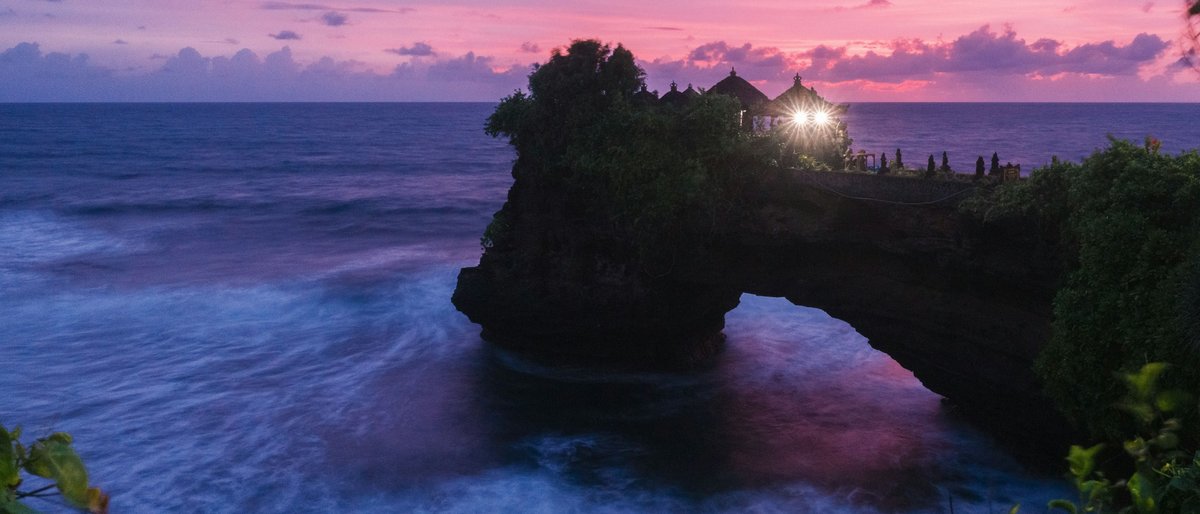
September in Bali sits right at that sweet spot where the dry season starts to loosen its grip. The peak tourist rush of July and August has thinned out — you'll notice it at Seminyak beach clubs and in the rice terraces around Tegallalang, where the selfie queues actually move. Temperatures hover around 28°C (83°F) during the day and dip to a comfortable 23°C (73°F) at night, which is about as pleasant as tropical weather gets. The catch? Rainfall roughly doubles compared to August, jumping from 58mm to around 112mm across 19 or so rainy days. Most of these are short afternoon bursts rather than all-day washouts, but you'll want to plan outdoor activities for the morning.
To be fair, September still ranks among the better months to visit. The air tends to be clear, the ocean is calm enough for diving and snorkeling along the east coast, and hotel rates have come down from their July-August highs without the full wet-season discounts kicking in. Humidity sits around 83%, which sounds oppressive on paper but feels manageable with the coastal breeze — nothing like the thick, soupy air you'll deal with come January. The island's Hindu temple ceremonies continue throughout the month, and you might catch offerings being laid out at dawn along Jalan Hanoman in Ubud or at the small shrines tucked into Canggu's rice paddies.
That said, September is a transitional month. You're gambling slightly on weather — some years stay bone-dry through the end of the month, others see the wet season creep in early. If you need guaranteed sunshine for a week-long beach holiday, August is the safer bet. But if you're comfortable with the occasional afternoon shower and want fewer crowds at a lower price, September is a smart pick.
Why visit in September
- Crowd levels drop noticeably from the July-August peak — popular spots like Tanah Lot and Tirta Empul feel less like theme parks and more like actual temples
- Hotel rates typically run 15-25% below peak-season pricing, with better room availability and upgrade chances at places that were fully booked in August
- Ocean conditions remain excellent for diving and snorkeling, around Nusa Penida and Amed, with water visibility often reaching 20-30 meters
- Morning weather is consistently clear and warm, giving you reliable windows for outdoor activities like volcano hikes, cycling through rice terraces, and waterfall visits
- The cooler nighttime temperatures around 23°C (73°F) make sleeping without air conditioning actually possible in well-ventilated guesthouses
Worth knowing
- Rainfall nearly doubles from August — expect around 112mm across 19 days, which can disrupt full-day outdoor plans if you're unlucky with timing
- Some surf breaks along the Bukit Peninsula start shifting as swells change direction, and conditions at spots like Uluwatu become less consistent than in peak dry season
- The shoulder-season vibe means a few seasonal restaurants and beach clubs may have reduced hours or have already closed after the August rush
- Humidity at 83% is noticeable, inland around Ubud where the air moves less — clothing takes forever to dry and cameras fog up moving between air-conditioned spaces and outdoors
Best for
Think twice if
September marks the tail end of Bali's dry season, though it's drier in name than in strict practice. Daytime temperatures typically reach around 28.4°C (83°F), dropping to 22.9°C (73°F) after dark. Rainfall averages 112mm spread across roughly 19 days — but most showers hit in the afternoon and clear within an hour. Mornings are reliably sunny and warm. Humidity averages 83%, which you'll feel most acutely in Ubud's valley, less so along the coast where the breeze helps. The ocean is warm at around 27-28°C, comfortable for long swims without a wetsuit.
Seasonal caution
- Afternoon rain showers can arrive with little warning, occasionally accompanied by strong gusts — secure loose items on motorbike baskets and avoid exposed ridgeline walks during storms
- UV index remains high (8-10) despite partial cloud cover — sunburn risk is real even on overcast mornings, during water activities where reflection intensifies exposure
Year-round climate
Averages from the last 5 years.
| Month | Avg high (°C) | Avg low (°C) | Rainfall (mm) |
|---|---|---|---|
| Jan | 29 | 24 | 310 |
| Feb | 29 | 24 | 285 |
| Mar | 30 | 24 | 222 |
| Apr | 30 | 24 | 141 |
| May | 29 | 24 | 132 |
| Jun | 29 | 24 | 115 |
| Jul | 27 | 23 | 90 |
| Aug | 28 | 23 | 58 |
| Sep | 28 | 23 | 112 |
| Oct | 30 | 23 | 107 |
| Nov | 30 | 24 | 213 |
| Dec | 30 | 24 | 268 |
Best things to do in September
Manta Ray Diving at Nusa Penida
water sportsSeptember offers some of the year's best conditions for encountering manta rays at Manta Point off Nusa Penida's southern coast. The water is calm, visibility regularly stretches beyond 20 meters, and the mantas tend to congregate at the cleaning stations in reliable numbers. Even snorkelers can get close — the mantas often feed near the surface in the morning hours.
Calm seas, strong visibility, and peak manta ray congregation at cleaning stations before the wet season stirs things upBooking tipBook with a Nusa Penida-based dive operator rather than through a Kuta middleman — you'll get earlier departure times and smaller group sizes
Sunrise Trek on Mount Batur
hikingThe pre-dawn hike up Mount Batur is a Bali staple, but September's clear morning skies make it rewarding. The trail is dry and firm underfoot, and the summit view at sunrise — looking out over Lake Batur and across to Mount Agung — tends to be unobstructed by clouds. The temperature at the top hovers around 15°C at dawn, a welcome chill after the tropical lowlands.
Dry trails, clear summit skies, and cooler morning temperatures than wet-season months when cloud cover often blocks the viewBooking tipGuides are required for the climb — arrange one through your accommodation or a local trekking association in Kintamani the day before
Tegallalang Rice Terrace Walk
sightseeingThe rice terraces north of Ubud are in their deep green phase during September, the paddies lush and layered against the valley walls. With August's peak crowds gone, the walking paths between the terraces feel more like the meditative stroll they're meant to be. The light is best in the early morning before the haze builds, and you'll hear the irrigation water trickling through the subak channels that have fed these fields for centuries.
Rice paddies are at peak green before the harvest, and crowds have thinned noticeably from the August peakBooking tipArrive before 8am to beat the tour bus schedule — the terraces are a different experience when it's just you and the farmers
Snorkeling at Amed
water sportsAmed's east coast reefs are at their most accessible in September. The sea is glassy-calm most mornings, underwater visibility often hits 25-30 meters, and the Japanese shipwreck just offshore sits in shallow enough water for confident snorkelers. The coral gardens along the black volcanic beach are dense with reef fish, and you'll likely spot garden eels swaying in the sandy patches between formations.
Peak underwater visibility, calm seas, and water temperatures warm enough for extended sessions without a wetsuitBooking tipRent gear from a beachfront operator in Amed village rather than bringing your own — the quality is decent and saves hauling equipment across the island
Ubud Art and Culture Walk
cultureSeptember's cooler mornings and thinner crowds make it a fine time to explore Ubud's art scene on foot. Start at the Agung Rai Museum of Art, wander through the galleries along Jalan Raya Ubud, and end up at the Neka Art Museum where the Balinese painting collection traces the island's artistic evolution. Between galleries, the monkey forest road has studios where painters work in open-air ateliers — you can watch the process and smell the fresh oil paint mixing with the frangipani.
Comfortable walking temperatures in the morning, fewer crowds at galleries and museums, and a lively cultural calendar with temple ceremonies adding energy to the townBooking tipNo booking needed for museum visits — just show up early. For private studio visits, ask your accommodation host for introductions to local painters
Waterfall Chasing in North Bali
natureThe waterfalls around Munduk and Sekumpul are still flowing strong from the tail end of the dry season's stored runoff, but the trails are dry enough to hike without slipping through mud. Sekumpul in particular is a stunner — a multi-strand cascade dropping into a misty pool surrounded by dense tropical canopy. The walk down involves a steep descent through bamboo groves, and the sound of the falls builds gradually as you approach.
Waterfalls have good flow without the muddy, slippery trail conditions that make wet-season visits more challengingBooking tipHire a local guide at the trailhead — they know the footing and can point out details you'd miss on your own
Uluwatu Temple Sunset and Kecak Dance
culturePerched on a cliff 70 meters above the Indian Ocean, Uluwatu Temple at sunset is one of those Bali moments that lives up to its reputation. The resident macaques patrol the entrance with theatrical confidence. As the sun drops, the Kecak fire dance begins in the open-air amphitheater — dozens of men chanting in concentric circles while dancers tell the Ramayana story against the darkening sky. September's clear evenings mean the sunset backdrop is usually sharp rather than hazy.
Clear September evenings produce vivid sunsets, and post-peak crowds mean you can find good seats at the Kecak performance without arriving an hour earlyBooking tipArrive about an hour before sunset to explore the temple grounds first — the Kecak performance starts at dusk and fills up, but September gives you more breathing room than July or August
What to eat in September
In season: fruit
Salak Bali (Snake Fruit)
Bali's signature fruit is at its crunchiest in the dry season. The local variety from the village of Sibetan near Mount Agung has a sweet-tart bite unlike the drier Javanese types — look for the ones sold by roadside vendors in small bamboo baskets along the road to Besakih. The skin feels like scaled leather but peels easily, and the flesh inside has a texture somewhere between an apple and a dried date.
On menus now
Lawar
This ceremonial Balinese dish of minced meat, grated coconut, and spices appears more frequently during temple ceremony periods. The version made with young jackfruit is lighter and suits the warm September weather — you'll find it at warung throughout Gianyar regency. Each village has its own take, and the texture ranges from coarse to almost paste-like depending on who's making it.
Bubur Injin
Black rice pudding cooked slow with palm sugar and coconut milk until it thickens into something halfway between porridge and dessert. Served warm or at room temperature with a swirl of cold coconut cream on top. The contrast between the earthy, slightly nutty rice and the sweet cream is the kind of thing you end up craving weeks after leaving. Morning markets in Ubud and Denpasar typically have vendors selling it by the bowl.
Street food peaks
Sate Lilit
Bali's signature satay uses minced fish or pork wrapped around lemongrass stalks rather than threaded on bamboo skewers. The lemongrass imparts a citrusy fragrance as it grills over coconut husk charcoal. You'll find it at warung across the island, but the versions in Klungkung and Gianyar tend to be the most traditional — slightly coarser in texture, heavier on the galangal, and served with a small mound of steamed rice and sambal matah.
What to drink
Jamu Kunyit Asam
Turmeric and tamarind tonic served cold from glass jars at morning markets. September's warm, dry mornings make this the perfect refresher — slightly sour, earthy, and served over ice at places like Ubud's morning market near the palace. The yellow stain on your lips is a temporary souvenir.
Regular events in September
Full Moon Ceremony (Purnama)Free
Balinese Hindus mark each full moon with ceremonies at temples across the island. In September, you'll see elaborate offerings at water temples like Tirta Empul and Ulun Danu Beratan, with processions of women in white lace carrying towering fruit offerings on their heads. The ceremonies are open to respectful visitors who wear a sarong and sash.
Full moon date varies — check the Balinese calendarSanur Village FestivalFree
If this annual festival falls in September (dates shift year to year), Sanur's beachfront promenade fills with food stalls, live music stages, and cultural performances. It's a more relaxed, family-oriented alternative to the Seminyak scene — local bands play alongside traditional gamelan orchestras, and the food vendors pull from across the island's regional cuisines.
Late September (dates vary annually)New Moon Ceremony (Tilem)Free
The new moon brings quieter, more reflective temple ceremonies focused on purification. Smaller neighborhood temples hold intimate rituals, and you'll notice more offerings than usual placed at doorways and crossroads throughout the island. It's a subtle window into daily Balinese spiritual practice that most tourists walk right past.
New moon date varies — check the Balinese calendarBest places this September
Nusa Penida
islandThe island off Bali's southeast coast is at its most accessible in September — calm seas make the boat crossing smooth, and the dramatic coastal formations like Kelingking Beach and Broken Beach are best photographed in the clear morning light. The manta ray encounters at Manta Point are a major draw for divers and snorkelers.
Munduk
natureThis hill village in north-central Bali sits among clove plantations and coffee farms at an elevation where the air is noticeably cooler. September's dry trails make the waterfall hikes comfortable, and the village itself has a quiet, unhurried atmosphere that feels like Ubud did two decades ago. The smell of drying cloves hangs in the air along the main road.
North BaliSidemen Valley
countrysideA less-visited alternative to the Tegallalang terraces, Sidemen offers sweeping rice terrace views with Mount Agung as the backdrop. September's clear skies mean the volcano is visible more often than not, and the valley's small guesthouses and homestays provide a pace of life that the southern tourist belt has largely lost.
East BaliTirta Empul
templeThe holy spring temple near Tampaksiring is where Balinese Hindus come for ritual purification, filing through a series of fountains that flow from a natural spring. September's reduced crowds mean you can participate in the bathing ritual without a long queue — the cold spring water is a shock, then a relief. Mind you, respectful dress and behavior are non-negotiable.
Central BaliAmed
beachThis quiet stretch of east coast fishing villages sits on black volcanic sand beaches with coral reefs just meters offshore. September's calm water and excellent visibility make it one of the best months for the area. The Japanese shipwreck dive site is accessible to snorkelers, and the sunrises over the Lombok Strait are striking without wet-season cloud cover.
East BaliCanggu
neighborhoodThe surf-and-brunch corridor northwest of Seminyak has a more manageable energy in September. The rice paddies between the beach clubs are still green, the cafes have open tables at reasonable hours, and the sunset at Batu Bolong beach draws a smaller but still sociable crowd. The echo beach area catches a decent swell even as the Bukit breaks become less consistent.
South BaliUluwatu
templeThe clifftop temple and its surrounding coastline are September highlights. The limestone cliffs glow golden in the late afternoon light, and the Kecak dance performance at sunset is one of Bali's signature cultural experiences. The beaches below — Padang Padang, Suluban — are accessible via steep staircases carved into the rock.
Bukit Peninsula
Your packing checklist
Tick items off as you pack. Your progress saves in this browser.
Insider tips
The Balinese calendar runs on a 210-day cycle that doesn't align with the Gregorian calendar, so temple ceremony dates shift each year. Ask your accommodation staff what ceremonies are happening nearby — attending a local temple celebration is one of the most memorable things you can do, and visitors who dress respectfully are generally welcome.
Motorbike rental is the most practical way to get around, but September's afternoon rain makes roads slick — if you're not an experienced rider, hire a driver for the day instead. The cost is reasonable and frees you from navigating Bali's occasionally chaotic traffic.
Ubud's morning market near the royal palace has two faces — the tourist section with marked-up souvenirs, and the local section behind it where Balinese families buy produce, spices, and ceremonial supplies. The local section opens before dawn and winds down by mid-morning. That's where the jamu vendors set up.
If you're staying in Canggu or Seminyak and want to escape the cafe scene for a day, the drive north through Bedugul and down to Munduk takes about two hours and drops you into a completely different version of Bali — mountain air, coffee plantations, almost no tourists.
September's shoulder-season pricing means you can often negotiate better rates on multi-night villa stays, if you book directly with the property rather than through a platform. A polite ask about extended-stay discounts or room upgrades tends to get a friendlier reception than during peak months.
Water temples like Tirta Empul are busiest on weekends and ceremonial days. Visit on a weekday morning if you want the purification ritual experience without the crowds — the cool spring water feels refreshing after the drive through the warm lowlands.
Avoid these mistakes
- Packing only for sunshine and leaving rain gear behind — September's afternoon showers are short but can soak you thoroughly if you're caught on a motorbike or mid-hike without protection
- Booking a tightly packed outdoor itinerary with no flexibility — the weather is mostly cooperative, but you need buffer days to shift plans if an afternoon storms out a sunset temple visit or a waterfall hike
- Skipping sunscreen on cloudy mornings — the UV index stays high through cloud cover, and the reflected glare off the water during snorkeling sessions is deceptive
- Trying to do Nusa Penida as a rushed day trip from south Bali — the boat crossing, island distances, and limited road quality mean you'll spend most of the day in transit unless you stay overnight
- Wearing shorts and a tank top to a temple and having to scramble for a rental sarong at the entrance — carrying your own sarong in your daypack takes no space and avoids the awkward pause at every temple gate
Practical tips for September
September sits in that comfortable zone where you get most of the dry-season benefits with fewer of the peak-season headaches. Book accommodation a few weeks in advance for popular areas like Ubud and Seminyak — it's not as urgent as July or August, but the better-value properties still fill up. For diving trips to Nusa Penida, book through operators based on the island itself rather than Kuta or Sanur-based agencies, as you'll get earlier boat departures and more time in the water. The Grab ride-hailing app works in southern Bali but coverage is spotty in Ubud and nonexistent in rural areas — arrange transport through your accommodation for day trips to waterfalls or temples in the north. Carry cash in smaller denominations for warung meals, market purchases, and temple donations, as card acceptance is still patchy outside of tourist-oriented businesses. If you're renting a motorbike, check the brakes and tires before accepting it — wet roads from afternoon showers on worn tires are a common cause of minor accidents. International driving permits are technically required for motorbike rental, though enforcement varies. Travel insurance that covers motorbike use is worth having regardless.
FAQ
Is September a good time to visit Bali overall?
September is a solid month for Bali — it's still technically dry season, temperatures are comfortable, and the July-August peak crowds have moved on. You'll deal with more rainfall than the core dry months, but most showers are brief afternoon events that clear within an hour. It ranks around fourth among the twelve months, behind the drier stretch from June through August but well ahead of the wet-season months.
How much does it rain in Bali in September?
Expect around 112mm of rainfall spread across roughly 19 days. That sounds like a lot, but most of it falls in short afternoon bursts rather than all-day downpours. Mornings are reliably clear and warm. The rain tends to be heavier inland around Ubud and the mountains, lighter along the southern coast. Carry a rain jacket and you'll barely notice it.
Can you still dive and snorkel in Bali in September?
September is actually one of the best months for diving and snorkeling. The seas around Nusa Penida and Amed are calm, underwater visibility regularly exceeds 20 meters, and the water temperature sits around 27-28°C — comfortable without a wetsuit. It's prime time for manta ray sightings at Manta Point and mola mola encounters off the east coast.
Is September cheaper than peak season in Bali?
Yes, noticeably so. Hotel rates typically run 15-25% below what you'd pay in July or August, and there's better room availability across the board. Flights from major Asian hubs are moderately priced. It's not the deep-discount territory of wet season, but the value-to-weather ratio is arguably the best of any month. Direct booking and multi-night stays often yield additional savings.
What should I pack for Bali in September?
Light, breathable clothing is the foundation — cotton or linen for the heat, plus quick-dry fabrics for humid days. A compact rain jacket is non-negotiable for the afternoon showers. Bring reef-safe sunscreen, a wide-brimmed hat, and a sarong for temple visits. If you're heading to Ubud or the mountains, a light long-sleeve layer handles the cooler evenings. Waterproof phone pouch and insect repellent round out the essentials.
Are the crowds bad in Bali in September?
September is medium-crowd territory — noticeably calmer than the July-August peak but not as quiet as the wet-season low months. You'll find popular spots like Tanah Lot and the Tegallalang rice terraces manageable, restaurants in Ubud and Seminyak won't require advance reservations for most meals, and dive boats won't be packed to capacity. It's a comfortable middle ground.
Things to Do in Bali in September
 Free cancellation
 Ubud Private Tour - All Inclusive Premium Experience
Day trip — free cancellation.
via Viator Free cancellation
 Nusa Penida Premium Day from Bali: Manta Rays, Yacht & Land Tour
Day trip — free cancellation.
via Viator Free cancellation
 Best of Ubud Full-Day Tour with Jungle Swing
Day trip — 10 hours, free cancellation.
via Viator Free cancellation
 Ubud: Monkey Forest, Jungle Swing, Rice Terrace and Water Temple
Day trip — free cancellation.
via Viator Free cancellation
 Private Uluwatu Sunset Tour with Kecak Dance and Dinner
Day trip — 7 hours, free cancellation.
via Viator Free cancellation
 Tanah Lot and North Bali Tour: Scenic Journey
Day trip — free cancellation.
via ViatorFind a flight to Bali
Live fares to Bali appear here once cookies are accepted.
Last verified by automated review (v1.7.1) on May 26, 2026. What is automated review?