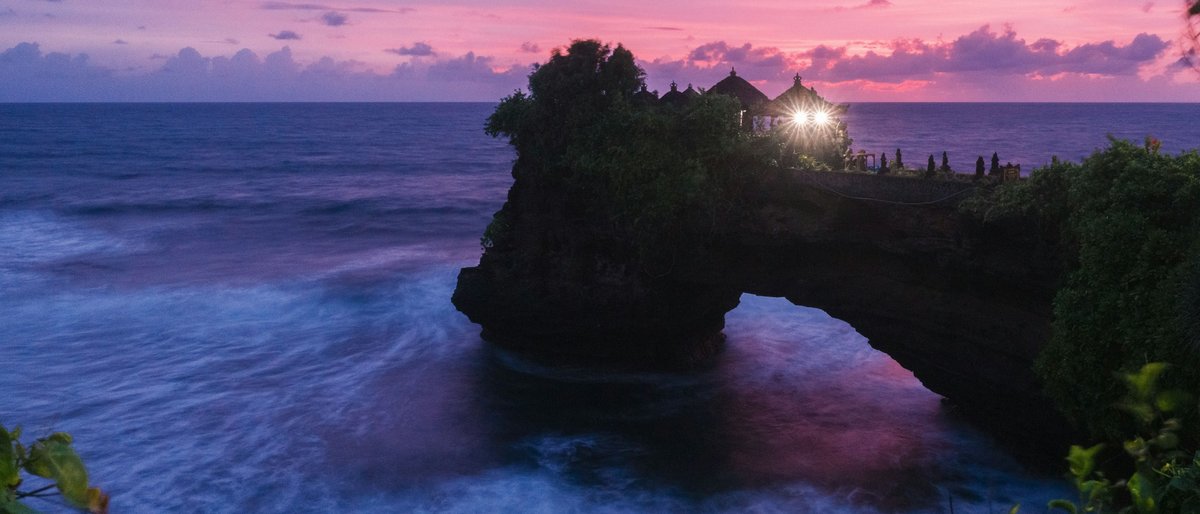
July is Bali's dry season at its most reliable, and frankly, everyone knows it. This is when the island fills up with Australian families on school holidays, European couples escaping their own summer, and surfers chasing the consistent swells rolling into the western and southern coasts. Daytime temperatures hover around 27°C (81°F) — warm but not punishing — with nights dipping to a comfortable 23°C (74°F). The humidity sits at about 81%, which still feels tropical but nothing like the sticky wall of moisture that hits you during the wet months. You'll get some rain, around 90mm across the month, but it tends to arrive in short bursts rather than the all-day downpours of January.
Here's the honest trade-off with July: the weather is lovely, but so is the company of several hundred thousand other tourists who had the same idea. Seminyak gets noticeably congested. Ubud's Monkey Forest path can feel like a queue. Restaurant reservations in Canggu that you'd walk into in March now need a day's notice. If you've been to Bali in the quiet months, July will feel like a different island for crowd density.
That said, July also catches the tail end of the Bali Arts Festival, which brings traditional dance, gamelan performances, and craft exhibitions to the Taman Werdhi Budaya arts center in Denpasar. The dry weather makes temple visits comfortable, rice terrace walks pleasant rather than muddy, and the surf conditions on the Bukit Peninsula are about as good as they get all year. It's a fine month to visit — just go in knowing you'll share it with a lot of other people, and your wallet will feel it.
Why visit in July
- Driest stretch of the year — only about 90mm of rain, mostly in brief afternoon showers that clear within the hour
- Consistent southwest swells produce some of the best surf conditions at Uluwatu, Padang Padang, and Impossibles
- Comfortable temperatures that rarely push past 30°C (86°F), making outdoor temple visits and rice terrace hikes pleasant
- The Bali Arts Festival runs into mid-July, offering a rare window into traditional Balinese performing arts without the tourist-show veneer
- Clear skies mean reliable visibility for sunrise treks on Mount Batur and for snorkeling off Nusa Penida
Worth knowing
- Peak season pricing — expect to pay 40-60% more for accommodation compared to wet-season rates, and popular villas book out months ahead
- Crowds are at or near their annual peak, in Seminyak, Canggu, and central Ubud, which can test your patience at popular restaurants and attractions
- The southern beaches, Kuta and Legian, get packed — finding a quiet stretch of sand requires effort or a scooter ride
- Domestic Indonesian tourism also picks up around school holiday periods, compounding the international visitor numbers
Best for
Think twice if
July sits in central Bali's dry season, and it shows. Daytime temperatures typically reach about 27.4°C (81°F), while nights settle around 23.1°C (74°F) — warm enough for shorts and a t-shirt around the clock, cool enough that you won't be miserable. Rainfall averages around 90mm for the month, which sounds like a decent amount until you compare it to January's 310mm. The rain that does arrive tends to come in short afternoon bursts, the kind where you duck into a warung for a coffee and emerge twenty minutes later to blue sky. Humidity holds at around 81%, which you'll notice — there's a persistent warmth to the air, and you'll want a shower after any real exertion — but it's noticeably more comfortable than the wet season's oppressive dampness. Mornings are often crystal clear, which is why the Mount Batur sunrise trek operators do their best business this month.
Year-round climate
Averages from the last 5 years.
| Month | Avg high (°C) | Avg low (°C) | Rainfall (mm) |
|---|---|---|---|
| Jan | 29 | 24 | 310 |
| Feb | 29 | 24 | 285 |
| Mar | 30 | 24 | 222 |
| Apr | 30 | 24 | 141 |
| May | 29 | 24 | 132 |
| Jun | 29 | 24 | 115 |
| Jul | 27 | 23 | 90 |
| Aug | 28 | 23 | 58 |
| Sep | 28 | 23 | 112 |
| Oct | 30 | 23 | 107 |
| Nov | 30 | 24 | 213 |
| Dec | 30 | 24 | 268 |
Headline events
Bali Arts Festival (Pesta Kesenian Bali)
Mid-June through second week of July (closing ceremonies)
The island's largest annual cultural event, running since 1979. Hundreds of Balinese performers — gamelan orchestras, Legong and Barong dancers, shadow puppeteers — perform at the Taman Werdhi Budaya Art Centre in Denpasar. The festival typically starts in mid-June and runs through the second week of July, with the closing ceremonies often being the most elaborate. This is traditional Balinese art performed for Balinese audiences, not a tourist show, which gives it a different energy. Food stalls line the venue with regional Balinese dishes you won't find in Seminyak restaurants.
Best things to do in July
Surf the Bukit Peninsula reef breaks
water sportsJuly's consistent southwest swell direction sends clean, organized waves into Uluwatu, Padang Padang, Impossibles, and Bingin. The swell period tends to be longer than early dry-season months, producing powerful, hollow waves that hold shape well. Uluwatu's main peak offers rides of 100 meters or more on good days, while Padang Padang's barrel is at its most consistent.
Southwest swell direction is at its most consistent, offshore winds from the east keep the wave faces clean, and swell size averages overhead to double overhead — the best combination of the year.Booking tipIf you need a surf guide for the reef breaks, book at least a few days ahead — the good ones are in high demand. Board rentals near Uluwatu are plentiful but negotiate the price before heading down the cliff stairs.
Mount Batur sunrise trek
hikingThe 1,717-meter volcano on Bali's northeast side offers one of the island's signature experiences — a pre-dawn hike that puts you at the crater rim as the sun rises over Mount Agung and the caldera lake below. The trail is well-worn and manageable for reasonable fitness levels, taking about two hours up. Guides cook eggs in the volcanic steam vents at the summit, which is more charming than it sounds.
July's dry season means clear skies on most mornings, which is critical — doing this hike in the wet season often means climbing into cloud with zero visibility at the top. The air is also cooler and less humid, making the ascent more comfortable.Booking tipBook a day or two ahead and confirm a 3:30 AM pickup time. Avoid the cheapest operators — a slightly higher price usually means smaller groups and better guides. Bring a headlamp with fresh batteries.
Snorkeling and diving at Nusa Penida
water sportsThe waters around Nusa Penida, Nusa Lembongan, and Nusa Ceningan offer some of the best underwater visibility in the region during July. Manta rays are regularly spotted at Manta Point, and the crystal-clear water reveals coral gardens, reef sharks, and the occasional ocean sunfish (mola mola) beginning to appear toward the end of July as water temperatures dip.
Dry season means calmer seas and visibility often exceeding 25-30 meters. The mola mola season begins in late July, giving divers a chance at one of the ocean's strangest creatures. Boat crossings from Sanur are smoother and less prone to cancellation.Booking tipBook fast boat tickets to Nusa Penida at least a week ahead during July — they sell out. For diving, choose operators affiliated with PADI or SSI and confirm they carry proper safety equipment. Manta Point trips are weather-dependent even in dry season.
Tegallalang and Jatiluwih rice terrace walks
natureBali's well-known rice terraces are at their most walkable in July — dry trails, firm footing, and comfortable temperatures for what can be a multi-hour hike through the paddies. Jatiluwih, the UNESCO-listed terrace system in Tabanan, is less crowded than Tegallalang and significantly more scenic. The rice is typically mid-cycle in July, producing a patchwork of greens across the terraced hillsides.
Dry trails instead of the muddy, slippery paths that make wet-season terrace walks treacherous. The cooler morning temperatures make extended walks comfortable rather than exhausting.Booking tipGet to Tegallalang before 9 AM to beat the tour bus crowds, or skip it entirely for Jatiluwih where you can walk for hours and barely see another tourist on the longer trails.
Catch the Bali Arts Festival closing ceremonies
cultureIf you're on the island in the first or second week of July, the Pesta Kesenian Bali's final performances at Taman Werdhi Budaya in Denpasar are worth the trip. The closing night typically features large-scale Kecak dance performances, gamelan competitions, and elaborate costumes. The atmosphere is more local festival than tourist event — Balinese families picnicking, kids running around, food vendors everywhere.
The festival only happens once a year and the closing ceremonies in early-to-mid July are considered the highlight. This is traditional Balinese culture performed for a primarily Balinese audience, which gives it an authenticity you won't find at hotel dinner shows.Booking tipEntry is free. Arrive early for a good seat at the main amphitheater — popular performances fill up. The venue is in central Denpasar, which most tourists never visit, so grab a taxi or hire a driver for the evening.
Waterfall chasing in central Bali
natureThe dry season reduces the volume of Bali's waterfalls compared to their wet-season thundering, but they're still flowing and the access trails are dramatically safer. Sekumpul, often called Bali's most photogenic waterfall, involves a steep descent that becomes dangerously slippery in the wet months. Gitgit, Tukad Cepung, and Kanto Lampo are all accessible and far less muddy.
Safe, dry trails to waterfalls that are treacherous in the wet season. Water volume is lower but still substantial — and you can actually enjoy the experience without slipping on wet stone steps carrying a broken umbrella.Booking tipSekumpul is best visited with a local guide from Singaraja rather than a south Bali tour operator — shorter drive, better price, smaller group. Go early morning for the best light filtering into the gorge.
Temple visits without the rain
cultureBali has over 20,000 temples, and July's dry weather makes visiting the major ones — Uluwatu, Tanah Lot, Besakih, Tirta Empul — far more pleasant than dodging rainstorms. Uluwatu's clifftop setting at sunset, with the Kecak fire dance performance against the Indian Ocean backdrop, is at its most dramatic when skies are clear.
Reliable dry weather means you can plan a temple visit without checking the rain forecast every hour. The sunset temples — Uluwatu and Tanah Lot — depend on clear skies for their visual impact, and July delivers more consistently than any other month.Booking tipFor Uluwatu's Kecak dance, buy tickets early in the day or have your hotel arrange them — the 6 PM performance sells out in peak season. Wear a sarong or rent one at the entrance; it's required at all temples.
What to eat in July
In season: fruit
Mangosteen
July falls right in the middle of mangosteen season in Bali. You'll find them piled high at every fruit stall and morning market — the dark purple shells crack open to reveal segments of white flesh that taste like a cross between lychee and peach. Buy them by the kilo from the Badung Market in Denpasar for a fraction of what beach vendors charge.
Salak (Snake Fruit)
Bali's signature fruit hits its stride during the dry months. The variety grown around the village of Sibetan in Karangasem is prized — sweeter and less astringent than what you'll find elsewhere. The papery brown skin peels away to reveal crunchy, slightly tangy segments. Worth the drive east to try it at the source.
Rambutan
Those hairy red fruits you see in clusters along the roadside — July is when they're at their sweetest. The flesh is translucent, juicy, and gently sweet, and they make a surprisingly good counterpoint to the salty, spicy Balinese dishes. Cheap and everywhere at local markets.
On menus now
Babi Guling (Suckling Pig)
Available year-round, but the dry season's cooler mornings make the slow-roasting process more comfortable for the cooks, and the quality tends to be at its peak. The skin should shatter when you bite it, and the meat underneath is tender with a deep spice paste of turmeric, coriander, and lemongrass. Warung Ibu Oka in Ubud gets all the press, but locals will point you toward smaller spots in Gianyar.
What to drink
Es Daluman (Green Grass Jelly Drink)
A cold drink made from green jelly derived from the daluman leaf, mixed with coconut milk and palm sugar. The dry season heat makes this the perfect afternoon refresher. You'll find it at market stalls and warungs across the island — the coconut milk should be fresh, not from a can, and the palm sugar syrup should taste like caramel, not just sweet.
Regular events in July
Full Moon Ceremony (Purnama)Free
Balinese Hindus celebrate every full moon with ceremonies at temples across the island. In July, the full moon typically falls mid-month. Besakih, Uluwatu, and local village temples all hold observances with offerings, prayers, and processions. Visitors can watch respectfully from designated areas.
Full moon date in July (varies by year)Ogoh-Ogoh exhibitionsFree
While the famous Ogoh-Ogoh parade happens before Nyepi (Balinese New Year), some villages display their giant papier-mâché demon statues during dry season festivals. These aren't guaranteed in July, but keep an eye out — ask your accommodation host if any nearby villages have ceremonies planned.
Varies by village calendarSanur Village FestivalFree
Held annually along the Sanur beachfront promenade, this festival features food stalls, live music, kite-flying competitions, and local art exhibitions. It typically falls in late July or August and has a more relaxed, community feel than the bigger festivals. The seafood stalls alone are worth the visit.
Late July to early August (varies by year)Best places this July
Sidemen Valley
valleyWhile the crowds flock to Ubud and Canggu, the Sidemen Valley in east Bali remains comparatively quiet even in July. The rice terraces here are less manicured than Tegallalang but more authentic, and the views toward Mount Agung on a clear dry-season morning are staggering. A few days here feels like Bali twenty years ago.
Karangasem RegencyUluwatu clifftops and beaches
beachThe Bukit Peninsula's limestone cliffs and the beaches tucked into their base — Suluban, Thomas, and Nyang Nyang — are at their best in July. Dry weather means the steep stairways down to the sand are safe, and the afternoon light on the cliffs is golden. The surf breaks are firing, and even non-surfers can spend hours watching from the warung perches above Uluwatu.
Bukit PeninsulaMunduk and the northern highlands
highland villageThe village of Munduk in Bali's central highlands offers cool temperatures, coffee plantations, and multiple waterfalls within walking distance. July's dry conditions make the trail network accessible, and the tourist numbers up here are a fraction of what you'll encounter in the south. The clove and coffee drying in the morning sun gives the whole village a rich, spiced scent.
Buleleng RegencyTirta Gangga Water Palace
historical siteThis former royal water garden in east Bali features ornamental pools, fountains, and stepping stones over koi-filled basins, all set against a backdrop of rice terraces. In July, the grounds are dry and the mountain views behind the palace are reliably clear. It's less visited than the south Bali temples and far more peaceful.
Karangasem RegencySanur Beach promenade
beach promenadeSanur's paved beachfront path stretches for several kilometers and has a completely different energy from Kuta or Seminyak. Morning walks here bring you past local fishermen launching jukung boats, expat cyclists, and open-air warungs serving nasi campur. July mornings along this stretch are warm, breezy, and about as calm as Bali gets during peak season.
SanurJatiluwih Rice Terraces
rice terracesThe UNESCO World Heritage rice terraces in Tabanan cover over 600 hectares of sculpted hillside. Unlike Tegallalang, which can feel like a photo backdrop with a café attached, Jatiluwih is a working agricultural landscape with hiking trails that take you hours into the paddies. July's dry weather and mid-cycle rice growth mean firm trails and a rich green palette across the terraces.
Tabanan RegencyNusa Ceningan and the Blue Lagoon
islandThe smallest of the three Nusa islands, connected to Nusa Lembongan by a yellow suspension bridge. The Blue Lagoon viewpoint here shows off some of the most striking turquoise water you'll see anywhere in Indonesia. July's calm seas mean cliff jumping is at its safest, and the boat crossings from Sanur are reliable.
Nusa Islands
Your packing checklist
Tick items off as you pack. Your progress saves in this browser.
Insider tips
The Bali Arts Festival at Taman Werdhi Budaya in Denpasar is free and largely attended by Balinese families — it's one of the few cultural experiences on the island that hasn't been repackaged for tourists. Go on a weeknight for smaller crowds and grab dinner from the food stalls inside the venue. The nasi jinggo vendors are good.
Skip the Tegallalang rice terraces if you hate crowds. Drive an extra hour to Jatiluwih or the Sidemen Valley and you'll have terraces that are more expansive and less Instagram-staged. The Tegallalang swing operators will hassle you constantly; Jatiluwih is just farmers and footpaths.
For Uluwatu's Kecak dance performance, sit on the left side of the amphitheater facing the stage — you'll get the Indian Ocean sunset behind the performers rather than squinting into it. The show starts at 6 PM but the photogenic light peaks around 6:20-6:30 PM.
If you're renting a scooter, fill up at the proper Pertamina gas stations rather than buying the vodka-bottle petrol sold at roadside stalls. The price difference is minimal, the quality is reliable, and you won't end up with water-contaminated fuel that stalls your bike on a hillside in Kintamani.
July mornings at Tirta Empul temple — the holy spring water temple near Ubud — are special if you arrive before 8 AM. The purification ritual is still happening with mostly local worshippers at that hour. By 10 AM, it's a queue of tourists in rented sarongs taking selfies.
Avoid these mistakes
- Booking accommodation only in Seminyak or Canggu and then spending the whole trip in traffic. July crowds make the already-bad Bali traffic significantly worse on the main southern corridors. Base yourself near what you want to see — Ubud for terraces and culture, Bukit for surf and beaches, Sanur for the Nusa island boats — rather than commuting across the island daily.
- Underestimating the sun because the temperature only reads 27°C. The UV index in Bali in July is high, and the combination of humidity and equatorial sun will burn you faster than the thermometer suggests. Reapply sunscreen every two hours, after swimming.
- Planning a packed daily itinerary that ignores Bali's traffic reality. A temple that looks 30 minutes away on Google Maps might take 90 minutes in July traffic. Build in buffer time, or you'll spend your trip frustrated in the back of a Grab car.
- Visiting Tanah Lot at sunset without booking a dinner nearby first. Everyone goes for sunset, the car park becomes a mess, and you'll wait 45 minutes for a ride out. Instead, walk to one of the warungs along the cliff edge south of the temple, have dinner watching the sunset, and leave after the crowds have gone.
Practical tips for July
July is peak season in every sense — book accommodation at least 6-8 weeks ahead for popular areas like Seminyak, Canggu, and central Ubud. Villa rentals through legitimate agencies tend to offer better value than hotels at this price point. For inter-island transport, fast boat tickets to the Nusa islands and Gili islands sell out days in advance, so book online before you arrive. Temple dress codes are enforced year-round: knees and shoulders covered, sarong required. Most major temples provide rentals but carrying your own is easier. Grab and Gojek ride-hailing apps work across southern Bali and Ubud but drivers can be scarce during evening peak hours in July — budget extra time. Currency exchange rates are best at authorized money changers in Kuta and Sanur; avoid anyone offering rates that seem too good. ATMs are widespread but carry a backup card, as some machines run out of cash during peak tourist weeks. Indonesian visa on arrival (30 days) is available for most nationalities at Ngurah Rai airport — the queue moves faster in the early morning arrivals.
FAQ
Is July a good time to visit Bali?
July is one of the best months weather-wise — it's the heart of the dry season with average highs around 27°C (81°F) and only about 90mm of rainfall, which is the second-lowest month after August. The trade-off is that it's also peak tourist season, so you'll pay premium prices and share the island with large crowds. If comfortable weather is your priority and you don't mind spending more, July is a strong choice. If budget or solitude matter more, consider May or September for nearly as good weather with fewer people.
What is the weather like in Bali in July?
Warm and mostly dry. Average highs reach 27.4°C (81°F) and lows settle around 23.1°C (74°F). Humidity sits at about 81%, which is noticeable but comfortable compared to the wet season. Rainfall averages 90mm for the month, typically arriving in brief afternoon showers rather than all-day rain. Mornings are usually clear and sunny, making July good for early-morning activities like the Mount Batur sunrise trek or temple visits.
Is Bali crowded in July?
Yes, July is one of Bali's busiest months. It coincides with European and Australian school holidays, and the dry weather draws visitors from across Asia. The southern beach areas — Seminyak, Kuta, Canggu — feel the impact most. Popular restaurants need reservations, traffic worsens significantly, and major temples like Uluwatu and Tanah Lot are packed at sunset. To avoid the worst of it, head east to Amed, Sidemen, or the north coast around Lovina, where the peak-season crowds thin out considerably.
How far in advance should I book hotels in Bali for July?
For popular areas like Seminyak, Canggu, and central Ubud, booking 6-8 weeks ahead is wise for good selection. Top-rated villas and boutique hotels can fill up 2-3 months in advance. Budget guesthouses are somewhat easier to find last-minute, but even they raise rates and fill up during July's peak weeks. For less-visited areas like Munduk, Sidemen, or Amed, you have more flexibility, but booking at least 2-3 weeks ahead still gets you better rates.
Is it worth visiting Bali in July despite the high prices?
It depends on what you value. July's dry weather, clear skies, and excellent surf conditions make it one of the best months for outdoor activities and temple visits. The Bali Arts Festival adds a cultural dimension you won't find in other months. If your budget can absorb the 40-60% price premium over low season and you're willing to plan ahead to avoid the worst crowds, July delivers a consistently good experience. If you're flexible on dates, late September or May offer nearly comparable weather at significantly lower prices.
Things to Do in Bali in July
 Free cancellation
 Ubud Private Tour - All Inclusive Premium Experience
Day trip — free cancellation.
via Viator Free cancellation
 Nusa Penida Premium Day from Bali: Manta Rays, Yacht & Land Tour
Day trip — free cancellation.
via Viator Free cancellation
 Best of Ubud Full-Day Tour with Jungle Swing
Day trip — 10 hours, free cancellation.
via Viator Free cancellation
 Ubud: Monkey Forest, Jungle Swing, Rice Terrace and Water Temple
Day trip — free cancellation.
via Viator Free cancellation
 Private Uluwatu Sunset Tour with Kecak Dance and Dinner
Day trip — 7 hours, free cancellation.
via Viator Free cancellation
 Tanah Lot and North Bali Tour: Scenic Journey
Day trip — free cancellation.
via ViatorFind a flight to Bali
Live fares to Bali appear here once cookies are accepted.
Last verified by automated review (v1.7.1) on May 26, 2026. What is automated review?