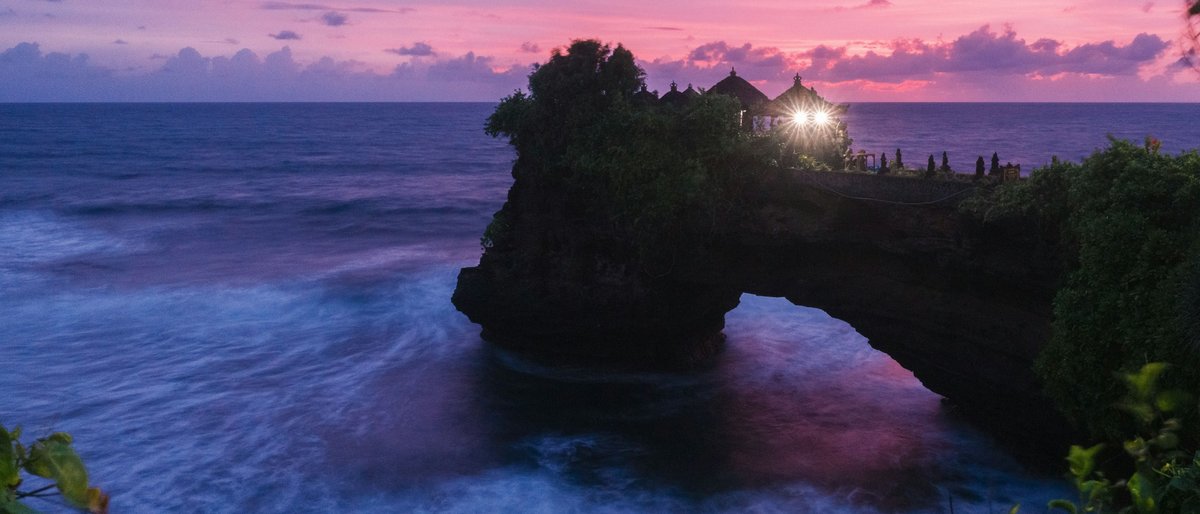
November in Bali means one thing above all else: the wet season has arrived. After months of relatively dry weather, the skies open up with roughly 213mm of rainfall spread across about 25 days — that's rain on most days you're there, though it tends to come in intense afternoon bursts rather than all-day grey drizzle. Temperatures sit around 30°C (86°F) during the day and drop to a comfortable 24°C (75°F) at night, so the heat itself isn't the problem. The humidity is. At 85%, it's the kind of sticky, clinging dampness that makes you want a shower twenty minutes after your last one. Step outside after a downpour and the air feels thick enough to drink.
That said, November isn't Bali at its worst. January and February dump significantly more rain, and December brings both worse weather and peak holiday pricing. November sits in an odd sweet spot — the last of the shoulder season before Christmas crowds descend. Hotel rates haven't spiked yet, the surf on the west coast picks up considerably, and the rice terraces around Tegallalang and Jatiluwih turn that deep, saturated green that photographs so well. You'll share Tanah Lot with a fraction of the July crowd.
To be fair, you need to be the right kind of traveler to enjoy November here. If your dream Bali trip involves uninterrupted beach days and reliably blue skies, this isn't your month — try July or August. But if you're comfortable with plans that flex around afternoon storms, if you actually prefer temples without the tour bus crowds, and if saving 30-40% on accommodation sounds appealing, November has a quiet appeal that the peak-season visitors never get to experience. Mind you, bring proper rain gear. You will need it.
Why visit in November
- Hotel and villa rates run 30-40% below peak season (July-August), with genuine negotiating room at mid-range properties in Seminyak and Canggu
- Rice terraces at Tegallalang and Jatiluwih reach their most photogenic deep green as the rains feed new plantings
- West coast surf spots like Medewi and Balian start receiving consistent wet-season swells, with less competition for waves than the dry-season crowds at Uluwatu
- Major temples like Uluwatu, Tanah Lot, and Tirta Empul are noticeably quieter — you can actually linger and absorb the atmosphere rather than shuffling through with a crowd
Worth knowing
- Rain falls on roughly 25 of 30 days, typically as heavy afternoon downpours that can wash out outdoor plans for 2-3 hours at a time
- Humidity sits at a constant 85%, which makes even the 30°C temperatures feel oppressive and leaves clothes perpetually damp
- Some boat operators to Nusa Penida and the Gili Islands reduce schedules or cancel crossings during rough weather, limiting island-hopping flexibility
- Mosquitoes are significantly more active with the standing water from daily rains — dengue risk increases during the wet season
Best for
Think twice if
November marks Bali's transition into full wet season. Mornings often start warm and partly sunny, lulling you into a false sense of security before the clouds build and the afternoon storms roll in — sometimes violently. The rain is typically concentrated in 1-3 hour bursts rather than all-day drizzle, and when it stops, the air cools noticeably for an hour or so before the humidity climbs right back. Evenings can be pleasant, up in Ubud where the elevation takes the edge off. The ocean temperature hovers around 28-29°C, so swimming remains comfortable when the seas are calm enough.
Seasonal caution
- Heavy afternoon downpours can cause localized flash flooding on low-lying roads, around Kuta and southern Seminyak — avoid driving through standing water on a motorbike
- Dengue-carrying mosquitoes are more active during wet season; use repellent consistently, around dawn and dusk
- Sea conditions on the east coast can be rough, with some dive operators and boat services to Nusa Penida reducing schedules or cancelling trips on short notice
- Lightning is common during afternoon storms — get out of the water and away from the beach when you see clouds building
Year-round climate
Averages from the last 5 years.
| Month | Avg high (°C) | Avg low (°C) | Rainfall (mm) |
|---|---|---|---|
| Jan | 29 | 24 | 310 |
| Feb | 29 | 24 | 285 |
| Mar | 30 | 24 | 222 |
| Apr | 30 | 24 | 141 |
| May | 29 | 24 | 132 |
| Jun | 29 | 24 | 115 |
| Jul | 27 | 23 | 90 |
| Aug | 28 | 23 | 58 |
| Sep | 28 | 23 | 112 |
| Oct | 30 | 23 | 107 |
| Nov | 30 | 24 | 213 |
| Dec | 30 | 24 | 268 |
Best things to do in November
Surf the west coast breaks
sportNovember's wet-season swells light up Bali's western coastline. Medewi, a long left-hander in the northwest, gets consistent overhead waves without the crowd pressure that Uluwatu and Padang Padang see during the dry season. Balian Beach is another strong option — a river-mouth break that handles bigger swells well. The water is warm enough that you won't need anything more than board shorts.
Wet-season swells from the Indian Ocean arrive consistently from the west, activating breaks that go flat during the dry season. Meanwhile, the famous Bukit peninsula spots are less reliable in November.Booking tipBoard rental shops along Medewi beach offer daily and weekly rates — weekly is significantly cheaper. Arrive early morning for the cleanest conditions before onshore winds pick up.
Chase waterfalls in central Bali
natureThe increased rainfall transforms Bali's waterfalls from modest cascades into powerful flows. Sekumpul Waterfall in the north, often called Bali's most impressive, is at its most dramatic in November. The twin falls are framed by dense tropical growth and the mist from the impact pool keeps you cool on the hike in. Tukad Cepung, a waterfall inside a cave near Bangli, gets shafts of light through the canyon that photographers go mad for.
Rainfall of 213mm feeds the river systems, and waterfalls that look modest in August become full-throated. The surrounding vegetation is at peak lushness, making the whole approach more scenic.Booking tipHire a local guide at Sekumpul village — they know the least slippery paths down and the entry fee supports the community directly. Go before 10am to avoid tour groups.
White water rafting on the Ayung River
adventureThe Ayung River near Ubud runs higher and faster in November, making the rafting experience noticeably more exciting than the relatively tame dry-season float. The gorge walls are covered in ferns and moss, and you'll pass a carved rock face that appears almost magically from the jungle. It's still Class II-III rapids, so nothing terrifying, but the current has real energy to it.
November rainfall raises the Ayung's water level significantly, adding speed and splash to what can be a sedate ride in August. The surrounding gorge is at its greenest.Booking tipBook directly with a local operator rather than through your hotel — hotel commissions typically add 30-50% to the price. Morning departures tend to finish before the afternoon storms.
Explore Ubud's galleries and craft villages without crowds
cultureUbud's art scene — from the Neka Art Museum to the smaller galleries along Jalan Raya Ubud and the craft villages of Mas (woodcarving) and Celuk (silverwork) — is far more enjoyable when you're not competing with tour buses. November's lower visitor numbers mean you can actually have conversations with artists and watch craftspeople work without a crowd pressing in behind you.
Tourist numbers are well below the July-August peak and December hasn't brought the holiday rush yet. Gallery owners and artisans have more time and attention for individual visitors.Booking tipNo advance booking needed for galleries. For silver-making workshops in Celuk, just show up in the morning — most workshops accept walk-ins during the low season.
Photograph the rice terraces at peak green
photographyThe rice terraces around Tegallalang and the broader UNESCO-listed Jatiluwih system are at their most photogenic in November. The early wet-season rains have flooded the paddies and young rice shoots create an almost luminous green against the dark volcanic soil. The dramatic cloud formations that build before afternoon storms add layers to landscape shots that the flat blue skies of dry season simply can't match.
Young rice plantings fed by November rains create the saturated green that Bali's terrace photos are famous for. Cloud formations before afternoon storms add dramatic depth to compositions.Booking tipArrive at Tegallalang by 7am to get the soft morning light and beat both the tour buses and the clouds. The northern Jatiluwih terraces are less visited and equally striking.
Take a Balinese cooking class
foodWhen the afternoon rains close in, a cooking class is one of the best ways to spend 4-5 hours. The better classes start with a guided market visit — walking through Ubud's morning market to buy ingredients — then move to an open-air kitchen where you'll make dishes like babi guling (suckling pig) spice paste, lawar, and sate lilit from scratch. You leave with recipes and a useful understanding of Balinese spice combinations.
Afternoon storms make this the ideal rainy-day activity, and November's lower tourist numbers mean smaller class sizes and more hands-on attention from instructors.Booking tipClasses that include the market visit are worth the premium — the market context makes the cooking more meaningful. Book a morning session so the class wraps up around the time rain usually hits.
Spa and wellness retreats in Ubud
wellnessUbud has established itself as a serious wellness destination, and November is arguably the best time to lean into it. The sound of rain on a thatched roof while you're getting a two-hour Balinese massage is a specific kind of luxury. Longer retreat programs — yoga, meditation, traditional Balinese healing — tend to have more availability and sometimes lower rates than during the peak season crush.
Lower occupancy means easier booking at popular retreat centers, smaller group sizes for yoga classes, and the rain itself adds an atmospheric quality to treatments in open-air pavilions.Booking tipMulti-day retreat packages offer better value than drop-in sessions. Many places in the Ubud area offer week-long programs that include accommodation.
Snorkel or dive Amed and Tulamben on calm mornings
water sportThe northeast coast around Amed and the USAT Liberty wreck at Tulamben is more sheltered from November's prevailing weather patterns than the south. Mornings are typically calm and clear enough for good visibility at the wreck and along the coral walls. The water temperature stays around 28-29°C, so no wetsuit needed. You might spot bumphead parrotfish, reef sharks, and the resident barracuda school at the Liberty.
The northeast coast is partially sheltered from the wet-season weather that disrupts southern dive sites. Early mornings often have good visibility before any weather moves in, and dive sites are far less crowded than in peak season.Booking tipBook an early morning dive slot — conditions deteriorate through the day. Dive shops in Amed village offer better rates than those booked through Kuta or Seminyak agencies.
What to eat in November
In season: fruit
Mangosteen (Manggis)
The queen of tropical fruits hits its stride in November as the rains trigger the harvest. The thick purple rind cracks open to reveal translucent white segments that taste like a cross between lychee and peach. You'll find them piled high at every roadside fruit stall for a fraction of what they cost exported. Look for ones that feel heavy for their size with a slight give when squeezed.
Rambutan
These hairy red fruits are everywhere in late wet season. Peel back the spiky skin and you get sweet, slightly floral flesh clinging to a central seed. The best ones come from village trees rather than commercial farms — if you're driving through the countryside, watch for hand-painted signs at family compounds selling bags for next to nothing.
Durian
Love it or run from it, durian season kicks in with the November rains. The smell is polarizing — somewhere between caramelized onion and overripe cheese — but the custard-like flesh is complex, sweet and savory at once. Balinese durian tends to be smaller and milder than the Sumatran or Thai varieties. You'll know it's around because you can smell the fruit stalls before you see them.
On menus now
Lawar
A traditional Balinese ceremonial dish made from finely chopped meat, grated coconut, and spices, mixed with fresh blood in the authentic version (lawar merah) or without (lawar putih). November's temple ceremonies mean more households and warungs prepare this dish. The jackfruit version, lawar nangka, is worth seeking out — the young jackfruit absorbs the spice blend beautifully.
What to drink
Jamu
Traditional Javanese herbal tonics made from turmeric, ginger, tamarind, and other roots. The wet season humidity and temperature swings tend to bring on colds, and locals turn to jamu as both prevention and remedy. You'll spot jamu sellers walking the streets with baskets of glass bottles, or find proper jamu bars in Ubud and Canggu. The turmeric-based kunyit asam is the most common — earthy, slightly sour, oddly refreshing.
Es Daluman
A cold dessert drink made from green grass jelly, coconut milk, and palm sugar — good for cutting through the humidity. The jelly has a subtle herbal flavor and a slippery, satisfying texture. Nearly every warung and street vendor makes their own version, and in the wet season heat it might be the most refreshing thing on the island.
Regular events in November
Temple anniversary ceremonies (Odalan)Free
Bali's thousands of temples each celebrate their anniversary on a 210-day Pawukon calendar cycle, meaning multiple odalan ceremonies happen across the island in any given week of November. These are genuine religious events, not tourist performances — you'll see elaborate offerings, gamelan orchestras, and traditional dance. Visitors are generally welcome if dressed respectfully in a sarong and sash.
Ongoing throughout the month, varying by templeUbud Food Festival (some years)
Depending on the year's scheduling, the Ubud Food Festival sometimes falls in late October or November. The event brings together Indonesian chefs, food writers, and culinary traditions from across the archipelago. Cooking demonstrations, panel discussions, and market-style tastings spread across venues in central Ubud. Worth checking the current year's dates, as it moves around.
Varies by year — check current scheduleFull moon ceremonies (Purnama)Free
Every full moon brings special ceremonies at temples across Bali. Besakih, the mother temple on Mount Agung's slopes, is atmospheric during Purnama, with processions of offerings and the sound of gamelan carrying across the terraces. The November full moon often sees ceremonies at water temples like Tirta Empul as well.
Full moon date varies each yearBest places this November
Sekumpul Waterfall
natureBali's most spectacular waterfall is at its thundering best in November. The twin falls drop roughly 80 meters through dense jungle, and the mist from the impact pool drifts hundreds of meters. The hike down is steep and slippery after rain — sturdy footwear is non-negotiable. The payoff is a waterfall that looks nothing like the tame trickle you'll see in dry-season photos.
Sekumpul Village, North BaliJatiluwih Rice Terraces
natureThe UNESCO-listed terraces in central-west Bali stretch across a massive area and are managed under the traditional subak irrigation system. November's early rains mean fresh plantings and that intense green that Bali's terrace photos are known for. Far less touristed than Tegallalang, with walking paths that wind through the paddies for kilometers. The cooler elevation and mountain views toward Batukaru add to it.
Tabanan RegencyTirta Empul Temple
templeThe sacred spring water temple near Tampaksiring is one of Bali's holiest sites. In November, the springs flow at full capacity and the purification ritual pools are cool and refreshing in the humidity. With fewer tourists, you can participate in the melukat purification ceremony without the long queues that plague peak season. Arrive in a sarong and sash, or rent them at the entrance.
TampaksiringCampuhan Ridge Walk, Ubud
walkA narrow ridge trail between two river valleys on the western edge of Ubud. The tall grass along the ridge turns a vivid green in November, framed by palm trees and the occasional frangipani. Go at sunrise before the heat builds — the light catching the morning mist in the valleys below is worth the early alarm. The walk itself is gentle, about 2 kilometers one way.
UbudSidemen Valley
natureIf you want the rice terrace experience without the selfie sticks, Sidemen in East Bali is the answer in November. The valley's terraces cascade down toward the river with Mount Agung looming behind, and the wet season makes everything almost impossibly green. A handful of small hotels and homestays here cater to travelers who want quiet. The pace is different from southern Bali.
Karangasem RegencyAmed coast
beachThe northeast fishing village of Amed is a different world from Kuta or Seminyak. Traditional jukung fishing boats line the black sand beach, the snorkeling right off the shore is surprisingly good, and the USAT Liberty wreck at nearby Tulamben is one of the easiest shipwreck dives in the world. November mornings are often calm here even when the south coast is getting hammered by weather.
East BaliUbud Monkey Forest
natureThe Sacred Monkey Forest Sanctuary sits right in the center of Ubud — ancient banyan trees with roots like architecture, moss-covered temple ruins, and about 700 long-tailed macaques who absolutely do not care about your personal space. The wet season means the forest canopy is thick and green, and the mossy stone pathways have a slightly mysterious quality in the filtered light. Just secure your belongings — seriously.
Ubud
Your packing checklist
Tick items off as you pack. Your progress saves in this browser.
Insider tips
The best exchange rates in Bali are at licensed money changers in Kuta, specifically along Jalan Raya Kuta — not at the airport, not at hotels, and definitely not at the too-good-to-be-true counters in Seminyak that shortchange tourists. Look for Central Kuta Money Exchange or similar licensed operations with posted rates and receipt printers.
Warungs (local food stalls) near temples during odalan ceremonies serve some of the best food you'll find anywhere on the island, and it's typically offered for a voluntary donation rather than a set price. The nasi campur at temple festivals is prepared by the best cooks in the village, and the portions are generous.
If you're renting a motorbike, top up the tank before the afternoon — petrol stations get chaotic during downpours as everyone stops for shelter simultaneously, and some close early. The blue Pertamina stations have the most reliable quality fuel.
The public beach access paths in Seminyak and Canggu are legally mandated — if a hotel or beach club tries to tell you the beach is private or charges for access, they're bending the rules. Walk confidently through the marked access paths.
For the rice terraces at Tegallalang, take the path that goes down to the left past the main viewpoint rather than staying on the tourist loop. You'll drop below most of the crowds within five minutes and reach sections where it's just you, the paddies, and the occasional farmer.
Avoid these mistakes
- Booking a full day of outdoor activities without a rain backup plan. November rain is not a light drizzle you can push through — when the afternoon storms hit, they hit hard. Build flexibility into every day and keep one or two indoor activities (cooking class, spa, museum) ready to slot in when the sky goes dark.
- Riding a motorbike without wet-weather experience. Bali's roads are already challenging — add rain, oil slick on the first ten minutes of a downpour, and dramatically reduced visibility, and it becomes dangerous. If you haven't ridden in heavy rain before, use a car or driver for November transport.
- Packing only for warm weather and forgetting rain protection entirely. It seems counterintuitive for a tropical island, but November travelers who arrive with nothing but shorts and tank tops spend their first day scrambling for overpriced ponchos at tourist shops. A proper rain jacket from home costs less and works better.
- Assuming boat schedules to Nusa Penida or the Gili Islands will run as advertised. Wet season seas can get rough enough to cancel crossings with minimal notice. Don't book the boat over and a flight home from the main island on the same day — give yourself at least a full buffer day.
Practical tips for November
Book accommodation with covered or indoor common areas — you'll spend more time under a roof than you expect, and a villa with nothing but an open-air living space gets old fast when it rains every afternoon. Properties with pools under covered pavilions earn their premium in November. For transport, arrange a regular driver through your hotel rather than relying on ride-hailing apps during storms, when increase pricing spikes and wait times climb. Temple visits are best scheduled for mornings between 7-11am, when rain is least likely and the light is good for photos. Carry cash in smaller denominations — many warungs and small shops don't take cards, and breaking a 100,000 rupiah note at a street stall is a nuisance. Pharmacies in Kuta and Ubud stock basic medications, but bring your own supply of anti-diarrheals and rehydration salts, as stomach issues are more common in the wet season when food preparation hygiene can slip. If you're planning to visit multiple temples, buy a sarong and sash on your first day rather than renting each time — it pays for itself after two visits. Mobile data SIM cards from Telkomsel offer the most reliable coverage across the island, including in less-touristed areas like Sidemen and Amed.
FAQ
Is November a good time to visit Bali?
It depends on what you're after. November is the start of the wet season, meaning you'll likely get rain on 25 out of 30 days — though typically in concentrated afternoon bursts rather than all-day grey skies. Mornings are usually usable. If you need guaranteed sunshine for beach days, November isn't your month. But if you're comfortable adapting plans around weather, you'll benefit from significantly lower prices, thinner crowds at major sites, lush green landscapes, and good west-coast surfing. It's a fair-to-decent month for the right traveler.
What is the weather like in Bali in November?
Warm and wet. Daytime highs average around 30°C (86°F) with overnight lows near 24°C (75°F). Humidity runs at about 85%, which makes the heat feel more oppressive than the numbers suggest. Expect around 213mm of rain across roughly 25 days. The pattern is usually sunny to partly cloudy mornings, building clouds by early afternoon, then heavy rain from about 2-5pm, clearing by evening. Lightning is common during storms. The sea temperature stays around 28-29°C, so the water itself is comfortable.
Is Bali crowded in November?
Noticeably less so than July-August or the December-January holiday period. You'll still see other tourists at major sites like Uluwatu Temple and Tegallalang, but nothing like the peak-season crush. Restaurants that need reservations in August will seat you walk-in. The exception is Australian school holidays in late November, which can cause a brief uptick, in Seminyak and Kuta.
How much does it rain in Bali in November?
About 213mm over the course of the month, with rain falling on roughly 25 of 30 days. That sounds worse than it feels in practice — the rain comes in intense afternoon bursts, usually lasting 1-3 hours, rather than the all-day drizzle you might associate with 'rainy season.' Mornings are typically your window for outdoor activities. That said, it does occasionally rain all day, maybe 3-4 times in a month, so keep a backup plan ready.
Are flights and hotels cheaper in Bali in November?
Generally yes. Hotel rates are typically 30-40% below the July-August peak and haven't yet climbed toward December holiday pricing. You'll find real deals at mid-range villas and boutique hotels, for stays of a week or longer. Flights vary more — routes from Australia may start rising as Australians book Christmas trips, but flights from Europe and North America tend to be reasonable. November sits in a genuine pricing sweet spot before the end-of-year increase.
Things to Do in Bali in November
 Free cancellation
 Ubud Private Tour - All Inclusive Premium Experience
Day trip — free cancellation.
via Viator Free cancellation
 Nusa Penida Premium Day from Bali: Manta Rays, Yacht & Land Tour
Day trip — free cancellation.
via Viator Free cancellation
 Best of Ubud Full-Day Tour with Jungle Swing
Day trip — 10 hours, free cancellation.
via Viator Free cancellation
 Ubud: Monkey Forest, Jungle Swing, Rice Terrace and Water Temple
Day trip — free cancellation.
via Viator Free cancellation
 Private Uluwatu Sunset Tour with Kecak Dance and Dinner
Day trip — 7 hours, free cancellation.
via Viator Free cancellation
 Tanah Lot and North Bali Tour: Scenic Journey
Day trip — free cancellation.
via ViatorFind a flight to Bali
Live fares to Bali appear here once cookies are accepted.
Last verified by automated review (v1.7.1) on May 26, 2026. What is automated review?